
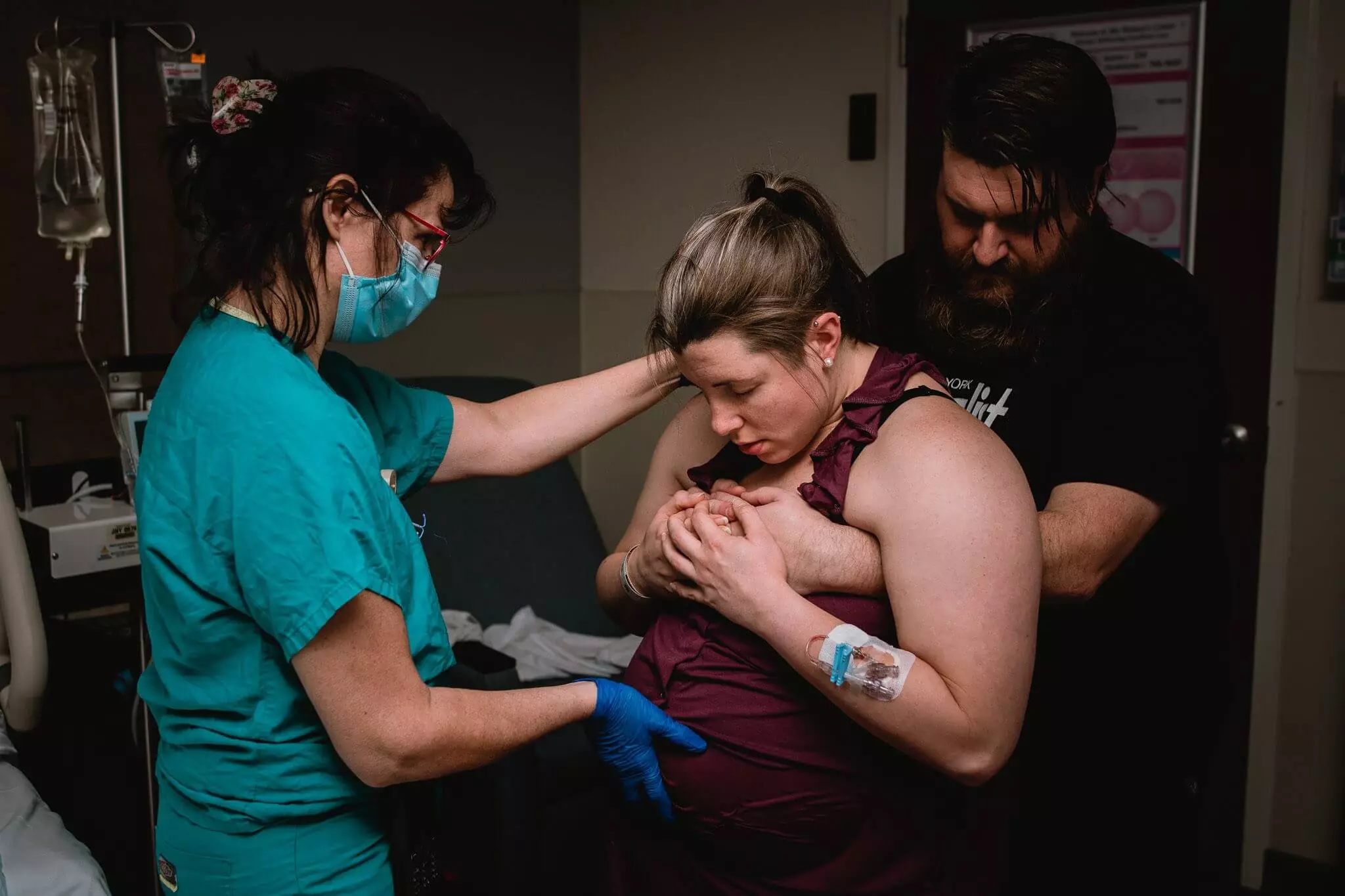
Pelvic Biomechanics for Pregnancy and Birth
You NEED to understand pelvic mechanics to truly support a better pregnancy and birth experience for your clients and patients. It’s a disservice to ignore how movement can influence comfort, progress, and recovery. This course will give you the tools to apply movement intentionally—helping clients find relief in pregnancy, create space during labor, and support smoother postpartum healing.

Course Approved for
9 Nursing CE and 9 ICEA CE
This nursing continuing professional development activity was approved by the North Carolina Nurses Association, an accredited organization approved by the American Nurses Credentialing Center’s Commission on Accreditation.

pelvic mechanics course
Gain the skills to assess pelvic movement, understand labor mechanics, and confidently support clients with evidence-based strategies.
$499
bundle with fitness trainer course
Get both certifications and master the full biomechanical and coaching framework to support clients through pregnancy, birth, and postpartum while saving over $200.
$1099
Want to learn in person with us? Join us for an upcoming in-person Pelvic Mechanics workshop! Earn 5.5 ICEA credit hours and 5.5 nursing credit hours!
In this training, we’ll explore how the pelvis works during pregnancy and labor and how movement can create more space for baby to move through:
- Learn how to assess the pelvis and spot areas that need more mobility or strength.
- Understand the three main levels of the pelvis—the inlet, midpelvis, and outlet—and how each affects labor progress.
- Explore the anterior and posterior parts of the inlet and outlet to see how position changes can help baby engage and descend.
- Break down the upper and lower parts of the midpelvis, and how they influence rotation and movement.
- Dive into the quadrants of the midpelvis and pelvic floor (front, back, left, right) to understand how balance and release can make labor smoother.
- Practice mobility and strength techniques that support comfort, positioning, and pushing.
You’ll leave with practical tools you can start using right away with clients to support pregnancy, labor, and recovery.
Sept 19: Asheville, nc
Location: Flow of Life Yoga – 1328 Patton Ave Suite D Asheville, NC
$349
OCT 10: DENTON, TX
Location: Denton Sports Chiropractic 235 W Hickory St #101, Denton, TX 76201
$349
nOV 7: lOS ANGELES, CA
Location: MOTI Physiotherapy, 5102 Wilshire Blvd Suite F, Los Angeles, CA 90036
$349
Meet Your Instructors
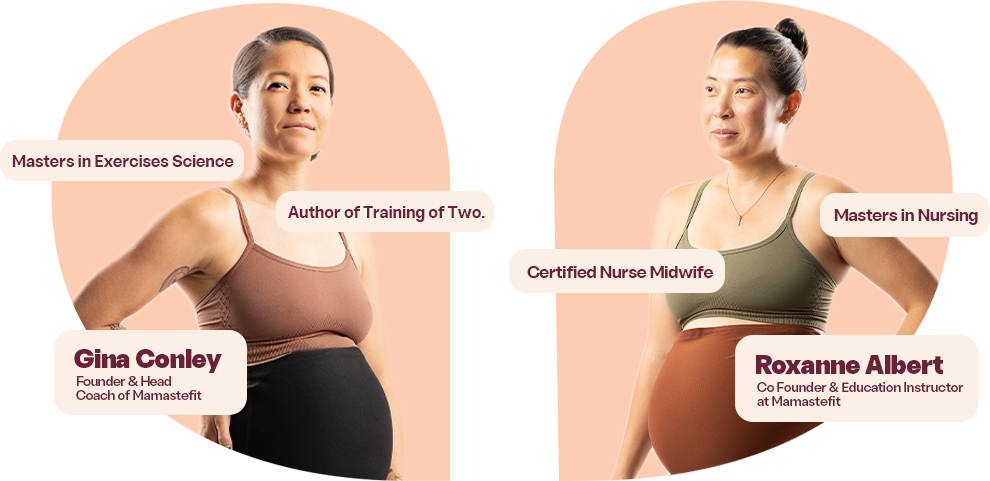
This course was created by sisters Gina and Roxanne, who bring together years of experience caring for women through pregnancy, birth, and postpartum—both in person and online. Gina, a birth doula and fitness trainer, offers a wealth of knowledge from her work as a non-medical birth professional, focusing on how to trust your body and prepare it for birth. Roxanne, a Certified Nurse Midwife, shares her medical expertise from countless births she’s supported in the hospital and community birth settings. Together, their combined backgrounds mean you’re getting a course that’s truly balanced—unbiased, evidence-based, and designed to give you the complete picture of what to expect, so you can feel prepared, supported, and confident as you welcome your baby.
What You'll Learn Inside
This course begins with exploring the WHY behind birth support–you are not the expert in someone’s birth, they know their own birth experience the best. However, you are experienced and readily able to guide them. This shift in mindset can enhance your birth support!
You’ll also understand how the pelvis opens and moves, which muscles release or strengthen to create space, and how rib cage and pelvic positioning influence pelvic floor tension. Learn the “why” behind movement so you can apply it to prenatal and birth support.
- The Pelvis
- Pelvic Inlet
- Midpelvis
- Pelvic Outlet
- Pelvic Floor
- The Rib Cage + Breathing Mechanics
- Common Postural Tendencies and Patterns
- Assessing Pelvic Position
- Uterine Foundations
- Fetal Positions
- Fetal Station
- Cardinal Rotations
- Labor Timeline & Labor Hormones
Learn how to combine mobility and strength to prepare each level of the pelvis for birth. Identify movement patterns linked to common prenatal discomforts and discover what to modify—and when to refer out to other providers.
- Postural Tendencies and Patterns: How They Impact Pregnancy (and Birth)
- Pain-Free Pregnancy Strategies
- Pelvic Pain Relief Strategies
- Tailbone Pain Relief
- Round Ligament Pain Relief
- Rib Pain Relief
- Pelvic Heaviness Relief
- Podcasts for Additional Learning with Hayley Kava, PT
- The MamasteFit Birth Prep Circuit
- Birth Prep: Back Expansion
- Birth Prep: Lat Release
- Birth Prep: Hip Flexor Release
- Birth Prep: Hip Shifts
- Preparing to Open the Inlet
- Preparing to Open the Midpelvis
- Pelvic Floor Birth Preparation
- Preparing to Open the Outlet
Master strategies to create space in each pelvic level and resolve labor stalls. You’ll learn what information to gather, how to assess movement patterns, and when to advance care if movement isn’t enough.
- Stages of Labor
- Labor Progress Clues: External, Internal, and Other Signs of Labor Progress (Or Not)
- Labor Stalls Overview
- Pelvic Mechanics for Labor Overview
- The Pelvic Floor in Labor
- Common Pelvic and Pelvic Floor Myths Explained
- Pelvic Mechanics: Opening the Inlet to Support Engagement
- Engagement Issues: Protocols to Resolve Labor Stalls
- Pelvic Mechanics: Opening the Midpelvis to Support Rotation
- Rotation Issues: Protocols to Resolve Labor Stalls
- Pelvic Mechanics: Opening the Outlet to Support Pushing
- Laboring Down Mechanics
- Pushing Mechanics
- Fear Tension Pain Cycle
- Common Labor Issues
- When to Escalate Care
- Pelvic Mechanics Approach as a Team
- Clinical Application: Resolving Engagement Stalls
- Clinical Application: Supporting Your Clients in Prenatal Discomfort/Pain
- Clinical Application: Resolving Rotational/Late Labor Stalls
- Troubleshooting: Ask for help here!
What Professionals Are Saying
Unlock your free Pelvic Floor Exercise Guide
Subscribe to our newsletter to receive our FREE E-BOOK to help your pelvic floor!
By subscribing with my email, I agree to the Terms & Conditions, and acknowledge the Privacy Policy.