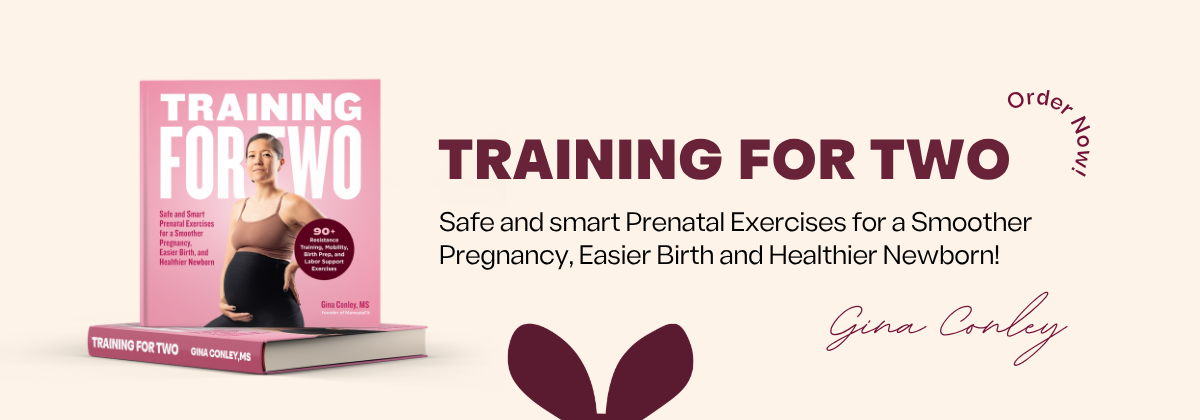
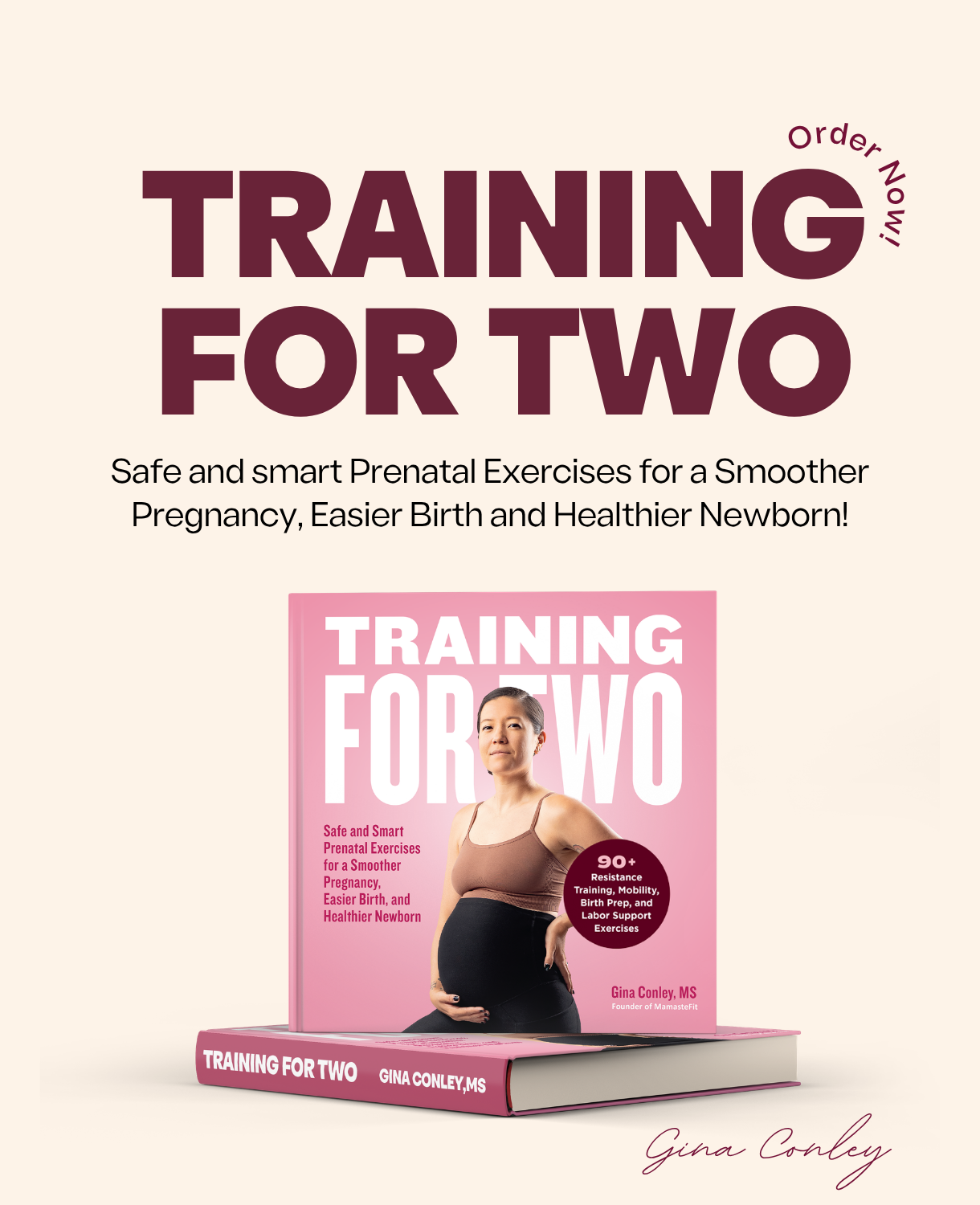

TRAINING FOR TWO

Move Confidently in Pregnancy!

NEW COURSE! ‎ ‎ ‎ ‎ ‎‎ ‎ ‎ ‎ ‎ ‎ ‎ ‎ ◆ ‎ ‎ ‎ ‎ ‎‎ ‎ ‎ ‎ ‎ ‎ ‎ ‎ Pelvic Biomechanics ‎ ‎ ‎ ‎ ‎‎ ‎ ‎ ‎ ‎ ‎ ‎ ‎ ◆ ‎ ‎ ‎ ‎ ‎‎ ‎ ‎ ‎ ‎ ‎ ‎ ‎ for Pregnancy and Birth. ‎ ‎ ‎ ‎ ‎‎ ‎ ‎ ‎ ‎ ‎ ‎ ‎ ◆ ‎ ‎ ‎ ‎ ‎‎ ‎ ‎ ‎ ‎ ‎ ‎ ‎ NEW COURSE! ‎ ‎ ‎ ‎ ‎‎ ‎ ‎ ‎ ‎ ‎ ‎ ‎ ◆ ‎ ‎ ‎ ‎ ‎‎ ‎ ‎ ‎ ‎ ‎ ‎ ‎ Pelvic Biomechanics ‎ ‎ ‎ ‎ ‎‎ ‎ ‎ ‎ ‎ ‎ ‎ ‎ ◆ ‎ ‎ ‎ ‎ ‎‎ ‎ ‎ ‎ ‎ ‎ ‎ ‎ for Pregnancy and Birth. ‎ ‎ ‎ ‎ ‎‎ ‎ ‎ ‎ ‎ ‎ ‎ ‎ ◆ ‎ ‎ ‎ ‎ ‎‎ ‎ ‎ ‎ ‎ ‎ ‎ ‎ NEW COURSE! ‎ ‎ ‎ ‎ ‎‎ ‎ ‎ ‎ ‎ ‎ ‎ ‎ ◆ ‎ ‎ ‎ ‎ ‎‎ ‎ ‎ ‎ ‎ ‎ ‎ ‎ Pelvic Biomechanics ‎ ‎ ‎ ‎ ‎‎ ‎ ‎ ‎ ‎ ‎ ‎ ‎ ◆ ‎ ‎ ‎ ‎ ‎‎ ‎ ‎ ‎ ‎ ‎ ‎ ‎ for Pregnancy and Birth. ‎ ‎ ‎ ‎ ‎‎ ‎ ‎ ‎ ‎ ‎ ‎ ‎ ‎◆ ‎ ‎ ‎ ‎ ‎‎ ‎ ‎ ‎ ‎ ‎ ‎ ‎
Written by

Gina Conley, MS

3 Counter Pressure and Sacral Release Techniques to Use During Pushing

While pushing, we need the sacrum to move out of the way as baby descends to allow for their head to rotate under the pubic bone and extend!  But, sometimes we need some extra support to encourage the sacrum to move!

Let’s explore three techniques to release the sacrum for pushing!

3 Techniques to Release the Sacrum for Pushing

The sacrum needs to freely move out of the way while pushing!  We can support sacral movement by focusing on:

  1. Pushing Position (ideally off our backs to allow for space for the sacrum to move)
  2. Counter pressure techniques to encourage the sacrum to shift out of the way
  3. Ligament release techniques to release tension that may be restricting the sacrums movement.

Learn more pushing techniques in our upcoming pushing webinar! 

We offer this webinar every other month, and also include pushing education in our childbirth education courses (both the complete and condensed courses).

1) Get Off Your Back: Pushing Position

The easiest way to ensure the sacrum can move during pushing is to GET OFF YOUR BACK.  

This can be as simple as slightly tilting to your side, or choosing a more upright pushing position such as all fours or kneeling.

If you have an epidural, you can still push in an upright position if you have the movement capability, but you may find that a supine or side-lying position is more comfortable.  

If you choose to push on your back because it is more comfortable, focus on creating space between the sacrum and the bed!  

We break down more pushing positions and techniques for unmedicated and epidural birth in our childbirth education course!

Learn the science of pregnancy and birth to take the mystery of labor away! Understand why you are feeling what you feel, and learn strategies to confidently move through pregnancy and birth!

Sarah
Sarah
Childbirth Education Student
I was really nervous about giving birth, especially during the Covid 19 pandemic. I wanted to have as little intervention as possible during my pregnancy and birth, but I wanted my husband and I to feel empowered to make decisions regarding interventions or procedures if we needed to. Finding an in person birth class during the pandemic wasn’t possible, and I am so glad we found MamasteFit. Not only did I follow them for great advice regarding general exercise and pain-relief recommendations during pregnancy, but their labor and delivery course + supplemental webinars were fantastic. The ladies provided unbiased and evidence-based information in digestible pieces so that we could pace ourselves while we learned and feel competent in understanding a pretty complicated process (birth is amazing but can be so intimidating.) I will repeat the course for baby #2! I am always learning something new when I follow along on Instagram, and I recommend the course to everyone. We had a wonderful birth experience and are ready to do it again!
Alicia
Alicia
Pushing Course Student
I took the MamasteFit pushing course to prepare for the birth of my second baby after my first baby was over 11lbs, I pushed for over an hour and on my back, she had shoulder dystoica, aspirated meconium, needed resuscitation and went straight to the NICU for a week. I broke my tailbone and burst ALL of the blood vessels in my eyes. I desperately wanted my second birth to look and feel different and better! Using the techniques I learned in this course, I was able to manage contractions really well and pushing was... dare I say "easy"?! I waited for that fetal ejection reflex to kick in and BOY DID IT! I accidentally had a home birth because my baby was born after just over a 2 hour labor- but it was amazing and healing and so redemptive. I also just had my 3rd baby a week ago in a planned home birth and had another amazingly smooth and short labor. About 12 minutes of pushing and no tearing for a 10lb 7oz baby girl! Thank you MamasteFit for such great pushing info!
Haley
Haley
Childbirth Education Student
6 hours postpartum, this is my favorite photo of me I’ve ever taken. Not because of how I look necessarily, but because of what I did. I’ll never forget how I felt in this moment. Beautiful, strong, and capable! I felt so prepared for this labor and delivery, so unlike my first delivery 3 years prior. Thanks to the Mamaste Fit courses, I knew exactly what was happening with my body and then knew exactly what it needed for support in those moments - and because of that assurance, even when things got “off plan” I STILL knew what my body needed at any given point. Birth is magical, natural, sacred, and beautiful and ugly all at the same time. Thank you MamasteFit for teaching women the ins and outs, the how and why, and allowing us to feel supported, prepared, and empowered.

2) Counterpressure Techniques: Cooks & Single Knee Press

Counterpressure techniques can encourage the sacrum to shift its position to create space!

The cooks counter pressure pushes against the ischial tuberosities, or the sitz bones, encouraging them to spread apart to create space in the pelvic outlet.  This can release some tension in the sacral ligaments allowing the sacrum to move more freely.

In addition, this technique is usually done in a more upright position, so it allows for space for the sacrum to move.

Next, if you choose a more supine or side-lying position, the single knee press is a great option!  This encourages the sacrum to shift more laterally and rotationally, allowing there to be more space to allow baby to finish their rotation!

Watch the video below for a breakdown on both the cooks counter pressure and single knee press!

3) Sacral Ligament Massage

And then we can focus on ligament release techniques!  We can massage the sacrotuberous and sacrospinous ligament which influences the sacrum’s movement.  

To find the ligament:

  • Feel for the bottom of the sacrum or tailbone, and then feel for the two sitz bones.
  • In the two edges of the triangle you form, you will find the ligaments.
  • Place your thumb in the gap, and then ask your partner to cough.  You should feel the ligament tighten under your finger.
  • Massage here!

Free the Sacrum for Pushing!

We can do a variety of techniques to support the sacrum’s movement, such as focusing on our pushing position, counterpressure techniques, and a massage technique.  If the sacrum can move freely, it will allow baby to more easily finish their rotation to get under the pubic bone, and extend their head for birth!

Prepare for Birth Courses