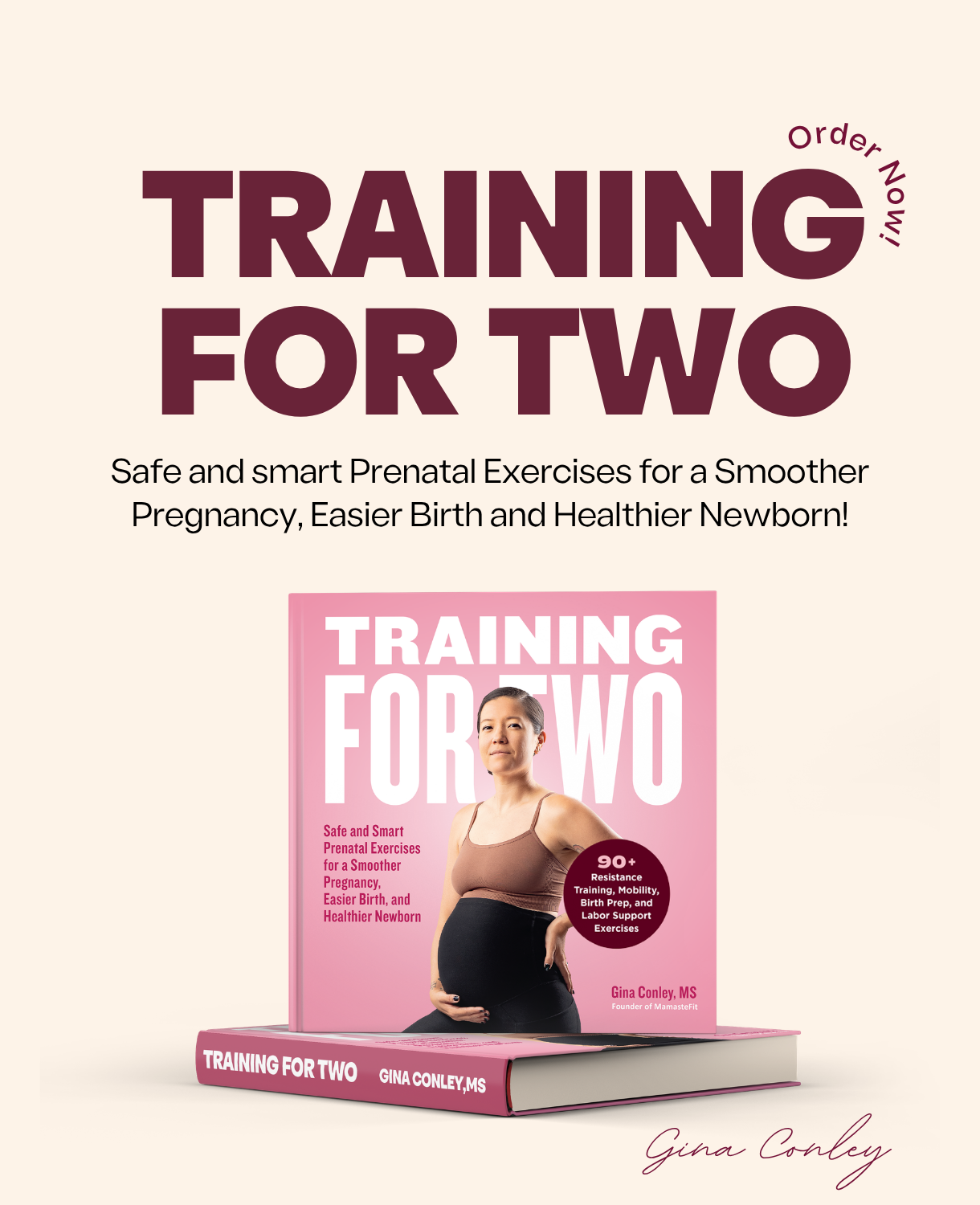
TRAINING FOR TWO

Move Confidently in Pregnancy!

NEW COURSE! ‎ ‎ ‎ ‎ ‎‎ ‎ ‎ ‎ ‎ ‎ ‎ ‎ ◆ ‎ ‎ ‎ ‎ ‎‎ ‎ ‎ ‎ ‎ ‎ ‎ ‎ Pelvic Biomechanics ‎ ‎ ‎ ‎ ‎‎ ‎ ‎ ‎ ‎ ‎ ‎ ‎ ◆ ‎ ‎ ‎ ‎ ‎‎ ‎ ‎ ‎ ‎ ‎ ‎ ‎ for Pregnancy and Birth. ‎ ‎ ‎ ‎ ‎‎ ‎ ‎ ‎ ‎ ‎ ‎ ‎ ◆ ‎ ‎ ‎ ‎ ‎‎ ‎ ‎ ‎ ‎ ‎ ‎ ‎ NEW COURSE! ‎ ‎ ‎ ‎ ‎‎ ‎ ‎ ‎ ‎ ‎ ‎ ‎ ◆ ‎ ‎ ‎ ‎ ‎‎ ‎ ‎ ‎ ‎ ‎ ‎ ‎ Pelvic Biomechanics ‎ ‎ ‎ ‎ ‎‎ ‎ ‎ ‎ ‎ ‎ ‎ ‎ ◆ ‎ ‎ ‎ ‎ ‎‎ ‎ ‎ ‎ ‎ ‎ ‎ ‎ for Pregnancy and Birth. ‎ ‎ ‎ ‎ ‎‎ ‎ ‎ ‎ ‎ ‎ ‎ ‎ ◆ ‎ ‎ ‎ ‎ ‎‎ ‎ ‎ ‎ ‎ ‎ ‎ ‎ NEW COURSE! ‎ ‎ ‎ ‎ ‎‎ ‎ ‎ ‎ ‎ ‎ ‎ ‎ ◆ ‎ ‎ ‎ ‎ ‎‎ ‎ ‎ ‎ ‎ ‎ ‎ ‎ Pelvic Biomechanics ‎ ‎ ‎ ‎ ‎‎ ‎ ‎ ‎ ‎ ‎ ‎ ‎ ◆ ‎ ‎ ‎ ‎ ‎‎ ‎ ‎ ‎ ‎ ‎ ‎ ‎ for Pregnancy and Birth. ‎ ‎ ‎ ‎ ‎‎ ‎ ‎ ‎ ‎ ‎ ‎ ‎ ‎◆ ‎ ‎ ‎ ‎ ‎‎ ‎ ‎ ‎ ‎ ‎ ‎ ‎
Written by

Gina Conley, MS

3 Ways to Modify Yoga During Pregnancy

Yoga is usually a common recommendation for prenatal exercise, but there is little guidance given on HOW you should be approaching yoga during pregnancy. Should you only attend prenatal yoga classes? Should you continue to attend general population yoga classes? What if your yoga teacher isn't familiar with prenatal modifications? You can see that while prenatal yoga is a common prenatal exercise recommendation, there can still be a lot of questions on how to safely continue your practice. Let’s break down some tips on how to approach yoga during pregnancy!
Yoga is usually a common recommendation for prenatal exercise, but there is little guidance given on HOW you should be approaching yoga during pregnancy. Should you only attend prenatal yoga classes? Should you continue to attend general population yoga classes? What if your yoga teacher isn’t familiar with prenatal modifications? You can see that while prenatal yoga is a common prenatal exercise recommendation, there can still be a lot of questions on how to safely continue your practice. Let’s break down some tips on how to approach yoga during pregnancy!

As we approach prenatal yoga, there are a few things we want to consider:

  • The Belly

  • Spinal Flexion and Extension

  • Twist or Rotational Postures

1. The Belly: Make Space for Baby

As pregnancy progresses, your belly will grow and grow! Eventually, your belly may start to get in the way of entering certain postures or laying flat on your belly. 

We may need to progress from a more narrow stance to wider stances, or progress from belly-down postures to table-top positions.

We can still achieve the same posture intent without it looking exactly the same as pre-pregnancy!

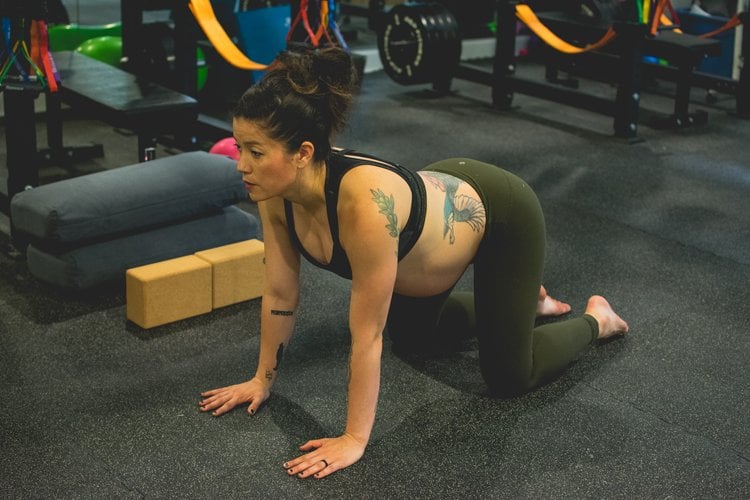
Create Space for the Belly Modification: Locust Pose to Bird Dog

Locust pose starts with the belly down on the floor, then you lift the chest, arms, and legs into a mild back extension posture. Eventually, this posture may not feel comfortable on the belly, so we will need to progress towards a table-top position. We can still achieve the same intent of stabilizing across the posterior chain with a bird dog posture! Starting in a table-top position, exhale to lift opposite arm and leg, focusing on keeping the hips level (as opposed to arching in the back).

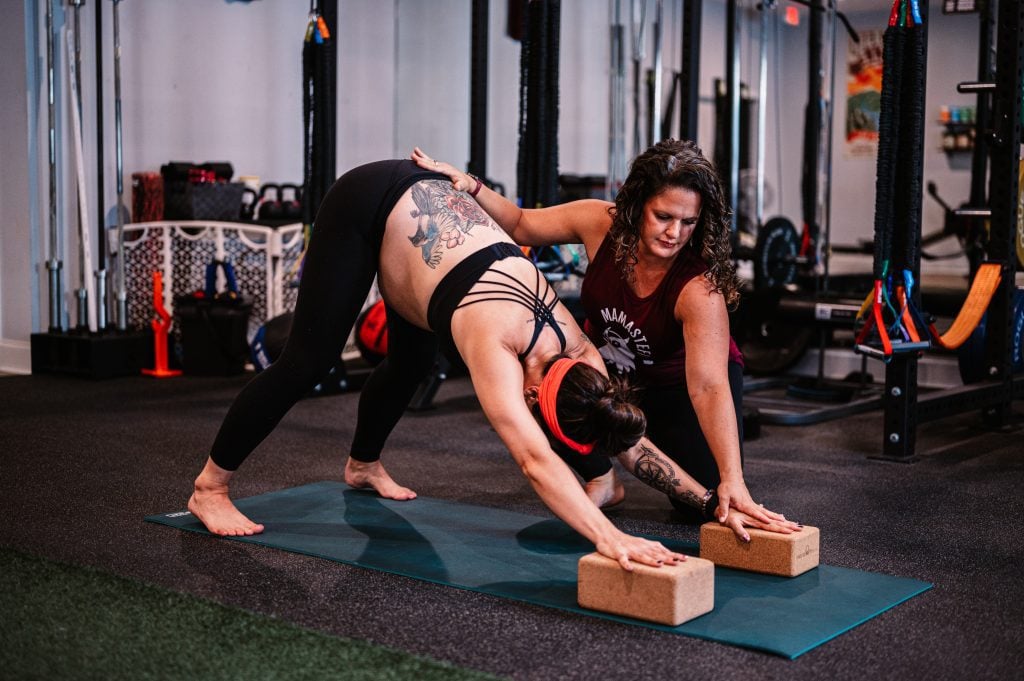
Create Space for the Belly Modification: Downward Facing Dog to Wider Stance with Hands Elevated

As belly grows, hip flexion can become limited (aka how much we can bring the knee to the chest). Postures that emphasize hip flexion, such as the downward-facing dog posture, can cause the belly to hit the thighs uncomfortably. We can make space for the belly by widening the feet, and potentially adding yoga blocks under the hands to elevate the posture slightly.

2. Spinal Flexion and Extension: Protect the Core

As the belly grows, the tissues and muscles thin to accommodate for your baby’s growth. During pregnancy, it is normal to have a diastasis recti abdominis (DRA), or a separation of the abdominal muscles, but we want to be mindful to not overstretch or aggravate our abdominal wall during pregnancy. 

This may mean we need to limit how much we curl up in the core for crunches or sit-ups, such as Boat Pose, or how deep we move into back extensions, such as an upward-facing dog.

Limiting Spinal Flexion and Extension: Upward Facing Dog to Cow Pose

Deep back bend focused postures can overly stretch or aggravate the thinned abdominal wall. These postures may also not feel great or like too much stretching later in pregnancy. We can modify from deep back bend postures to less intense extensions, or focusing the extension more on the thoracic (upper back) than on the entire spine. You can see the difference in intensity of these two back bend postures!

Prenatal Workout

3. Twists and Rotational Postures

A common recommendation during pregnancy is to avoid twists. We need to still rotate in our spine, particularly the thoracic spine, but we do want to avoid deep twists that focus on the belly.

Mostly, it would be uncomfortable and unnecessary during pregnancy. Another consideration for twisting or rotational movements is that we need to still create space for the belly. We may find that rotating towards the forward leg in a revolved lunge is difficult because your belly hits your thigh. We may want to elevate the rotation or rotate in the other direction!

Twisting Modification: Revolved Lunge to Wider Stance and Elevated

An easy way to make twists more achievable is to widen the stance to create space for the belly, then add a yoga block at the bottom to elevate the belly!

This also adds extra support and decreases the range of motion that you need to move through to achieve this postural intent!

Our prepare your pelvic floor for birth course includes thoracic and hip mobility + pelvic floor relaxation exercises to release tension as you prep for your birth!  This course is self-paced and completely online, so you can find pelvic floor relaxation on your own schedule!

Twisting Modification: Prayer Twist/Chair Posture

A deep twist posture like prayer twist may no longer be achievable as the belly grows. We can decrease the intensity of the twist by instead of bringing the opposite elbow to the knee, bringing the same side hand to the knee and using a block on the floor to support the rotation. Continue to focus the rotation more in the upper back than in the belly as pregnancy progresses!

During pregnancy, we can still practice yoga, but our postures may look different than before. We can still achieve the same intent and sensations in our postures with modifications that are more appropriate for our phase of life. Our goal with our blogs and education courses is to help you move your body throughout your pregnancy and postpartum periods confidently, and able to meet the demand of each phase.

Want to learn more about yoga modifications for pregnancy and postpartum? Learn more with Casey Backus, Physical Therapist, RYT 500-E, in our Yoga Modifications for Pregnancy and Postpartum course.

Prenatal Yoga Courses