



Table of Contents
Pain in labor is one of the biggest concerns for expectant parents. Many wonder, How painful will it be? Will I be able to handle it? What if I panic?
But what if we told you that pain is not just a physical experience—it’s influenced by your emotions, mindset, and environment? The way your brain perceives labor sensations plays a huge role in how you experience them. This is where Gate Control Theory and the Fear-Tension-Pain Cycle come in.
By understanding how pain works and how to interrupt pain signals, you can build practical tools for pain management during labor without an epidural—and approach your birth feeling more calm, confident, and in control.
The Fear-Tension-Pain Cycle: How Fear Makes Labor More Painful
British obstetrician Dr. Grantly Dick-Read first introduced the Fear-Tension-Pain Cycle in the 1930s to explain why some people experience more intense pain in labor than others. He observed that when laboring individuals were afraid, their bodies reacted by tensing up, which increased pain.
How the Cycle Works
1️⃣ Fear: When you feel anxious or afraid, your body activates the fight-or-flight response, releasing adrenaline and stress hormones.
2️⃣ Tension: Fear causes your muscles to tighten, especially in the pelvic floor and uterus, which are supposed to be relaxing and opening during labor.
3️⃣ Pain: Tension makes contractions feel more intense and less productive, reinforcing fear and making the next contraction even harder to cope with.
🔄 This cycle repeats, escalating discomfort and stress.
How to Break the Fear-Tension-Pain Cycle
To keep labor from feeling overwhelming, you want to replace fear with confidence and relaxation so your body can work efficiently.
✅ Mindfulness & Breathwork: Focused breathing slows your heart rate, activates the parasympathetic nervous system, and prevents panic from escalating pain.
✅ Movement & Positioning: Swaying, rocking, and changing positions help release muscle tension and encourage optimal fetal positioning.
✅ Birth Environment: A dim, quiet, and calm environment with supportive people helps reduce fear and stress hormone release.
✅ Touch & Comfort Measures: Gentle massage, counterpressure, and warm compresses send relaxation signals to the brain, reducing the perception of pain.
By staying present and working with your body, you can interrupt the cycle and make labor more manageable and even empowering.
Gate Control Theory: How Your Brain Processes Pain Signals
Now, let’s dive deeper into how your brain processes pain during labor.
Gate Control Theory, developed by Ronald Melzack and Patrick Wall in the 1960s, explains that pain signals have to pass through a “gate” in the spinal cord before reaching the brain. This “gate” isn’t always open—it can be partially closed or completely blocked by competing sensory input.
How It Works in Labor
- If the gate is open → More pain signals get through → Labor feels more intense.
- If the gate is partially or fully closed → Fewer pain signals reach the brain → You experience less pain.
The goal in labor is to flood the nervous system with non-painful input to “close the gate” and reduce how much pain is perceived.
 Video course · 9+ hoursChildbirth EducationOver nine hours of video on contractions, comfort measures, pushing, and recovery — so you walk into labor knowing what's happening and what your options are at each stage.Learn more
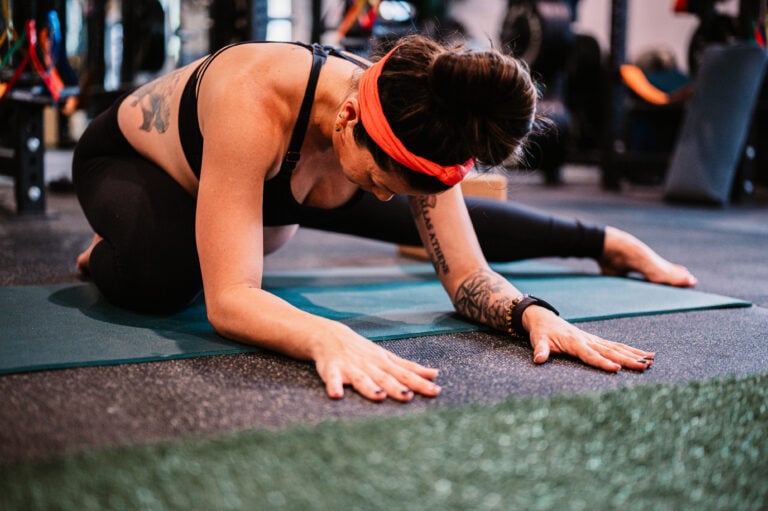 Video course · 7 modulesPrepare Your Pelvic Floor For BirthSeven modules on releasing the pelvic floor rather than only strengthening it — breathing drills, thoracic and pelvic mobility, and how to relax it during labor.Learn more
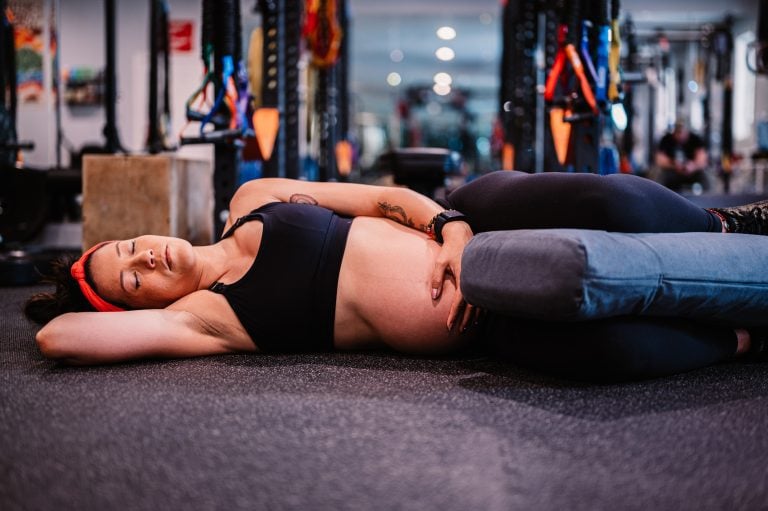 On-demand video · 24 workoutsBirth Prep Workout ProgramTwenty-four workouts that open the pelvis for each stage of labor — strength, mobility, and positioning you can start at any fitness level, 15 to 30 minutes each.Learn more
Pain Management During Labor Without an Epidural: 6 Strategies Based on Gate Control Theory
1. Movement & Position Changes
💡 Why It Works: Motion sends proprioceptive input (body awareness signals) to the brain, competing with pain signals.
Try:
✔️ Rocking on a birth ball
✔️ Swaying side to side
✔️ Lunging or walking
✔️ Hands-and-knees positioning
2. Touch & Counterpressure
💡 Why It Works: Applying deep pressure or gentle touch stimulates nerve receptors in the skin, which sends competing signals to the brain and reduces pain perception.
Try:
✔️ Firm counterpressure on the lower back or hips (great for back labor)
✔️ Massage or light stroking (effleurage)
✔️ Holding or squeezing a partner’s hand
3. Water Therapy (Hydrotherapy)
💡 Why It Works: Warm water activates temperature and touch receptors, reducing pain signals.
Try:
✔️ A warm shower with water directed at the lower back
✔️ Soaking in a birthing tub
✔️ Using warm compresses on the perineum
4. Breathing & Vocalization
💡 Why It Works: Deep breathing slows the stress response and sends soothing signals to the nervous system. Vocalizing creates vibrations that activate sensory pathways, helping distract from pain.
Try:
✔️ Slow, controlled exhales (inhale for 4, exhale for 6)
✔️ Low, deep vocal tones like “Oooooooh” or “Aaaaah”
✔️ Humming or chanting
5. Heat & Cold Therapy
💡 Why It Works: Heat relaxes tight muscles, while cold numbs pain receptors and reduces inflammation.
Try:
✔️ A heating pad or warm rice sock on the lower back
✔️ Cool compresses on the forehead or neck
✔️ Ice packs on pressure points
6. TENS (Transcutaneous Electrical Nerve Stimulation) Units
💡 Why It Works: TENS sends gentle electrical pulses through the skin, stimulating nerves and blocking pain messages from reaching the brain.
Many people use TENS during early and active labor before transitioning to water therapy or hands-on techniques.
Bringing It All Together: A Mindful Approach to Labor
Mindfulness, movement, and understanding how pain works can make a huge difference in your labor experience.
✅ The Fear-Tension-Pain Cycle teaches us that fear increases pain, so we need to focus on relaxation and trust in the process.
✅ Gate Control Theory explains that we can override pain signals by using movement, touch, breath, and sensory techniques.
By combining mindfulness with evidence-based comfort measures, you can reduce pain perception and feel more in control of your birth experience.
On-demand video · 30 workoutsCore, Pelvic Floor & Pelvic StabilityThirty follow-along workouts across beginner, novice, and advanced levels, ten per level — core and pelvic floor strength for pain relief in pregnancy or postpartum.Learn more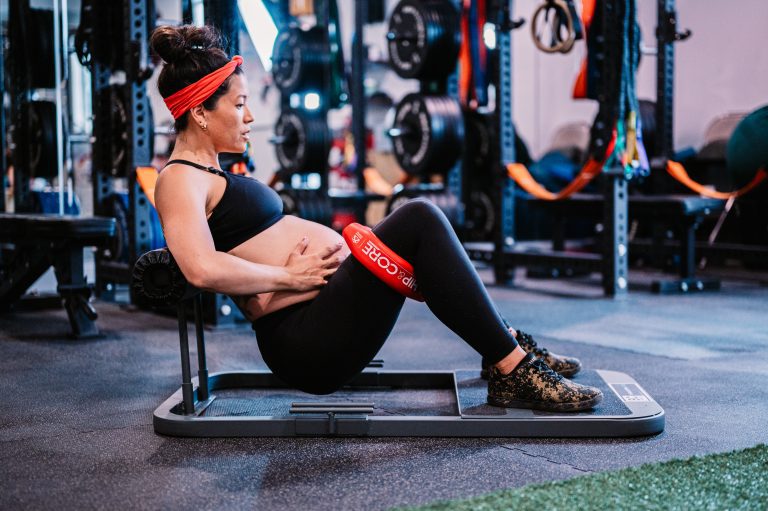 Bundle · lifetime accessMamasteFit BundlesCombine courses and programs for lifetime access and save up to 15% — grouped for birth preparation, the third trimester, or the whole pre and postnatal journey.Learn more
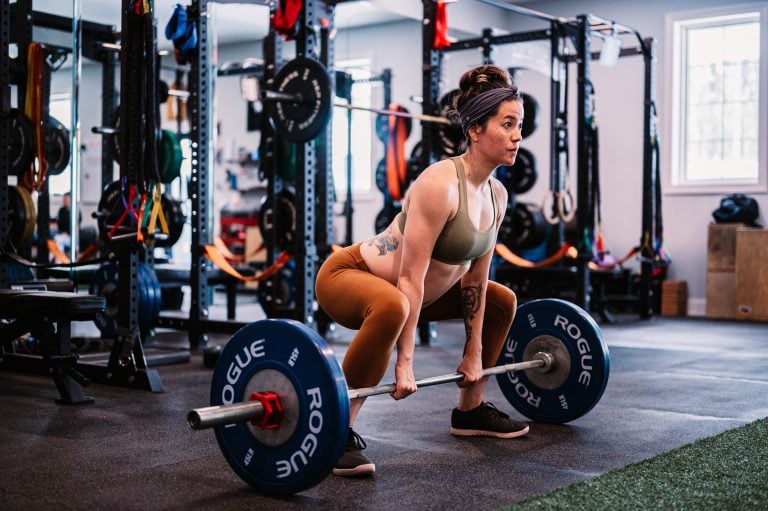 App program · 40 weeksPrenatal Strength TrainingA gym-based program that syncs to your current week of pregnancy — four strength sessions plus one pelvic stability workout a week, with demo videos for every exercise.Learn more