

Listen to the MamasteFit Podcast to support your prenatal fitness, preparation for birth, and postpartum recovery journey! With two new episodes every week, we bring you educational insights on Wednesdays and captivating birth stories on Fridays.
Subscribe now to never miss an episode and stay up-to-date with our expert hosts and guests’ latest insights, stories, and advice.
Tarrah Lee Speer is a senior manager in the technology industry, mom of two, soon-to-be three, military spouse, and avid health and fitness advocate. Tarrah started working out with MamasteFit in 2019, right around the time she was trying to conceive her second baby, and Gina and her both navigated pregnancy losses together in 2019.
Meet Tarrah Lee Speer
Hi, everyone. As Roxanne and Gina mentioned, I’m a senior manager in the technology industry. I have two babies, one on the way. And I’m an avid health and fitness advocate. I’m also a fellow military spouse, just like they both are. I’m a very strong advocate for living a healthy and balanced lifestyle. So, a lot of background of debilitating eating disorders and negative body image that I’ve overcome over time, which I’m so glad that I did.
And that can be a whole other podcast, right, to talk about how I’m so glad I went through that before having children so I could instill that positive body image in them. But my number one value in life is my family. They are everything to me. I feel so blessed to have two children with one on the way, especially after suffering from secondary infertility.

After my first baby in 2018, I had four miscarriages in a row, so it was very, very difficult to overcome. And then I began a journey with fertility, with in-vitro fertilization that be talking about a little bit later in the podcast. I’m really outspoken about fertility issues on my social media and in female leadership circles, particularly how it impacts women in the workplace, in business. It’s something that’s just not often talked about, and I love to bring awareness to that because so many women and men experience this in the workplace and there’s no support and you just feel like you’re going through it so silently.
But I live in Pinehurst, North Carolina, with my husband and our two babies, and they are four and a half in 19 months. And my husband is a Green Beret in the US Army.
Gina: Tarrah’s pregnancy journeys have been intertwined with MamasteFit on a personal level. We have had a connection because we’ve shared this experience together as mothers. I don’t wish pregnancy loss on anyone. It’s a tough thing to go through, but it was comforting for me after my losses to know that I was not alone in this experience, and then I had others to lean on for support as I grieved.
The vast majority of the time, pregnancy loss and miscarriages are not due to anything that you did, so you didn’t exercise too hard to have a miscarriage or you didn’t eat the right thing that caused your miscarriage. It’s usually due to a chromosomal abnormality, and even with testing after a miscarriage, you may still be left without answers as to why you had a loss. And the majority of the time you probably won’t even have any sort of blood work or follow-up if you had like just one miscarriage.
Gina's Pregnancy Losses: Two Miscarriages with Secondary Infertility
And so for me, my husband and I decided that we wanted to try to conceive our second when my daughter Adeline was about a year old. And it took us a while to get pregnant, which was really confusing because for my first pregnancy, and I’m sure it was similar for you, Tarrah, it was like super quick to conceive. It was like two or three months of trying and we had a positive pregnancy test. And so for the second, we kind of expected the same thing and it took us like several months, I would say like probably like 6 to 8 months before we finally got a positive pregnancy test. And I told everyone right away that I was pregnant, which ended up being a big blessing in disguise.
So the pregnancy just progressed as normal. I had all the normal pregnancy symptoms nausea, fatigue. There was nothing about the pregnancy that told me something was wrong with it, except I just had this, like, really weird feeling of anxiety. Like, I just felt like something was wrong inside. But nothing was telling me externally. Like, I had no symptoms that told me that something was wrong.
I wasn’t bleeding. And at this point, I still had that feeling of invincibility where, like, bad things don’t happen to me; they happen to other people. Like bad things that could happen to me in my pregnancies, those happened to other people.
So around eight or nine weeks, I felt like I just really needed to see my baby on the ultrasound. Like I just couldn’t get over this feeling of anxiety. And so I was on a labor and delivery floor and one of the midwives offered to do an ultrasound with me and she couldn’t find a baby. And so at eight or nine weeks, like, you can see a little gummy bear, like it’s pretty obvious that there’s something in there. And it was just this like black blackness in my uterus and it’s like there’s nothing there. And so she had an OB come in and the OB was like, “Oh, well, maybe you’re just not as far along as you think you are.” And I’m like, I mean, you should still be able to see I’m not like a month off on my due date.
Like, my cycles were a little irregular before my first pregnancy, but they weren’t like that off and so she was like, “Just come to the clinic tomorrow and we’ll take a look at it because there’s a better ultrasound machine. Maybe it’s just the machine.” And I was like, Yes, the machine is just the machine. That’s why we can’t find anything.
We went down the next day to the ultrasound and the same thing. They couldn’t find anything. And she told me, “you know, this probably means that you’ve had a missed miscarriage, which means that your body at some point stopped being pregnant and your baby stopped developing. Or maybe there was no baby to begin with, but your body didn’t realize and just kind of kept carrying on as usual.” She went over a few options like we can do D&C, we can give you some medication to take at home, or we can keep doing follow-up appointments.
And so, I was like, you know, I kind of want to do a few more appointments, just a few more ultrasounds just to check. And then I became like consumed with online forums where people were like, “you know, I went in for my D&C and I did an ultrasound, and then there was a baby,” and I was like, “That’s going to be me.”
And so, we went in for like two more weeks of ultrasounds, and every time it was the same thing. There’s no baby, there’s no baby. And what was nice about that–not nice about not finding a baby, but nice about having that extra time–was it gave me an opportunity to kind of accept that this pregnancy was not happening, that I was not going to be meeting my baby in August as I had expected.
So, we decided at that time to take medication and pass the baby at home so that we can be in a comfortable environment. And hopefully, everything works just fine, and we don’t have any complications from it. They did give me some pain medication to take as well, which I did take because I just kind of wanted to be numb from the experience and was still kind of just, I think emotionally processing what was going on.
So we went home. I took the medication, and I felt like some contractions. The medication definitely really helped, kind of numb, like any sort of pain that I was feeling. I passed what I later realized was the baby or what should have been the baby or the tissues that I was in. But like, I was really just kind of out of it and didn’t recognize that that’s what that was.
And I just kind of like flushed it down the toilet and so like now, like looking back on it, I really wish I recognized that that’s what that little pile or clump of tissues was because I would have taken it and like buried it or done something to like kind of honor what could have been my baby. And ultimately, I just felt super detached from what had happened.
I wasn’t really sure how to feel or what to do. And then I was like, “Hey, like the likelihood of this happening again is super low.” And so I just kind of moved on from it and was like, it’s not a big deal. Like, it’ll be fine. We’ll just have another baby. The thing that made me really happy was that I had told people about my pregnancy before we had the loss.
And so, then I had this community that kind of leaned on to it. So, if I had kept it a secret like we’re all kind of told to do, like don’t tell anybody until you’re in your second trimester and all the clear–like that’s really communicating a message that you don’t want to burden people with your sorrow and with your grief. Like if you have a loss, you should keep that a secret because that’s shameful. Don’t burden other people with your sadness.
And that doesn’t sit well with me and like having gone through a pregnancy loss, like, it meant so much to me to be able to have people to lean on and to like, talk to and to share the experience with.
And then I also found out that a bunch of other people, like unfortunately had also had miscarriages, that they had never told anybody about. And so, we were all able to kind of bond together in this shared experience. That’s an unfortunate experience that we’re having, but it just made me feel a lot less alone and like I wasn’t broken or anything, which was great, not great that I’d gone through it, but like great that I wasn’t alone in this experience because I had shared it with other people.
Tarrah's Recurrent Miscarriage Story: 4 Pregnancy Losses and IVF
Tarrah: Yes and no. And first, I’m so sorry that you went through that. I don’t like you said in the beginning, I don’t wish this upon anyone. It’s just awful. Our experience is a little bit more traumatic, but getting there, we waited about a year and after our first was born in 2018 and we ended up conceiving on vacation, which we kind of planned on, you know, just starting to try.
And it was interesting. It took me a while to get a positive pregnancy test, whereas previously it was like with my son. I mean, we like, you know, we knew the exact day that I was ovulating. You know, I think it was seven days later I got a positive and I was, you know, very kind of obsessed with getting those positive pregnancy tests.
And this time around, it took me almost two weeks to get a positive test. And I was like, well, this is just odd, but same thing as you. I went through the whole thing, and I was excited, and I told a lot of people that we were pregnant with our second. They would have been 21 months apart. But I had this really weird, intuitive sense that something was off just like you did.
And it’s, you know, it was this weird red flag. And I’ll never forget, I went to my eight-week appointment. There was a heartbeat. Baby was fine. There were no abnormalities. And then it was at my 16-week appointment early. I can’t even remember why. But anyway, when we went into the appointment, I remember telling my husband before we left, “I feel like there’s something wrong.”
And he was like, “No, there’s nothing wrong. Everything’s okay. Just, you know, have faith.” And when we got to the appointment and they, you know, we’re all excited because you’re going to do the blood tests and find out what the baby was. And I just knew it was a girl and, you know, intuitively believe that. And when they did the ultrasound, the baby was there, but it was floating, just lifeless.
I will never get that image out of my head. And I hope I’m not being too graphic, you know, on this podcast. And it was awful. I mean, I still have that image in my head. The baby was just literally lifeless. And, you know, the OB kept trying to find the heartbeat. And similar to you, you know, she would say like, “oh, let me go get another doctor.”
Or maybe I just can’t find the heartbeat. But the baby was measuring at only like ten weeks. And so, we knew that there was something seriously wrong. And at that point it was a Friday afternoon. So, she told me that I was too far along to have a miscarriage at home, and they were concerned about the bleeding and everything.
And so, they booked the O.R. for, I think it was Tuesday morning or something crazy. That was the only time that they could get me into the O.R. for the scheduled DNC.
But I ended up starting to miscarry at home on that Monday. I was actually on a work call, and I just felt everything. My son was here. I had to call my mom, you know, to come over and take over for the nanny just because I didn’t want her to experience that. And by the time my husband got here, there was I mean, he literally was like, I’ve never seen anything like that. Like what he had to walk into.
I could not control the bleeding. I was calling my OB every few minutes. I was terrified. And at one point I lost consciousness because I’d lost so much blood. So my husband ended up taking me to the E.R., carrying me inside, and I had to have an emergency D&C and a blood transfusion because my hemoglobin was so low from the loss.
They were able to conserve some tissue, enough where they could do the testing, so they were actually able to do the chromosome testing and found out that the baby had trisomy 18. So it is not conducive with life. And typically, you know that you can carry them until around I think it’s 20 weeks.
But it was so traumatic for me in that at that moment and then the hospital and because you just don’t after you’ve had one pregnancy, you know, like you with your first and you with my first and everything was going so smoothly and everything was perfect.
How their medical providers response to their pregnancy losses shaped their experience
Tarrah: Basically, to have this happen was just so devastating. And I will never forget my OB saying to me and I no longer see her, but she said, “it’s just one miscarriage.”
It was so flippant like it was just no big deal. Right? And that crushed me. And deep down, I knew there was something wrong. I knew that there was more to the story than just one miscarriage.
And so I wanted her to run all these tests. I literally made a list of them. If anybody knows me, I’m a massive researcher. I did a ton of research. I mean, I spend days and days. I do data and analytics at work. And so, I found, you know, tons of research on testing I wanted to do. And she was like, “Oh, no, you know, it’s no big deal. It’s just one miscarriage.”
And then not even I think it was a month or two months later, I have a chemical pregnancy and that’s when I said, “okay, I feel like something’s really wrong.” And then she referred me over to the practice’s fertility specialist at that point.
Gina: I had a similar experience with the ER doctor after our second loss, so we had our first loss. My ended up having to do like a bunch of bloodwork because they were concerned it was like a molar pregnancy which is not cancerous but could become cancerous. And so, I had to go in like every week to do bloodwork to measure my HCG levels to make sure that they were dropping, because if it was a molar pregnancy, it would continue to increase.
And they told us to wait to conceive. But my husband was getting ready to deploy and I really wanted my kids to be close in age. So, I was like, I’m going to not listen to you and we’re going to try to conceive. But he left less than a month after our loss. And so, we didn’t conceive, and we didn’t get to try again until he came back in the summer.
So, I think he was gone for like six months and we did conceive right away, which was awesome. But then we ended up having another miscarriage like, but it was only a few days after I had gotten my positive pregnancy test, my positive bloodwork, and then like I told everybody and then I started bleeding. So, ran to the E.R. and when I first went in, the nurse was like, “Hey, how many pregnancies have you had?”
And I was like “two, only one live birth, and then I guess a miscarriage now.” And I was really sad. And she’s like, “Don’t count yourself out. People bleed all the time.” And I was like, “We both know it’s not fine.” So, I waited in the E.R. for, like, an hour or so.
Like, I was wearing white leggings, too, and so I’m just bleeding through my pants, which was like and now they’re trash. So, I finally got in to see the doctor, and it’s me, my husband and my daughter, and he’s like, ”Oh, well, your pregnancy tests are negative. What are you here for?”
Did you not look at anything before walking in here? “I guess I’m here for a miscarriage” and he’s like, “Oh, well, you’re not pregnant. So we definitely had one of those. Well, I have to do an internal exam. I don’t think I’ll just check your abdomen.” And I was, just like, “okay…” And so I lay down and then I start crying when he starts pressing on my belly and then it’s really uncomfortable for him.
And so he’s like, “It’s okay. My daughter had four miscarriages and she has plenty of kids now, so like, you’ll be fine.” And I was like, I didn’t know it was a competition, but thank you. I think it was one of those like he wanted to like trauma bond with me where he was like, let me share a traumatic story for my end so that you can connect with me when really like I didn’t care about, like, his daughter’s experience, who I’ve never met. Like, sure, I just want to hear about your experience in the midst of my trauma.
I wanted him to acknowledge my experience and to tell me how he could help me as a provider. And so, like, that was super shitty.
Compassionate Providers: The Difference in the Experience with Compassionate Care
Gina: What was really fortunate for me was my actual primary care provider. I went and saw I got a referral to go see her right away and she was really compassionate. And that made a huge difference for me. Like, I had a lot of really compassionate care with my first loss.
The OB is like really understood that this was like a pretty big deal and I was like very happy with how they treated me during my first loss and were like, “Hey, we’ll keep doing ultrasounds like we’ll do as long as you want.” Like, you know, “we want you to feel comfortable and confident. This is a good decision for you.”
And then for my second loss, the primary care provider, she was like, “hey, like normally three is considered for current miscarriage, but this is two in a row. This is enough for me. Like, let’s do a bunch of bloodwork, let’s get the work up.”
She wanted to get the blood work started to go to fertility because obviously, this is becoming a trend. And she would rather have all the bloodwork and stuff ready so that she could just refer me directly to fertility, which was in the same hospital for us, which was pretty nice and convenient.
Recurrent Miscarriages: Blood Work and Testing
Gina: Elevated Thyroid Antibody Levels & Autoimmune Disorder
We did all the blood work and it came back that I had elevated antibodies for my thyroid...which is like a sign of like an autoimmune issue. And then she was like, “I read up on it, having these elevated antibodies can be linked with recurrent miscarriage.”
They can also be linked with preterm labor, like thyroid problems, like placental abruption...I was really thankful that she took my experience seriously and was like really compassionate and was like, there's no reason why we have to keep waiting and prolonging this.
Gina Conley
Gina: We did all the blood work and it came back that I had elevated antibodies for my thyroid. So, all the other levels were fine. But if you did this one specific test, you saw that my thyroid antibody levels were significantly high, and I don’t remember what the actual numbers are supposed to be like. I should have pulled them up.
But like, I think the normal number is like 20 and mine was like 300, which is like a sign of like an autoimmune issue. Like this is like an inflammatory response and like there is an issue going on. And then she was like, “I read up on it, having these elevated antibodies can be linked with recurrent miscarriage.”
They can also be linked with preterm labor, like thyroid problems, like placental abruption. So, there’s a lot of things that it could be correlated with. And so like, let’s get this figured out. I was really thankful that she took my experience seriously and was like really compassionate and was like, there’s no reason why we have to keep waiting and prolonging this. She knew we wanted to have more kids. So, she was like, let’s do the work up and let’s do the testing.
For the first one, like I didn’t think that there was some sort of like issue, but I think I had also told myself that I wasn’t allowed to test to figure out what was going on. And like they were really concerned about the molar pregnancy. So, I was like, well, let’s just focus on that.
But then for my second it was like, okay, now I’ve had two in a row. I was really glad that they decided and supported me in getting bloodwork then to try to see is there an underlying issue. Why do we have to wait for you to go through another one of years before we take you seriously?
Tarrah: MTHFR Mutation,
Tarrah: I’m so glad you brought this up because I think this is so important for listeners to hear, too, is don’t wait for it to continue to have multiple miscarriages. It’s not okay. Right. So, I was referred over to the fertility doctor after my second miscarriage. He took me seriously and there were things he didn’t even know what they were that I brought to him and said, “Hey, I like MTHFR, I wanted to be tested for that.”
If you have a MTHFR Mutation, there’s an enzyme needed to change folate into its active form. If you have a genetic mutation in that, it can impact that and it can actually impact pregnancies. And so, I brought it to him and I was like, I want tested for this. And he was like, “I don’t know how to interpret that, but I’ll test you anyway.”
I mean, he was just so open to everything, and he would research things for me. So, we started doing some blood testing. Most of my tests were normal other than my MTHFR came back and I had one of the mutations, but it wasn’t clinically significant enough to impact pregnancy, they said. But of course, I was like, “Well, I need to take an active form of folate and not take folic acid and be very specific about this because it impacts how your body methylates.”
I asked blood clotting disorder testing, the typical fertility testing AMH, FSH. I want a genetic screening. So, my husband and I both did carrier type screening and I asked for all of this to I had to self-advocate because I mean he was open to doing anything but some of it he was just like, “I don’t think you need that.”
And I pushed for it. Anyway, I asked for nutrient deficiencies. I asked for autoimmune disease markers. Right, especially thyroid, to your point. And when we couldn’t find much, I did have three fibroids in my uterus. I had when I was pregnant, my son, they never impacted him, but my OB was like, “let’s take those first and let’s see if that changes things.”
We did all the blood testing. We set up the surgery for the myomectomy, which is the fibroid removal, and then we got pregnant a few months later. And so, this was the fourth pregnancy, but third loss.
Tarrah's Journey with IVF after her third loss
My AMH came back excruciatingly low, like almost near menopause. And so, he was like, "I think it's one of two things going on here. You have very low egg reserve and of that egg reserve, your egg quality is very low. So essentially, you're playing Russian roulette here. So, at this point, I'm going to go ahead and recommend that you do in-vitro."
Tarrah Lee Speer
Tarrah: And at eight weeks, the same experience you had, we had the blighted ovum, where nothing forms, right? It was just the black hole and that was against devastating. And so at that point, I was like, okay, listen, I same situation as you. My husband was getting ready to deploy in a few months. And when you have a spouse that deploys and you’re dealing with infertility issues, you don’t have the same time afforded to you that everyone else does.
I didn’t want to wait, you know, six more months and then have to go down this pathway. And so, I asked specifically to be referred to reproductive endocrinologist at an IVF clinic because I just wanted to know what my options were. Right. And I want a deeper level testing. So, I was able to be sent and referred to an IVF clinic to the reproductive endocrinologist who I love.
And my husband was getting ready to deploy. So, we decided no matter what, we were going to go ahead and freeze sperm just in case we decided we were going to move forward with this. And we did tons of testing, much deeper level testing into like the blood clotting disorder, things I’d never even heard of. He also did a hysterogram like the saline ultrasound with dye to check and make sure that my uterine function was going well.
And then a hysteroscopy to examine the uterus for abnormalities. Everything was normal.
But at this point, we still had, you know, the data on that the first pregnancy was the trisomy 18. That was from being able to test the tissue. So, from the AMH and FSH tests, they determined two things.
Number one, I had, and again, so much of this is inferred because they can’t say like this is how many eggs you have, but the AMH is a marker of what your ovarian reserve is, right? And we’re born with whatever number of eggs we’re going to have for the rest of our lives as a woman.
And my AMH came back excruciatingly low, like almost near menopause. And so, he was like, “I think it’s one of two things going on here. You have very low egg reserve and of that egg reserve, your egg quality is very low. So essentially, you’re playing Russian roulette here. So, at this point, I’m going to go ahead and recommend that you do in-vitro,” while unbeknownst to us, we were pregnant and didn’t know it naturally. And so, my husband ended up deploying to Afghanistan and we were in the midst of COVID.
We ended up losing the fourth miscarriage while he was gone. I had to do the D&C by myself in the hospital. No one can go in with you. That was, you know, really rough.
And so after that, I was like, I’m done. We’re going to do IVF. I can’t I mean, four losses in a row were absolutely devastating.
And then they were able to test the tissue for that one, too. And this baby ended up being trisomy 15. So, there were some chromosomal abnormalities happening. And again, that’s when my reproductive endocrinologist said, “hey, the reason this is happening is going back to that. You know, you’ve got low, low egg reserve and low egg quality. The only way we’re going to be able to get, you know, make sure that the eggs are high quality tested, we can test the DNA prior to doing embryo transfer is doing IVF.”
So, we were all in and that’s when we started our IVF journey.
Navigating Pregnancy After Loss
But realizing that yes, I can be super detached from this experience and it's still going to hurt if I lose this baby. Like it's still going to suck and I'm going to be a mess, or I can connect with them and I could at least share some love with him before I lose him. And so, I felt like if I looked back after having a loss, I would regret it more if I was detached the whole time, as opposed to if I connected with my pregnancy and with my baby.
Gina Conley
Gina: We both eventually got pregnant with our second babies, or I guess it depends. Different people like to refer to their losses as like certain number of babies, as well.
And so, for me personally, I refer to my children as the numbers that they are. I still acknowledge that I’ve had five total pregnancies, but I usually refer to the live births as like my second pregnancy, my second baby. But however, you decide to refer to your pregnancies and your losses in your children is totally up to you.
Like we have friends that do refer to their losses by name, as a certain number child, and that’s totally fine. So, honor whatever feels good for you. And so, for me personally, I refer to my second baby as my second live pregnancy or birth, which is my son.
Tarrah: I do too.
Gina: So, we both finally did get pregnant with our second child, which was really exciting. But navigating pregnancy after a loss was like a whole new experience for me because for my first it was like, I’m invincible, nothing can happen to us, we’re great, everything’s fantastic.
And then for my second, I was like, anything and everything could happen to us. Like I could take a wrong step and fall. Or like, some crazy thing can happen. Like all of, like, the worst-case scenarios, like, I felt like, could happen with me. And I was like, so anxious the entire pregnancy.
Like, every time I wiped, I would be checking for blood. Like, do you know how many times you wipe during pregnancy? That’s a lot of tissue to be staring at, like, yes, every single time I would wipe.
I would check anytime I felt like extra discharge. I would immediately stop what I was doing, pull my pants down and look to see if is it just clear discharge? Is it blood? Like, what’s going on? I think that like really contributed towards like more postpartum anxiety and OCD for me because I was just so anxious the whole pregnancy that when my son was born, I was still anxious that like something was going to happen to him.
And I was just so nervous. I started working with therapist Dr. Alyssa Berlin, who we interviewed in episode 7 about processing your birth story. I started working with her because I was like, “Hey, what I’m feeling is not normal. And I think it’s linked to having had miscarriages, being really anxious throughout this whole pregnancy. And I think it’s continuing into the postpartum because I am not knowing how to let go.”
Yeah. And so, during my second pregnancy, I don’t know if it was similar for you. I had a really hard time connecting with the fact that I was pregnant and connecting with my baby and like envisioning the life of the four of us together. And I was afraid that if I connected and got excited that I was going to lose the baby and that would hurt so much more than as if I was just really detached.
I ended up meeting another woman on social media, which is like a really cool aspect of social media, is being able to connect with people who have had these shared experiences with you that lived nowhere near you. And she had had two late pregnancy losses, so she was past 20 weeks when she had her losses and it ended up being linked to she had a C-section for her first and she had like cervical insufficiency because of her C-section scar, like it was affecting the way that her cervix could stay closed off.
But she gave me like super helpful advice and it totally shifted my ability to connect with my baby, which was she never regretted bonding with her babies, even though she lost them, and that she was thankful for the time she had with them and that she loved them for all she was for the time that she was able to be their mother while they were alive.
And I was like, okay, I’m shifting my emotional attachment. And then after like talking to her about it, I went and finally bought my son something like I think I bought him like a toy or an outfit. I was in my third trimester before I finally bought something for my son.
But realizing that yes, I can be super detached from this experience and it’s still going to hurt if I lose this baby. Like it’s still going to suck and I’m going to be a mess, or I can connect with them and I could at least share some love with him before I lose him. And so, I felt like if I looked back after having a loss, I would regret it more if I was detached the whole time, as opposed to if I connected with my pregnancy and with my baby.
Tarrah's Experience with Navigating Pregnancy After Loss
Tarrah: Wow, that’s such great advice. That’s amazing that she was able to share that with you. I’m even hearing that you know, choking back tears, I definitely struggled with the same thing that you did. I had a lot of issues connecting and bonding. And it’s that fear, right? It’s fear of loss. I mean, I lost my dad when I was 25.
I’ve had four miscarriages. You know, it’s just that fear of loss and it’s you just distance yourself from it. And I had a ton of anxiety, too.
I had a lot of anxiety relieved after I had my breast implants removed. That’s a whole other part of this podcast we can talk about later, I was able to conceive after those were removed, which is amazing, but I had to seek out therapy too, just like you did.
And my former therapist was incredible. She helped me so much and I had so much anxiety too, from I went through IVF by myself. My husband was in Afghanistan, and you know, I did all the shots and everything solo with the toddler working full time in a career. And so that already was anxiety-inducing. You know, my husband is in a combat zone, and I’m we just have no idea what’s going to happen from day to day.
It was very difficult, you know, and similar to my first pregnancy with my son, I was invincible. I was doing CrossFit and car pushes and rope climbs and things you’re probably not supposed to do while pregnant, but I felt great.
And then this time around, I was so scared. I was so afraid to do anything. So that’s when I also started implementing yoga, meditation, breathing exercises, really trying to like, be more in tune with my body so that I could support her better while she was growing in my womb.
The other thing that helped me too was my OB was so helpful with my concerns any time I same as you like. If I had like fluid leaking which ended up being like urine, you know, like the weird things that happened during pregnancy. And I would call them and be like, “Oh my God, I have fluid leaking, something’s wrong.”
And he would get me in right away and monitor and make sure everything was okay. That was amazing. And then I wish I would have had advice like you had during pregnancy because I feel like I never bonded with her until she was born. And when I first held her, it was over for me. Like we completely bonded.
But I had so much anxiety and I’ll never forget I had to do a cesarean for her. My son was vaginal, and I’ll never forget when he pulled her out and I just looked at my husband and I was like, “Is she breathing?” Like, is she alive? Because I was so terrified up until birth that she would not be.
And it was just so scary. You know, you’ve been through that many losses, you know, and I also just relied heavily on the community that I built around miscarriages and loss. And I’m so glad you shared that advice with me because now I’m like, I really need to take that because I’m still anxious right now. I’m in my third pregnancy and have so much I’m I know someone in Colorado right now who is pregnant with her third.
And they just found out this baby has trisomy 18 and she knows she’s going to lose it. But she said, “you know what, I don’t care. I’m not doing a D&C. I’m not or I’m not terminating the pregnancy. I’m going to carry him for as long as I can and love him while he’s alive in my womb.” And to me, I’m like, Oh my gosh, that’s so incredible.
Like, I need to experience this, you know, all of it. And it’s in its glory right now because I don’t know when tomorrow is never promised, right? So that’s inspiring me to go out and buy him things. It’s amazing advice.
Compassionate Providers with Pregnancy After Loss & Announcing Pregnancies
But it was the same thing I wanted people to celebrate with me for however long that this baby is with me, if for whatever reason, like this baby decides to leave, we're going to grieve together too. Yeah. And that, for me, with all my losses, was like a huge leap to have that community made. It's not easier, but I just felt so much more comforted and, like, so much less alone in the experience.
Gina Conley
Gina: My provider for my son’s pregnancy was really similar where every concern that I had they took me super seriously. I did ultrasounds weekly. They considered me high risk, not because something was wrong with my pregnancy, but they considered me high risk as in regards like they wanted to see me much more frequently because I’ve had recurrent losses.
And so, I would go and once a week they would do an ultrasound, they would check on the baby. And they did it until I was like, I think 14 or 15 weeks pregnant. And then the provider was like, “you know, we can keep doing these if you want to bring you comfort. But I really think that this pregnancy is going well and that like you can transition to the midwives if you want,” because this was one of the OBs that was, they were following my care up to that point. I was like, you know, and I do feel really confident.
And he’s like, “you know, and if you feel like you need to come back and, like, start working with us again, that’s totally fine. Like, we will open arms, like, take you like in, and we’ll keep supporting your pregnancy if you have any concerns.” And that was phenomenal for me. It was just knowing that I was heard, the concerns that I had were being taken seriously.
But yeah, I’m really glad that that advice is helping you and for your third baby now. Definitely. Because for me, with Sophie’s pregnancy, which was my fifth pregnancy, I felt so much more connected to her. And I think it was because I had had that advice with Eoghan’s birth where I was like, okay, well, you know, if we have a loss, it’s going to happen. Like there’s nothing that I probably can do to change it and I’m going to bond with her as much as I can. And so, we even announced it on the Mamaste on Instagram page when I was five weeks pregnant.
I hope this is not like I don’t want it to be a learning point for other people. It’s okay to share about loss. But I hope that we just continue with these weekly bumps until 40 weeks that we don’t hit like eight. And I’m like, JK Man, we did go all the way to 41 weeks with the bumpies.
But it was the same thing I wanted people to celebrate with me for however long that this baby is with me, if for whatever reason, like this baby decides to leave, we’re going to grieve together too. Yeah. And that, for me, with all my losses, was like a huge leap to have that community made.
It’s not easier, but I just felt so much more comforted and, like, so much less alone in the experience, because I had chosen to share about my pregnancies early because it would have sucked to not tell anybody I can have a loss and then suffer in silence or be like, “oh hey, I was pregnant, don’t get too excited. I had a lot of loss. Like, grieve with me.”
That’s a lot to throw on. So, it was a lot of information to throw at somebody. It’s always been important to me to share my pregnancies early.
For those of you listening, choose whatever works best for you. You don’t have to post on social media, but I would definitely tell some people because let those people celebrate that baby for however long that baby is going to be with you.
Announcing Pregnancy and Fertility at Work
But I think it's important to bring awareness to, you know, when especially as a woman, when a woman is missing appointments or, you know, missing meetings or maybe looking to us, she's not pulling her weight. There might be something else going on.
Tarrah Lee Speer
Tarrah: I agree. And I also think it’s important to share with people at work. As for me, I’m a global leader in a technology company and I’m, you know, constantly expected to be at work and delivering and leading calls. You with the leadership team, etc. And when you do IVF or when you have fertility treatments, there is no planning, there is no schedule.
It’s all based on how your body responds. At the current time, I told people that I trusted like, I’m going to be missing several meetings. I am not going to be out of integrity with my role or my career, but this is something that’s a priority to me right now. I’m going through some medical issues, so if you could please just bear with me.
And everyone was so receptive to it. But I did tell a few people who have to go through in vitro or “hey, I’m doing embryo transfer.” or “Hey, I’m newly pregnant” because I wanted to be able to share that with people. So that, number one, my integrity wasn’t at stake at work for just missing all these meetings for no reason, but two, so that I could share with them if we did have another loss.
Right. Because I think that there’s power in that there’s power in that community.
Gina: Can you talk more about navigating, being a high-level professional, and then doing fertility? Because I know that was something that you wanted to chat more about, too.
Tarrah: I think it’s so critical and I talked to so many people about this on an ongoing basis because I work in a very male-dominated environment, and I had a lot of questions both times around of where are you? You know, I mean, asking. And it’s so funny because women never do that. It’s not like, where are you?
They’re just like, “hey, I noticed you were in this meeting. Like, do you want me to send you the recording?” Everybody’s so it’s a different dynamic. And my team currently was all men, so I would get a lot of like, “hey, where are you?” You know, “hey, you need to make sure that you have a proxy in the meeting if you’re going to miss.”
And there was just no privacy for me going through that. And so, I really think it’s important to bring awareness to whether you’re going through fertility, or you have a sick parent at home, or whatever that looks like for you. We all go through various things, and we will share whatever we feel we need to share in the moment.
But we need to give people grace and allow them to go through these things on their own if they’re not dropping the ball and, you know, their work is not being negatively impacted. And sometimes it’s when I had a miscarriage, I did take two weeks of emergency leave because I was so, you know, I had so much grieving that I was going through. I needed that time away from work.
And thank God my company, you know, has emergency leave for things like that for, you know, it wasn’t even bereavement, it was just emergency.
But I think it’s important to bring awareness to, you know, when especially as a woman, when a woman is missing appointments or, you know, missing meetings or maybe looking to us, she’s not pulling her weight. There might be something else going on. You know, she will come to you and let you know.
But if you want to inquire about it, totally fine. I felt comfortable enough to bring that up and tell people about it. But there’s just not enough awareness about what we go through at work. Because, again, the thing I struggled with the most is I’m so scheduled out, I’m, you know, required to be on certain calls and leading a leadership team through something and presenting constantly throughout the day, which is why I have a blazer on right now on your podcast.
Normally, I would not get this dressed up for it, but it’s hard because of this expectation on your shoulders, and whenever it’s like, hey, we’re three days away from, you know, doing egg retrieval as part of IVF, you need to come in here at 10 a.m. tomorrow and get this done. You don’t have a lot of planning. You have to just go with the flow, and you have to jump and it’s really hard.
So, I just asked people in the professional world to give women and men grace because we just don’t know what people are going through at any given moment.
Gina: Absolutely. I would definitely find that just having empathy and understanding different people’s experiences are going to affect how their work performance and just their availability and that it’s not always a reflection of like, oh, they suck at their job or they’re not a good worker. It could just be something that’s going on, especially if you already have an established relationship.
They should already know your work ethic and your contribution to the team, like right? And all of a sudden, you miss a meeting or you suddenly had something like it’s probably not because like you’re a shitty employee like it’s probably because you got something going on and it’s always kind of interesting to see the difference between like a military-like career versus the civilian side.
Because in the military, like everyone’s all up in your personal business like they know all your kids’ names, they know like who’s pregnant. They want to know everything about you. They can track things like your health, your medical records, and stuff as well.
But when you’re in like a civilian world, like that same personal connection, I feel like it’s not always there because it almost feels like you’re not allowed to ask people about their personal lives while in the military. Like they have to know everything about you. Because if you deploy and something happens to you, they need to be able to contact your family and there’s a higher likelihood of something crazy happening to you when you’re in a right, like a dangerous job like that versus a tech job where you work at a computer.
Breast Implant Illness & Fertility
Tarrah: Yeah, it’s so funny. I never thought, well, when you first met me after I had my first baby, my son, I had breast implants, I breastfed him with implants. I can probably talk about this one for hours. I’ll keep this one on the shorter side, but I never connected the two together. And it’s so interesting when you have multiple miscarriages and you can probably attest to this, you start looking into everything that could potentially be wrong.
And for me, there was something glaring that hit me right in like square in the nose of like, “hey, this could potentially be an impact,” because this is why my husband was deployed to Afghanistan and right after we finished egg retrieval.
So, when you do IVF, you have to take medications that stimulate your ovaries to produce follicles, which are eggs. And then it’s like 10 to 14, in my case, 17-day process on medication. Then they retrieve the eggs.
You have to do a shot right before they retrieve the eggs to signify your body to ovulate. And then they take the eggs and then they fertilize them with the sperm, and then they can send them off for DNA testing, freeze them the whole, whole bit.
So anyway, this was right after we did the egg retrieval and I started having the most bizarre symptoms. I was having extreme redness, warmth, skin changes, nipple discharge, and extreme pain on my right-hand side. And my doctor at the time thought I was having inflammatory breast cancer. And so, I’m sitting here going great because I had just gotten off of very intense hormones, including, you know, human growth hormone and, you know, gonadotropin and all of these intense medications to help my ovaries produce, you know, max amount of follicles.
And so, I’m going, “great,this created breast cancer or some tumor growth or something.” So, I went in for an MRI immediately. He sent me in and we found out that I had a ruptured breast implant. So, my reproductive endocrinologist told me we will not do embryo transfer. I was scheduled for embryo transfer two weeks later and he said, “I won’t do embryo transfer until you get those removed because I don’t know how that’s going to impact your pregnancy. And you did not just put yourself through this. And the financial aspect of IVF, which we can talk about later too, to just go ahead and, you know, potentially put the baby at risk. And so, I was like, oh my God.
We want to actually remove the breast implant that’s in the capsule, you never want to take it out and just leave the capsules in because those are the scar tissue that form around the implant. And typically, they’re full of pathogens and all kinds of things that you don’t want in your body. So I found a surgeon and he was like seven months out and I was like, No, you don’t understand. I have to do this now. Like, I’m not getting any younger. And, you know, I shared with him that my husband was deployed into Afghanistan and this is an emergency.
And he got me in two weeks later and I had them removed. And during that two weeks that I was waiting to get in, I started doing a ton of research on breast implant illness, and the thing that stuck out the most to me was recurrent miscarriages. And though two of the four of mine were chromosomal abnormalities, I just couldn’t shake it, you know?
And I started thinking, I wonder if this has anything to do with it. Your body essentially is rejecting the foreign objects in your body, and so your immune system is already fighting. And so there’s a lot of research showing that it can also reject a fetus. And there’s also all kinds of chemicals and toxins like people say, oh, it’s just medical grade silicone, but there’s over 100, you know, toxic chemicals that are part of a breast implant.
And if one’s leaking inside of your body, you can imagine the havoc that that’s wreaking on your hormone system, all of it. So after I had them out, I had the most amazing experience of my life. I had debilitating anxiety after my first son, to the point where I felt like I couldn’t breathe. I had chest pains. I had all these weird medical issues I would have like numbing all over my body.
I had random rashes and I thought all of it was just like normal postpartum stuff, right? Because I’d never experienced really any of it before. I had pain and different things with the implants.
But after I had them removed, my anxiety vanished. I never had another rash. My skin cleared up. I was able to drop excess body weight that I hadn’t been able to before. My hormones regulated. I was able to sleep again normally, and I thought to myself, this is the best thing I’ve ever done. This is amazing. I’m so glad that my body took a pause and did this, and I truly believe everything happens for a reason. And I believe the universe, God, or whatever everyone believes and put me in that space because five weeks later we did embryo transfer and that was my baby number two, live birth number two.
And it stuck and everything was perfect throughout that pregnancy. So, I can’t attribute it 100% to that. Right, because I know there were other factors like chromosomal abnormalities, but I do think getting my implants out played a huge piece in being able to carry another pregnancy to term.
Autoimmune Disorder and Miscarriage
Gina: It sounds like it really influenced the inflammatory response in your body, which was going on with my elevated thyroid antibody levels being so high was essentially my body was like in this response to stuff that I was eating or my environment or something and it was causing me to have miscarriages. Now, I don’t know if that’s exactly why I had miscarriages, like after we found out, as this could potentially be linked.
My husband
and I went on an autoimmune paleo diet, which is like a super strict diet that
I could not sustain for my life. Yeah, but like we were able to sustain for
a short period of time and that like really dropped my levels down. And so
the autoimmune paleo diet, you essentially take out all of these like
inflammatory foods from your diet and then you slowly add them back in to see
how you respond.
And so, the big ones are going to be like dairy and gluten and then it’s like down to like nightshades and like certain spices and like chili peppers, like. And so there was like a ton of stuff on like the lists of don’t eat. And I was like, that’s like everything that I eat. So, but the book had really great recipes in it that will still cook sometimes now.
And we did that for a month. And right after our second loss, we did that and then we conceived our son. And I don’t know if it helped, but I continued to do blood work throughout my pregnancy. They did bloodwork every trimester to see what my antibody levels were, and they plummeted. I don’t know if it was because of the diet.
I like to think that it contributed to it. It had a positive impact on my pregnancy. And so, for me, like when we are trying to conceive, I’m really thinking about, okay, what type of foods am I eating, can I make sure that I’m lowering inflammation level within my own body. I’m doing a lot of blood work even before my pregnancy with my providers because of my history, which has been very helpful for my own comfort going into pregnancies, knowing like, okay, my levels are all I am going into this pregnancy without like a nutrient deficiency in any way.
I’m going into it with the best that I can. And if something happens, something happens. But at least I know that I like put my best foot forward.
Tarrah: Absolutely. We did AP (autoimmune paleo) too. Well, just attempted to. But I mean, he was in and out of the country. And I’m sure Barron loves doing AP. Right, but I wanted to do it because I knew, you know, all the inflammatory markers that were going on in my body. And I truly felt that that could help me to detox whatever was going inside of me or just, you know, help that inflammation to go down.
And I did that most of my pregnancy, and then started adding things in later because I just can’t live without eggs. I don’t know how I honestly can but feel like I can’t live without cheese.
Roxanne: I don’t know how Gina did it.
Gina: So, Roxanne and I are half Korean, which usually means we’re probably lactose intolerant. Like, I guess Asian ethnic backgrounds tend to have, like, really high levels of lactose intolerance. But I love dairy, I love cheese, ice cream, ice cream. And so, when someone was like, oh, how is it not eating ice cream? And it’s did I say that? No, I suffer with it. It’s like. Did I say that? I don’t know. I enjoyed the cheese and then I suffer the consequences afterwards.
But yeah, I know doing the diet I felt was just something to give me some control over, like our fertility and like, there’s so many different supplements and stuff that you can take, like things for egg health and focusing on that like three months before you plan to conceive. But yeah, diet was like the one thing that I’m like, okay, I can control this and I just will miss cheese for a little bit, but this is going to make me feel more confident going into my pregnancy.
It’s worth It.
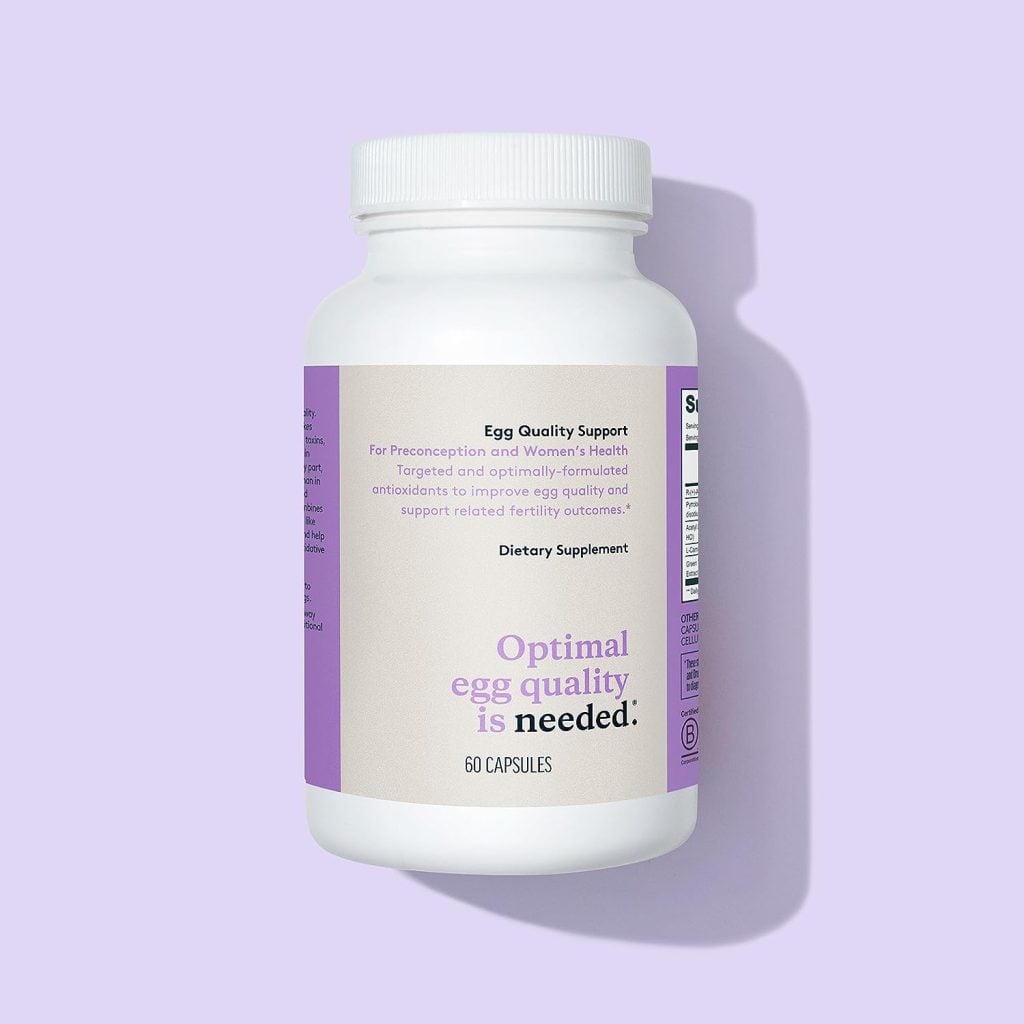
Needed Egg Support Plan includes their egg support supplement and CoQ10 to support your egg quality in your prep to conceive. Use code MAMASTEFIT for 20% off your first order or three months of your subscription.
Tarrah: It’s worth it. Interestingly enough, too, when I’m pregnant, I don’t know what it is. I don’t know what it is when I’m pregnant, carbs are the biggest turnoff to me and I’m almost like I’m doing it right now with my third pregnancy. I basically just go keto and I don’t even try. It’s just the only thing I want.
I don’t know what it is, but when I eat carbs, I just feel like crap. And I don’t know if it’s elevated progesterone, you know, keeping me from processing it or digesting it quickly enough. It’s so bizarre to me, but it’s so funny how I feel completely comfortable doing AP for most of my pregnancy, I felt great because there are certain things that I just didn’t want. But I’m like, you, I could never do AP forever.
Gina: If it’s like a short-term diet for me, it’s definitely not the way that I want to eat for the rest of my life. I could just not crave carbs during pregnancy. I feel like that’ll be great. That’s literally all I crave. It’s like, I’m like pasta, sandwiches, but I eat all of the carbs for every meal and then randomly crave a salad.
Tarrah: There’s nothing wrong with that. I mean, I’m craving bacon and, you know, all the things that are also on the flip side of that, right?
Tarrah's Advice for our Readers
Tarrah: Yeah, so I’ll start with the breast implant illness. Look into it. There are so many websites. Just started looking into it. If you feel like this could be playing into your miscarriages, I did not discount anything. I looked into anything and everything because I wanted to make sure I was supporting my body as I fully could.
From an IVF perspective, find out from your company what they offer. One of the reasons that I came to my company six years ago is that they offer a $50,000-lifetime benefit for fertility, $50,000. So, my entire in-vitro journey was covered because it was very expensive. So I highly recommend finding out if your company offers something like that.
And honestly, if you’re looking at fertility, start looking into companies that offer fertility benefits. There are tons of them out there now. So, it’s kind of an amazing thing. I know the military offers fertility through certain hospitals like I know Womack and Fort Bragg does. So, there are so many opportunities out there if it’s something that you’re really looking for.
The biggest thing I can say from an advice perspective is to be your own advocate and do not stand down because there are a lot of doctors that have seen a lot of miscarriages because it’s one in four, right? One in eight couples experiences infertility. One in four women will have a miscarriage in their lives.
And so they become almost hardened to it. They see it every day, just like I see, you know, technology every day. But this is your life. These are your babies, this is your body. So be your own self-advocate. Trust your powerful intuition. I knew deep down something was wrong, so I would totally recommend asking for blood clotting disorder tests, typical fertility testing.
I would definitely ask for genetic screening. Most miscarriages we talked about are due to chromosomal abnormalities so they can do carrier-type testing for both you and your husband. Insurance actually does cover, so make sure you check on that and then ask for, you know, also internal testing like hysterogram, hysteroscopy, just to make sure that everything’s functioning properly.
Also, I would highly recommend seeing a reproductive endocrinologist if your OB or the fertility specialist in your clinic isn’t getting you to the point that you want to get it, see if you can get a referral or just find one on your own. There are some amazing ones out there. Really pay attention to the form of folate that you’re taking.
There are so many great prenatal vitamins with the actual active form of folate versus folic acid. Take care of your body. We talk about this all the time. Sleep, eat, nutrient-dense foods, exercise, get lots of sunshine and movement.
And then my number one thing to do is take care of your mental health, and seek a therapist to help you with grief or the struggles of infertility that has been literally a godsend for me.
It sounds like it was for you, too, Gina, and just really also seek out support from other women who’ve gone through this. And I can’t thank you enough for everything that. You’ve been for me going through this and working with you through, “Hey, I’m going to have to have a C section, help me out.” And it’s just that whole community aspect of we’ve been through this and we’re going to support each other through thick and thin.
Gina: Absolutely. So, if you’re reading this and you are going through infertility or secondary infertility, just know that you’re not alone. There are tons of us out there who are going through a similar experience as you. All of our experiences are unique and we are all individuals, but we do have this shared experience and you are not alone in this journey.
So, thank you so much, Tarrah for sharing your story. I think that’s probably the biggest thing that’s going to help others is being open about our losses so that other people can know that they’re not alone. The more that we share about it, the more exposure it gets and the more awareness and community that we can build.
MamasteFit Prep for Birth Courses
We would love to support you as you navigate your pregnancy and prepare for your birth. Our online childbirth education course and prenatal fitness programs come with lifetime of the program access, so you can use it for this pregnancy and future ones.
If you have a pregnancy loss while doing one of our programs, if you are within 30 days, we can either refund you entirely or pause your program until you feel ready to resume. If you are outside of 30 days of purchase, we can pause your program until you feel ready to resume.
We honor that pregnancy loss is such an individual experience–how you deal with loss will be different than how I have dealt with my own losses, but know that you are not alone, and we are here for you with our community.