

My Pregnancy After Loss Story
I have had two pregnancy losses and am currently pregnant for the second time after those losses. We had our rainbow baby in the midst of the COVID pandemic in June 2020 and are looking forward to meeting our next rainbow baby this September 2022.
Our first loss was in the beginning of 2019. We had been trying for several months, and with a pending deployment were excited to find out we were pregnant. I felt really anxious and uneasy during this pregnancy, and we found out at 9 weeks that the pregnancy was not viable.
I felt fortunate that my providers were so compassionate with our loss, and we had a lot of time to process what was happening.
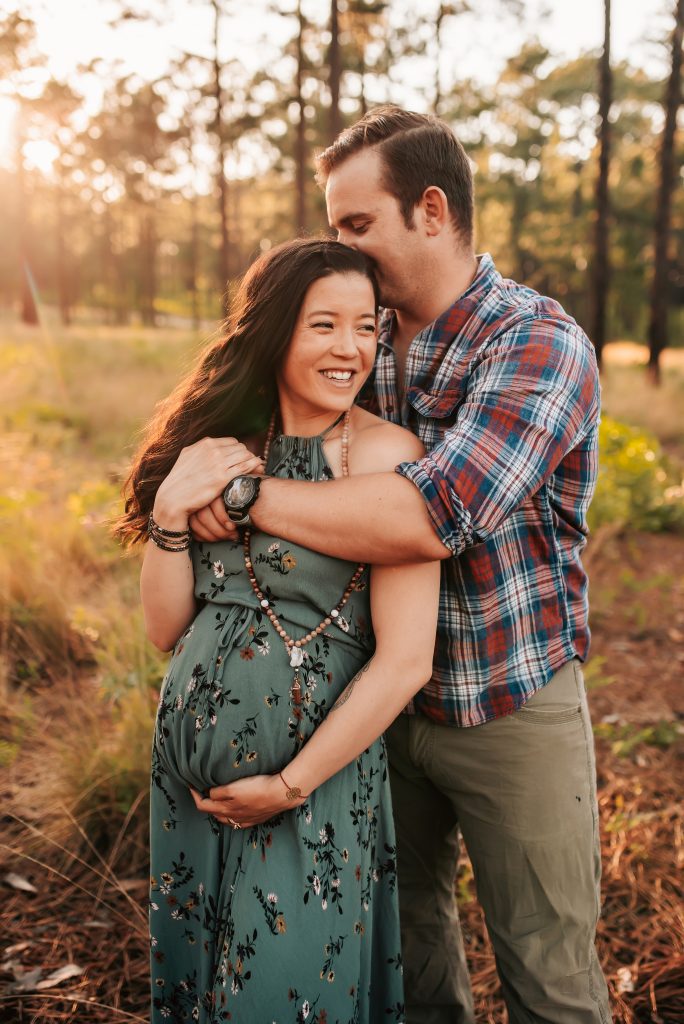
Our second loss was several months later after my husband returned from deployment. We found out we were pregnant, and I rushed to the clinic to get a blood test to confirm. Our pregnancy was confirmed, and we started to prepare for our second child. But, unfortunately, a few days later, I started to miscarry, and we lost this pregnancy around five weeks.
After our second loss in a row, my provider ordered a full bloodwork panel to identify if there was an issue. We discovered that I had elevated thyroid antibodies which may be associated with an autoimmune issue and associated with recurrent miscarriage. I don’t know if my losses were connected or if it was a coincidence.
After learning this, my husband and I started an autoimmune diet to help with my levels, and I started taking supplements with my provider’s recommendations to support my thyroid health.
We felt ready to try to conceive again right away, and we got pregnant with our son the very next cycle.
My first pregnancy after the losses was filled with anxiety and concern. Here are some tips that may help you navigate pregnancy after loss.
5 Tips for Navigating Pregnancy After Loss
1) Seek out the reassurance you need (like extra testing and ultrasounds)
After our second loss, our provider did weekly ultrasounds with me until I hit my second trimester. This allowed me to see our baby, see a heartbeat every week, and know the pregnancy was still progressing well.
We didn’t know that the pregnancy was not viable until we had an ultrasound at 9 weeks during our first loss. So seeing our baby was really important because even though I was still pregnant, I had no idea that the pregnancy had ended in our first loss.
Our provider included the ultrasounds in my prenatal care the first pregnancy after loss, and in this current pregnancy, I paid to go to a weekly appointment at a private ultrasound clinic starting at 7 weeks until 10 weeks.
Discuss some things that may help you feel extra reassurance with your provider and partner!
2) Be gentle with yourself as milestone dates approach
As I approached milestone dates, particularly dates I had had my previous losses, I felt more anxious. After those dates would passed, and my pregnancy was still going well, I felt like a weight had been lifted off my shoulders.
Until the next milestone date.
I found accepting that I was more nervous and it was okay to be more anxious, was helpful for me.
3) Talk to your practitioner and partner about how you are feeling so they can best support you.
During our first pregnancy after loss, my providers were amazing at listening to my concerns and providing ways that they could better support me. I felt really cared for as I navigated pregnancy after loss.
I feel more confident in this current pregnancy and am thankful for a compassionate provider.
My partner and I will discuss things that make me nervous during pregnancy, and he supports that my anxiety may contribute to me acting a certain way.
He also went through two losses, so asking him how I could support him, such as ensuring he could go to my prenatal appointments.
4) Communicate on your own terms
You don’t owe anyone any news. If you feel comfortable sharing, share. If you want to keep things more private, keep them more private. You don’t NEED to share anything!
I chose to be more public with our pregnancy announcements earlier, even after losses because I found having told my friends and family about our pregnancies meant that I had so much more support when we had our losses.
I also found that sharing my story helped others who had also had a loss but felt alone in their loss. It was like we had this secret society that no one talked about, so it was comforting to know I was not alone.
But, it is up to you to decide when and if you even want to share about your pregnancy journey.
5) It’s okay to wish you were at the end of your pregnancy, not the beginning
It can be harder to enjoy the journey when you have had a loss. That feeling of invincibility is gone, and anything could happen, even to you. I felt more anxious my two pregnanies after my losses, and the bliss of ignorance was now gone.
It took me a few months before I felt like I could connect with my baby, and I felt sad that I felt disconnected from the experience. The best advice I ever received was: “I never regretted boding with my baby, even though I lost them.”
If I had another loss, being disconnected would not make it hurt any less.
Take it one day at a time, and celebrate the time you have with your baby.