TRAINING FOR TWO

Move Confidently in Pregnancy!

NEW COURSE! ‎ ‎ ‎ ‎ ‎‎ ‎ ‎ ‎ ‎ ‎ ‎ ‎ ◆ ‎ ‎ ‎ ‎ ‎‎ ‎ ‎ ‎ ‎ ‎ ‎ ‎ Pelvic Biomechanics ‎ ‎ ‎ ‎ ‎‎ ‎ ‎ ‎ ‎ ‎ ‎ ‎ ◆ ‎ ‎ ‎ ‎ ‎‎ ‎ ‎ ‎ ‎ ‎ ‎ ‎ for Pregnancy and Birth. ‎ ‎ ‎ ‎ ‎‎ ‎ ‎ ‎ ‎ ‎ ‎ ‎ ◆ ‎ ‎ ‎ ‎ ‎‎ ‎ ‎ ‎ ‎ ‎ ‎ ‎ NEW COURSE! ‎ ‎ ‎ ‎ ‎‎ ‎ ‎ ‎ ‎ ‎ ‎ ‎ ◆ ‎ ‎ ‎ ‎ ‎‎ ‎ ‎ ‎ ‎ ‎ ‎ ‎ Pelvic Biomechanics ‎ ‎ ‎ ‎ ‎‎ ‎ ‎ ‎ ‎ ‎ ‎ ‎ ◆ ‎ ‎ ‎ ‎ ‎‎ ‎ ‎ ‎ ‎ ‎ ‎ ‎ for Pregnancy and Birth. ‎ ‎ ‎ ‎ ‎‎ ‎ ‎ ‎ ‎ ‎ ‎ ‎ ◆ ‎ ‎ ‎ ‎ ‎‎ ‎ ‎ ‎ ‎ ‎ ‎ ‎ NEW COURSE! ‎ ‎ ‎ ‎ ‎‎ ‎ ‎ ‎ ‎ ‎ ‎ ‎ ◆ ‎ ‎ ‎ ‎ ‎‎ ‎ ‎ ‎ ‎ ‎ ‎ ‎ Pelvic Biomechanics ‎ ‎ ‎ ‎ ‎‎ ‎ ‎ ‎ ‎ ‎ ‎ ‎ ◆ ‎ ‎ ‎ ‎ ‎‎ ‎ ‎ ‎ ‎ ‎ ‎ ‎ for Pregnancy and Birth. ‎ ‎ ‎ ‎ ‎‎ ‎ ‎ ‎ ‎ ‎ ‎ ‎ ‎◆ ‎ ‎ ‎ ‎ ‎‎ ‎ ‎ ‎ ‎ ‎ ‎ ‎
Written by

Gina Conley, MS

SPD Pain Relief Workout: Safe Exercises for Pelvic Pain in Pregnancy

Pelvic pain, especially symphysis pubis dysfunction (SPD), can make pregnancy and postpartum movement uncomfortable. If you’re struggling with SPD, you’re not alone—many expectant mothers experience this condition due to pelvic instability and muscle imbalances. The good news is that targeted exercises can help relieve pain, improve stability, and allow you to move more comfortably.

In this post, we’ll explore an SPD pain relief workout designed to strengthen the pubic symphysis joint, promote pelvic alignment, and enhance single-leg stability for movements like walking, climbing stairs, and lunging. Let’s get started!

Subscribe to our YouTube Channel for more weekly workouts and educational videos!  We publish one new workout video and 2-3 educational videos a week on our channel.

Understanding SPD and Its Causes

The pubic symphysis joint is located in the front of the pelvis. During pregnancy, hormonal changes, especially an increase in relaxin, can cause shifts in pelvic alignment, leading to pain and discomfort. Two key factors contribute to SPD pain:

  1. Pelvic Position Imbalance – Pregnancy often exaggerates a natural postural tendency where the right half of the pelvis shifts backward while the left half shifts forward, leading to torque at the pubic symphysis.
  2. Muscle Coordination Issues – The muscles that stabilize the pubic symphysis joint—including the anterior oblique sling (chest, obliques, inner thighs) and the lateral sling (glutes, inner thighs)—may not be working together effectively.


The goal of this workout is to target these key muscles and improve pelvic stability, reducing SPD pain.

Warm-Up: Activating Your Core and Pelvic Floor

Before jumping into the workout, we’ll begin with a warm-up that enhances deep core engagement, pelvic positioning, and muscle coordination.

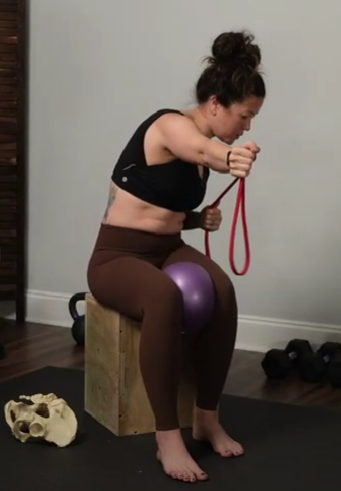
Diaphragmatic Breathing with Core Activation

Equipment: Soft object (Pilates ball, yoga block, or pillow)

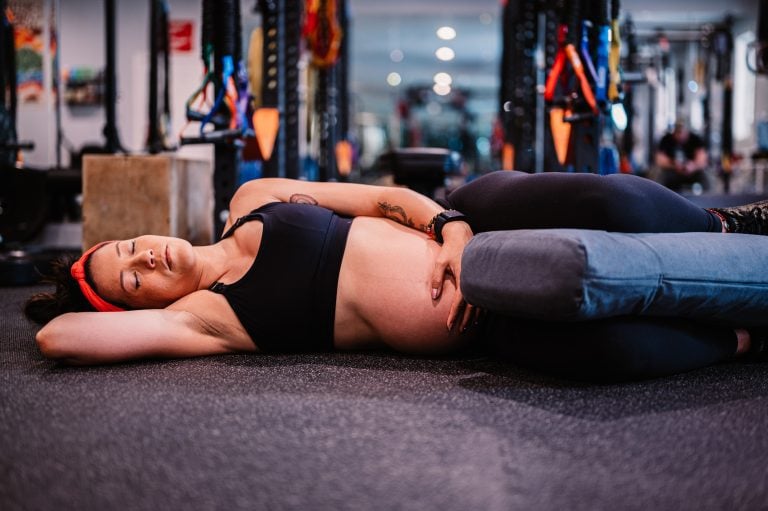
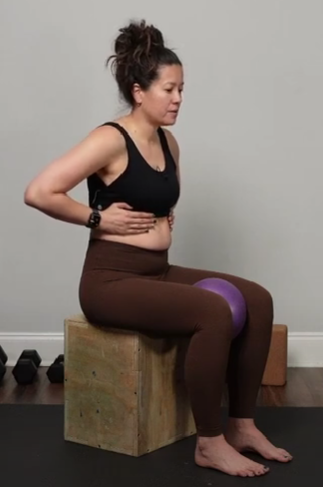
  1. Seated Position – Sit upright with feet parallel. Place a soft object between your thighs.
  2. Breathe into Your Hands – Place your hands on your ribcage and take deep breaths, expanding the ribcage on the inhale.
  3. Pelvic Floor Engagement – On each exhale, gently squeeze the ball and pull your belly toward your spine.
  4. Repeat for 5 breaths.


💡 Why this works: Proper breathing improves core coordination, stabilizing the pubic symphysis joint.
Hip Shift Activation

Equipment: Step or low platform

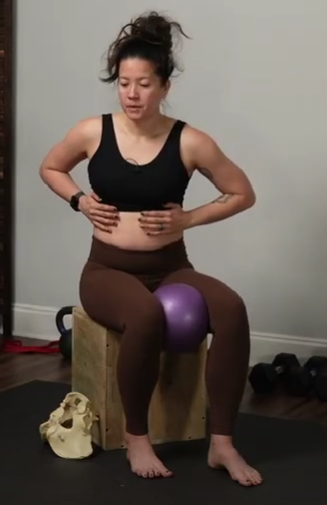
  1. Find Your Natural Position – Sit down and observe your hip alignment.
  2. Shift & Engage – Move your left hip forward and right hip back (to counteract common pregnancy misalignment).
  3. Breathe & Squeeze – Breathe deeply, then exhale while squeezing the soft object.
  4. Switch Sides – Reverse the movement and repeat.


💡 Why this works: This realigns the pelvis to reduce torque at the pubic symphysis joint.
Banded Row for Core and Pelvic Stability

Equipment: Resistance band

  1. Kneeling Position – Place your left knee forward and right knee back.
  2. Grab the Band – Hold a resistance band anchored in front of you.
  3. Pull & Rotate – Exhale as you pull the band back with your left arm while rotating toward your left knee.
  4. Engage Core – Focus on activating the left obliques and keeping your hips stable.
  5. Perform 8 reps per side.


💡 Why this works: Strengthens the core, obliques, and lateral sling to stabilize the pubic symphysis joint.
Core & Lower Body Strengthening Exercises

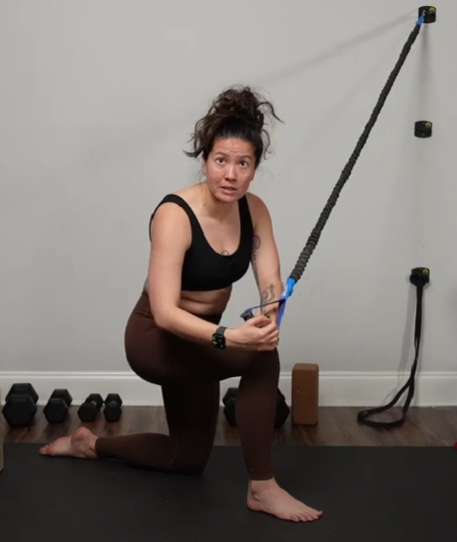
1. Diagonal Banded Pull Down (Targets anterior oblique sling)

Equipment: Resistance band

  1. Kneeling Position – One knee forward, the other down.
  2. Reach Up & Pull Down – Grab the resistance band and pull diagonally toward your front knee, engaging your obliques.
  3. Breathe & Engage – Exhale as you pull, activating your core.
  4. Repeat for 8 reps on each side.


💡 Why this works: Strengthens obliques & inner thighs, improving pubic symphysis stability.
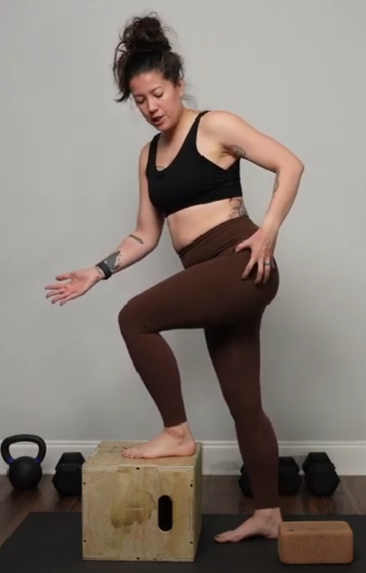
2. Step Down Exercise (Builds single-leg stability)

Equipment: Step or low platform

  1. Start on a Step – Place one foot on a step or low platform.
  2. Controlled Step Down – Slowly lower the opposite foot while keeping your belly close to your thigh.
  3. Step Up & Repeat – Push back up and repeat.
  4. Switch Sides & Perform 10 reps per leg.


💡 Why this works: Improves hip stability for pain-free walking and stair climbing.
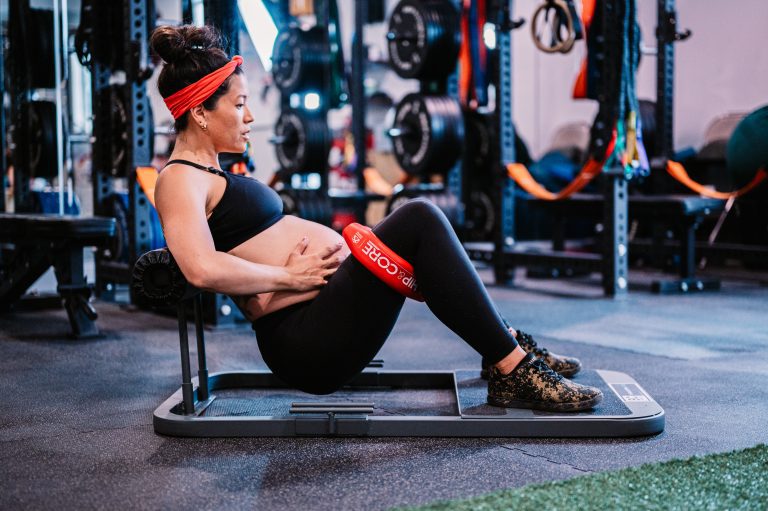
3. Staggered Stance Squats (Enhances pelvic stability)

Equipment: Resistance band

  1. Loop a Band Around Your Inner Knee – This activates the adductors for pelvic stability
  2. Take a Small Step Back – Keep knees stacked over ankles.
  3. Lower into a Squat – Inhale as you lower, keeping knees aligned.
  4. Exhale & Stand – Push up and repeat.
  5. Switch Legs & Perform 10 reps per side.


💡 Why this works: Engages inner thighs & glutes—key stabilizers for the pelvic floor.

Final Thoughts: Pain is NOT a Requirement of Pregnancy

Many people believe that pelvic pain during pregnancy is inevitable, but that’s simply not true! With proper alignment, strengthening, and movement retraining, you can manage and reduce SPD pain for a more comfortable pregnancy and postpartum experience.

Looking for more guided workouts and progressions? Check out MamasteFit’s Pelvic Stability Program—an online resource designed to help you move pain-free through pregnancy and beyond.

📌 Use code YOUTUBE10 for 10% off all programs at MamasteFit.com.

Remember, pain relief is possible—you don’t have to just “wait until birth” to feel better. Start moving smarter today!

Prenatal Support Courses