

Table of Contents
Welcome to the MamasteFit Postpartum Weekly Updates! In this episode, we delve into what you can expect at 2 weeks postpartum. In this episode, we dive into the changes and experiences common in the second week after childbirth. From the continuation of vaginal bleeding to night sweats and headaches, we break down what to expect physically and mentally. We also discuss baby’s development, including changes in vision and the possibility of the umbilical cord falling off. Additionally, we offer guidance on when to contact your healthcare provider, the importance of hydration, and safe movement tips to support long-term healing. Tune in for expert advice, helpful tips, and essential resources to support your journey in the early days of motherhood.
Subscribe to our YouTube Channel for more weekly workouts and educational videos! We publish one new workout video and 2-3 educational videos a week on our channel.
Changes in Your Body at 2 Weeks Postpartum
Vaginal Bleeding
Your bleeding should be less heavy than in week one.
The color may shift from bright red to darker red or brown, which is a sign of healing.
Around days 7-10, you may notice an increase in bright red blood due to the placental scab coming off—this is normal, but if the bleeding persists or increases, contact your healthcare provider.
Overexertion may also cause increased bleeding, so monitor activity levels and prioritize rest.
Night Sweats and Hydration
Due to hormonal changes and your body shedding excess fluid, you may experience excessive sweating, especially at night.
Keep a large water bottle nearby to stay hydrated and consider electrolyte supplements to maintain hydration levels.
Headaches
These can be caused by sleep deprivation, dehydration, or hormonal changes.
If a headache does not resolve with hydration or over-the-counter pain relievers, reach out to your provider as it could be a sign of postpartum preeclampsia.
Ensuring proper posture while feeding the baby and getting brief moments of rest when possible can also help reduce tension headaches
Healing of Stitches and Tears
First and second-degree perineal tears should be mostly healed by the end of week two.
If you experience persistent pain, discomfort, or unusual bleeding, you may have granulation tissue, which should be checked by a healthcare provider.
Third and fourth-degree tears may take longer to heal, and using perineal balms may help alleviate itching.
Sitz baths with warm water and Epsom salt can provide additional comfort and promote healing.
Baby’s Development in Week Two
Feeding and Growth
Babies go through a growth spurt towards the end of the second week, which may result in more frequent feeding (cluster feeding).
By the end of two weeks, your baby should have regained their birth weight, allowing them to sleep for longer stretches.
Breastfeeding mothers may notice an increase in milk supply in response to cluster feeding.
Umbilical Cord and Circumcision Healing
The umbilical cord stump may fall off between 7-14 days.
If the area around the stump becomes red, has a foul odor, or produces pus, contact your pediatrician.
Allow the umbilical cord area to air dry and avoid submerging it in water until it has fully healed.
Tear Duct Development
Around the second week, babies develop their tear ducts, and some may experience blocked ducts, leading to eye discharge.
Gently massaging the inner corners of their eyes and using breast milk (if available) can help clear blockages.
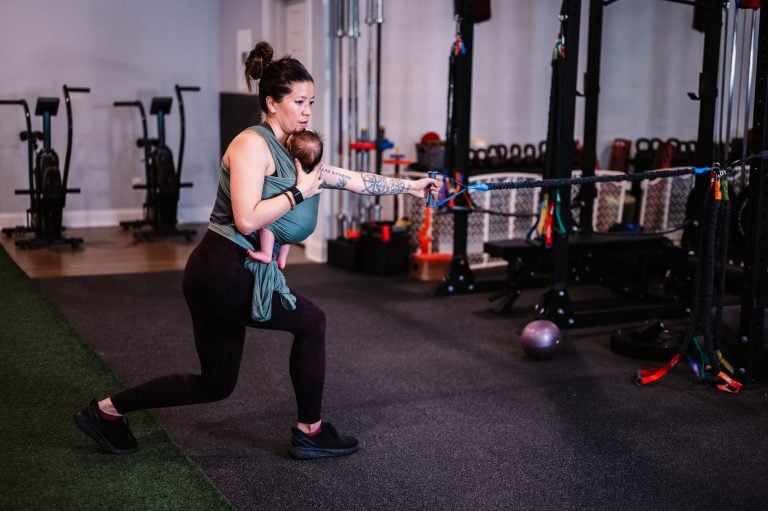 App program · 16 weeksPostpartum Return to FitnessSixteen weeks of rebuilding, four strength sessions a week, with a vaginal or cesarean recovery track and follow-along videos for the first six weeks.Learn more
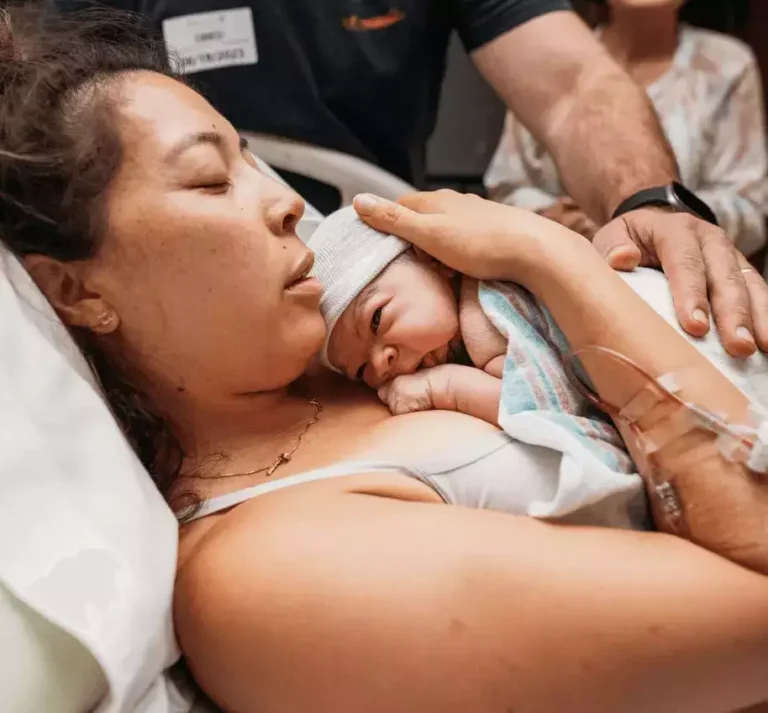 Video course · 3+ hoursC-Section Scar MobilizationOver three hours of video on scar mobilization technique and movement for recovery, plus a live webinar every other month you can attend or watch back.Learn more
 App program · 16 weeksAfter C-Section Recovery WorkoutSixteen weeks of cesarean-specific rebuilding with scar mobilization included — developed with physical therapist and two-time c-section mom Casey.Learn more
Movement and Recovery
Exercise and Activity
By week two, you may start feeling a bit better, but it’s crucial to avoid overexertion.
Gentle activities like diaphragmatic breathing and short walks (10-15 minutes) are recommended.
Monitor bleeding—if it increases after activity, take more time to rest.
Supportive Garments
Wearing postpartum support garments like perineal support bloomers or leggings with gentle compression can help provide comfort as you increase movement.
- Avoid high-pressure garments marketed to “shrink your waist,” as they may harm your recovery. Instead, choose garments that provide gentle compression to support your abdomen and back.
Final Thoughts
Week two postpartum is a time of gradual adjustment. While you may start feeling better, it’s essential to take it slow and allow your body to heal. Monitor your symptoms, stay hydrated, and listen to your body’s cues.
For additional support, consider joining a postpartum recovery program or fitness plan designed to help you safely regain strength in the coming weeks.
Enjoy this time with your little one and take care of yourself!
 App program · 64 daysPostpartum Return to RunningSixty-four training days, four sessions a week, with plyometrics and running programming beginning at week seven — a structured way back to your first run.Learn moreMembership · ongoingBeyond Postpartum Strength TrainingAn ongoing subscription with a new training cycle every 6 to 10 weeks — strength endurance, max strength, then power, with deload weeks and running add-ons.Learn more
 App programTrain for a Marathon After BabyProgressive run workouts and strength training from 5K to the marathon finish — long runs, tempo work, easy miles, and a weekly pelvic stability session.Learn more