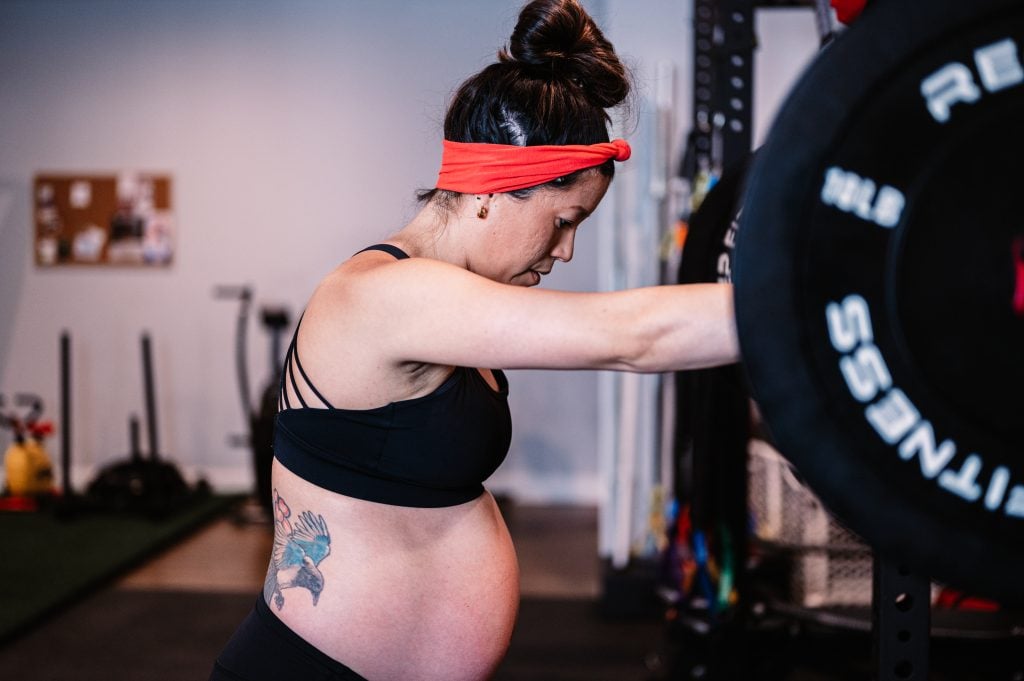
12-Minute Birth Prep Mobility Flow: Creating Space Throughout the Pelvis for Birth
Birth Preparation, Fitness, Prenatal
Preparing your body for birth involves more than just staying active during pregnancy. It’s about moving intentionally, improving mobility, and creating the conditions that allow your baby to move through the pelvis more efficiently during labor. In this mobility flow, I’ll guide you through a series of exercises designed to create space in every portion of the pelvis.
This 12-minute mobility flow focuses on improving pelvic movement patterns that support labor progression, fetal positioning, and pelvic floor balance. The exercises are gentle, effective, and accessible for most pregnancies.
Subscribe to our YouTube Channelfor more weekly workouts and educational videos! We publish one new workout video and 2-3 educational videos a week on our channel.
Why Pelvic Mobility Matters for Birth
One of the biggest misconceptions about birth preparation is that there’s a single “best” movement or position to open the pelvis. In reality, the pelvis is a dynamic structure with multiple levels and dimensions. Different movements create space in different areas of the pelvis.
There are four primary movement patterns that should be included in prenatal birth preparation:
Bilateral external hip rotation
Unilateral hip rotation
Unilateral pelvic rotation
Bilateral internal pelvic rotation
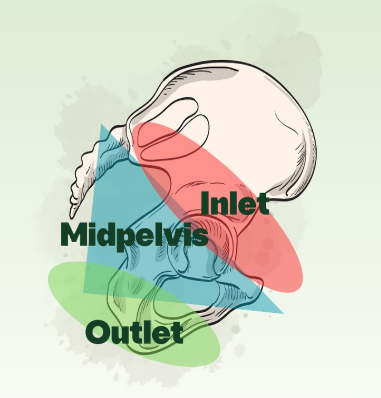
Together, these movements help improve mobility in the pelvic inlet, mid pelvis, and pelvic outlet — all critical areas your baby moves through during labor.
Before diving into the workout, it helps to understand how the pelvis functions during birth.
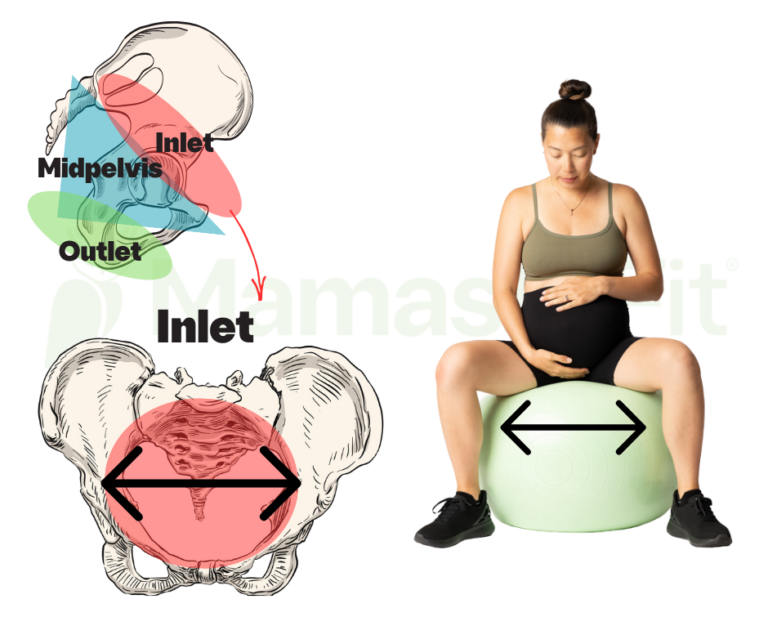
The Pelvic Inlet (Top of the Pelvis)
The pelvic inlet is the upper opening of the pelvis where the baby first enters. To create space here, movements that involve wider leg positions and external hip rotation are especially helpful.
Exercises that support:
Knees wide apart
External hip rotation
Pelvic tilting
can help improve both side-to-side and front-to-back space in the inlet.
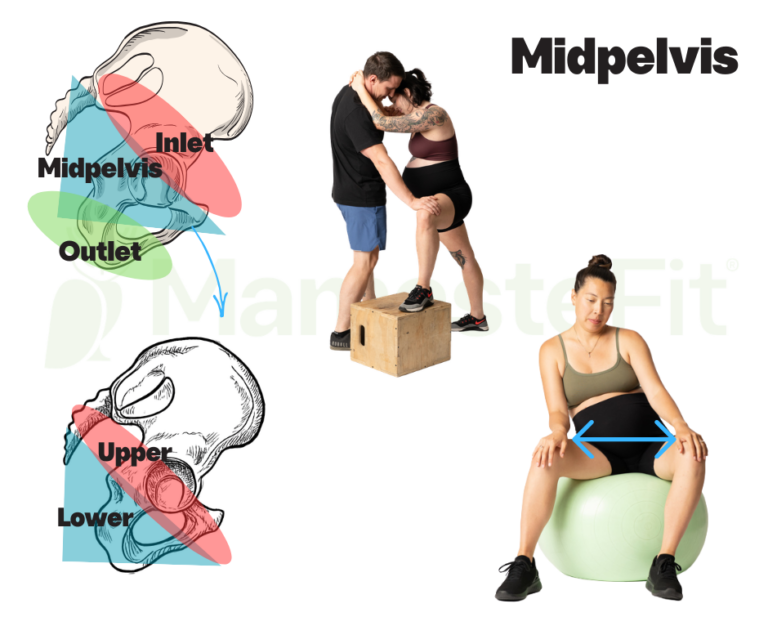
The Mid Pelvis
The mid pelvis is where many babies need to rotate during labor. This area benefits most from asymmetrical movement patterns.
This is why unilateral hip rotation and pelvic rotation exercises are so important. These movements encourage the pelvis to move dynamically and can help support fetal rotation.
The Pelvic Outlet (Bottom of the Pelvis)
The pelvic outlet is the lower opening where the baby exits during birth. Bilateral internal rotation exercises can help increase space here, especially when combined with breathing and pelvic floor relaxation.
Exercise #1: Frog Pose for Bilateral External Rotation
The mobility flow begins with a variation of frog pose.
This position places the knees wide apart while encouraging gentle external rotation through both hips. Some people may keep the toes together, while others may bring the ankles wider for a deeper stretch.
The goal is to create:
More mobility in the groin and inner thighs
Increased space in the pelvic inlet
Relaxation through the pelvic floor
A slight arch in the lower back may intensify the stretch, though some may feel more comfortable with a tucked pelvis instead.
Why This Matters for Birth
Bilateral external rotation helps widen the top of the pelvis, which may support engagement of the baby into the pelvic inlet.
The focus here isn’t forcing flexibility — it’s allowing the tissues to soften and adapt through intentional breathing and gentle movement.
Exercise #2: Tabletop Pelvic Tilts
From frog pose, the flow transitions into a tabletop position with the knees slightly wider and the toes together.
This movement alternates between:
Arching the back (anterior pelvic tilt)
Rounding the back (posterior pelvic tilt)
These pelvic tilts help create space in different areas of the pelvic inlet.
When the pelvis tilts forward, it creates more room in the front portion of the pelvis. When the pelvis tucks underneath, it increases space toward the back.
Benefits of Pelvic Tilts During Pregnancy
Pelvic tilts can:
Improve spinal mobility
Reduce stiffness in the lower back
Encourage better pelvic awareness
Support fetal positioning
Improve the ability to move dynamically during labor
This movement also allows pregnant individuals to notice where they feel restricted or tense.
The next portion of the flow introduces 90/90 hip mobility exercises.
In this position:
The front leg is externally rotated
The back leg is internally rotated
The movement alternates side to side while adding a side body stretch overhead.
This exercise improves:
Hip rotation
Thoracic mobility
Pelvic awareness
Asymmetrical pelvic opening
Why Asymmetrical Movements Matter
Labor is rarely symmetrical.
Babies often rotate and descend through the pelvis in asymmetrical patterns, which means the body benefits from practicing movement variability during pregnancy.
Exercises like 90/90 switches help improve adaptability within the pelvis and hips while reducing stiffness that can limit rotational movement.
Adding Hip Extension and Thoracic Mobility
The flow progresses by adding a reach-behind movement into a modified camel position.
This combines:
Hip extension
Thoracic rotation
Side body opening
Pelvic mobility
Many pregnant individuals experience tightness through the front of the hips and rib cage as pregnancy progresses. This mobility combination can help restore movement and reduce tension patterns that develop from posture changes during pregnancy.
Exercise #4: Pelvic Rotation with Foam Roller Support
The next section focuses specifically on pelvic rotation — how the pelvis moves on the femur in weight-bearing positions.
Using a foam roller for support, the exercise begins in a staggered stance with one knee pressing inward against the roller while the hips hinge backward.
This movement emphasizes:
Glute activation
Pelvic control
Internal pelvic rotation
Stretching through the posterior hip and pelvic floor
Open vs. Closed Hip Positions
Throughout the exercise, the pelvis rotates between:
An open hip position
A closed hip position
These transitions mimic the dynamic movement demands of labor and help improve control throughout the pelvis.
The supported stance also helps individuals safely explore deeper hip motion without feeling unstable.
Exercise #5: Hip Airplanes
The mobility flow then advances into hip airplanes.
Hip airplanes are a balance-based pelvic rotation exercise performed on one leg. The body rotates between open and closed hip positions while maintaining stability through the standing leg.
Benefits include:
Improved pelvic control
Better balance
Increased hip mobility
Enhanced glute activation
Dynamic pelvic floor lengthening
For those who need more support, the back toe can remain on the ground.
Why Stability Matters in Birth Preparation
Mobility without stability can create compensation patterns.
By combining balance and rotation, hip airplanes train the body to move efficiently while maintaining strength and control — both of which are important during labor positions and pushing.
Addressing Common Pelvic Asymmetries
One particularly valuable portion of the flow addresses common right-side asymmetries.
Many people naturally live in:
More right hip internal rotation
Reduced right glute activation
Uneven pelvic tension patterns
The modified foam roller setup helps activate the right glute while allowing deeper movement into the opposite hip.
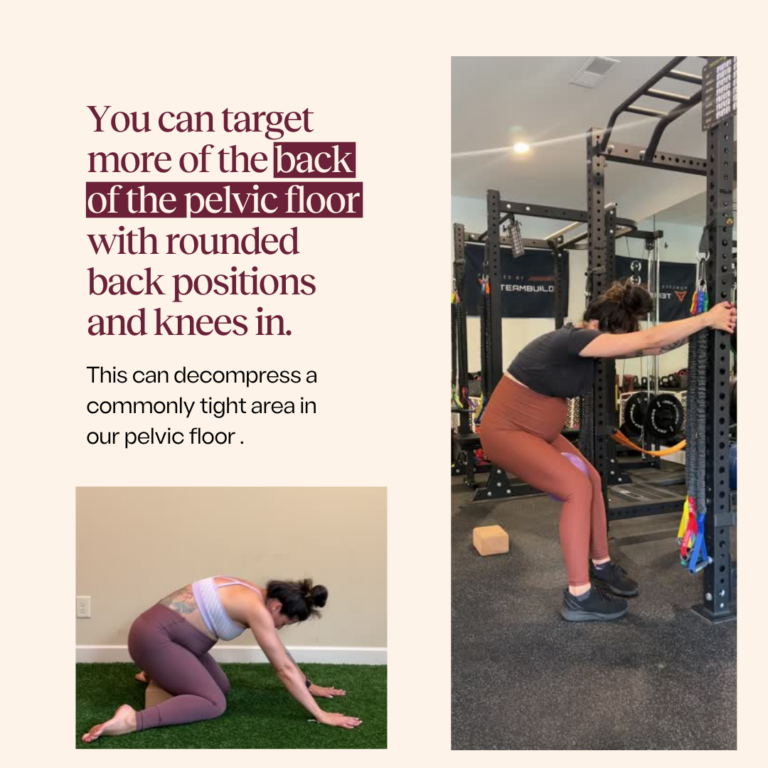
The final exercise targets the pelvic outlet using bilateral internal rotation.
With a foam roller or yoga block placed between the thighs:
The toes turn slightly inward
The pelvis tucks underneath
The body moves into a small squat position
Hands press into the wall for support
The focus shifts heavily toward breathing.
Each inhale expands into the lower back and pelvic floor, while the exhale gently activates the core and brings the rib cage and pelvis closer together.
Why Breathing Matters for Pelvic Mobility
Breathing is one of the most underutilized tools in birth preparation.
Intentional breathing can:
Reduce excessive pelvic floor tension
Improve pressure management
Enhance core coordination
Increase relaxation during labor
This final position combines mobility, stability, and breathwork to encourage expansion in the lower pelvis.
Creating Space Throughout the Entire Pelvis
What makes this mobility flow so effective is that it doesn’t focus on just one position or one muscle group.
Instead, it systematically addresses:
The pelvic inlet
The mid pelvis
The pelvic outlet
through a combination of:
External rotation
Internal rotation
Hip mobility
Pelvic rotation
Breathing mechanics
This comprehensive approach supports the body’s natural ability to adapt during labor.
Final Thoughts
Birth preparation isn’t about forcing your body into extreme flexibility or chasing the “perfect” exercise. It’s about improving your ability to move, rotate, breathe, and adapt.
This 12-minute mobility flow offers a practical, intentional way to support pelvic mobility throughout pregnancy while helping create the conditions that may support fetal positioning and labor progression.
Consistency matters more than intensity. Even a short daily mobility practice can help improve body awareness, reduce tension, and prepare the pelvis for the dynamic demands of birth.
Learn the science of pregnancy and birth to take the mystery of labor away! Understand why you are feeling what you feel, and learn strategies to confidently move through pregnancy and birth!
Find comfort and relief from pelvic girdle pain throughout your pregnancy and postpartum period! This program incorporates myofascial sling focused exercises to stabilize across the pelvic girdle joints.