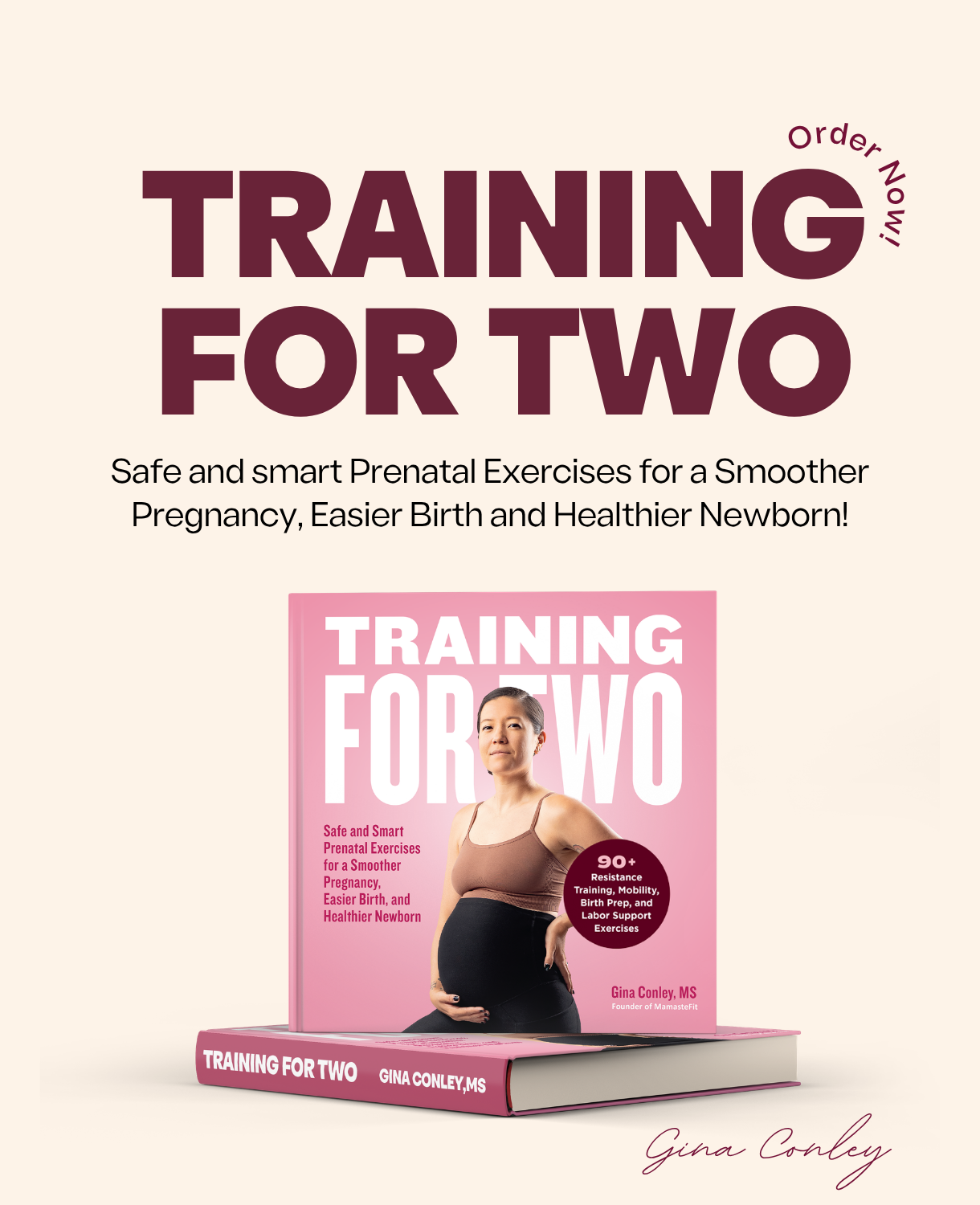
TRAINING FOR TWO

Move Confidently in Pregnancy!

NEW COURSE! ‎ ‎ ‎ ‎ ‎‎ ‎ ‎ ‎ ‎ ‎ ‎ ‎ ◆ ‎ ‎ ‎ ‎ ‎‎ ‎ ‎ ‎ ‎ ‎ ‎ ‎ Pelvic Biomechanics ‎ ‎ ‎ ‎ ‎‎ ‎ ‎ ‎ ‎ ‎ ‎ ‎ ◆ ‎ ‎ ‎ ‎ ‎‎ ‎ ‎ ‎ ‎ ‎ ‎ ‎ for Pregnancy and Birth. ‎ ‎ ‎ ‎ ‎‎ ‎ ‎ ‎ ‎ ‎ ‎ ‎ ◆ ‎ ‎ ‎ ‎ ‎‎ ‎ ‎ ‎ ‎ ‎ ‎ ‎ NEW COURSE! ‎ ‎ ‎ ‎ ‎‎ ‎ ‎ ‎ ‎ ‎ ‎ ‎ ◆ ‎ ‎ ‎ ‎ ‎‎ ‎ ‎ ‎ ‎ ‎ ‎ ‎ Pelvic Biomechanics ‎ ‎ ‎ ‎ ‎‎ ‎ ‎ ‎ ‎ ‎ ‎ ‎ ◆ ‎ ‎ ‎ ‎ ‎‎ ‎ ‎ ‎ ‎ ‎ ‎ ‎ for Pregnancy and Birth. ‎ ‎ ‎ ‎ ‎‎ ‎ ‎ ‎ ‎ ‎ ‎ ‎ ◆ ‎ ‎ ‎ ‎ ‎‎ ‎ ‎ ‎ ‎ ‎ ‎ ‎ NEW COURSE! ‎ ‎ ‎ ‎ ‎‎ ‎ ‎ ‎ ‎ ‎ ‎ ‎ ◆ ‎ ‎ ‎ ‎ ‎‎ ‎ ‎ ‎ ‎ ‎ ‎ ‎ Pelvic Biomechanics ‎ ‎ ‎ ‎ ‎‎ ‎ ‎ ‎ ‎ ‎ ‎ ‎ ◆ ‎ ‎ ‎ ‎ ‎‎ ‎ ‎ ‎ ‎ ‎ ‎ ‎ for Pregnancy and Birth. ‎ ‎ ‎ ‎ ‎‎ ‎ ‎ ‎ ‎ ‎ ‎ ‎ ‎◆ ‎ ‎ ‎ ‎ ‎‎ ‎ ‎ ‎ ‎ ‎ ‎ ‎
Written by

Gina Conley, MS

6 Exercises to Help Baby Drop Into Position for Birth

As you approach the final weeks of pregnancy, you might be wondering if there are exercises to help baby drop and get into an optimal position for birth. While it’s important to know that engagement—when your baby’s head enters your pelvis—doesn’t necessarily mean labor will start right away, supporting your baby’s position can make the birthing process smoother.

I’m Gina, a perinatal fitness trainer and birth doula, and today I’m sharing six powerful exercises you can do during pregnancy (and even in early labor) to help your baby drop into your pelvis, align for birth, and create more comfort for you in the process.

Subscribe to our YouTube Channel for more weekly workouts and educational videos!  We publish one new workout video and 2-3 educational videos a week on our channel.

Why Helping Baby Drop Into Position Matters

Think of your pelvis as a square hole and your baby’s head as a square peg—they’re designed to fit together. But if your baby’s head is tilted or twisted (think “diamond peg trying to fit into a square hole”), engagement can be more challenging.

There are three key things we want to focus on:
Releasing tension around the pelvis and uterus to allow baby to rotate easily.
Creating more space in the pelvis for baby to descend.
Improving rib cage mobility, since your rib cage impacts pelvic alignment.

These exercises target all three areas—helping you move better, breathe easier, and support your baby’s path into position.

Prep For Birth With MamasteFit

Grab our free Prepare for Birth Exercise Guide with six exercises we swear by to get ready for birth. These moves help your baby find a great position, open your pelvis, and release your pelvic floor—so you can feel more comfortable and confident heading into labor.

    We won't send you spam. Unsubscribe at any time.

    1. Back Expansion Breathing

    Pregnancy often leads to a more arched lower back, which can compress the space at the back of your pelvis and push baby forward against the pubic bone.

    How to do it:

    • Place a yoga block between your thighs, toes turned slightly inward.

    • Hold onto a stable surface (like a chair or countertop) and shift back into a small squat.

    • Tuck your pelvis under slightly and round your back.

    • Inhale deeply into your back, expanding your ribs.

    • Exhale and pull your belly gently toward your spine.

    • Option to do this from a tabletop position with the feet wider than the knees to highlight internal hip rotation.


    Why it works: This opens up the back of the pelvis, helping create space for baby to move into position.

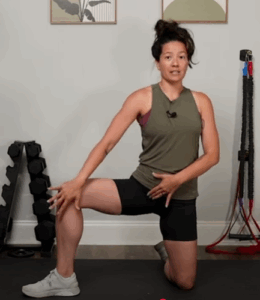
    2. Hip Flexor & Psoas Release

    Tight hip flexors can pull you into an exaggerated arch, restricting pelvic movement.

    How to do it:

    • Kneel in a half-lunge position.

    • Tuck your pelvis under (think “tailbone forward”).

    • Push your hips forward gently.

    • Reach your same-side arm overhead and lean slightly away from your back leg.

    • Hold for about 10 breaths, then switch sides.

    Why it works: This targets the hip flexors and round ligaments, helping your pelvis move freely and giving baby room to rotate.

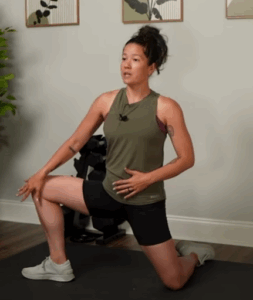
    3. Open Hip Lunge

    Your pelvis isn’t perfectly symmetrical—often the right hip sits back and the left hip sits forward. This move helps restore balance.

    How to do it:

    • Step one leg out into a wide lunge with your knee angled outward.

    • Keep your big toe planted as you gently press your knee away from your body.

    • Rock back and forth 8–10 times, then switch sides.

    Why it works: It releases tension in the inner thigh and groin, improving pelvic mobility.

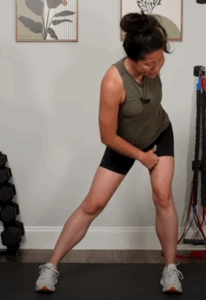
    4. Lateral Hip Shifts

    This adds a twist to your pelvis and rib cage, encouraging even more space for baby.

    How to do it:

    • Stand with feet slightly wider than hips, toes forward.

    • Hinge forward slightly at the hips.

    • Shift your weight to one side (you’ll feel the opposite hip stretch).

    • Add a gentle reach toward the foot you’re shifting toward for extra thoracic (upper back) mobility.

    • Alternate sides slowly.

    Why it works: Combines pelvic and rib cage movement—two key areas that influence baby’s engagement.

    5. 90/90 Side Body Stretch

    This exercise addresses pelvic asymmetry by opening one side of your body at a time.

    How to do it:

    • Sit in a 90/90 position (front leg bent at 90°, back leg bent at 90°).

    • Place your hand on the floor and let your side body “melt” toward the ground.

    • Breathe into your lower ribs, feeling them expand.

    • Exhale and allow your body to relax deeper.

    Why it works: Opens the right side body (often tighter in pregnancy) and helps your pelvis “reset.”

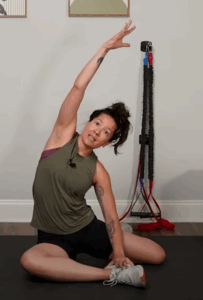
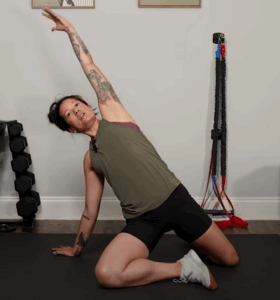
    6. 90/90 Side Camel

    A combination move for extra benefit.

    How to do it:

    • Stay in the 90/90 position.

    • Reach overhead to open your side body.

    • Press your hips forward to stretch the hip flexors.

    • Hold for several breaths.

    Why it works: Combines hip flexor release, pelvic opening, and thoracic mobility—all in one.

    Final Thoughts

    These six exercises may look different from the classic “do lots of squats” advice you’ve heard for helping baby drop. Squats are great, but there’s more to engagement than simply going low.

    These moves:
    ✔ Release tension around the pelvis and ligaments.
    ✔ Improve rib cage and pelvic alignment.
    ✔ Create space for baby to rotate and descend naturally.

    Consistency is key—doing these daily or a few times a week can help you feel more comfortable and confident as you prepare for birth.

    💡 Want more guidance? Our prenatal fitness programs include daily workouts designed to keep you strong, pain-free, and prepared for labor. Check them out and use code YOUTUBE10 for 10% off!

    Prenatal Support Courses