

Welcome to the MamasteFit Podcast! In this episode, Gina sits down with Tiffany Bellinger, founder of CoSleepy, to discuss how parents can safely bed share with their babies. They cover what bed sharing is and the stigmas surrounding it. Key safety tips are shared, including ensuring a sober and non-smoking environment, maintaining a firm and clutter-free mattress, and using the cuddle curl position. The episode also explores the benefits of bed sharing, such as improved sleep for both mom and baby and enhanced attachment. Tiffany provides practical advice and resources on setting up a safe sleep space and addresses common concerns about bed sharing and intimacy. As always listeners are encouraged to explore the options that work best for their families and are provided with numerous free resources to support their bed sharing journey if that is what they choose!
Read Episode Transcript
[00:00:00] Gina: Welcome to the MamasteFit Podcast. In this episode, we’re going to be talking with Tiffany from CoSleepy all about how you can bed share safely. Bed sharing is when baby is in bed with you on the same surface. And this is something that I personally do with my four children. My baby right now sleeps next to me as I curl around her and then I have the toddler behind me. And so you can do this safely, if it’s an option for you, this episode is not to say this is how everyone should sleep, by any means. If there’s anything that we do at MamasteFit, it’s that we support your decisions and whatever you choose to do based on what you believe is best for you and for your family. But we like to provide information on different options that you may or may not know about.
[00:01:29] Gina: Welcome to the MamasteFit Podcast. In this episode, we have Tiffany here who is from CoSleepy on Instagram, and we’re going to be talking all about bed sharing, which is different than co-sleeping, but some folks will consider bed sharing kind of the same thing as co-sleeping. So we’re going to talk about the difference between the two, and ways that you can do it to be safe in addition to sharing our personal experience.
[00:01:50] Gina: So thanks so much for being here, Tiffany.
[00:01:52] Tiffany: You’re welcome. I love following you on Instagram, so this is like a really big deal for me. Thank you for inviting me on here.
[00:01:59] Gina: It’s a huge deal for me, too. I’ve been following you for a while for all of your amazing tips, and I’ve been sending people your way because it’s scary to recommend bed sharing or to talk about it because there is a lot of stigma involved with bed sharing.
[00:02:12] Gina: So can you just introduce yourself to our listeners?
[00:02:16] Tiffany: Yeah, my name is Tiffany Bellinger and I have a big Instagram community at CoSleepy and a website with a blog. And all of my work that I’ve been putting out for the last, I’d say, five years or so is about how to safely bed share, which means your baby is literally in your bed- and we could go over terminology later if you want. But I just had such a hard time finding credible information about how to do it, back when I became a mom in 2018. And so I just started this work. I wanted to get this information out there so that other parents weren’t as stressed out as I was at 3 a.m., you know, on Google, trying to find like basic safety information. So yeah, I don’t know. I didn’t know where this path would lead back then, but I’m just so excited, and I just get to talk to families. Every day I talk to parents from all over the world because there’s people all over the planet just sleeping beside their baby, it’s like such a basic thing, and it’s sad that I have to have an account and a page to do this, but that’s the world we live in right now.
[00:03:19] Tiffany: So, yeah, I’m just here to help families do it safely if they want to.
[00:03:24] Gina: Absolutely. I know for me, and I’m probably, it’s probably the same for a lot of people, I did not plan on bed sharing with my first, like I did with my subsequent kids, but for my first, like all of the posters in the hospital and like everywhere you go is like baby on the back in a separate place. If you bring your baby into the bed, like you’re going to suffocate them, they’ll die.
And it’s like super scary about having baby in bed with you. And the only place that you’re like told they’re allowed to sleep is in this bassinet.
[00:03:55] Gina: And so I became a mom in 2017, so just a little bit before you. And I was struggling to get any sort of sleep. And so I would put my baby in her bassinet, she did not want to be there, she wanted to be held by me, that was where she slept best. And I would put her in there and then she would be fussy, I’d be trying to get her to go to sleep. And then I would take her out to nurse and then put her back. And it was like an all night thing of trying to get her to go back to sleep. And I was getting like no sleep at all. Like to the point where I was like almost like hallucinating, like delusional.
[00:04:29] Gina: And then I would fall asleep in the couch with her because I was so exhausted and then I would wake up in a panic because that’s not a good place. That’s not a safe place for that to happen. And so eventually I just brought her into bed and that worked for us. And I was like, “Okay, how do I make this safe for us?” She obviously can be in the bed with us. What do I need to think about? And so I was trying to like Google, “what do I have to do to keep my baby safe in the bed?”
[00:04:55] Gina: Cause there’s not that much information out there and you can do it safely. And it seemed like the only place that my baby could sleep. And so once we transitioned to bed sharing, I was sleeping so much better and my subsequent postpartums with my next three kids, I sleep so much better where the whole sleep deprivation of the postpartum is not as hard as it was the first time. Like I still have it because I’m still waking up frequently throughout the night, but it’s not, it wasn’t the same level of exhaustion as that first time. But it happened on the journey like about 2 to 3 months into it, because I didn’t know that I was allowed to do it. Did you start with bed sharing or did you start by putting baby in a separate surface?
[00:05:41] Tiffany: Yeah, we had a bassinet that I found. It was non toxic and very expensive. And, of course, I planned on putting my baby in there and everything would be fine, right? I would just continue on with my normal life, except I’d have a cute baby with me. That’s where my head was at the time. Clearly, that changed like night one when I came home and realized that he did not want to sleep in the bassinet. He was most comfortable on our chest or in our arms, or right next to us in bed.
[00:06:12] Tiffany: So no, I, just like you, I spent a lot of time doing research and trying to figure out how to make it safe. And I did see that in other countries, co-sleeping is the norm and they don’t have high rates of suffocation or SIDS or anything like that. It’s here in America and in other Western countries where they don’t give you any information on how to do it safely when you leave the hospital. That’s when accidents happen. And just as you mentioned, so many parents accidentally fall asleep holding their baby on the couch or the sofa or in a recliner, because they are so scared to bring their baby into their bed.
[00:06:49] Tiffany: They say, “Okay, I’ll just, I’d rather stay up and watch TV on the couch.” But at some point you’re going to fall asleep. You’re human. And as the levels of sleep deprivation, it’s just not physically possible to stay awake after a certain point.
[00:07:04] Tiffany: And so it’s much safer to be in the middle of your firm mattress that’s been completely cleared of all like duvets, pillows, stuff like that, which are suffocation hazards. That way, if your baby kind of slipped off of your chest, they’d land on the firm, clear mattress, instead of if you were on a sofa and they hit the ground or they got wedged between your back and a plush couch pillow, that’s very dangerous. And if you look into a lot of those articles in the news, the really scary ones that talk about quote, “co-sleeping deaths”, many of them happen on a couch or sofa. It’s not on your mattress that’s been like cleared out and where the parent is intentionally bedsharing. It’s always, almost always in the accidental situation when a parent didn’t know how to set it up safely or they just fell asleep or they weren’t sober, unfortunately, or something like that.
[00:08:01] Tiffany: But here in America, it’s so stigmatized that in those articles and when you read about these things, they don’t really break it down and tell you exactly what happened. They just say, “Parent was sleeping with baby and the baby died,” or something like that. And of course it’s terrifying to all of us.
[00:08:16] Gina: It is super, super scary, but there are ways to do it safely, if that is like what a family is choosing.
[00:08:23] Gina: And obviously it’s what works best for me and my family, and seems to work best for you and your family. And it’s not like what I’m telling like everyone to do by any means, cause not everybody wants to do it. But whenever I share that my kids sleep in bed with me, I have so many DMS of people saying, “I didn’t know I could do that. I do that too, but I felt like I wasn’t allowed to,” or, “How do I do this safely? Because this seems to work best for my family too.” And so I think there’s more of us that do it than we may be actually share, because there’s a lot of shame and stigma involved with it. So what are some, key things that someone needs to consider when they are going to bed share?
[00:09:03] Tiffany: I like to do it, look at three different things.
[00:09:05] Tiffany: First is the parent. You need to be sober and a non smoker, just because babies, whether they’re sleeping in a crib or in your bed, they’re gonna be predisposed to SIDS if one of their parents smokes. You need to be- not every parent can safely bed share. But after this, if you want, we can talk about other ways to co sleep where your baby is very close to you physically and you can reap the same benefits, but they’re not physically on your mattress. But as for bed sharing, the parent needs to be sober and a non smoker and they need to be wearing like light, loose, like breathable clothing. You wouldn’t want to wear like a fleece hoodie or something that if your baby’s face is going to be up against it, that could be like a suffocation risk or could cause them to overheat. And you need to tie your hair back if it’s long, so it doesn’t accidentally wrap around your baby’s neck or cover their face.
[00:10:00] Tiffany: And then I like to think the second thing is think about the baby. The baby should be healthy, born full term, and they should always be sleeping on their back. And that’s because we have really great research now after the SIDS epidemic back in the 80s and 90s. We know that baby sleeping on their back rarely, SIDS rarely happens to them, for a number of reasons. And so that’s why that’s the advice in cribs, and that’s also the advice when you’re bed sharing with your baby- make sure they’re on their back next to you. And you also want to dress them lightly too, just because they’re going to be up against your body so you might want to dress them a little bit lighter than you would otherwise, because they’re going to be getting your body heat all night long.
[00:10:44] Tiffany: And then the third thing is the actual sleep space. So your mattress needs to be firm, just like crib mattresses are extremely firm. You should try to invest in a firm mattress if you possibly can. Because babies are born with really big, heavy heads and little necks, weak necks that take several months that, develop enough strength to move it around. And so it’s much easier to move ahead on a firm mattress than a cushy, soft one. So if they got into a bad position where they weren’t getting enough air you want them to be able to move their head easily, so that’s why that’s important. And as I mentioned earlier just clear your mattress of pretty much everything except for a fitted sheet and you can use a blanket below your waist if you want, because it won’t be near your baby, but you want to make sure to keep those suffocation hazards away from your baby all night.
[00:11:37] Tiffany: And lastly, if you’re sleeping in the cuddle curl position, which is essentially the side lying breastfeeding position, where you’re on your side facing your baby and their head is level with your chest, so they could easily sort of latch on and nurse on and off throughout the night, that research shows that’s the safest position for you guys to sleep in your bed. Because it’ll physically, it’ll keep them close to your body, right where your breasts are, they’re going to hone in, as if it’s a target, and they won’t be crawling up and down the bed, getting into trouble on those pillows over there, falling off the side of the bed. Like we have video studies that show moms and their babies sleeping, like bed sharing overnight, and in every single case, the baby stayed right there with the mom. That’s why anthropologists and researchers believe this is an instinctual position that moms have been sleeping in for thousands and thousands of years. And it also helps you not be able to physically roll onto your baby because I know a lot of parents are afraid of that. Of course. But when you’re sleeping on your side with your knees bent in front of you and you have an arm right here that’s like underneath your pillow, it’s extended out from your body, you can’t roll forward in that position. You’re held up on your side in a very stable position. And so that’s another reason why that this is believed to be like the position for safe bed sharing that humans have been doing for so long. So yeah, those are the basics.
[00:13:04] Gina: That’s pretty much all the stuff that I’ve been doing. Other things that I am, like, usually very aware of is, entrapment risks. So, making sure that my bed isn’t pushed up against a wall. Or if it is, there’s something that prevents Baby from going into it, to include furniture that’s near the bed as well. And making sure there’s no cords, on the bed or near it. And then I actually have these bumpers on each side of the bed that I put underneath the sheet so that, baby doesn’t get pushed.
[00:13:33] Gina: Cause I also have a toddler in the bed with me. She sleeps to my back, and then it’s me, and then baby in front of me. And so I have that really there for her so she’s not flailing off the bed into, a gap. And then we actually shifted to a floor bed where we have, a mattress, or a frame down on the floor that makes our bed whatever the height of the mattress is, plus like two inches, which we have found to be like super helpful. Of course as soon as we got the floor bed though none of my kids fell off the bed. It was like when we had the high bed that they were like catapulting themselves off when they were like a year old. But the floor bed has been really nice because if they do roll off for whatever reason it’s like a foot.
[00:14:13] Tiffany: Exactly.
[00:14:15] Gina: But those were like other things that like I think about when I’m setting up my sleep space is, okay, I don’t want any cords near the bed. I want to make sure that they’re not going to get pushed into any gaps, like between the bed and the wall or the bed and furniture. And then I add the little bumpers that go underneath the sheet just to have a barrier, so they’re not getting pushed off. But yeah, I’m like in the center of the bed, I’m C curled around the baby, my toddler is to my back. Cause we get that question a lot like,
“How do I bed share with multiple kids?” That’s pretty much what I do is that they sleep behind me.
[00:14:49] Tiffany: That’s perfect.
[00:14:50] Gina: We actually have two beds in our room now where we have the king where I sleep with Toddler and Baby, and then we have a queen where my husband sleeps with our seven year old and our four year old. So they’re all just like dog piled together there. But those are like other things that I think about too, when it comes to bed sharing to keep it safe, because you can do it safely to where you can get a good night of sleep, like there’s no harm to you or your baby, and it actually can be like super beneficial.
[00:15:19] Gina: So what are some of the benefits of bed sharing? Cause obviously it’s more than just you get a good night of sleep, which is a huge benefit. I’m sure there’s some like developmental benefits or other things that research has seen to keep your baby close to you at night.
[00:15:32] Tiffany: Yeah, we know that babies attach through the senses in the beginning, because that’s all they have to work with.
[00:15:38] Tiffany: So when they can be up against a caregiver, like a mom, smelling her, hearing her all night, feeling her breathing up and down, her chest going up and down, tasting her milk, all the senses, that’s how they’re attaching and they’re feeling safe. And when babies feel safe, it’s really easy for them to fall asleep after they wake up in the middle of the night.
[00:15:58] Tiffany: So we have so much research on this by now. And there’s a lot actually in this book, Safe Infant Sleep by Dr. James McKenna, that’s just one of the best books we have on this topic. But he goes over all the research he did in his career on this with some of those video studies. And we just know, we know that moms sleep more, total throughout the night, than the mom who is getting up and putting her baby in a crib or a bassinet throughout the night.
[00:16:28] Tiffany: Bed sharing moms do wake up more often, but they’re not fully 100 percent awake, if that makes sense. Sometimes they’re helping their baby latch or they’re repositioning themselves, but they’re not fully awake. They’re doing things in their sleep, which is amazing, and it’s like a superpower. But you will get more sleep total if you think about it. Your feet don’t even have to touch the floor some night, you’re like horizontal in bed.
[00:16:55] Tiffany: I don’t know if you were like me, but we set up like a little changing station at the foot of the bed. So I wasn’t even like getting up and walking across the room to change my newborn baby’s diapers. I just did it all in the bed. And sometimes, since that wasn’t such a big deal, I was just scooting him over, sometimes he didn’t even wake up. So we were both getting a lot of sleep, and feeling extremely attached and connected. And, I don’t know, in my case, my baby was able to sleep anywhere, like with the TV on, outside when we were walking, or in a store, as long as I was there. I was like his home base. Like I, he associated sleep with me. So he could always sleep if I was there.
[00:17:36] Gina: My baby is the same way too. Like I could be baby wearing and she will nap like wherever we are, or I’ll be in the living room and the TV will be on and the kids will be playing and she’ll just nap right on my chest. It doesn’t matter what the surrounding noise is, if she’s like right here, she can pass out and sleep.
[00:17:57] Tiffany: Yeah, because you’re her safe place, you know what I mean? I feel for those moms who have to put their baby in the crib, use the blackout curtains, put on the sound machine, do a whole thing to get their baby to sleep. Like I feel for them because that’s just so much time and it’s very stressful.
[00:18:15] Tiffany: I’ve had some friends where they can’t go out for happy hour. They can’t meet us for coffee because they’re like, “Oh no. Like at nap time, I have to do this or it’ll mess up everything.” That’s just very stressful. And I personally just had a better mental health as a mom when I could go with the flow and just be a lot more relaxed about sleep.
[00:18:36] Tiffany: And so that’s why I think I just fell into bed sharing because yeah, you can do it anywhere, especially if you go to a hotel or someone else’s house, like your baby just needs you. You just need to lie next to them so that they can hear you breathing and smell you or whatever it is, and they’re out like that.
[00:18:53] Gina: Let’s take a break from this episode to hear about our podcast sponsor, Needed. Needed is a nutrition company that specializes in optimizing nourishment for the perinatal time frame. It is a brand that Roxanne and I have personally used during our pregnancies, our postpartums, and just life in general. It’s something that our mom uses, our husband uses, and so they’re a brand that we truly love and trust.
[00:19:13] Gina: One of my favorite products from Needed is their sleep and relaxation support. This was something that I used during my pregnancy and now in the postpartum to help me get deeper sleep throughout the night.
[00:19:22] Gina: And so with the sleep and relaxation support, it’s a powder that you put into hot water and it makes like a tea for you and then you just drink that at night and it can help you get deeper sleep a little bit faster. So it’s a product that I highly recommend, use it both during pregnancy and now during the postpartum to help me get some better sleep, cause I am all about getting some sleep, especially in this phase of life.
[00:19:42] Gina: If you want to check them out, you can check them out at thisisneeded.com and use code MAMASTEPOD to get 20 percent off your order.
[00:19:48] Gina: One of the other things that I learned about this postpartum was when Baby is like to your chest, it helps to tone their vagal nerve or help develop that as well, which I thought was like really interesting and made total sense of like why my baby preferred to be like either right next to me or right on me whenever she was sleeping. Like all of her naps have pretty much been contact naps, either like on my chest during the day or in the carrier, or like laying right next to me at night. And I didn’t know that it could actually help her nervous system development, which I thought was like, really cool. And it makes sense, if she’s in a more relaxed state, being right next to me, of course, she would have more of a nervous system development as well.
[00:20:30] Gina: Are there any other, benefits for bed sharing, In regards to those lines with like baby development, or is it really mostly like you get more sleep and it’s probably great for your mental health?
[00:20:41] Tiffany: Definitely that. But yeah, we just know that babies thrive in this situation, and a lot of them prefer to sleep on their parents chest in the beginning. And we don’t currently have video studies on that, on what happens throughout the night as a baby is sleeping, cause some moms, like I did this too, prop themselves up in the center of the mattress and let their babies sleep on their chest as it’s like sloped as they’re reclining. And so they have studies showing how other primate mammals do the same thing. Like the babies first cling to their chest and for a couple months, that’s where they want to be at all times, including sleep. And then after a little bit, they get a little bit physically stronger and can do side lying nursing. And they get more comfortable just being a little bit further away from their mom. And so they transition to sleeping beside their mom. And so for the first year or two, that’s how, primates, think of a big gorilla at the zoo, the mom’s sleeping right next to their baby in that C position, the cuddle curl position. So we have research on it. Some people will say well look at how humans do it and how they do it. It’s the same.
[00:21:44] Tiffany: But yeah, it just seems that it would make sense that we’ve, since humans have been doing this since the beginning of time or the beginning of our human species, that we would be benefiting from that. From first lying on our mother’s chest, like what you were talking about, strengthening those muscles getting everything ready, then being able to go on our side. And as time passes, you’re able to have more space, more physical space between you and mom. Because we know that when they are comfortable and have that firm foundation of attachment, then they are much more courageous and much more able to take risks and go out.
[00:22:24] Tiffany: I know a lot of people are worried about kindergarten, or just older kids. They’re like, “Are they still going to be in my bed when they’re in junior high?” I get those questions all the time. And no, from what we know with research, no. It’s usually about like age six or seven, they’re totally fine in their room, unless let’s say in your case, it just works better for everybody to be in one room, and it’s like a joyful thing. And it won’t last forever, but obviously your seven year old is happy there for now, so that’s great.
[00:22:51] Gina: She is. She has experimented with wanting to be in her own room, but she’s like such a snuggler. So I think like once the younger kids also want to be in their own room that she’ll explore it. Or like the two older ones are like going back and forth on if they want a bunk bed. And so they’re like, “Oh, like we should get a bunk bed,” but I’m like, “But you have to have a bunk bed in your own room.” And they’re like, “Oh…”
[00:23:14] Tiffany: I know.
[00:23:15] Gina: So eventually she’s going to transition out of our bedroom. Like she’s not going to be in the bed all the time. She’s enjoying it right now. It feels like a safe place for her. So I’m like, if she feels better here and she’s getting better sleep here because she’s next to us, like sleep is so crucial for their brain development and just their recovery and development overall.
[00:23:36] Tiffany: Exactly.
[00:23:36] Gina: And so if she’s getting a better night of sleep with us, and it works for us as a family, like might as well, if it works.
[00:23:46] Gina: One of the concerns that like I had at the very beginning was my husband is a super deep sleeper and I was like, I don’t want him to roll over and squish the baby and then potentially not wake up because he sleeps so deeply. And what I did, I would love to hear what your recommendations are too is, I just put him to my back, so he was always behind me, and I was like the barrier for baby, and that was how we bed shared with our first. And then when we had a second child, it was the same toddler, me, and then baby. And then, now they’re just in a separate, they have their own bed in the bedroom, and both the beds are pushed up together. And so he has the older kids and then it’s us. But there’s always like a barrier between him and Baby and is that what you would recommend for somebody who has like a partner sleeping in the bed too?
[00:24:39] Tiffany: Yes, it’s safest for at least the first year- when SIDS is a risk and they’re more vulnerable to like suffocation and stuff- it’s safest if the baby is just next to you. So your partner is either behind you, and so that means that if you switch sides during the night to nurse on the other side, let’s say you’ve got to tap your partner and have them move across the bed too. Teamwork, right?
[00:25:03] Tiffany: Or many couples do sleep separately. Your partner could put a mattress on the floor, or put a separate bed in the room, or they could even sleep in a different room. And I know that’s a whole issue because some people are like, “Hey, this works really well. Everybody’s getting more sleep and we’re all nicer to each other. Like my marriage is thriving!” And other people worry and say, “I feel like this would be a reflection on our marriage or a relationship, and so we’re going to be in the same bedroom.” And so everybody’s different. It’s just up to you.
[00:25:31] Tiffany: But, I personally have slept, my husband and I have slept separately during times, sometimes we’re in the same room. We just go with the flow. We just try to maximize sleep for all four of us and in whatever way that looks like.
[00:25:44] Gina: I figure I’m not talking to him in the middle of the night, so if he’s not in the same bed as me, it’s okay. Like I’m, we’re snuggling with the babies right now.
[00:25:53] Tiffany: Yeah. I totally love how you said basically everything you said. It’s perfect, and it’s exactly what the experts recommend like Dr. James McKenna in his book, but I don’t think you read his book, right? Didn’t you just instinctually feel safer doing this?
[00:26:09] Gina: Yeah. So a lot of the stuff that I was doing was just stuff that I felt like made sense to me. Like doing the C curl was just like the position that I found myself going into, which I thought was like really cool. And then as I was like Googling and like researching, like, “how do I do this safely?” Like the big things that came up was like entrapment risk, like making sure that you’re not drinking or smoking, Baby has to be full term, like no preterm babies, no medical complications. And so it was like all the things that I was already doing, I was like, “Oh, this is how I make it safe.” And then I was like, “This dude sleeps super deep. Like he is not disturbed at all by these babies. I will make sure that he’s behind me so I’m the barrier between him and the baby.”
[00:26:57] Gina: Another thing that people will sometimes message me about and they’re like, “I don’t know if this is too much information, but what do you do about intimacy? The bed is where like you and your husband are supposed to be intimate with one another.” and I’m like, “Well, we’re not intimate with each other at night, like when the babies are all around us, we just find time at other points throughout the day, or we go to a different room,” or, there’s ways that we can still be intimate with one another that’s not right in the middle of the night. And we do, we’ll occasionally go on a trip, just the two of us, to where, we can have a lot of, one on one time. But for us right now, like we’re not going to be intimate in the bed in the middle of the night because our kids are there and we’re tired! Like, we’re parents of four now. So that’s like another big question that I get is, “How do you stay intimate with one another?” And I think a lot of it is just, you just got to be creative and find other times during the day or other points. And, but yeah.
[00:27:57] Tiffany: Yeah, no, it’s simple, right? But I think people are just… sometimes people want to blame bed sharing and I get that because it’s a really hard season of life, or it can be, and so it’s really easy to say, “If the baby were in their crib like my friend, or everybody on TV”- because it just it really does feel like babies sleep easily in cribs, right? We know that’s not the truth, but that’s like how people act. So it’s easy to be like, “If our baby were a ‘good baby’ and were sleeping in his crib, then we could have our bed back and it could be like before we were parents.” Like the thing is, when you become a parent your sex life, like everything changes with your relationship, right? You’re like a new person.
[00:28:39] Tiffany: So even if your baby were sleeping in a crib, I think that your relationship with your partner would look different anyways. It just would have to evolve and change. But it’s, but do you see what I’m saying? It’s easier to just blame it on the baby being in your bed. So yeah, I think it takes some creativity, and willingness to think outside the box. And maybe it’d be easier to just stay in bed cause you’re so tired, but no, go leave the room, or safely stow your baby somewhere, or hire a babysitter, or think of a creative way to do it so that your baby will be safe, and then you can have time to connect with your partner.
[00:29:14] Tiffany: And the bumper thing, of course, you’re free to use too, but I also like to recommend mesh bed rails. Because that way if your baby rolls up against it, they can breathe through the mesh. You know what I mean? So just keep in mind, you use the bumpers under the fitted sheet, which so many parents do, just keep in mind that it’ll be important for them to sleep close to you in the cuddle curl so that they don’t accidentally roll over there and roll up against it because it’s as a solid kind of plush thing, it’s like a pillow. It’s like a suffocation risk.
[00:29:44] Gina: That makes sense. Yeah, it’s definitely more for the toddler, so she doesn’t like flail out of the bed in the middle of the night. Cause she’s like a wild child as she like is sleeping. But
[00:29:58] Gina: I just really love having them like all by me. Like bedtime is just so much easier for us at night cause we all just go to bed together. There’s no fight for us. And the baby just sleeps so much better, like throughout the day too, cause she just falls asleep wherever she’s at as long as she’s like by me, which is like really amazing.
[00:30:19] Gina: And so sleep was definitely something that was super stressful for me during my first postpartum with my baby. It was like really hard to do, like I couldn’t figure it out, like I was trying to research like sleep training, like how do I get my baby to just sleep like in this crib? And it just wasn’t working for me.
[00:30:38] Gina: And I know for other folks it does work, like that’s the preferred way of sleeping, but for me, having my baby in the bed was my preferred way of sleeping. And so I want folks that want to do this to have the tools to do it safely and to feel confident that it can be a safe option that doesn’t have to be stressful for you.
[00:30:59] Gina: So you talked about what parents could do if they want to bed share, but they don’t want baby to be on the same surface as them. What could that look like for them? Let’s say they don’t want baby all the way in the bed, or they want to set something up to where they’re nearby. What could that look like?
[00:31:15] Tiffany: Yeah, let’s say you don’t have a mattress that’s firm enough and you can’t afford to buy a new one. Or your baby was born early, and you don’t feel safe about bed sharing with a preemie. What you could do, one idea is setting up a sidecar crib. And I have resources on that on my page and blog, but it’s essentially like you DIY, you hook up your crib to your bed frame so that it can’t move. And the side facing your mattress is open, you’ve taken off that panel. And that way you can bring your baby into your bed if you need to feed them. And then you can easily scooch them back. Or you could lean into the side car right there and feed them. But they have their own designated safe space, and you’re right next to them in your comfy bed, and you can reap the same benefits of sensory exchanges and comforting them, and all that, as if they were right next to you.
[00:32:10] Tiffany: So that’s a good idea. They also sell, I think they’re just called bassinet co sleepers. You can find them on Amazon, or wherever, but you pull it up to your bed and then it like floats over your mattress. And I mean, you can only do that until I think about four months or so when they can start rolling and pushing up and all that, because you don’t want them to fall out and get hurt. But for those first early months, it’s really great to have them in your bed and same thing, they’re right there and you can easily take care of them.
[00:32:42] Tiffany: And at that point after four or five months, a lot of those parents, that’s when they switch over to a sidecar. Some families also just put like their mattress directly on the ground and then they have their baby’s crib mattress and they put that right on the ground and they just sleep next to each other, on the ground.
[00:33:00] Tiffany: Families do so many different things. There’s hundreds or thousands of different ways to co-sleep, like different setups, and every family does it differently. And some families start where they’re able to put their baby in the crib in the early evening, when sleep pressure is higher and the baby is much more tired, and then the parents can eat dinner, watch TV or do whatever, have alone time together if they want. And then when the baby wakes up for that first feed, then they bed share.
[00:33:29] Tiffany: You know, it doesn’t have to be all or nothing, like the way you do it and the way I do it. A lot of parents just use it as a tool and they prefer the bassinet or crib, but when it’s clear that it’s a night where the baby’s not going to be happy unless they’re right next to you, then, because they’ve educated themselves and they know how to set up their bed to be safe, they feel confident bringing them into their bed. And I love that. I love how it doesn’t have to be all or nothing and you can just use it as a tool. You know what I mean?
[00:33:55] Gina: Yeah, absolutely. I forget that happens too, because I have a lot of friends where Baby starts in the crib or the bassinet, and then at some point during the night comes into bed with them. And so I think it is important to have the space set up so that you can do that safely if that’s what works best for you.
[00:34:13] Gina: Something that I see like unintentionally or maybe intentionally advertised as like a bed sharing tool is like the Dock A Tot or the Snuggle Me or those like little baby pillows that like all of the ads say not for sleeping, but then all of the ads show babies sleeping in them.
[00:34:31] Gina: And so I have had friends who are like, I just bring the Dock A Tot into the bed and that’s my safe place for baby. And I’m like, “No!” So we talk about that, of like why that’s actually not super safe?
[00:34:44] Tiffany: Yeah, those Dock a Tots talks are actually banned in a lot of countries around the world. I think they’re still legal here. But there have been so many accidents and deaths using those because they’re plush, it’s just a big pillow, basically. And so babies, especially newborns, like very young babies, they can suffocate like quickly, within 30 seconds. And so even if you’re watching them, a lot of these accidents have happened when the parents were awake and they were right there. It’s just, it can happen fast if their head turns. Again, they have the big, heavy heads, sometimes it can just get stuck and they can’t move it. And because they’re plush and a lot of them are designed with this cozy fabric or fluff, that can lead to overheating, and overheating can cause SIDS. So they’re just bad. They’re really bad.
[00:35:30] Tiffany: But I’ve talked about this a lot with my Instagram community, because a lot of the parents admit to using them just as you said, like on the family bed. And I’m sure there’s a lot of parents who didn’t admit it when we were having this discussion, which is okay. But I know that 60 percent of people have said, “Yes, I just felt safer having something there, as a barrier so that I wouldn’t roll over my baby.” Oh, you can roll over your baby if they’re on a Dock a Tot, like, you can. And I think it’s a mental thing. It’s just it seems like a little soft nest and your baby will be safer there. But like that’s not, what again, going back, previous generations of human, we have not been used to sleeping on little cozy nests, so we’re just not equipped for that. We need something firm and flat. And I just try to empower moms and remind them that your bodies are so amazing. You’re not, your body is not a danger or anything to your baby. It’s not a hazard to your baby. Your body can protect your baby. You just have to go on your side, curl around them and they will be safe if you’re on the firm surface.
[00:36:42] Gina: Yeah, it is. I really love bed sharing. Obviously, like I’m doing it with all four of my kids. I just think back to like my very first postpartum where I was just struggling so hard to just get some sleep and could not figure out like how to make my baby also want some sleep in what was considered like the safest place with the bassinet. And I wish I just knew from the very beginning that I was allowed to have my baby in bed with me. I wish I had the resources to help me know how to do that from the start and from the get go, as opposed to like stumbling through it, because I fell asleep on the couch with my baby and woke up terrified. I tried the Snuggle Me, like the little pillow thing at first. I was like, “Maybe this is safer.” And it’s not! But like I went through these steps that I’m thankful like nothing happened, but as I was trying to figure out bed sharing, I was doing things that were potentially dangerous for my baby in an attempt to just try to get some sleep.
[00:37:48] Gina: And so I think it’s really important to educate on how to do this safely because a lot of parents find themselves there, whether or not they’re like openly admitting it. And so I think it’s important for them to have the tools to do it again, safely, because it can be done, and I think more parents are finding themselves with their baby in the bed with them at some point.
[00:38:09] Tiffany: Yeah.
[00:38:10] Gina: And so I think it’s so important. And I wish there were doctors and pediatricians educating on it more. It would be like telling somebody, “I don’t want to tell them how to put a seatbelt on cause then they’re going to be reckless when they drive.” And so it seems like educating on bed sharing for like our pediatricians would also be very beneficial.
[00:38:32] Tiffany: Yeah.
[00:38:33] Gina: But it’s scary to do cause that’s not what the American Academy of Pediatrics recommends.
[00:38:38] Gina: And yeah, I’m really glad that you’re doing this work. I’m so glad that I have you to point as a resource. Do you have any last advice for somebody that is considering bed sharing or maybe actively doing it, but unsure if they’re doing it right?
[00:38:52] Tiffany: I’d say it’s a mix because you want to trust your intuition, just like you did and you’ve perfectly, described throughout this chat. Like you, you did make some mistakes, of course, but then you ultimately got to the point where trusted your instincts and you found that C position or cuddle curl, and you probably cleared everything off of your bed because you realized, and looked for gaps.
[00:39:18] Tiffany: After this I’ll share all the free resources I have that you can use with a newborn, even. A lot of people don’t think you can bed share with a newborn, but you can, and many people all over the world do. Co-sleeping is the norm for the majority of humans in the world. When you look at the population numbers by country we’re in the minority here where we have little cribs and bassinets. So that’s also something you can do to help with that fear or anxiety or guilt. I know it’s hard to take a step back when you’re in this challenging season, it’s really hard. But if you can take a step back and look at the rest of the world and how babies have been sleeping beside their moms for a hundred thousand years, or however long, it’s just, it helped me feel like I’m not having this gut feeling and this intuition for nothing, like there’s a reason it’s there.
[00:40:14] Tiffany: I just think you’re in the right place because you’re following Gina here. And, at least I’ve noticed that since 2018, when I became a mom, people are a little bit more willing to talk about it. And we have several really good books. Do you mind if I show them for everybody?
[00:40:32] Gina: Yeah, absolutely!
[00:40:32] Tiffany: Safe Infant Sleep. This one, like I mentioned earlier, is a lot of research, and practical tips too. But this one, Sweet Sleep, it’s from La Leche League, but especially if you’re a breastfeeding mom, it has a lot of practical tips about how to comfortably bed share. And I have some free PDF downloads. Like one is a pillow guide, so it tells you the three types of pillows you should use to help prop you up in that cuddle curl position so that you don’t wake up in pain because it can be painful sleeping on your side all night. And I have a safety guideline download that’s free and a mattress test you can do at your house just in a couple of minutes to see if your mattress is going to be firm enough. And then something as of last week- I’m sorry, I got loud, but I’m so excited about it- one of my guides that I’ve been selling for years now, it’s like an e-book, I’ve just decided to make it free forever because I just realized that families need this information. And if they don’t have $29 to buy it, like I don’t want to stop them. I don’t want to be like… I don’t want safe bed sharing information to be behind a paywall, essentially. And so I’ve got to come up with some creative ways to make it some money so I can continue doing this work and I don’t have to go back to my old job, but don’t worry about that. I’ll figure it out!
[00:41:49] Tiffany: But for now, if you go to my Instagram or website, you’ll see it right there. It’s called The Bed Sharing Beginner Guide. And it’s free and it has everything to get you started and to set up your bed safely and help you just be confident about it because if you’re very nervous and anxious about sleeping beside your baby, you’re probably not going to sleep much. And we don’t want that. The goal is for you to feel good about it, to do it, to know that you’ve done everything in your power to create a safe setup, and then to be able to rest and recover and enjoy. Like Gina was saying, just enjoy this precious temporary time that you have to be cuddled up with your baby because they grow so fast and they won’t be in your bedroom forever.
[00:42:31] Gina: They won’t. Which makes me, it’s like bittersweet, where I’m like, “Oh, it’ll be so nice that I have my own bed,” but also, so like really sad. Cause it is like such an amazing thing to go to bed all together. Like they’re right there. I’m like looking at them as they’re like passing out, they’re snuggled up. And then I, when I wake up, they like have these big smiles as they wake up and I’m like right there next to them. And they’re like, “Oh, like I’m still in my safe place. Like my mom is still here.” And so just like going to sleep and waking up with them and knowing that they feel safe, like right next to me has made bed sharing so worth it, even if I’m like a little uncomfortable. Or, I would probably sleep much better, like totally by myself, but I’m not gonna sleep, like if even if I was totally by myself in my bed while my baby was in the crib, I would still not sleep well because then I have to get up, feed my baby. Like this is like a five-year-from-now-Gina thing. But yeah, they won’t be in my bed forever. It is something that both my husband and I do enjoy doing. He loves cuddling with our older kids, cause he’s like a big snuggle bear as well. And they’re all about it. But yeah.
[00:43:44] Gina: So thank you so much, Tiffany, for coming on the podcast to share how someone could bed share safely, if that’s something that they want to explore.
[00:43:51] Gina: And then, ultimately, it’s not a all or nothing. Like we don’t have to do all bed sharing, all co-sleeping, or baby in a separate surface. It can be like in combination of both, but having the tools to do it safely is so important. So I really appreciate you coming on the podcast. You guys can find her at CoSleepy on Instagram. Is that your website as well?
[00:44:12] Tiffany: CoSleepy.Com, yeah!
[00:44:14] Gina: And we’ll share all your links down below. So if you are listening and you’re like, “I want to learn more,” definitely check her out. I tag her all the time anytime somebody asks something about bed sharing in our stories. So thank you so much for being a resource to everybody that wants to bed share.
[00:44:30] Tiffany: Of course! Thank you so much. And when you talk about it, it always makes my day when I see that you’ve tagged me, just because you have such a huge audience. I’m like, thank you. Because I’m sure you don’t, I’m sure not every DM is positive or every comment you get about it. And so you are courageous and loving. Like you clearly care about your community for sharing this information that can be life saving. And so I just thank you. Like you’re doing like, this is my niche. This is my work. You don’t have to talk about this, but you do. And that just means so much to me. So thank you.
[00:45:03] Gina: It is sometimes scary to share about it, but I know that there’s so many people out there that are looking for this information and they want to do it safely. It’s what is working best for them. And so I’m like, you know what?
It’s okay if I get a message, that’s not as nice. I’m going to get so many more of people that are like, “Thank you for sharing about this. Like I feel less alone.”
[00:45:24] Gina: So thank you! Everyone check out Tiffany’s page if you want more on how to bed share safely.
[00:45:29] Tiffany: Thank you!
[00:46:09] Gina: Thank you for listening to this episode with Tiffany of CoSleepy. Definitely check out her page so that you can learn more on how to safely bed share in addition to check out all of her free resources.
[00:46:18] Gina: I’m going to continue to tag her whenever I share about bed sharing because while I know what it’s like for me and my family to do it, she has the resources on how you can maybe adjust it and adapt to it for your specific family situation.
[00:46:30] Gina: Here at MamasteFit, we’re all about helping you feel confident and empowered during your entire perinatal journey from your pregnancy, throughout your birth, and into the postpartum. If you want more support from us, check out our fitness programs and our education courses to help you move confidently throughout this phase of life.
Additional Resources
More About Tiffany & Resources:
Bedsharing Beginner’s Guide: https://courses.cosleepy.com/courses/bedshare-irl
Tiffany Belanger attended UCLA and adventured in the film and television industry prior to parenthood. She was shocked at how difficult it was to find reliable information about safe cosleeping when her newborn would not sleep in his bassinet. After two years of research and real-life trial and error, she founded cosleepy.com to help other parents keep their babies safe in their beds. Tiffany’s work resonated with parents across the world, and it didn’t take long for her @cosleepy Instagram page to grow by the tens of thousands and become the largest community of cosleeping parents on the web. She is a frequent guest on podcasts and blogs, and has been interviewed by the media several times as a representative for the educated, millennial parent who’s decided to go against the standard advice. Her work has been referenced in several articles discussing the controversy of cosleeping, most notably New York Magazine’s viral article Are We All Secretly Co-sleeping? Tiffany cosleeps with her husband and two little boys in northern California.
Prenatal Support Courses
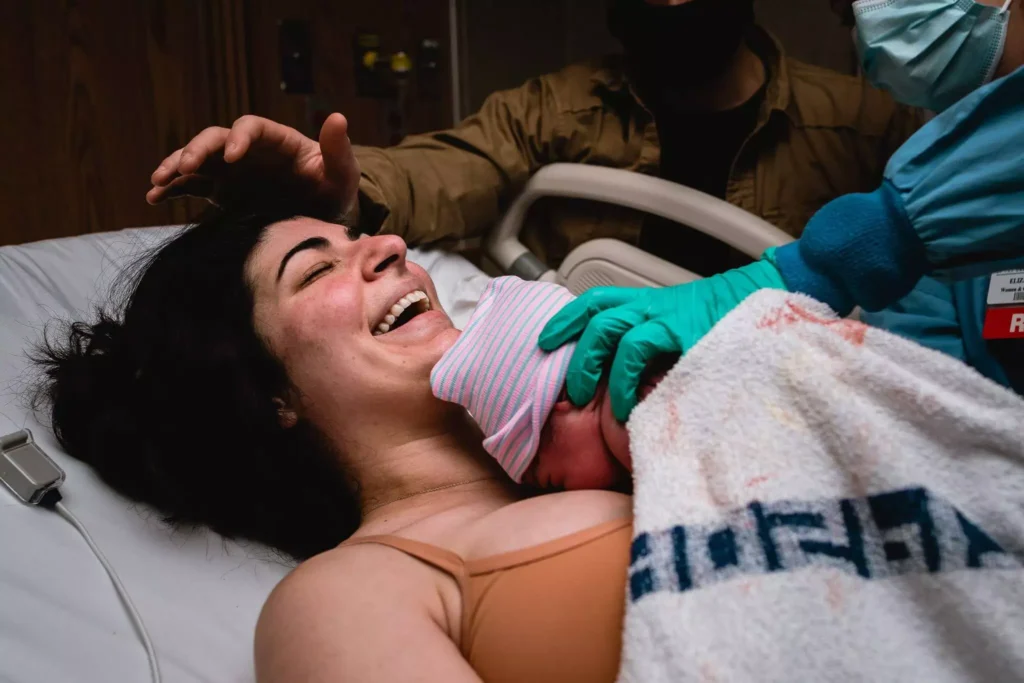

Learn the science of pregnancy and birth to take the mystery of labor away! Understand why you are feeling what you feel, and learn strategies to confidently move through pregnancy and birth!
- 9h+ of Video
- Support Group
- Close Captioning

- 5 Workouts/Week
- Gym Workouts
- Self-Paced

Instructor
GINA
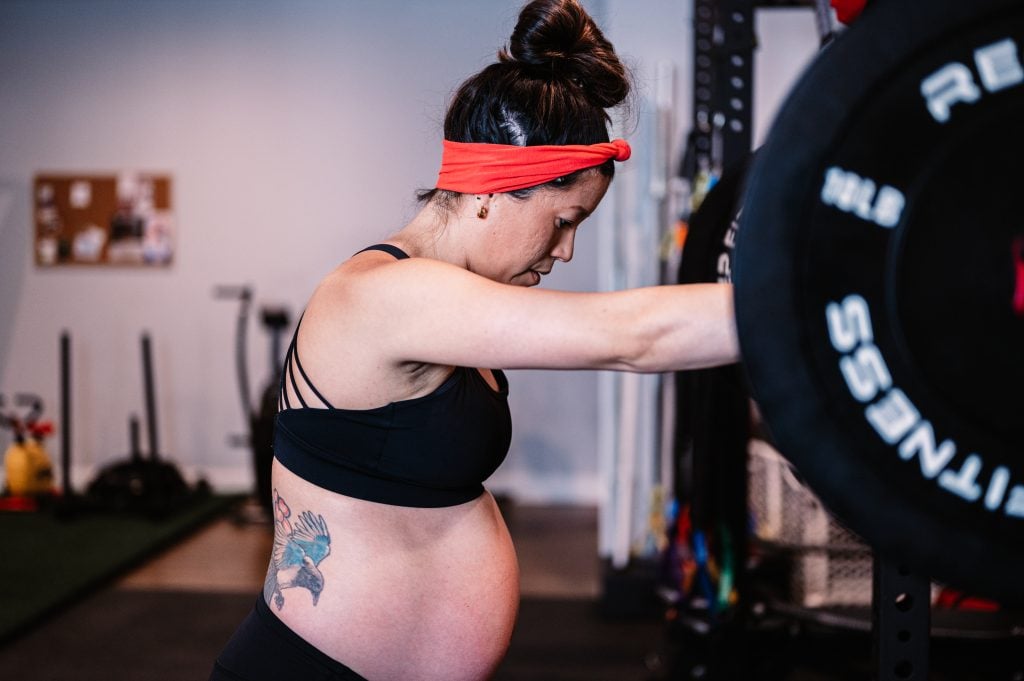
Workout on-demand with our prenatal fitness workout videos! Each workout is 30-40 minutes to follow along as you exercise at the same time!
- Birth Prep
- All Trimesters
- Mobility Work

Instructor
GINA
Find comfort and relief from pelvic girdle pain throughout your pregnancy and postpartum period! This program incorporates myofascial sling focused exercises to stabilize across the pelvic girdle joints.
- 3 Weeks
- On Demand Workout Videos to Follow