



Welcome to the MamasteFit Podcast! In this heartfelt episode, hosts Gina and Roxanne share deeply personal stories of pregnancy loss in honor of Infant and Pregnancy Loss Awareness Month. Gina recounts her emotional experiences with multiple miscarriages, discussing the healing process that comes from sharing her story and breaking the stigma around pregnancy loss. Roxanne provides professional insights on early pregnancy complications and the challenges faced in emergency rooms. The episode highlights the importance of compassionate care, the role of supportive communities, and the impact of partnering with a proactive provider in the journey toward successful pregnancies. Listeners are encouraged to seek support and find solace in shared experiences while navigating the emotional rollercoaster of pregnancy loss and the hope of future pregnancies.
Read Episode Transcript
[00:00:00] Gina: Welcome to the MamasteFit Podcast. In this episode, I’m going to be sharing my pregnancy loss stories in honor of October, which is the infant and pregnancy loss awareness month. So if you’re finding that this topic is really sensitive for you, I would recommend skipping this episode.
[00:01:04] Gina: Welcome to the MamasteFit Podcast. In this episode, I’m going to be sharing my two pregnancy loss stories because one, I have found sharing my stories was very healing for me. It helps me just feel better. So selfishly, like sharing my stories is beneficial for myself.
[00:01:19] Gina: But two, it helps to normalize this experience and take away a lot of the stigma involved with miscarriage and pregnancy loss. Because a lot of us feel really guilty or feel very ashamed or that something is wrong. we’re all told to not tell anybody that we’re pregnant until we’re, “all clear” in the second trimester, because we don’t want to let anyone know that our pregnancy failed, or we don’t want to put that burden on other people of the sadness that’s involved.
[00:01:45] Gina: And so it can feel very overwhelming if we’ve had a pregnancy loss, it can impact how you navigate future pregnancies as well. And so I want to share my stories and then also a little bit into how I navigate the pregnancies after.
[00:01:58] Gina: So I have had two pregnancy losses and they were back to back. One out of four of us will have a pregnancy loss or a miscarriage, and so it is really common, but it’s definitely less common to have two back to back. And so I just want to share my stories.
[00:02:13] Gina: And so in between my first and my second child, we had two back to back miscarriages. When my oldest was about a year I told my husband that we were now going to conceive another baby.
[00:02:23] Roxanne: Gina decided.
[00:02:24] Gina: I was like, “Hello. I feel ready. I want my kids close in age.” Because Roxanne and I are only, we’re under two years apart. We’re actually the same age gap as our daughters, our two oldest daughters are. To the day. Not to the minute or the hour. That would have been really creepy. But we were really excited to start trying because I like really wanted my kids to be close in age.
[00:02:45] Gina: And so we tried for a few months and weren’t conceiving. I was also, my cycle was also just trying to figure itself out as well. And so I think that played a big role into why it took us so long to conceive- and, “so long,” like three or four months. It wasn’t like super long.
[00:03:00] Gina: And so we finally got pregnant and I was like, “Yes, this is awesome! My kids are going to be close in age.” Roxanne, like just found out that she was pregnant. Like she was a few months ahead of me. And so we were like trying to figure out like what we were going to do when I was in labor because Roxanne was going to have a baby. Like, who was going to watch the baby because I want my mom to be there too.
[00:03:18] Gina: And so we were like trying to figure out all of our plans and we went on vacation to Disney World and I had some brown spotting, and I think it was like five or six weeks at this point. Like it was pretty early. But I also was like violently ill. Like things were coming out of my body at all ends.
Like it was really bad. And so I was like, “Okay, the brown spotting might just be like implantation bleeding, like leftover bleeding from that. Cause it’s a brown, it’s not bright red, and I have a lot of GI distress right now. So that must be what it is.” And Roxanne was like, “Yeah, that’s totally what the bleeding is. It’s just GI distress.”
[00:03:51] Gina: Like we could not even remotely believe that something was wrong. Like I was not in the mental space.
[00:03:57] Roxanne: It does not happen.
[00:03:58] Gina: It doesn’t happen to me. That doesn’t happen to me. That happens to other people.
[00:04:01] Roxanne: Yeah.
[00:04:01] Gina: Like with every other thing, “that happens to other people, not to me.” And so Roxanne was like, “It’s fine! Brown bleeding can be so normal during the first trimester.” Cause there are other reasons to have bleeding in the first trimester besides just miscarriage, even though that’s usually the most common reason. But Roxanne, for example, had some bleeding in her first trimester that we were all like, “No! Not again!”
[00:04:26] Roxanne: So I had, my second pregnancy, I had what was called a subchorionic hemorrhage, which is basically like a little blood pocket between the placenta and the uterine wall. Some people will call it like a bruise on the uterus. And some people, it’s very common, some people you might not even know you have it unless your provider tells you because your body will just reabsorb the blood. But for some of us, our body will push it out. And so then this causes vaginal bleeding in that first trimester. Most of us will have it during the first trimester if you are going to bleed. Sometimes it can lead to other things like miscarriage depending on the size of it, but for most of the time, it just bleeds for a couple of weeks and then it resolves on its own by 20 weeks.
[00:05:09] Roxanne: But I think I was like 12 or 13 weeks. So like technically out of the window.
[00:05:14] Gina: “All safe!”
[00:05:15] Roxanne: I think I had, we had literally just sent out our Christmas cards, for pregnancy announcing in our Christmas cards. Like we had told our friends, like super close friends, but like extended family and friends that we’d maybe not talked to every day. So announcing the pregnancy, I literally dropped it off in the mail and started driving to swim lessons for my daughter. My mom was in the car and all of a sudden, big gush of blood through my pants, like through the pants on my car seat, and I was just like, “What? Did I just pee myself?” I like reach down, cause that’s what you do, reach down, bring my hand up. It’s covered in blood. And I was on the phone with our brother at the time, my mom and I.
[00:05:54] Gina: We do have a brother.
[00:05:55] Roxanne: Yeah. Surprise. We have a brother. And I was like, “Oh Mom, I’m bleeding.” And she just goes, “Oh no. Oh, we got to go.” And just hangs up on him.
[00:06:04] Gina: It’s probably really bad that we laugh about this now.
[00:06:06] Roxanne: Yeah. But I was like, “Well, there’s nothing that… like, it’s fine, Mom. Like nothing that anybody could do,” as I’m like internally freaking out. So like we turn around, drive to the ER and, whole thing. But baby was fine. He is alive. He’s three. I was just very stressed for a really long time during his pregnancy because of the bleeding that lasted for a while.
[00:06:28] Roxanne: But that’s first trimester bleeding. It’s a lot of blood and the babies are fine. But sometimes it’s not always the case.
[00:06:35] Gina: So I don’t know if that brown spotting was related to the pregnancy or if it was just GI distress, cause there was a lot happening. But it created this like thought in the back of my mind, like something might be up. And so I was just like waiting to be 12 weeks when we’re, “all clear,” and then I can like, once I’m 12 weeks, I’ll be less anxious about it.
[00:06:55] Gina: So when I was like nine weeks pregnant, Roxanne was working, she works at labor and delivery where I was going to give birth at, and so I was like, “Hey, do you think the midwife will be okay with doing an ultrasound on me?” cause she was my provider. And so the midwife was like, “Yeah, come on in. We’ll do an ultrasound.” And we did it on the labor and delivery floor, which I was nine weeks, so that’s not normal, usually you would go to like your OB clinic, but like I had a relationship.
[00:07:17] Roxanne: We had connections.
[00:07:18] Gina: And they didn’t see anything. It was just like blackness. And so she was like, “Let me get the OB, cause maybe you’re just not as far along as you think you are.” And I’m like, “I got an eight week ultrasound with my first and it was like a little gummy bear. That looks like nothing. That looks like nothing is happening. That’s weird.”
[00:07:34] Gina: And so the OB came in and she was like, “This is odd. Like maybe you’re just not as far along as you think you are.” And I’m like, “I think we all know that’s… I appreciate the optimism.” So she was like, “Come to the OB floor, like, tomorrow, like I’ll get you in and we’ll do it. Cause the ultrasound here sucks.”
[00:07:50] Roxanne: The one down there is terrible.
[00:07:52] Gina: Okay. I’m like, “That’s it! The ultrasound here is really bad.” So we go down, it’s the same thing. We even do like a vaginal one and it’s just blackness and this little bubble, like it’s just, the yolk sac. And it was like, “Hmmm.”
[00:08:04] Roxanne: The gestational sac.
[00:08:06] Gina: “This is odd.” And so she was kind of like, “This might mean that like you maybe have had a missed miscarriage, which means like your body continued to be pregnant, even though there’s not a baby. But let’s just monitor it. Maybe you’re just not as far along as you think you are. Maybe we just need some more time.”
[00:08:24] Gina: And I was like, “Okay, that… I’m good with that. Yeah. The baby’s just hiding. You’re just not good at ultrasounds. That’s what it is. This ultrasound sucks, too.”
[00:08:31] Roxanne: Yeah.
[00:08:31] Gina: And so for the next few weeks, like I was consumed with online forums about missed miscarriage, and there’s all these stories about the baby was hiding, like they went in for their D&C, but like before they went in, they did a last minute ultrasound and they found the baby! And I was like, “That’s me.”
[00:08:46] Roxanne: And I was Gina’s hype woman, “Yeah, they just didn’t find the baby. It’s totally fine!”
[00:08:50] Gina: They’re just horrible at ultrasounds.
[00:08:52] Roxanne: They’re going to find a heartbeat at the next appointment, and it’s going to be fine.
[00:08:56] Gina: So we went in for two more weeks of ultrasounds. Like once a week or every few days we went in again, and same thing, nothing, just a big old empty sack of nothingness. And it’s just like this blackness and I was like, (sighs).
[00:09:10] Gina: And so, over the weeks I was like starting to understand that this was maybe not happening. But I was still pregnant. I like, didn’t like, I wasn’t miscarrying, like I’ve had symptoms. Like I was nauseous. I was super fatigued. Like I didn’t understand.
[00:09:28] Gina: And so I had, two residents that were working with me. And then the maternal fetal medicine doctor was also like working very closely with me. And when I went in for the third or fourth ultrasound, they were like, “Okay. I don’t, think that this is a viable pregnancy, but we can keep doing them. If you want to keep doing them, we will keep doing them. But we would recommend that we take some actions to end this pregnancy. Because there’s nothing there.”
[00:09:58] Gina: And I fortunately had some time to process this and was like accepting of it myself. Like that first ultrasound, “No. You’re bad at ultrasounds. You don’t know what you’re, how did you even get a medical degree, you silly doctor?” But by the third or fourth ultrasound, I was like, “Okay, maybe it’s me. Maybe I’m the problem here, like you’re, actually not bad at them.”
[00:10:19] Roxanne: Yeah.
[00:10:19] Gina: And so they gave me two options. They’re like, “We can schedule you for a D&C, which is a surgical procedure. Or we can give you a cytotec and you can take it home and we’ll give you some pain medication and you can just miscarry at home. And if you have any complications with that, obviously come back in.” And I was like, “I would like to not be put to sleep and have a surgical procedure. And I would like to take, just take the pills.” and so for me it felt less invasive. And if I needed more support after that, then it would be the next option. So it made more sense for me to do the cytotec at home and then go from there.
[00:10:54] Gina: That may not be what everybody wants to do. I know some folks that chose the D&C ’cause they’re like, “I just wanna make sure it’s all good and I’m gonna move on from this.” So it’s, I think it’s an individual decision that like somebody needs to make with their provider over which path they wanna take if they’re in this situation like I was.
[00:11:09] Gina: So I took the medication at home. My mom took my oldest and it was just me and my husband just at home. And I didn’t really know what to expect from it. I was like, there’s gonna be contractions, and I just want to feel numb from this experience. So I took the pain medication, took the cytotec and then started having some contractions and bleeding like within a few hours. And I, again, didn’t know what to expect from it. I knew there was going to be bleeding and at some point I would pass the baby, or what was supposed to be the baby. And so I ended up passing this like clump of tissue that I didn’t know what it was. I just thought it was like a clot. And so I just flushed it down the toilet and then I didn’t have any other tissue like that. It was just like period bleeding.
[00:11:51] Gina: And I was like, “Oh shit. That was it. That was, what would have been the baby.” And I had so much sadness, cause I was like, “I just flushed it down the toilet. Oh my god, if I had known I would have taken it out and buried it,” or, I don’t know what I would have done with it, but I’m like…
[00:12:09] Roxanne: Something more.
[00:12:10] Gina: It’s like flushing your goldfish down the toilet. I’m like, “That was traumatic.” And so I wish like somebody had told me like what to expect. “Hey, you’re going to have some bleeding and then you’re going to pass some tissue.” Cause I think I had other friends that had miscarriages at home that were like around the same gestation as me and they were like, “It was like a little baby.” And so I was expecting like something, which I don’t know why I would expect something because there was never anything in my ultrasounds. Like it was just blackness.
[00:12:40] Roxanne: Like you didn’t have a baby, per se, but you had the sac, which is like the tissue.
[00:12:46] Gina: And so I wish I knew what that was. So that I could have managed that better.
[00:12:51] Gina: And then I was like, “Alright, we’re moving on. We are, like, we’re on a timeline here. I want my kids close.” And I just mentally, emotionally, shut myself off from being able to really feel what was happening.
[00:13:07] Roxanne: I think I would ask you, like, “How you doing?” And you’re just like, “I’m fine.” And I’m like, “But are you fine?” You’re like, “Yeah, I’m fine.”
[00:13:13] Gina: I’ve moved on. It happened. I processed it.
[00:13:15] Roxanne: And we’re moving on.
[00:13:17] Gina: I processed it.
[00:13:17] Roxanne: And I was like, “Okay.”
[00:13:18] Gina: So the thing that made it hard to just like move on was because I had a missed miscarriage and there was no baby, they thought I maybe had a molar pregnancy, which is like a growth within the uterus that is not a baby, however it happens, it happens. And so they wanted to test my HCG levels to make sure they went all the way down, because if they didn’t, that meant that the growth was coming back. And I was like, “If they didn’t it’s because i’m pregnant again!”
[00:13:45] Gina: And so they started. I went in every week to get my levels checked and they were decreasing every week. And I was like, “I’m supposed to wait till it’s zero before we try again, but my husband’s deploying and he’s going to be gone for six months. And if we wait until he comes back, my kids are going to be like three years apart and I don’t want that. I want them to be close in age.” And so I was like, “We’re trying anyways.”
[00:14:06] Gina: And so every week we go in, I would like hope that they would, the levels would start rising again because it meant I was pregnant. Spoiler, I did not get pregnant. My levels went back down to zero, and I was like cleared. But now I had six months to just think about it. So he, when he came back from his deployment, I was still just kind of like, “We’re moving on from this, I had my time to process, I have talked to the people that I need to talk to about it. We are moving on. We’re trying again.”
[00:14:36] Gina: So he came home, we started trying to conceive again, and then, I think this one took two or three months, just because the timing was a little bit off with like, when he got home, and then he had some work trips. And so I was like really tracking everything and trying to like time it perfectly. And so we did conceive, I think the second or third month after he got home. And I was like, “All right, let’s do this. We’re, we are pregnant now. People don’t have multiple miscarriages. We’re good.”
[00:15:05] Gina: So I told everybody. I told everybody for the other pregnancy as well. I’m like, “We’re pregnant!” Like I went and got a blood test right away, and it was positive. I was like, “Cool. I’m not just making it up. This baby exists.” And then I started bleeding and I was like, “What the fuck?” And it was, I went to the bathroom, I wiped, and it was bright red blood. And I was like, “That doesn’t seem normal.” So I was in the gym at the time with a client. And I went to the client, and I was like, “Hi, I need to go. You need to, we need to vacate the premise, because I need to go to the ER because I’m bleeding.” And she was like, “Oh my god! Oh no!” And so she was, of course, very sympathetic and was like, “I will pack up and leave!”
[00:15:43] Gina: And so I drove to the ER. I actually got pulled over for speeding and the poor- so on the military installations there are military police officers, which are all like 18 year old soldiers that have been trained to be like police officers- and so this poor like soldier like walked up to the side of my car and was like, “Hello ma’am.” And I was just like, (screaming crying), and and he was like, “Oh God.” And I was like, “I’m having a miscarriage. I’m just trying to get to the ER.” And he’s like, “Have a good day. I’m sorry!” Went back to his car.
[00:16:14] Roxanne: He was so ready to give you a ticket. Like he was like, “Do you know why I pulled you over?” It was probably his first.
[00:16:18] Gina: I was just like, “Ah!”
[00:16:21] Roxanne: And he’s never pulling anyone over again.
[00:16:24] Gina: “I’m sorry. Have a good day… or not. I don’t know…” And he felt so bad for me and I was just like, (whimpering sounds).
[00:16:31] Gina: So I went to the ER, and of course I’m wearing white leggings. Of all the days.
[00:16:37] Roxanne: We no longer own white leggings.
[00:16:38] Gina: I don’t wear white leggings at all. So I’m just bleeding through my leggings, and it is just very obvious something is happening. And like my husband meets me there, and the nurse in triage was like really nice. Like she was like asking me how many pregnancies I’ve had, like how many like live births I’ve had, and I was like, or how many miscarriages I’ve had too, and I was like, “I guess I’ve had two miscarriages,” and she’s like, “No don’t count yourself out! You could have bleeding and it could be totally normal. You’re fine. Just be optimistic!” And I was just like, “We both know that the likelihood of me still being pregnant is not very high.” And she was like, “But don’t count yourself out!” I was like, I appreciate your optimism, but I need to not hold on to that because I would like to just be surprised, but I was like, “This is not… like, we have a loss.”
[00:17:28] Gina: So we waited in the ER for what felt like four hours. I’m just bleeding through my pants. Like, guys. I guess it was just like a period at this point. And then we get put into a room and the ER doctor comes in and he has to be like, in my mind, the worst person I’ve ever interacted with in my life. And I’ve met some bad people in my life with my time in the military. He’s the top of my list, like above some of the people that we’ve met.
[00:17:53] Roxanne: Hopefully he was just having a bad day, but…
[00:17:55] Gina: I think it was just his personality. So he probably doesn’t deal with a lot of people like me. So he comes in and he’s like, “Hm. So you were pregnant on Friday. You are not pregnant anymore. What are you here for?” And I was like, “Hello. I guess a miscarriage. Who are you?” That’s how you introduced yourself to me? To let me know that I’m no longer pregnant? Do you maybe think that’s a big deal for somebody?
[00:18:23] Roxanne: No.
[00:18:25] Gina: It’s just a baby.
[00:18:28] Gina: So I’m just like, in shock that this is how he like, walks into the room. And he’s like, “Okay, well, you weren’t super pregnant. You were barely pregnant at all. I don’t have to do an internal exam on you, so I’ll just palpate your belly.” And I was like, “Okay.”
[00:18:45] Gina: So I lay down and he starts like pushing on my belly and I start crying because I’m just like, “What the fuck just happened?” and he gets super uncomfortable. He like steps away and he’s like, “Well my daughter had four miscarriages, and she’s got three kids now. So you’ll be fine!”
[00:19:03] Roxanne: But it’s so common that ER doctors, like that people report that they go to the ER for a miscarriage and there’s zero compassion for what they’re experiencing cause they’re like, “That’s just another day of the week. Another person coming in, losing a baby, whatever.” And. It’s not always dealt with compassionately, which is a huge issue that we deal with on labor and delivery because they’re like, do we just need to take every single person that’s even like a second pregnant because we actually give them compassion, but then we don’t have the space to be able to take care of all of them.
[00:19:40] Roxanne: It’s a huge issue that like labor and delivery units all over the world deal with that people go to ERs and they are just treated just like shit because you don’t need to go to the ER, I mean, you don’t need to go to labor and delivery until you’re 20 weeks. So if you’re 19 the ER. And if you go to the ER at 19 weeks and 5 days and your baby has passed, they may not deal with it as well as if you came to labor and delivery. So it’s like, when do they send people to labor and delivery to actually receive compassionate care?
[00:20:12] Roxanne: Let’s take a break from this episode to hear about our sponsor, Needed. Needed is a nutrition company focused on the perinatal timeframe that both Gina and I have utilized during our pregnancies, postpartums, and beyond.
[00:20:22] Gina: During my last pregnancy, and the ones all prior to that as well, I was definitely taking a lot of iron because my iron levels are definitely on the low side, and your iron levels can impact how well your thyroid functions or maybe they, they work together to do things. Nothing is in isolation. And so for me, making sure that my iron levels were at a good level was really beneficial for my thyroid health, which was something that I was super focused on during my pregnancies, because my thyroid health was something that I thought contributed towards my recurrent miscarriages.
[00:20:52] Gina: Needed’s iron supplement was really beneficial for me in this last pregnancy. So I got my ferritin levels checked at like 28 weeks and it was like, borderline anemic it was so low. I was like, “Oh, maybe that’s why I’m super anxious.” And then I got it checked again around 35 weeks and my levels had doubled just from taking Needed’s iron supplements, and then also like eating more red meat and cooking on a cast iron skillet. But I definitely think the supplements were super beneficial in helping to increase my ferritin levels. And so I highly recommend Needed’s iron supplement, in addition to all their other supplements as well. I take their prenatal, their collagen, their Omega, like you name it, we probably take it.
[00:21:27] Gina: And so if you want to check them out at thisisneeded.com and use code MAMASTEPOD to get 20 percent off your order.
[00:21:33] Gina: So now it’s a competition because his daughter had more miscarriages than me.
[00:21:36] Roxanne: You only had two. She had four.
[00:21:38] Gina: And I was, in the moment..
[00:21:40] Roxanne: And she’s fine! Like she has kids now, like it has not affected her in any sort of way.
[00:21:44] Gina: And so it was like one of those moments where, like you have this interaction and then like later in the shower, you’re like, “Oh, these are all the things I could have said.” “Oh, yeah?!” Like you have your shower fight in your head and you’re like, “Yeah, I won that fight.” I had that later in the day. In the moment, I was just like in shock.
[00:22:01] Gina: And my husband, I think was also just in shock that this was happening. And he was just like, “I don’t even know how to process the situation right now. Like it’s just so… like, how could somebody have so little compassion?” And so what I wanted to say was, “I didn’t know it was a competition. Like, I’m here for a very traumatic experience for myself. Maybe you can like be a little compassionate towards me.” But what I instead said was (crying noises) like, I didn’t say anything. Cause I was just like in shock.
[00:22:29] Roxanne: Just cried uncontrollably, yeah.
[00:22:31] Gina: And like in a lot of distress. And then he was like, “Okay, we’ll put a referral in for OB. You’re clear to go. There’s really nothing I can do for you. Put a pad on.” And I was just like, “Goodbye.”
[00:22:43] Gina: And so that was awful. Like, a very bad experience. But fortunately when I went to like my medical provider, so like my PCM, she wasn’t an OB, she was just like a family medicine doctor, not just a family medicine doctor, but she was my family medicine doctor. And I think I saw her like within the next few days. She like came into the, to the room and sat down next to me and got down on my level, and I was like, “you’ve had some training in being compassionate.” And she was like, “I’m so sorry to hear that you had another pregnancy loss. Nobody’s supposed to have two in a row.”
[00:23:17] Gina: And so I was always told that you had to have three miscarriages to get help, like before anyone would care. And so this was like the myth that I always heard. Like you need to have three before anyone does anything about it. Like anything less than that, you’re just waiting. And she was like, “Normally, we’re supposed to wait till, you have three miscarriages, but two in a row was already abnormal to me. That’s a recurrent miscarriage. You’re not supposed to have that. And so I would like to do like a full workup on you to see if we can find an underlying cause and then also do the workup for fertility. Because I would rather have all your stuff ready to go, so that way, if like you guys have trouble conceiving or like we have another miscarriage, we can just refer you right away. We don’t have to do all of this workup. Like we’ll just do it now.” And I was like, “Yeah. Yes, I would love that. That sounds amazing to me.”
[00:24:07] Gina: So we did blood work and we started like getting prepped to do all the fertility stuff. We did have to wait till my next cycle cause I was like in the middle of this one after the loss. And we did like my thyroid, we did all sorts of blood work. And what came back was that my thyroid antibody levels were really elevated. So they were supposed to be like 30, I’m off on this number, and mine were like 400. Like very high.
[00:24:32] Roxanne: 10 times.
[00:24:33] Gina: 10 times what it should be. And she was like, “Hey, your thyroid numbers look fine, but your thyroid antibodies are really elevated, which I was reading could be associated with recurrent miscarriage. Because your thyroid health plays a big role in your reproductive health.” And she was like, “I can put you on some medication and maybe, we can help resolve this.” And I was like, “Yes, let’s do it. I like to have things to do. Give me things to do.”
[00:25:01] Gina: So I started some thyroid medication, and I also did my own Googling, because I have my PhD in Google. And I found that thyroid antibody issues can be associated with autoimmune issues. And so I was like, “What can I do for autoimmune issues?” there’s a whole diet that you can do. So an autoimmune thing can be associated with inflammation, like within your body. And so I went on the autoimmune paleo diet, like my husband and I, was like, “You’re doing this with me.” And he was like, very excited about it, cause…
[00:25:30] Roxanne: He loves to cook, and his love language is feeding people. So If you’re like, “Hey, I need you to feed me this very strict diet so that we can have a baby.” He’s like, “Yes, let’s do it. I would love to cook.”
[00:25:43] Gina: And they were pretty good meals, but it was a really restrictive diet. Like no gluten, no dairy, you couldn’t have certain spices. And so it was very strict.
[00:25:54] Gina: But after a month of being on the diet and taking the thyroid medication, my levels like went all the way back down to where they were supposed to be. And we conceived our son. So I was like, obviously it worked. It gave me something to do and it was a beneficial thing. So the very next cycle, like I didn’t even get a period after that miscarriage because I was pregnant with my son at that point.
[00:26:17] Gina: And I was super anxious the entire pregnancy. Like I told everybody right away that we were pregnant because from my past two losses, I found that was a very helpful thing to do was, one, the life of this baby got celebrated for the short period of time that we had, but we had people that were really excited for this baby, in addition to us. And so I would have felt really sad if nobody knew that this little life existed, like at any point, like that would have been really sad to me. The second thing it did was when we found out that we had a loss, I had a community ready to support me cause they all knew that I was pregnant and then they all knew that I had a loss. And so I had a lot of people there helping me and I had people to talk to and I think that’s why it helped me like recover from the losses a little bit easier. Or maybe not that much easier. It might be I just bottled everything up and just pretended it was fine. But it was really helpful to have that community of support, even though it was super scary to tell people and to put that burden on them of sadness because we don’t like to have sad feelings, and I don’t want to put those sad feelings on other people either. And so I think that’s something that’s really hard when we’re going through a hard time, to be vulnerable like that to other people, because you make them feel sad too. Cause then they feel, they mourn with you. But it ended up being like, really, helpful for me to have that community.
[00:27:43] Gina: And it would have been really hard to be like, “Oh, hey, by the way, you didn’t know that I was pregnant. I was, but now I had a loss. Let’s do this together.” Like that would be really hard to throw on somebody. And so the easier thing would have been just not tell anybody and then just keep it all to myself, but it would have been super hard.
[00:27:59] Roxanne: Just bottle your emotions.
[00:28:00] Gina: I know just bottle them up and don’t be burdensome to anybody.
[00:28:05] Gina: And so when I was telling my friends that we had a loss, the ones that I told her that we were pregnant, they were like, “Oh my God, like I had a pregnancy loss too, like a few years ago, but I never told anybody about it, but know that you’re not alone.” And I was like, “I’m really sad that you had that experience too. And that you felt like you couldn’t tell anybody.” Because there’s so much stigma and shame involved with it. But it made me feel so much less alone in the experience. And so when we found out that I was pregnant with my son, I was like, I’m going to tell everybody, cause I want everyone to celebrate this little life, and however long we have them is how long we have them. And I told my husband, I’m like, “If we have another loss, I don’t know if I can keep doing this. Like this, I don’t think that I could handle like going through this whole process over and over again, like just to continue to have pregnancy losses.” so the entire pregnancy, I was pretty detached from him. I also had an anterior placenta, so I didn’t feel him moving until later in the pregnancy too. And so that was like super tough.
[00:28:59] Gina: But things that I, that helped me with some of my anxiety was one, my OB was like super compassionate that I had two losses in a row. And so I was like labeled as high risk, which some people don’t like that label. But for me, I really liked it because it gave me more care. And so I had weekly, as soon as I found out I was pregnant, I was going in for OB appointments. Like most folks have to wait until they’re like 11 or 12 weeks before they see the OB. They like got me in right away. And then I went in weekly for ultrasounds just to check on baby’s growth. And then I was going in every few days for, to monitor my HCG levels as well. So I was getting like lots of care right away to monitor what was going on. Not that I think they could have done anything to prevent a miscarriage, but it was very comforting for me to know that things were progressing well.
[00:29:48] Gina: So once I hit like the second trimester, the OB was like, “Hey, so everything is looking really good, like your blood work looks great, like we’re seeing baby, like he’s growing,”- or we didn’t know, I don’t think we knew the, I mean I think we didn’t know that he was a boy- like, “he’s growing really well. Do you want to transition care to the midwives, because you’re, I would consider you a low risk person now, like I don’t consider you high risk anymore,” and I was like, “You know what I am feeling more confident in this pregnancy.”
[00:30:15] Gina: But there was still like a lot of layering anxiety for me. Like every single time that I wiped throughout my pregnancy, I was checking the tissue, is there any blood on it? Cause that’s how my second miscarriage was, I wiped and there was blood. And so that entire pregnancy, like at night I would turn the lights on so I could look to make sure that I wasn’t bleeding in the middle of the night.
[00:30:34] Gina: And that like really puts a toll on somebody like mentally the whole time. And so I was like super detached. I also couldn’t really feel a move until well into my second trimester, almost my third trimester, cause I had my placenta on the front. And like his movement felt different from like my girl pregnancies, cause all their placentas were in the posterior. So they’re just like flailing around. And he’s also just like a more like calm child as well. So I’m like, maybe it’s just his personality. And so I just, I didn’t buy him anything and I was just like trying to protect myself, I think from being too close to this, cause what if something happens?
[00:31:15] Gina: And so I ended up connecting with somebody on Instagram- which is probably like the coolest aspect of like social media is like connecting with people that you would never normally connect with- and she had two pregnancy losses, like later in pregnancy. Not that it’s a competition, like you, like all of our losses are valid. And she told me like, “I never regretted bonding with my baby and loving them for the time that I had them, even though I lost them.” And I was like, “Well shit. You’re right.” Like it’s going to hurt either way, whether I was bonding with my baby, I was excited for this pregnancy, or if I was like totally detached, it would still hurt in both situations. But I would feel less guilty if I was bonded with the baby because I would have felt like I gave them the love that they deserve for the time that I had.
[00:32:04] Gina: And so after that conversation, like it just clicked for me that I was like, I want to connect with this pregnancy. And I know that’s not the case for everybody. Some folks that are like, nope, I feel better just being super detached, and when my baby comes is what I will be excited for them. And that’s totally fine too. But for me, I, at that moment, I was like, I want to connect and I want to give this baby the love that they, I feel like they deserve, even if I don’t have him when he’s born.
[00:32:31] Gina: And so I went out and bought him like a little onesie at target. I think we were, at Target, and I was like, “I’m going to buy him this outfit.” And I just started to be a little bit more excited and like hopeful for the pregnancy.
[00:32:43] Gina: And then COVID hit. And I was like, great timing. I guess we’re just going to all hang out at home and just figure this out together, cause now we have this super scary disease that’s going around. And, so then we ended up switching to home birth at that point. And we gave birth to our son in our home, surrounded by our family and my oldest daughter got to meet him and was like, as he was crowning, she was like, “My baby brother is coming to play with me!” and it was like, so sweet. I think I paused pushing to be like, “You’re adorable!” And then my husband was the first one to put his hands on him and helped deliver him and put him directly on my chest. And it was just a really like perfect moment for us as a family after such a journey to have him.
[00:33:27] Gina: And I know people struggle much longer, like fertility wise with trying to conceive their child. And people go through like harder losses and all that- again, it’s not a competition, this was my experience, this was my story- it was a really challenging pregnancy, navigating it after loss. And I think his birth was like very healing for me. Healing from my first birth that I felt was definitely on the more traumatic side and like all the things I didn’t want to happen happened. And to have what I would have thought would have been like a perfect birth with him, other than it could be less painful, but…
[00:34:05] Roxanne: Ideally.
[00:34:06] Gina: That would be nice. People advertise these pain free births and I don’t, I haven’t had one yet.
[00:34:14] Gina: But it was like everything that I wanted to happen in that birth happened, where I wanted to have time for my friend to come and give me a massage, and I wanted this meal to happen, and, I wanted to wake up in labor, and so it was really like the perfect birth to come to this completion of this experience of trying to conceive my second child, which they weren’t as close in age as I was hoping, but the three year time frame like really worked. It was like perfect for us in the end. And so… but it is really hard to have a pregnancy after loss because the magic and like the ignorance… Ignorance is bliss.
[00:34:49] Roxanne: Ignorance is bliss.
[00:34:51] Gina: It’s… it doesn’t have as much magic to it. Which is like really sad where you’re like, you know the bad things that could happen and so it’s lingering for you, where you’re like, “I want to believe in the magic and like the purity of this experience. But I know that it’s not always like a beautiful experience.” And so then that became really hard.
[00:35:10] Gina: I will say though, for my next two pregnancies, I felt much more confident and at peace with them as well. Like where I did, it wasn’t like his pregnancy. Like it, I wasn’t as anxious. Like I didn’t really check each wipe and stuff anymore. I don’t know if I just felt more confident because I had a quote unquote “successful pregnancy” and like he was doing really well, and therapy, to where I was just like in a better place. Like I don’t think I really processed my two pregnancy losses going into his pregnancy, like shocking, I know. I just bottled that up. And so I think like when it came to their, my, my youngest two’s pregnancies, I was way more confident. I had more time to process what had happened and just felt like more at peace with it. And I had better like coping strategies at this point. And so the excitement of pregnancy kinda came back for me where I was like, “I’m really excited for this pregnancy! Let’s celebrate it together.” And there was still a lingering thought, “Something could happen, but we’re going to get, we’re going to enjoy all the time that we have together.” And so that was, that kind of mindset was like super helpful for me. And, I still told everybody right away that we were pregnant, like even on social media, I announced it like at five or six weeks, cause I was like, “Y’all want to be a part of this journey? You’re going to be a part of the whole journey! Either all the way to a baby, or you’re gonna be here with me like if we have a loss.”
[00:36:37] Gina: And so it, the magic, can come back when it comes to pregnancy losses or pregnancy after loss. It can be really challenging to navigate it. Like I was definitely way more anxious during my son’s pregnancy and then that kind of went into like postpartum anxiety and OCD where all the intrusive thoughts were like very overwhelming for me because, “the bad things that happen to other people happen to me, and therefore all of the bad things can
happen to us.” and then that little dude was the only one out of my four that has ever gotten hospitalized. So it was just like, “Dude, can you not?!” His newborn screening came back crazy. And it was just like…
[00:37:16] Roxanne: It was a journey.
[00:37:17] Gina: Can you just calm down, sir?
[00:37:19] Roxanne: It’s a journey. The boy, these boys, man.
[00:37:21] Gina: No, man. But I share my stories because one, it’s been very healing for me to share about them. It helps me feel so much less alone and I know that it helps other people feel less alone in their journeys too, especially if they don’t feel as comfortable sharing their stories. Because not everyone does, not everybody wants to have a bunch of people know what’s going on with them.
[00:37:43] Gina: And so know that you’re not alone if you’ve had a pregnancy loss. If you’re going through one right now, know that you’re not alone. If you’re navigating a pregnancy after loss- cause it can be really scary and hard to go from that pure bliss pregnancy to suddenly one where it’s filled with a lot of fear, or if you’ve never had that pure bliss pregnancy, cause all you’ve had is losses- it’s really hard to navigate that pregnancy after loss, but It can be done.
[00:38:09] Gina: Things that I found super helpful in my subsequent pregnancies is, I would get weekly ultrasounds in the first trimester for all of my pregnancies, all of my subsequent pregnancies, so all of my last three. With my son, the OB, I did it in their clinic and I did blood work every few days to monitor during the first trimester. During my next two, I just did it at a private ultrasound clinic where I would just go in once a week and get baby looked at, did blood work with my providers. With my last two, I did a lot of blood work prenatally, or preconception, to make sure my thyroid was doing really well, because that was something that I think contributed towards my recurrent miscarriages. And so I was like, really trying to monitor my thyroid antibody levels, making sure that my thyroid was functioning really well. And so I’m really thankful for my primary care provider that really worked really closely with me as I was preparing for my most recent pregnancy, especially, or my most recent two, like he was my provider for both of them. And so we did all the blood work. I was, I’ve been on thyroid medication to help me with that as well.
[00:39:10] Gina: And so I, it was a really hard journey. And I found people to help support me during it to help me, help build my confidence back again. But I also know that I’m not alone in it. And I know that anyone that is going through this, you may feel like you’re really alone in it, and however you feel is totally valid. There’s, it’s not a competition of who’s had more loss than anybody else, but moral of the story, you’re not alone. You’re not alone in this journey.
[00:39:37] Gina: So thank you so much for listening to my story of my pregnancy losses. Again, know that you’re not alone as you navigate this journey.
[00:39:44] Gina: If you enjoyed listening to this episode, be sure to subscribe to our channel so you get notified whenever we release new episodes. We release new podcast episodes every Wednesday and birth stories on Fridays. And some of our birth stories even include folks that have had pregnancy losses and then had subsequent births as well.
[00:39:59] Gina: So if you’re looking for more of a community, know that we have tons to offer for you throughout your pregnancy, your postpartum, and your professional journey as well. You can check out all of our online offerings on our website at mamastefit.com and we’re here to support you throughout that entire journey.
Prenatal Support Courses
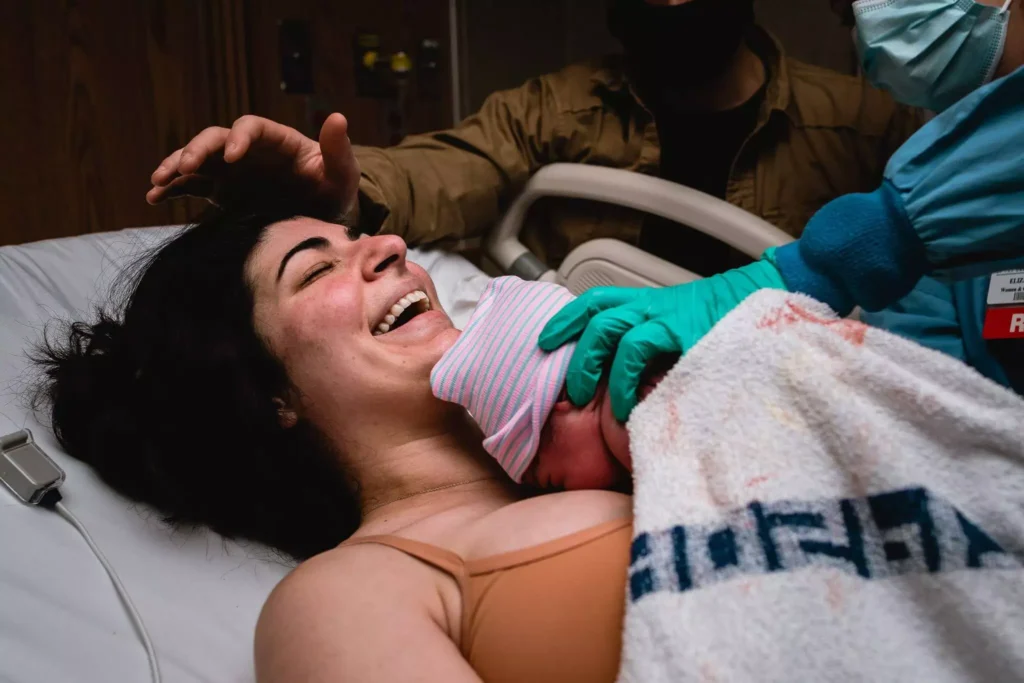

Learn the science of pregnancy and birth to take the mystery of labor away! Understand why you are feeling what you feel, and learn strategies to confidently move through pregnancy and birth!
- 9h+ of Video
- Support Group
- Close Captioning
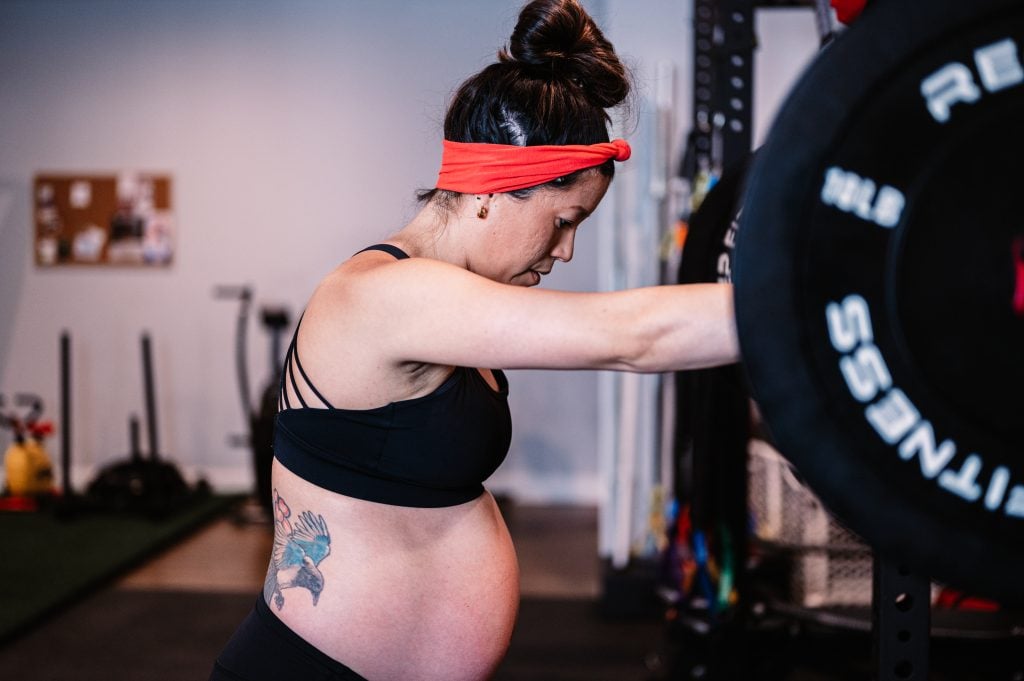

- 5 Workouts/Week
- Gym Workouts
- Self-Paced

Instructor
GINA
Workout on-demand with our prenatal fitness workout videos! Each workout is 30-40 minutes to follow along as you exercise at the same time!
- Birth Prep
- All Trimesters
- Mobility Work

Instructor
GINA
Find comfort and relief from pelvic girdle pain throughout your pregnancy and postpartum period! This program incorporates myofascial sling focused exercises to stabilize across the pelvic girdle joints.
- 3 Weeks
- On Demand Workout Videos to Follow