



Table of Contents
October is Pregnancy and Infant Loss Awareness Month — a time to honor the babies who are no longer with us and the families who carry their memories every day. In this episode of The MamasteFit Podcast, I opened up about my own experiences with pregnancy loss — two back-to-back miscarriages, and the pregnancy after miscarriage that followed, all of which deeply shaped my journey as both a mother and a birth worker.
My goal in sharing these stories is to help remove the stigma and silence surrounding pregnancy loss. If you’ve experienced one, please know this: it’s not your fault.
Subscribe to our YouTube Channel for more weekly workouts and educational videos! We publish one new workout video and 2-3 educational videos a week on our channel.
The First Loss: When Silence Feels Safer
After having my first child, my husband and I decided we were ready to grow our family. We got pregnant quickly, and I felt cautiously hopeful — but something about this pregnancy felt “off.”
Around eight or nine weeks, I went in for an ultrasound. I had seen what an eight-week ultrasound should look like before — a little “gummy bear” with a heartbeat — but this time, the screen was empty. My midwife tried to reassure me that maybe the equipment wasn’t picking up the image or that I wasn’t as far along as I thought. Deep down, I knew.
Several ultrasounds later, it was confirmed: it was a missed miscarriage. My body hadn’t yet realized the pregnancy had ended. I chose to take medication at home rather than undergo a D&C.
What followed was a physically and emotionally numbing experience — cramping, bleeding, and eventually passing what I later realized was the pregnancy tissue. It wasn’t until later that the reality truly hit: I had lost my baby.
The Second Loss: When Hope Hurts
After my husband deployed, I tried to focus on healing. People would often ask, “When are you going to give your daughter a sibling?” Not realizing how painful that question could be, I’d smile through it, thinking — if only it were that easy.
When my husband returned, we tried again. I got a positive test, confirmed by bloodwork. But within days, I began bleeding.
This time, it was unmistakable. I drove myself to the ER — sobbing, terrified, wearing white leggings of all things. The experience there was cold and clinical. The doctor glanced at my chart and bluntly said, “You were pregnant Friday. You’re not pregnant now. What are you here for?”
I left devastated and angry, vowing to never again let anyone minimize my grief.
After that loss, my provider decided to dig deeper. Bloodwork revealed that my thyroid antibodies were elevated — possibly a factor in my miscarriages. With medication and dietary changes, I was able to regulate my levels. Soon after, I conceived again.
The Pregnancy After Miscarriage
That third pregnancy was filled with anxiety. Every time I went to the bathroom, I checked for blood. Every symptom — or lack thereof — felt ominous. Weekly ultrasounds and HCG blood tests were the only things that brought reassurance.
It wasn’t until I reached the second trimester that I could finally breathe again. Still, I felt disconnected — afraid to bond with my baby in case I lost him too. It took a friend’s advice to change that. She told me she never regretted loving her babies, even the ones she lost. That shifted something in me.
I decided to let myself love this baby — even if I was terrified.
Navigating Grief and Support
Pregnancy loss doesn’t happen in isolation. At the time, I was supporting pregnant clients and attending births. It was hard to celebrate others’ joy while I was silently grieving. But I reminded myself — there’s enough joy in this world for all of us. Someone else’s pregnancy doesn’t take mine away.
Still, I learned an important lesson: you never truly know what someone is going through. Simple questions like “When are you having another?” can cut deeply. I stopped asking others about their family plans unless I knew they were comfortable sharing.
For those supporting someone after a loss — just listen. You don’t need the perfect words. Hold space. Offer a meal. Sit beside them in silence if that’s all they can manage.
 App program · 40 weeks
Prenatal Strength Training
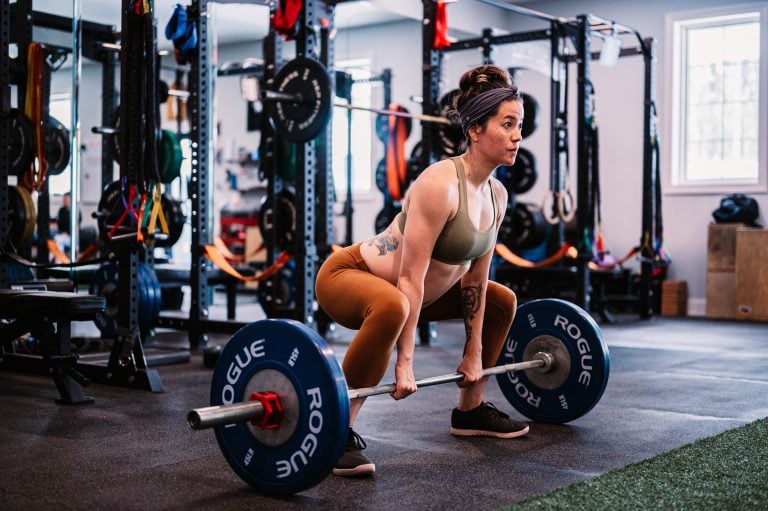
A gym-based program that syncs to your current week of pregnancy — four strength sessions plus one pelvic stability workout a week, with demo videos for every exercise.
Learn more
App program · 40 weeks
Prenatal Strength Training
A gym-based program that syncs to your current week of pregnancy — four strength sessions plus one pelvic stability workout a week, with demo videos for every exercise.
Learn more
 On-demand video · 128 workouts
Prenatal Workout On-Demand
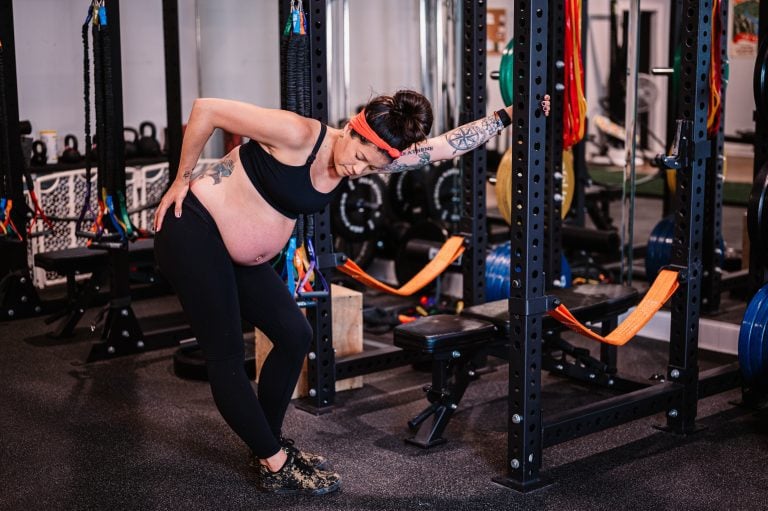
Follow-along workouts from week 5 to week 41, four or five a week with guided warm-ups and cool-downs — over 128 sessions coached in real time alongside the video.
Learn more
On-demand video · 128 workouts
Prenatal Workout On-Demand
Follow-along workouts from week 5 to week 41, four or five a week with guided warm-ups and cool-downs — over 128 sessions coached in real time alongside the video.
Learn more
 Bundle · lifetime access
MamasteFit Bundles
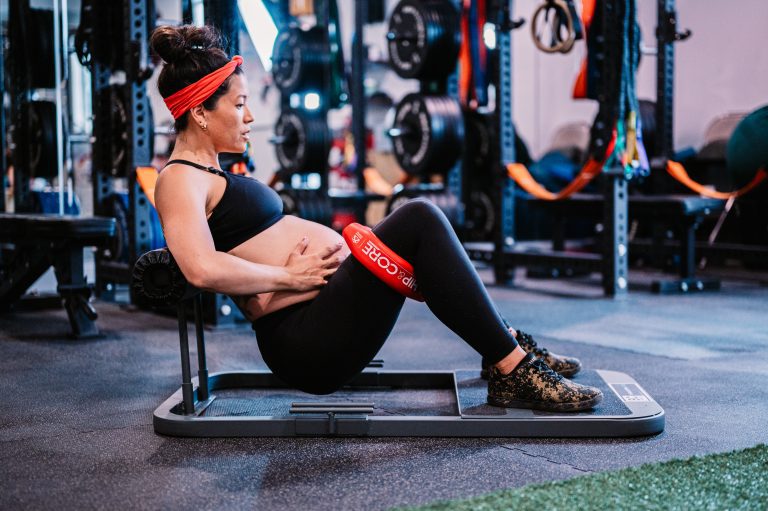
Combine courses and programs for lifetime access and save up to 15% — grouped for birth preparation, the third trimester, or the whole pre and postnatal journey.
Learn more
Bundle · lifetime access
MamasteFit Bundles
Combine courses and programs for lifetime access and save up to 15% — grouped for birth preparation, the third trimester, or the whole pre and postnatal journey.
Learn more
Finding Healing Through Community
One thing that helped me most was choosing to share early in my pregnancies. After my first loss, I realized how important it was to have people who knew — people who could support me when things didn’t go as planned.
Telling others early meant I didn’t have to grieve alone. When I lost those pregnancies, friends checked in, shared their own experiences, and helped me feel less isolated. It reminded me that so many of us have walked this path — we just don’t always talk about it.
Therapy also became an essential part of my healing, especially after my first successful pregnancy following loss. I struggled with postpartum anxiety, constantly fearing something would happen to my baby. Having a therapist helped me work through that fear and regain trust in my body and myself.
For Anyone Navigating Loss
If you’re reading this and you’ve experienced pregnancy or infant loss, please know that you are not alone — even if it feels that way right now.
You did not cause this.
You did nothing wrong.
You are still a mother.
Grieve however you need to. Share when you’re ready. Seek support — from loved ones, therapists, or community groups. And if you choose to try again, give yourself grace to feel whatever comes up — fear, hope, love, anxiety — all of it belongs.
Pregnancy loss changes you. But it also connects you to a quiet, powerful community of people who understand exactly what it feels like to hold love and grief in the same breath.
Supporting Your Body Through Healing
After my losses, I focused on caring for my body as best I could — regulating my thyroid, eating nourishing foods, and moving gently through exercise. One resource that helped me was the Needed Conception Bundle, which supports fertility and egg quality for both partners. It was part of setting my body up for success while recognizing that not everything was in my control.
You can explore Needed’s conception and prenatal products at thisisneeded.com and use code MAMASTEPOD for 20% off.
A Final Message
Pregnancy and infant loss touch far more people than we realize. When we speak openly about it, we help others feel less alone. My hope is that by sharing my story, you feel permission to share yours too — when and how you’re ready.
If you’re grieving today, I’m sending you love, compassion, and the reminder that you are worthy of support.
You are not broken.
You are not alone.
And it is not your fault.
Additional Resources
 On-demand video · 30 workouts
Core, Pelvic Floor & Pelvic Stability
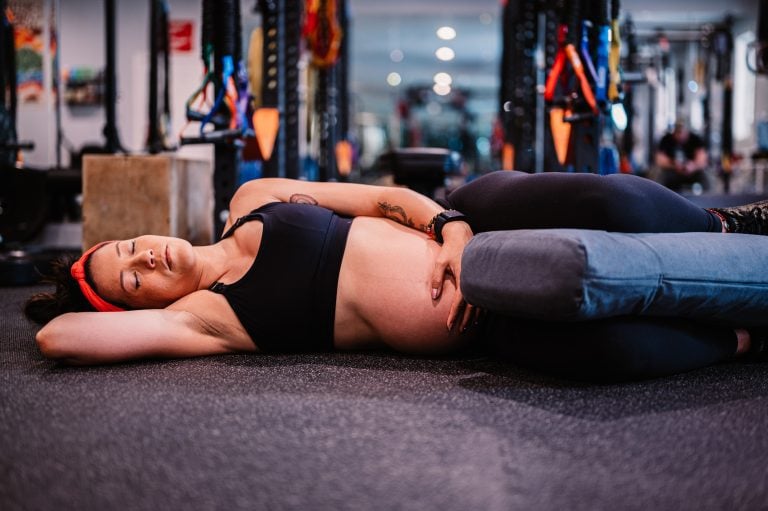
Thirty follow-along workouts across beginner, novice, and advanced levels, ten per level — core and pelvic floor strength for pain relief in pregnancy or postpartum.
Learn more
On-demand video · 30 workouts
Core, Pelvic Floor & Pelvic Stability
Thirty follow-along workouts across beginner, novice, and advanced levels, ten per level — core and pelvic floor strength for pain relief in pregnancy or postpartum.
Learn more
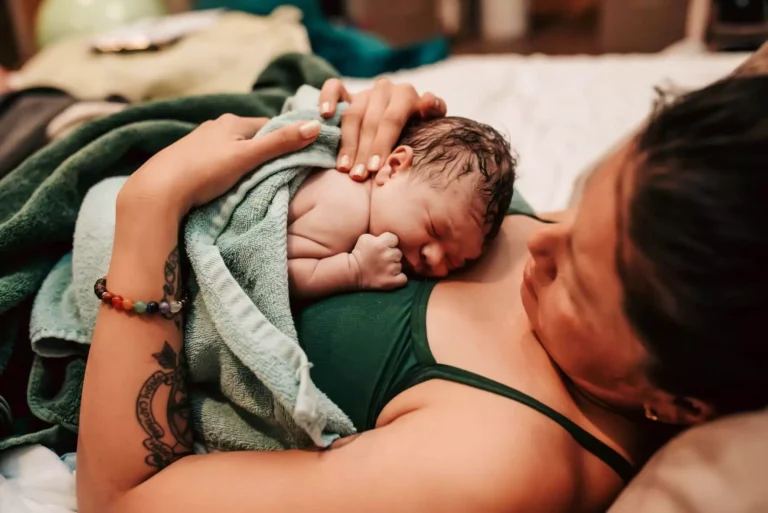 Video course · 9+ hours
Childbirth Education
Over nine hours of video on contractions, comfort measures, pushing, and recovery — so you walk into labor knowing what's happening and what your options are at each stage.
Learn more
Video course · 9+ hours
Childbirth Education
Over nine hours of video on contractions, comfort measures, pushing, and recovery — so you walk into labor knowing what's happening and what your options are at each stage.
Learn more
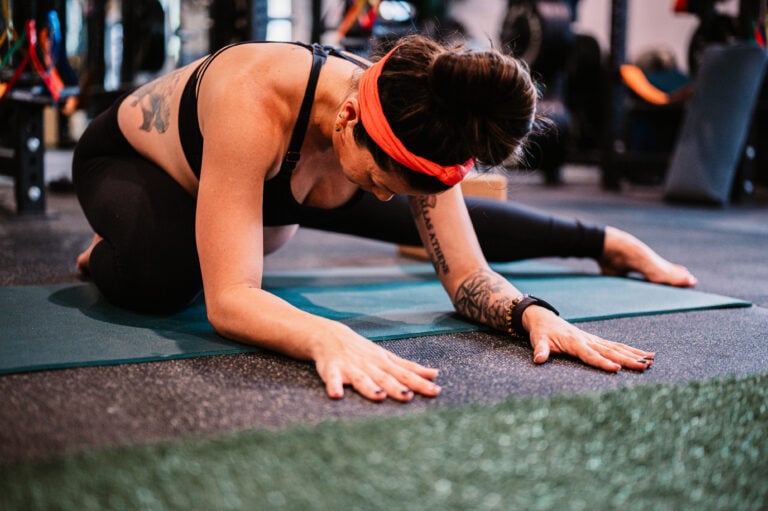 Video course · 7 modules
Prepare Your Pelvic Floor For Birth
Seven modules on releasing the pelvic floor rather than only strengthening it — breathing drills, thoracic and pelvic mobility, and how to relax it during labor.
Learn more
Video course · 7 modules
Prepare Your Pelvic Floor For Birth
Seven modules on releasing the pelvic floor rather than only strengthening it — breathing drills, thoracic and pelvic mobility, and how to relax it during labor.
Learn more