
Table of Contents
If pregnancy has turned going to the bathroom into a daily struggle, you’re definitely not alone. Constipation is one of the most common pregnancy symptoms, and for many people, it begins surprisingly early—even in the first trimester. While it might seem like an inevitable part of pregnancy, understanding why it’s happening can make it much easier to manage.
The good news? There are practical strategies that go beyond simply eating more fiber. Your hormones, posture, growing baby, pelvic floor, hydration, and even the supplements you’re taking all play a role.
Let’s break down why constipation happens and, more importantly, how to relieve constipation during pregnancy immediately—and keep things moving for the long term.
Subscribe to our YouTube Channel for more weekly workouts and educational videos! We publish one new workout video and 2-3 educational videos a week on our channel.
What Is Constipation?
Constipation occurs when stool moves too slowly through your large intestine (colon). As stool sits in the colon longer, your body continues absorbing water from it, making it progressively harder, drier, and more difficult to pass.
Think of it like a traffic jam.
Normally, waste moves steadily through your digestive tract. During constipation, everything slows down, causing a backup. The longer the “traffic” sits, the worse the jam becomes.
A helpful comparison is leaving Play-Doh out overnight. Fresh Play-Doh is soft and pliable. By morning, it’s dry and difficult to mold. Stool behaves similarly inside the colon—the longer it stays there, the harder it becomes.
Ideally, bowel movements should be:
- Soft but formed
- Easy to pass
- Require minimal effort
- Occur regularly without significant straining
Why Is Constipation So Common During Pregnancy?
Pregnancy creates the perfect storm for constipation. Multiple factors work together to slow digestion and make bowel movements more difficult.
1. Pregnancy Hormones Slow Your Digestive System
One of the biggest culprits is progesterone.
Progesterone is an incredible hormone that helps maintain pregnancy and supports your growing baby. However, it also relaxes smooth muscle throughout your body—including the muscles lining your digestive tract.
Normally, your intestines contract rhythmically (called peristalsis) to move stool through the colon.
When progesterone relaxes those muscles:
- Digestion slows down.
- Stool spends more time in the colon.
- More water is absorbed.
- Stool becomes harder and more difficult to pass.
This is often why constipation begins very early in pregnancy—sometimes before your belly has even started growing.
2. Your Growing Baby Changes Your Anatomy
As pregnancy progresses, your uterus expands dramatically.
That growing uterus doesn’t just push upward—it also changes the position of your intestines and colon.
This can create areas where stool moves less efficiently, almost like slight bends or compression points along the digestive tract.
These aren’t dangerous changes—they’re simply the result of making room for your growing baby.
3. Iron Supplements Can Make Constipation Worse
Iron supplements are incredibly important for many pregnant people, especially if anemia develops.
Unfortunately, iron is also well known for causing digestive side effects, including:
- Hard stools
- Slower digestion
- Increased bloating
- Constipation
If your constipation became noticeably worse after starting an iron supplement, it may be contributing.
Never stop an iron supplement without discussing it with your healthcare provider, but they may recommend:
- A different formulation
- A lower dose
- Taking it differently
- Additional strategies to offset constipation
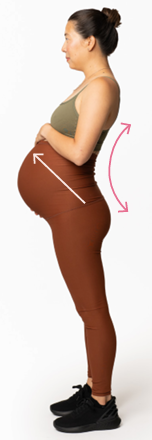
4. Changes in Posture Affect Your Digestive System
As your belly grows, your center of gravity shifts.
Most pregnant people naturally lean backward slightly to accommodate the extra weight in front.
These posture changes influence how your organs sit within your abdomen, including your colon.
While posture isn’t usually the primary cause of constipation, it can contribute to slower bowel movements—especially when combined with hormonal changes.
The Overlooked Cause: Your Pelvic Floor
One of the most overlooked contributors to constipation is the pelvic floor.
Many people assume constipation is only about the digestive system, but your pelvic floor plays a huge role in actually allowing stool to leave your body.
Your pelvic floor muscles surround the rectum.
To have a bowel movement, these muscles must:
- Relax
- Lengthen
- Open
If they’re gripping or holding tension—particularly the posterior (back) portion of the pelvic floor—it becomes much harder for stool to pass.
This is especially common during pregnancy due to:
- Changes in posture
- Increased pelvic pressure
- Protective muscle guarding
- Previous history of constipation
Interestingly, many people who struggled with constipation before pregnancy continue experiencing it during pregnancy because pelvic floor tension was already present.
Why Straining Makes Things Worse
When constipation hits, it’s tempting to push harder.
Unfortunately, excessive straining often creates more problems than it solves.
Repeated straining increases your risk of:
- Hemorrhoids
- Anal fissures
- Increased pelvic floor tension
- Painful bowel movements
- Pelvic floor dysfunction
Instead of forcing a bowel movement, focus on creating the conditions that allow your body to relax.
The Best Toilet Position to Relieve Constipation During Pregnancy
One of the simplest changes you can make is improving your toilet posture.
Modern toilets place us in a fairly upright sitting position, which actually makes passing stool more difficult.
Instead, try elevating your feet on a small stool or a Squatty Potty.
This creates:
- Knees higher than hips
- Less than a 90-degree hip angle
- A position that better aligns the rectum
- Improved pelvic floor relaxation
This small adjustment alone can make bowel movements significantly easier.
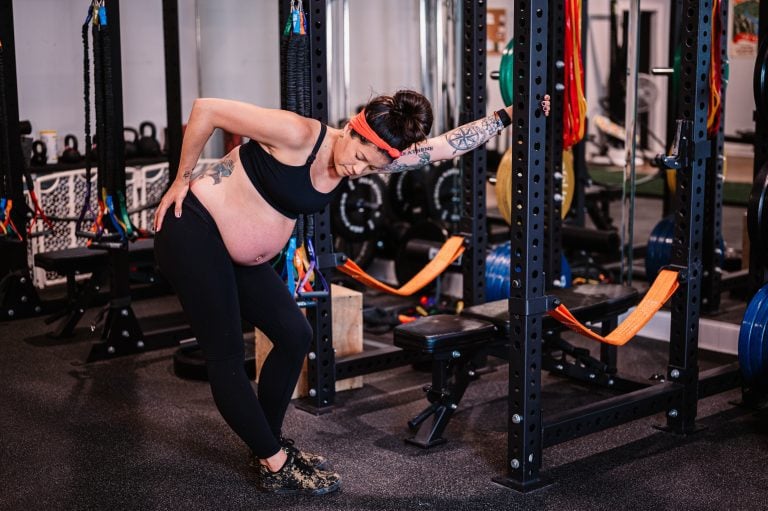 On-demand video · 128 workoutsPrenatal Workout On-DemandFollow-along workouts from week 5 to week 41, four or five a week with guided warm-ups and cool-downs — over 128 sessions coached in real time alongside the video.Learn more
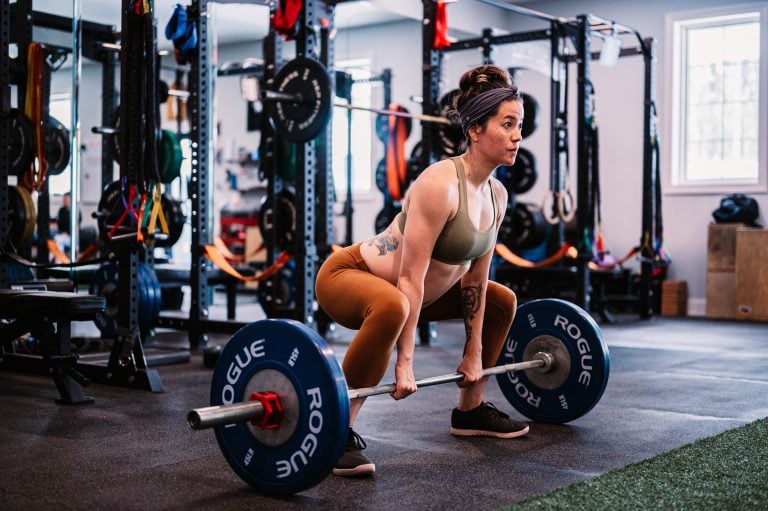 App program · 40 weeksPrenatal Strength TrainingA gym-based program that syncs to your current week of pregnancy — four strength sessions plus one pelvic stability workout a week, with demo videos for every exercise.Learn more
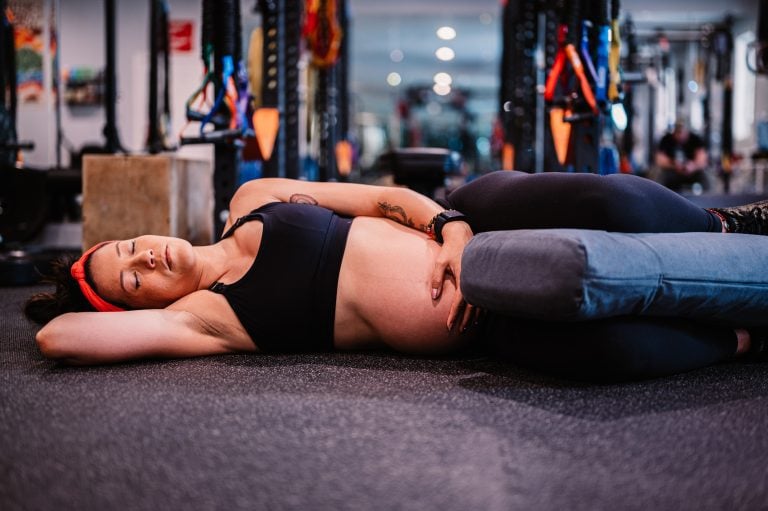 On-demand video · 30 workoutsCore, Pelvic Floor & Pelvic StabilityThirty follow-along workouts across beginner, novice, and advanced levels, ten per level — core and pelvic floor strength for pain relief in pregnancy or postpartum.Learn more
Use Your Breath Instead of Holding It
Breathing plays an enormous role in pelvic floor function.
Instead of holding your breath and pushing forcefully:
- Take a slow inhale.
- Feel your pelvic floor gently soften and expand.
- Exhale while applying gentle downward pressure.
- Continue breathing normally throughout the bowel movement.
This coordinated breathing encourages the pelvic floor to lengthen instead of tightening against the pressure.
Movement Helps Your Digestive System Move Too
Gentle exercise stimulates intestinal contractions, helping stool move through the colon.
Excellent options include:
- Walking
- Swimming
- Prenatal strength training
- Yoga
- Gentle squats
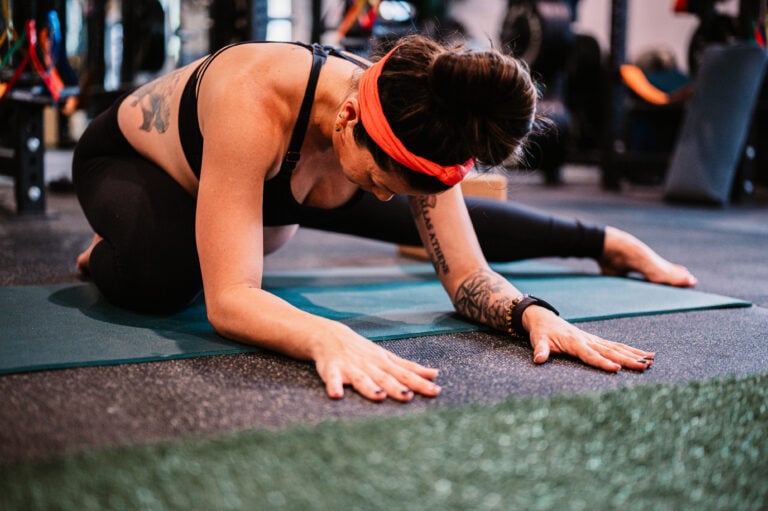
- Child’s Pose
Child’s Pose can be especially helpful because it both:
- Encourages pelvic floor relaxation
- Provides gentle abdominal compression
Even a short walk before attempting a bowel movement may help stimulate your digestive tract.
Hydration Matters More Than You Think
Water is essential for keeping stool soft.
During pregnancy, many providers recommend aiming for approximately 80–100 ounces of water daily, although individual needs vary based on activity level, climate, and overall health.
One simple way to gauge hydration is to pay attention to your thirst:
- If you feel intensely thirsty when you drink, you may already be behind on fluids.
- If a few sips satisfy your thirst, you’re more likely to be well hydrated.
Consistent hydration helps prevent stool from becoming excessively dry as it moves through your colon.
Don't Forget Fiber
Fiber works by adding bulk while helping stool retain water.
Many people simply don’t consume enough fiber during pregnancy.
Some excellent options include:
- Chia seeds
- Fruits
- Vegetables
- Whole grains
- Beans
- Fiber supplements (when recommended)
If increasing fiber, increase your water intake as well. Fiber without adequate hydration can sometimes worsen constipation.
Can Magnesium Help?
Many pregnant people find magnesium helpful for constipation.
Magnesium can help draw water into the intestines, making stool softer and easier to pass.
There are multiple forms available, and different types may have different effects. Before starting any supplement—including magnesium—talk with your healthcare provider to determine what’s appropriate for your pregnancy.
When Stool Softeners or Laxatives May Be Appropriate
Sometimes lifestyle changes aren’t enough.
If constipation becomes severe or persistent, your healthcare provider may recommend over-the-counter options such as:
- Stool softeners
- Osmotic laxatives
These medications can help “reset” the system while you continue working on long-term habits like hydration, fiber intake, movement, and pelvic floor relaxation.
Always consult your provider before starting medications during pregnancy, especially if constipation is severe or accompanied by significant pain.
Release Pelvic Floor Tension
If pelvic floor tension is contributing to constipation, incorporating relaxation-focused movements into your routine can make a meaningful difference.
Helpful strategies include:
- Hip shifts
- Child’s Pose with focused breathing
- Pelvic floor relaxation exercises
- Gentle mobility work
Rather than strengthening the pelvic floor, the goal is helping the muscles learn to relax and create space for an easier bowel movement.
When Should You Talk to Your Healthcare Provider?
While constipation is common, it’s still worth discussing at your prenatal visits—especially if you experience:
- Persistent constipation despite lifestyle changes
- Severe abdominal pain
- Blood in your stool
- Significant hemorrhoids
- Inability to pass stool for several days
- Painful bowel movements
Your provider can determine whether additional treatment is needed and ensure another medical condition isn’t contributing to your symptoms.
Why Addressing Constipation Before Labor Matters
Managing constipation during pregnancy isn’t just about feeling more comfortable.
A colon that’s backed up with hard stool can increase discomfort late in pregnancy and may even make it more challenging for your baby to descend into the pelvis during labor. Clearing constipation before birth can also make the early postpartum period more comfortable, when bowel movements can already feel intimidating.
Creating healthy bowel habits during pregnancy helps set you up for a smoother recovery after delivery.
Key Takeaways
Constipation during pregnancy is incredibly common, but that doesn’t mean you have to simply suffer through it. Hormonal changes, your growing uterus, iron supplements, hydration, nutrition, posture, and pelvic floor function all influence how easily your digestive system works.
If you’re struggling, start with the basics:
- Stay well hydrated.
- Increase your fiber intake gradually.
- Move your body daily.
- Improve your toilet posture with your knees higher than your hips.
- Use coordinated breathing instead of straining.
- Address pelvic floor tension with relaxation-focused movement.
If constipation continues despite these strategies, don’t hesitate to reach out to your healthcare provider. They can help identify the underlying cause and recommend safe treatment options so you can stay more comfortable throughout pregnancy.
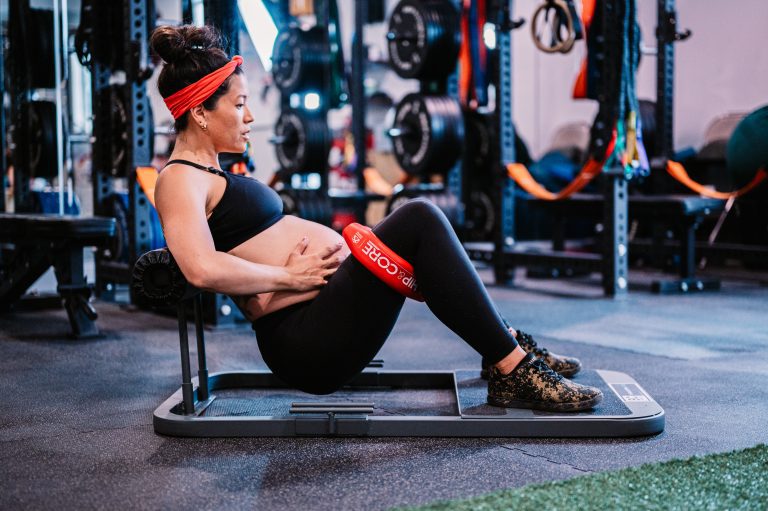 Bundle · lifetime accessMamasteFit BundlesCombine courses and programs for lifetime access and save up to 15% — grouped for birth preparation, the third trimester, or the whole pre and postnatal journey.Learn more
 Video course · 7 modulesPrepare Your Pelvic Floor For BirthSeven modules on releasing the pelvic floor rather than only strengthening it — breathing drills, thoracic and pelvic mobility, and how to relax it during labor.Learn more
 Membership · ongoingBeyond Postpartum Strength TrainingAn ongoing subscription with a new training cycle every 6 to 10 weeks — strength endurance, max strength, then power, with deload weeks and running add-ons.Learn more