



If you’ve been feeling unusually tired, short of breath, dizzy, or even craving ice during pregnancy, you might be experiencing something incredibly common: iron deficiency anemia. As your body works overtime to support your growing baby, your blood volume increases dramatically — and so does your need for iron. In this blog, we’ll break down what iron deficiency anemia is, why it happens in pregnancy, how it’s diagnosed, and what you can do to treat or prevent it.
Subscribe to our YouTube Channel for more weekly workouts and educational videos! We publish one new workout video and 2-3 educational videos a week on our channel.
What Is Iron Deficiency Anemia?
Anemia occurs when you don’t have enough healthy red blood cells — specifically hemoglobin, the oxygen-carrying protein found in red blood cells. Hemoglobin transports oxygen from your lungs to the rest of your body and, during pregnancy, to your developing baby.
In pregnancy, your blood volume nearly doubles, which means your need for hemoglobin and iron increases significantly. Without enough iron to build hemoglobin, you may experience symptoms such as:
Extreme fatigue
Shortness of breath
Dizziness or feeling lightheaded
Heart palpitations
Unusual cravings like ice or non-food items (known as pica)
Iron deficiency anemia affects an estimated 5% to 20% of pregnant individuals, making it one of the most common conditions monitored during prenatal care.
Why Iron Matters During Pregnancy
Your body relies heavily on iron to create hemoglobin. While we do get small amounts of iron through diet and supplements, most of the iron in your body is actually recycled. When red blood cells naturally break down, your body conserves and reuses that iron.
But in pregnancy, the demand is much higher:
You need more iron to create additional red blood cells
You need more oxygen delivered to your tissues
You’re supplying oxygen to your baby
If your iron stores — measured by a lab test called ferritin — are already low at the start of pregnancy, you’re more likely to develop iron deficiency anemia.
How Anemia Is Diagnosed During Pregnancy
Iron deficiency anemia is routinely screened for in pregnancy because of its potential impact on both parent and baby. Testing typically occurs:
Early in pregnancy during your initial prenatal bloodwork
Again in the second or early third trimester, often during the gestational diabetes screening visit
Two key lab values are assessed:
Hemoglobin
Ideally above 11 during pregnancy
Ferritin (iron stores)
Ideally above 30
If hemoglobin is low, a ferritin level helps confirm whether iron deficiency is the cause or whether another type of anemia may be present.
Do All Pregnant People Need Iron Supplements?
While many prenatal vitamins include iron — and guidelines often encourage supplementing — iron supplementation isn’t universally necessary.
Some people tolerate iron supplements well, but others experience:
Nausea
Constipation (already common during pregnancy)
Stomach discomfort
If you don’t need extra iron, taking unnecessary supplements may worsen these symptoms. On the other hand, if you do need iron, taking it separately from your prenatal vitamin may help with absorption. Certain nutrients in a prenatal can interfere with iron uptake, making a standalone supplement more effective.
Recognizing Symptoms of Iron Deficiency Anemia
Some symptoms — like fatigue or mild shortness of breath — are normal during pregnancy. But anemia symptoms tend to be more intense.
You may need to be evaluated sooner if you experience:
Shortness of breath during simple activities
Persistent or worsening fatigue
Dizziness or feeling faint
Heart palpitations
Craving ice (a classic pica symptom)
Attraction to unusual smells such as bleach or metal
If these occur, your provider may order a CBC (complete blood count) to check hemoglobin levels earlier than the routine screening schedule.
Treatment Options for Iron Deficiency Anemia
If you’re diagnosed with iron deficiency anemia, treatment typically begins with:
1. Oral Iron Supplements
Most providers recommend 60–120 mg of elemental iron daily, depending on your lab results and individual needs. Working with a nutritionist can also be helpful since diet plays an important role in improving iron levels.
2. Dietary Changes
Incorporating more iron-rich foods can support supplementation:
Red meat
Dark leafy greens
Beans and lentils
Iron-fortified grains
Vitamin C–rich foods to improve absorption
3. Trying Different Iron Formulations
Some iron products may cause fewer digestive symptoms. For example, in my own pregnancies, I found that Needed’s iron offered effective absorption with noticeably less GI upset compared to other brands.
4. Infusions When Necessary
If oral supplementation and dietary changes aren’t enough — or if anemia is severe — your provider may recommend:
IV iron transfusion
Blood transfusion (rare but possible in severe cases)
These options help bring levels up more quickly, especially as birth approaches.
Why Treating Anemia Matters Before Birth
Untreated iron deficiency anemia can increase the risk of several complications, including:
Preterm birth
Low birth weight
Identifying and treating anemia early helps reduce these risks, making routine bloodwork and symptom awareness incredibly important.
When to Reach Out to Your Provider
Contact your provider if you experience:
Increased shortness of breath
Episodes of dizziness
Irregular heartbeats
Persistent fatigue
Pica or unusual cravings
A sudden change in your energy levels
Early intervention can make a significant difference in how you feel throughout pregnancy — and how smoothly your birth and recovery go.
Final Thoughts
Iron deficiency anemia is common, highly treatable, and something your prenatal team is already watching for. By understanding the symptoms, staying on top of your bloodwork, and following your provider’s recommendations, you can support both your health and your baby’s well-being.
If you’re looking for additional pregnancy or postpartum support, be sure to check out MamasteFit’s online childbirth education courses and fitness programs designed specifically for each stage of the journey.
Prenatal Support Courses
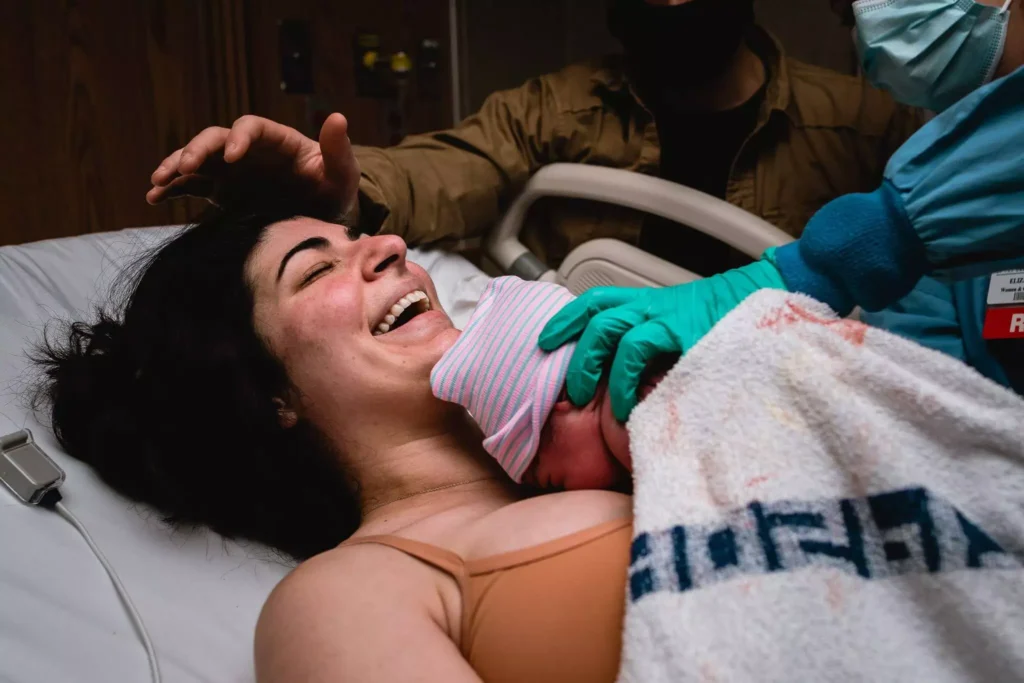

Learn the science of pregnancy and birth to take the mystery of labor away! Understand why you are feeling what you feel, and learn strategies to confidently move through pregnancy and birth!
- 9h+ of Video
- Support Group
- Close Captioning
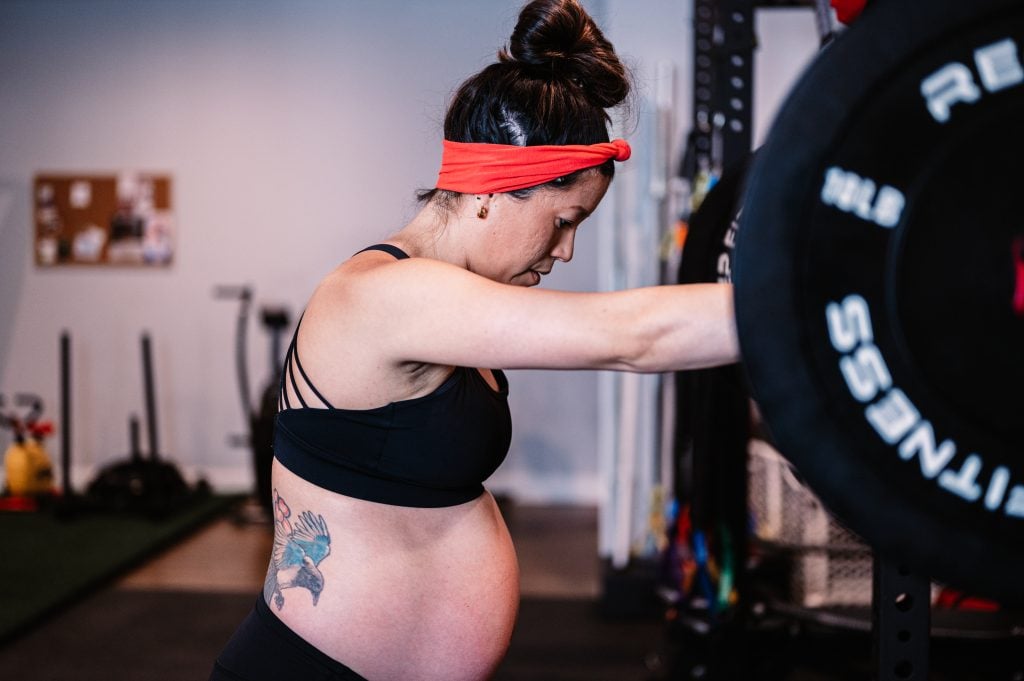

- 5 Workouts/Week
- Gym Workouts
- Self-Paced

Instructor
GINA
Workout on-demand with our prenatal fitness workout videos! Each workout is 30-40 minutes to follow along as you exercise at the same time!
- Birth Prep
- All Trimesters
- Mobility Work

Instructor
GINA
Find comfort and relief from pelvic girdle pain throughout your pregnancy and postpartum period! This program incorporates myofascial sling focused exercises to stabilize across the pelvic girdle joints.
- 3 Weeks
- On Demand Workout Videos to Follow