Debunking Postpartum Myths: Addressing Unfair Criticisms and Real Postpartum Recovery
Motherhood, Postpartum
In today’s digital landscape, sharing personal experiences online can be both enlightening and risky. Recently, I faced backlash from a troll who criticized my postpartum journey, declaring that I had done it all wrong. This encounter not only sheds light on the pressure new mothers face to conform to a specific postpartum narrative but also highlights the importance of individual experiences and choices in recovery.
Subscribe to our YouTube Channelfor more weekly workouts and educational videos! We publish one new workout video and 2-3 educational videos a week on our channel.
The Critique of a Postpartum Journey
My story begins with a social media post where I candidly shared my postpartum experience. While I expected to connect with other mothers, I was also met with fierce criticism. The troll, who reshared my postpartum reels, claimed that my approach was symptomatic of a flawed societal culture around postpartum recovery. The assertion? If I had merely rested in bed for six weeks, I wouldn’t be struggling with anxiety.
The irony here is striking. As a mother of four with significant experience, I found myself being told by someone outside my life what I should have done. It’s a stark reminder of how societal pressures can infiltrate personal journeys, particularly in the realm of motherhood.
Understanding Postpartum Recovery
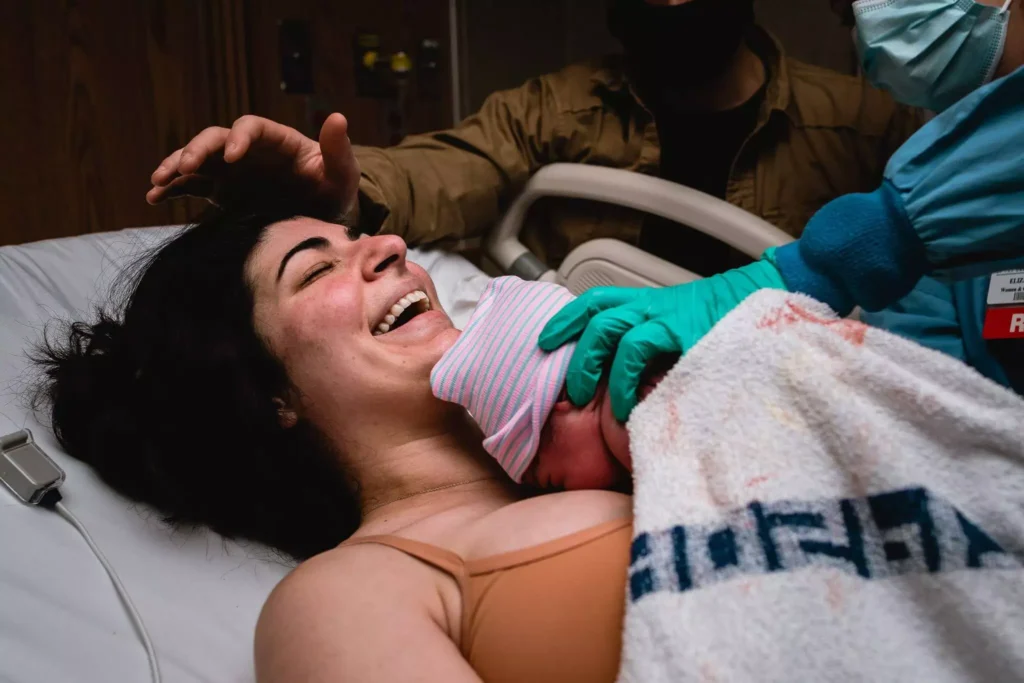
So, what does a “correct” postpartum experience look like? The truth is, there is no one-size-fits-all answer. Each woman’s postpartum journey is as unique as her birth experience. For me, after two weeks of resting and being supported by my family, I felt ready to gently re-enter my normal life. This included attending my book launch and taking my children to the park.
Yet, according to the troll, this was the wrong choice. My experience raises critical questions about postpartum expectations: Should new mothers remain bedridden for six weeks? Is there truly only one way to heal after giving birth?
The notion of a strict six-week recovery is rooted in traditions from various cultures, including East Asian practices where postpartum confinement is common. However, these cultural practices often allow for gradual movement after the first week or two, contrary to the misconception that new mothers must be immobile.
Of course, there is a biological necessity of early postpartum rest due to the physical healing of the uterus, which can take about one to two weeks. However, this doesn’t equate to complete bed rest. Movement, as long as it’s gentle and aligned with how a mother feels, is crucial for recovery. I really like to advocate for a “5-5-5” approach: five days of rest in bed, five days of light movement around the home, and five days of gradually venturing outside.
Individual Experiences Matter
I want to acknowledge that each woman’s body is different. Factors such as birth experience, personal support systems, and mental health all play significant roles in postpartum recovery. My history of anxiety did not arise simply from my postpartum activities; it’s a complex interplay of my past experiences and current realities.
I want to be clear: it’s harmful to blame mothers for their mental health struggles based solely on their postpartum choices. The pressure to conform to an unrealistic standard can prevent women from seeking help or feeling comfortable sharing their experiences.
The conversation about postpartum recovery highlights a crucial need for supportive communities. Whether it’s from family, friends, or professionals, having a support system can dramatically influence a mother’s recovery. While I advocate for resting and healing, I also recognize that every woman’s journey will look different.
In conclusion, my encounter with online trolls underscores a broader societal issue regarding motherhood and postpartum recovery. Rather than adhering to rigid expectations, mothers should feel empowered to define their journeys. Recovery doesn’t follow a set timeline or checklist; it’s an evolving process that demands compassion and understanding.
So, to all new mothers navigating their postpartum journeys: know that you are not alone. Your experience is valid, and your choices are yours to make. Embrace your unique path and seek the support you need. And remember, it’s okay to share your story—because in doing so, you might just empower someone else to find their voice too.
If you’re looking for more insights into motherhood, postpartum recovery, and supportive practices, be sure to subscribe to our channel. Let’s create a community that uplifts and supports each other through the beautiful yet challenging journey of motherhood!
Learn the science of pregnancy and birth to take the mystery of labor away! Understand why you are feeling what you feel, and learn strategies to confidently move through pregnancy and birth!
Find comfort and relief from pelvic girdle pain throughout your pregnancy and postpartum period! This program incorporates myofascial sling focused exercises to stabilize across the pelvic girdle joints.