
Table of Contents
Welcome to the MamasteFit Blog! Join Gina, a perinatal fitness trainer and author of Training for Two, for a dynamic lower body postpartum workout focused on introducing impact and strengthening exercises. This workout is aimed at helping postpartum mothers return to fitness, including running and jumping, and is a portion of our full fitness program designed to introduce impact gradually while strengthening key muscles. It includes exercises that challenge balance, build muscle endurance, and improve hip stability and is suitable for the first half of pregnancy or the postpartum phase and of course, you can customize the intensity based on your current fitness level and comfort. Incorporating various exercises like ball taps, crossover step-ups, bird dog rows, and Copenhagen planks, this session is designed to bridge the gap between rehab and full fitness.
Why Lower Body Strength Matters Postpartum
Your lower body plays a critical role in stabilizing and propelling you during high-impact activities like running. Pregnancy and childbirth can weaken the muscles and tissues that support your pelvic floor and core, increasing the risk of injury or discomfort when you attempt to return to these activities too soon. Strengthening your lower body helps bridge the gap between rehab and a full return to fitness, setting you up for success in both exercise and daily life.
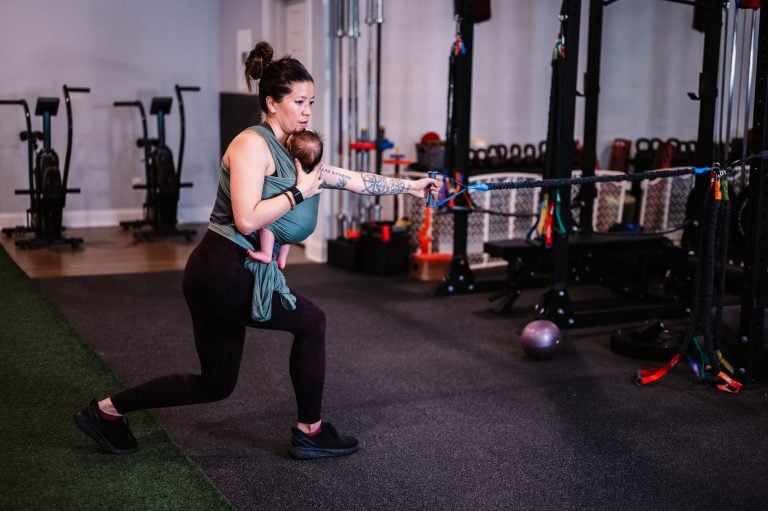 App program · 16 weeksPostpartum Return to FitnessSixteen weeks of rebuilding, four strength sessions a week, with a vaginal or cesarean recovery track and follow-along videos for the first six weeks.Learn more
 App program · 64 daysPostpartum Return to RunningSixty-four training days, four sessions a week, with plyometrics and running programming beginning at week seven — a structured way back to your first run.Learn more
 App programTrain for a Marathon After BabyProgressive run workouts and strength training from 5K to the marathon finish — long runs, tempo work, easy miles, and a weekly pelvic stability session.Learn more
The Postpartum Workout
This postpartum workout is a portion of our fitness program designed to introduce impact gradually while strengthening key muscles. It includes exercises that challenge balance, build muscle endurance, and improve hip stability. Start with two rounds of the circuit, adding an optional third round if you feel strong enough. Adjust the difficulty of each exercise by modifying speed, resistance, or range of motion. Always listen to your body and avoid pushing through pain or discomfort.
1. Ball Taps
Duration: 45 seconds
Instructions:
Hop lightly from foot to foot, either keeping the toes on the ground or lifting them for small hops. Gradually increase speed or height if comfortable. Focus on maintaining a steady ribcage-to-pelvis alignment.Why It Helps:
This exercise introduces low-impact movement and helps the pelvic floor respond dynamically to impact, mimicking the demands of running.


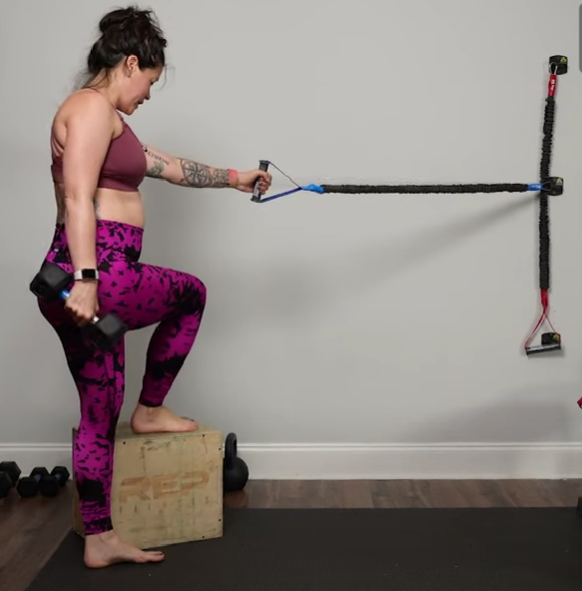
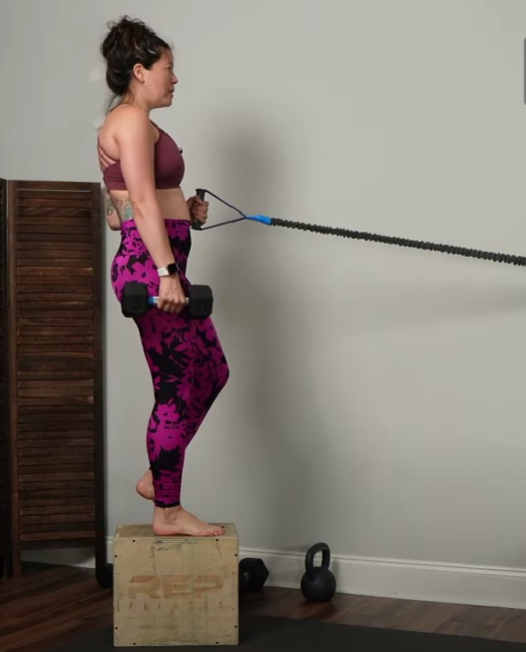
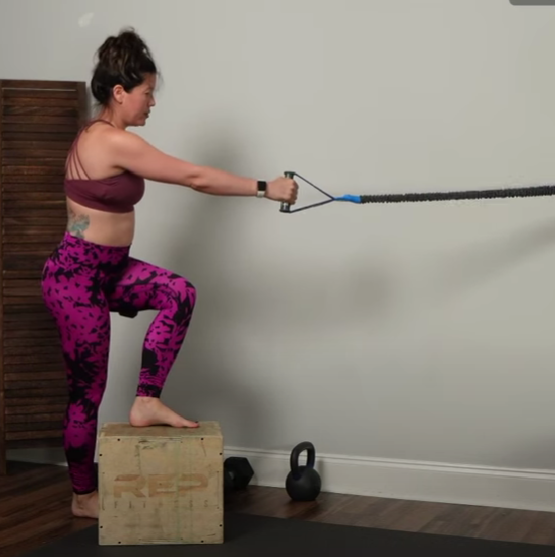
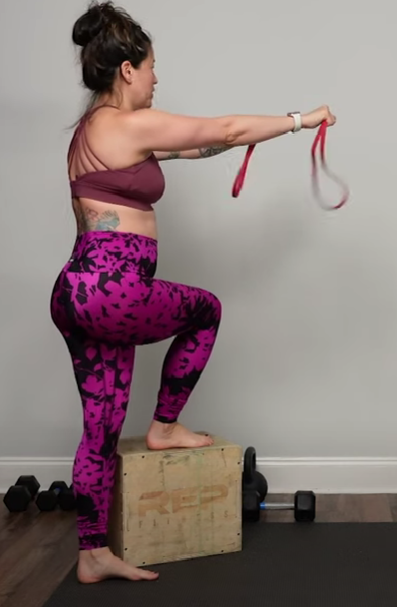
2. Crossover Step-Ups with Banded Row
Reps: 30 seconds per side
Instructions:
Place one foot on an elevated surface, holding a resistance band. Step up while rowing the band back, then lower down slowly. Maintain control and focus on keeping the pelvis stable.Why It Helps:
Step-ups strengthen your quads, glutes, and hamstrings while the row engages your upper body and improves coordination.


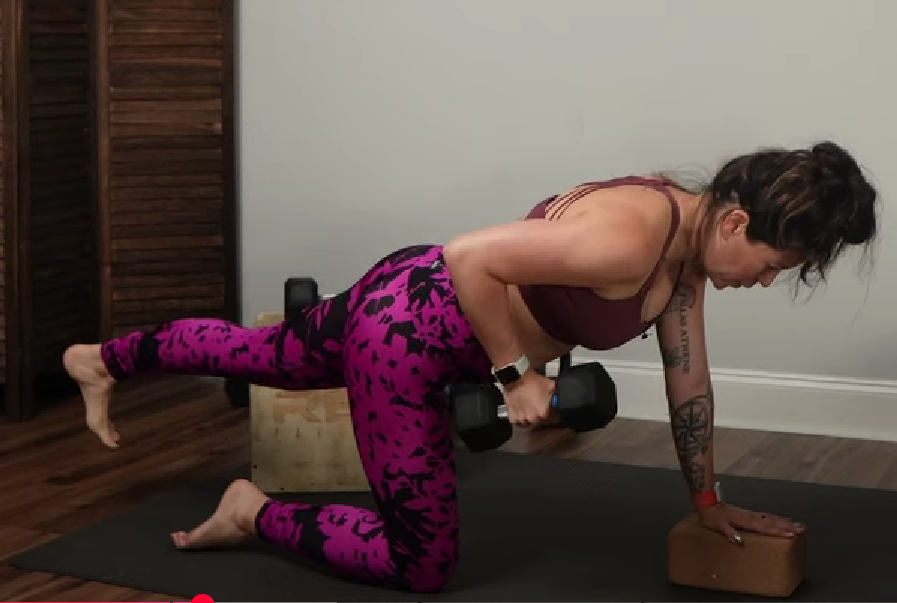
3. Bird Dog Row
Reps: 30 seconds per side
Instructions:
In a tabletop position, extend one leg back while rowing a dumbbell with the opposite arm. Keep the pelvis stable and avoid arching the back.Why It Helps:
This core-stabilizing move strengthens your back, shoulders, and glutes, improving overall balance and running mechanics.


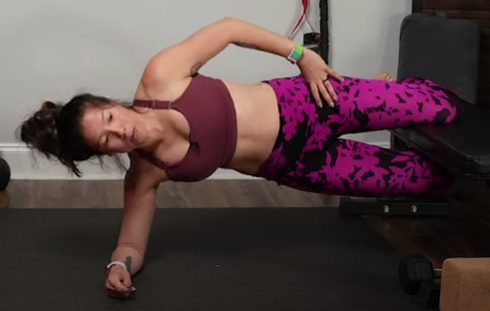
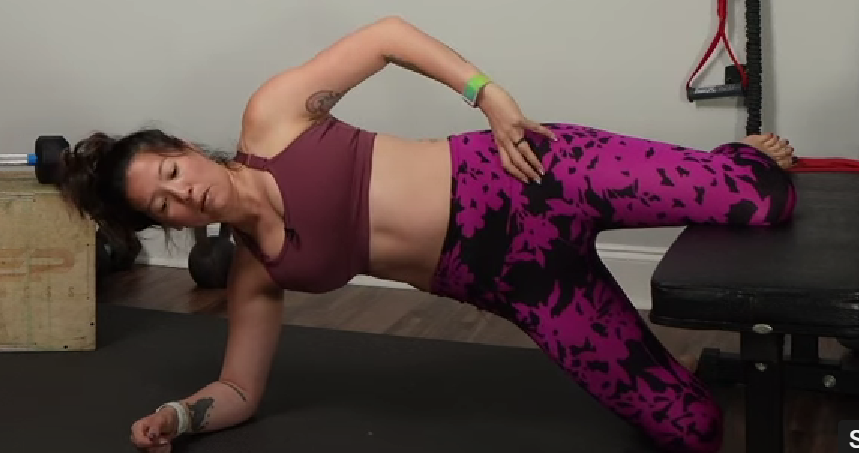
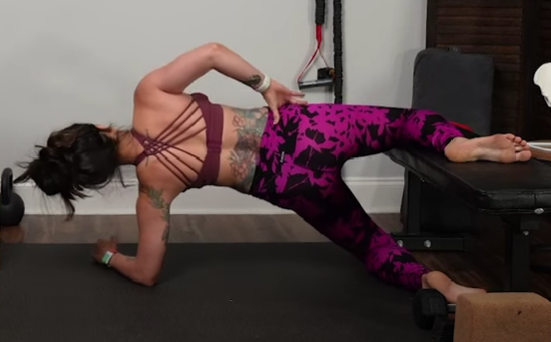
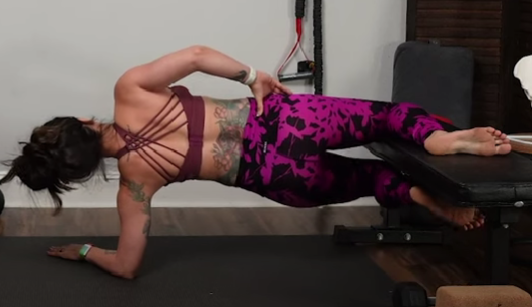
4. Copenhagen Plank
Reps: 30 seconds per side
Instructions:
Place your top leg on an elevated surface with the bottom leg either lifted or supported on the floor. Engage your inner thighs and core to hold the position.Why It Helps:
This exercise targets the adductors (inner thighs), which are essential for hip stability, especially during running.
Want Another Workout? Checkout the Video Below!
Conclusion
This workout is just one piece of our postpartum fitness programs, designed to help you recover from pregnancy, build strength, and return to running safely. Whether you prefer app-based programs with short demos or follow-along videos, we have options tailored to your needs.
Ready to reclaim your fitness and feel strong in motherhood? Explore our postpartum programs at MamasteFit and use code YOUTUBE10 to get 10% off. Start small, stay consistent, and celebrate every step of progress on your journey back to running.
Membership · ongoingBeyond Postpartum Strength TrainingAn ongoing subscription with a new training cycle every 6 to 10 weeks — strength endurance, max strength, then power, with deload weeks and running add-ons.Learn more App program · 16 weeksAfter C-Section Recovery WorkoutSixteen weeks of cesarean-specific rebuilding with scar mobilization included — developed with physical therapist and two-time c-section mom Casey.Learn more
 Video course · 3+ hoursC-Section Scar MobilizationOver three hours of video on scar mobilization technique and movement for recovery, plus a live webinar every other month you can attend or watch back.Learn more