
Table of Contents
Welcome to the MamasteFit Blog! I’m Gina, a perinatal fitness trainer, birth doula, and now a proud mom of four. Recently, I welcomed my fourth baby into the world through an unmedicated home birth. The journey was intense, particularly because my labor turned out to be much faster than I had anticipated: a precipitous birth (aka a labor that usually lasts about 3 hours or less from the start of regular contractions). Today, I want to share my experience with the labor comfort tools I prepared and what I actually used during my precipitous labor.
Preparation for Labor
In my previous videos, I outlined all the comfort tools I had set up for my birth. From heating pads to labor balls, I was ready for anything. However, as many seasoned moms know, no two labors are alike. While I had a plethora of options prepared, I ended up using far fewer tools than I thought I would.
What I Used During My Precipitous Birth
1. Heating Pad
The first comfort tool I turned to was my heating pad. In early labor, I found it incredibly soothing. The one I used was a wireless model from Pixie Cup, which featured a velcro strap and was large enough to cover the entirety of my lower belly. The warmth helped reduce the intensity of my contractions, making early labor much more manageable.
2. Hip Squeezes from My Husband
Throughout early labor and into early active labor, my husband provided much-needed support by performing hip squeezes. This hands-on comfort technique was invaluable, allowing me to focus on my breathing and the rhythm of my body while managing the waves of contractions.

3. Birth Comb
As I transitioned to early active labor, I decided to try the birth comb for distraction. Although it was somewhat helpful, I found that it didn’t provide the pain relief I had hoped for. Instead, I instinctively reached for my husband’s hands to squeeze during contractions, which felt much more effective for me.


4. Water Therapy: Birth Pool and Shower
As labor intensified, I relied heavily on hydrotherapy. I alternated between the birth pool and the shower, spending about 45 minutes in each to ease the discomfort. The weightlessness in the pool was liberating, and the warm water of the shower helped me release tension. As my contractions grew stronger, the water became my sanctuary.


5. Support from Family
During my active labor phase, I was fortunate to have my sister by my side. She helped by gently jiggling my thighs and glutes, which provided incredible relief as I held onto my husband. This support system was essential, allowing me to stay grounded during the intensity of my labor.
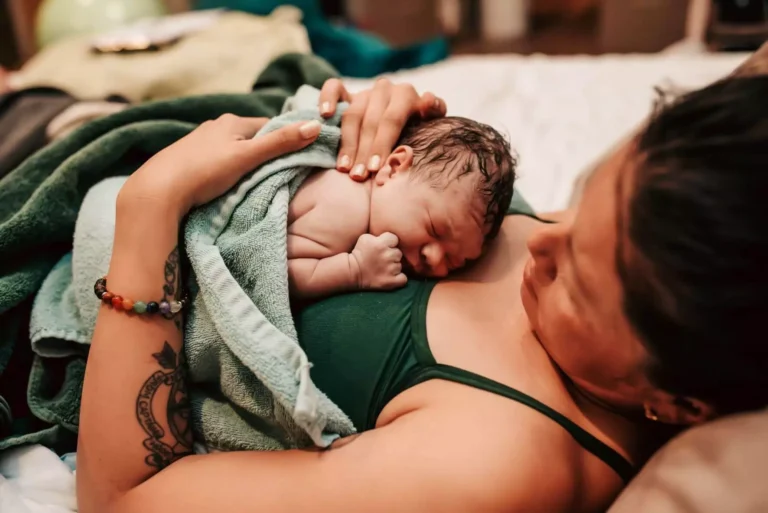 Video course · 9+ hours
Childbirth Education
Over nine hours of video on contractions, comfort measures, pushing, and recovery — so you walk into labor knowing what's happening and what your options are at each stage.
Learn more
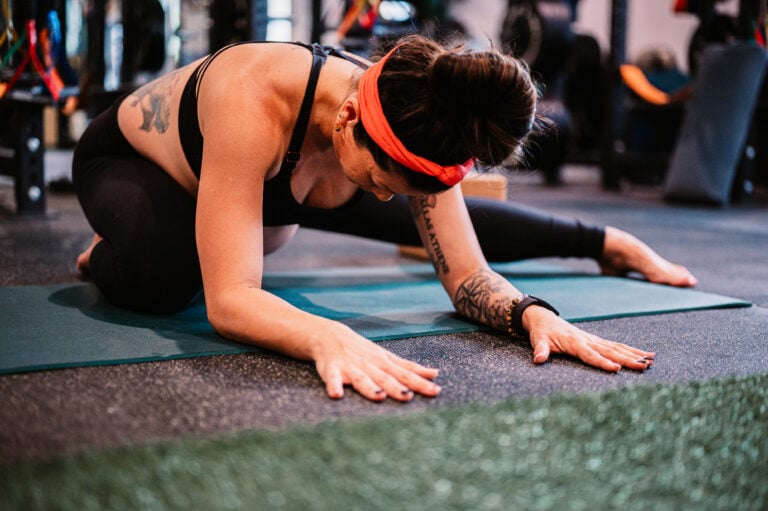 Video course · 7 modules
Prepare Your Pelvic Floor For Birth
Seven modules on releasing the pelvic floor rather than only strengthening it — breathing drills, thoracic and pelvic mobility, and how to relax it during labor.
Learn more
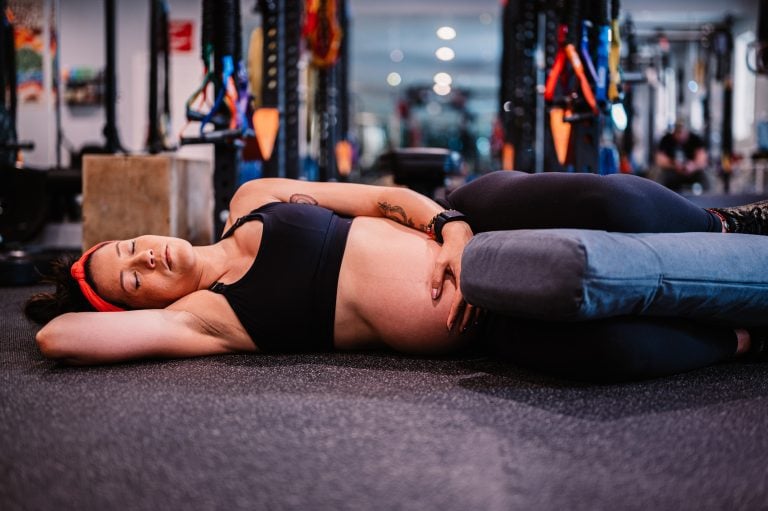 On-demand video · 24 workouts
Birth Prep Workout Program
Twenty-four workouts that open the pelvis for each stage of labor — strength, mobility, and positioning you can start at any fitness level, 15 to 30 minutes each.
Learn more
Reflecting on the Experience
Looking back, I realized that I didn’t need to use most of the tools I had prepared. The heating pad and my family’s support were the most crucial components of my comfort measures. The birth experience was empowering, and I felt an overwhelming sense of gratitude for the support team that helped me through.
If you’re interested in hearing the full story of my birth experience, I’ve linked a video below that dives deeper into what unfolded. I hope that by sharing my journey, I can provide insight and encouragement to those preparing for their own births.
Check out Gina's Home Birth Story!
On-demand video · 30 workouts
Core, Pelvic Floor & Pelvic Stability
Thirty follow-along workouts across beginner, novice, and advanced levels, ten per level — core and pelvic floor strength for pain relief in pregnancy or postpartum.
Learn more
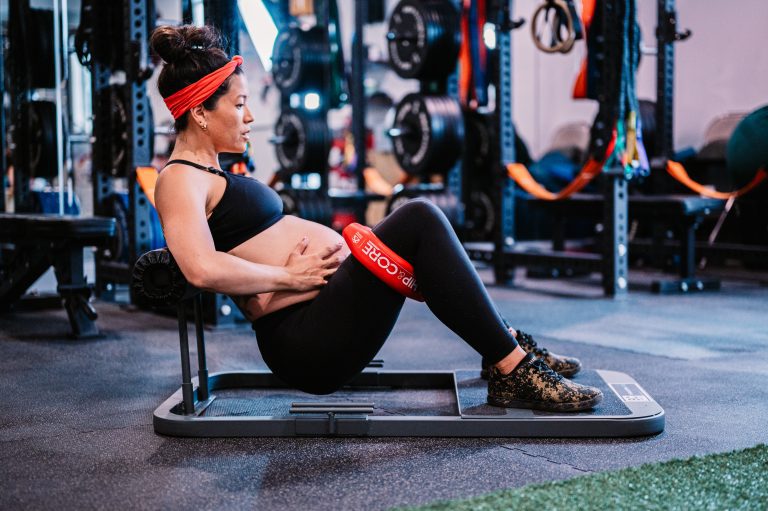 Bundle · lifetime access
MamasteFit Bundles
Combine courses and programs for lifetime access and save up to 15% — grouped for birth preparation, the third trimester, or the whole pre and postnatal journey.
Learn more
 App program · 40 weeks
Prenatal Strength Training
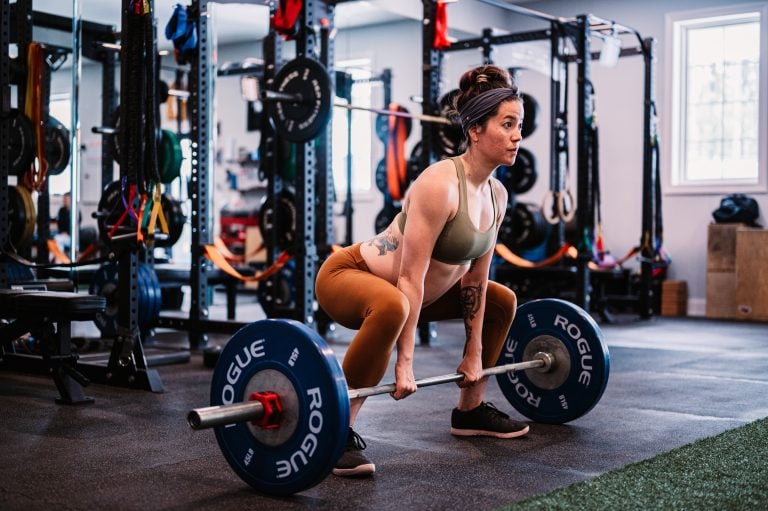
A gym-based program that syncs to your current week of pregnancy — four strength sessions plus one pelvic stability workout a week, with demo videos for every exercise.
Learn more