



If you’ve ever felt drawn to supporting families through pregnancy, labor, birth, and postpartum recovery, you may have wondered whether becoming a certified nurse midwife is the right path for you.
For many people, midwifery is more than just a career choice. It feels like a calling. Supporting someone during one of the most transformative moments of their life requires passion, dedication, and a genuine desire to care for others. As Roxanne shared in the podcast, many midwives say they knew they wanted to become one because they felt deeply called to the profession.
But what does the process actually look like? And how is becoming a midwife different from becoming a labor and delivery nurse or an OB provider?
Let’s break it down.
Subscribe to our YouTube Channel for more weekly workouts and educational videos! We publish one new workout video and 2-3 educational videos a week on our channel.
Labor and Delivery Nurse vs. Midwife vs. OB
Before diving into the pathways to becoming a midwife, it’s helpful to understand the differences between the roles that support pregnancy and birth.
A labor and delivery nurse is typically a registered nurse who provides bedside care throughout labor. They are often the person spending the most time with the birthing family during a hospital stay. Labor and delivery nurses monitor both parent and baby, provide emotional support, assist with labor positioning, communicate with providers, and help manage the overall flow of care. In hospital settings, they may care for one or two patients at a time.
Midwives and OBs, on the other hand, are the primary medical providers overseeing care.
Midwives are often experts in low-risk pregnancies and physiologic birth. They focus on supporting normal birth processes and may provide prenatal care, birth support, postpartum care, and general women’s health services throughout the lifespan. Midwives can perform some medical interventions when needed, but they do not perform cesarean births, forceps deliveries, or vacuum-assisted births.
OBs typically care for both low-risk and high-risk pregnancies. They are trained to manage more medically complex situations and can perform surgeries such as cesarean births, as well as higher-level interventions like vacuum and forceps deliveries.
Many families choose midwives because they want a lower-intervention approach to birth, more individualized care, or support from someone who specializes in physiologic birth. Others may choose an OB because of medical complications, higher-risk pregnancies, or simply because OBs are the most widely available option in many areas.
Midwives Can Provide More Than Birth Care
One common misconception is that midwives only care for pregnant people.
In reality, midwives can provide care throughout the lifespan. Many midwives offer annual exams, Pap smears, contraceptive counseling, perimenopause support, menopause care, and more. Some people continue seeing the same midwife long after their pregnancies because they value the relationship and continuity of care.
The Three Main Types of Midwives
There are three primary types of midwives in the United States:
- Certified Professional Midwives (CPMs)
- Certified Midwives (CMs)
- Certified Nurse Midwives (CNMs)
Each has a different educational pathway and different licensing regulations depending on the state.
Certified Professional Midwife (CPM)
Certified Professional Midwives, sometimes also called Licensed Midwives (LMs) in states where they are licensed, often work in community birth settings such as homes or birth centers. CPMs are most commonly associated with home birth care.
The CPM pathway is very different from the nursing-based route. Rather than becoming a nurse first, CPMs typically train through apprenticeship. They learn directly from experienced midwives while also completing educational requirements related to pregnancy, anatomy, biology, and birth. They must pass a certification exam to become certified.
Unlike CNMs, CPMs are not licensed in every state. According to the podcast, CPMs are licensed in 37 states plus Washington, DC. In states where CPMs are not licensed, they may still practice, but they are not regulated in the same way.
This can create both opportunities and limitations. Some families prefer unlicensed CPMs because they may have more flexibility in the types of births they can support. However, unlicensed practice may also mean less access to medications, fewer formal hospital relationships, and more limited transfer systems if complications arise.
Certified Midwife (CM)
Certified Midwives are graduate-level midwives who are not nurses.
To become a CM, you first need a bachelor’s degree, but it does not have to be in nursing. Someone with a degree in political science, psychology, biology, or another field could potentially become a CM if they complete the required science prerequisites and then attend a graduate-level midwifery program.
CMs take a board exam and are licensed in a small number of states. According to the podcast, they are currently licensed in about 11 states, primarily in the Northeast.
Because they are regulated similarly to CNMs, CMs can often work in hospitals and other traditional healthcare settings. However, if you choose this route, it is important to think about where you want to live and practice long term, since licensure is not available everywhere.
Certified Nurse Midwife (CNM)
Certified Nurse Midwives are the most widely recognized and widely licensed type of midwife in the United States.
CNMs are licensed in all 50 states and often work in hospitals, clinics, birth centers, and sometimes home birth settings depending on state regulations.
To become a CNM, you first need to become a nurse.
There are several ways to do that:
- Earn an associate degree in nursing (ADN)
- Earn a bachelor’s degree in nursing (BSN)
- Complete an accelerated nursing program if you already have a bachelor’s degree in another field
No matter which nursing path you take, you must pass the NCLEX exam to become a registered nurse.
Many future CNMs spend time working as labor and delivery nurses before applying to midwifery school. This bedside experience can be incredibly valuable because it helps future midwives develop clinical skills, emotional support techniques, and a deeper understanding of labor and birth.
However, not every program requires labor and delivery experience. Some students enter midwifery programs with other nursing backgrounds, while others come from birth work roles like doulas. There are even programs that combine nursing education and midwifery training into one pathway.
Nursing School Is Hard
One of the most honest parts of the conversation was the reminder that nursing school is challenging.
Accelerated nursing programs can be especially intense because they compress years of information into a short period of time. While these programs can be a faster route into the profession, they often leave little room for working full-time, maintaining a social life, or balancing many other responsibilities.
Students in traditional ADN or BSN programs may have a bit more flexibility, but nursing school is still known for being academically demanding. Roxanne shared that nursing school often felt more stressful than midwifery school itself.
Midwifery School Requirements
Once you become a nurse, the next step is attending a graduate-level midwifery program.
Some programs are fully in person, while others are hybrid or mostly online. Roxanne attended an online program through Frontier University, where the lecture-based coursework was completed remotely, but the clinical requirements were done in person.
Every midwifery program includes both didactic education and clinical experience.
The didactic portion includes lectures, assignments, and exams. The clinical portion includes working directly with patients under supervision. Students complete prenatal visits, annual exams, postpartum visits, menopause care, newborn care, and birth attendance. Most programs also require students to attend and “catch” a certain number of babies before graduation.
Some schools require students to find their own clinical placements, while others arrange those experiences for them.
Should You Become a Certified Nurse Midwife?
If you are considering midwifery, Roxanne’s advice was simple: attend a birth.
There is something powerful about witnessing labor and birth firsthand. Whether you shadow a provider, work as a doula, volunteer in a hospital, or become a labor and delivery nurse, spending time in birth spaces can help you decide if this is truly the right path for you.
Midwifery is not an easy career path. It requires years of education, long clinical hours, emotional resilience, and a deep commitment to supporting others. But for people who feel called to this work, it can also be one of the most rewarding professions imaginable.
Prenatal Support Courses
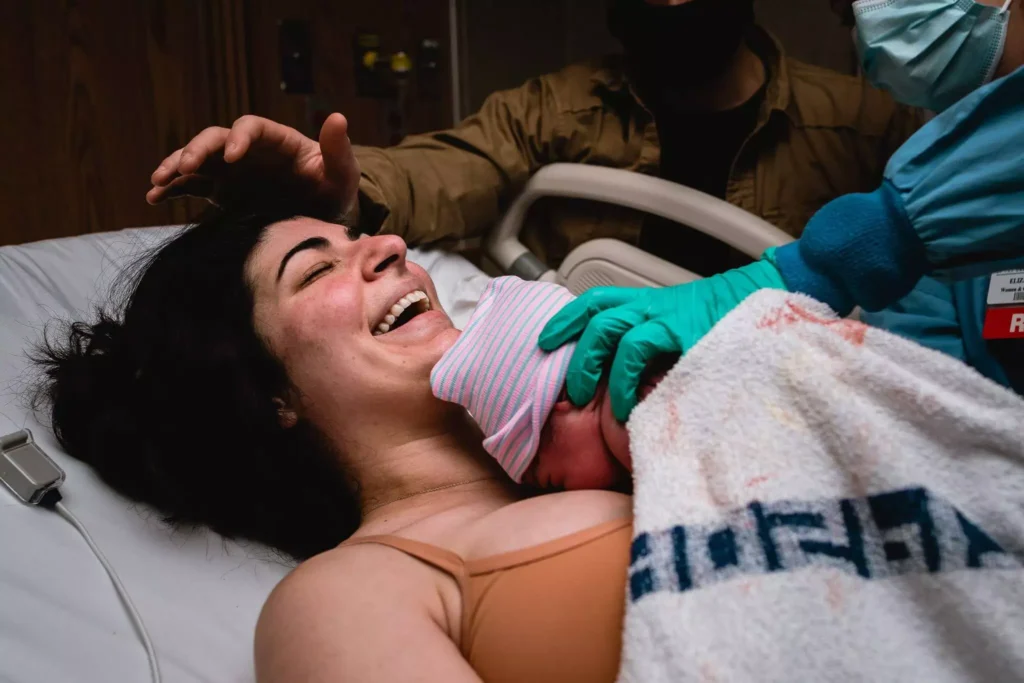

Learn the science of pregnancy and birth to take the mystery of labor away! Understand why you are feeling what you feel, and learn strategies to confidently move through pregnancy and birth!
- 9h+ of Video
- Support Group
- Close Captioning
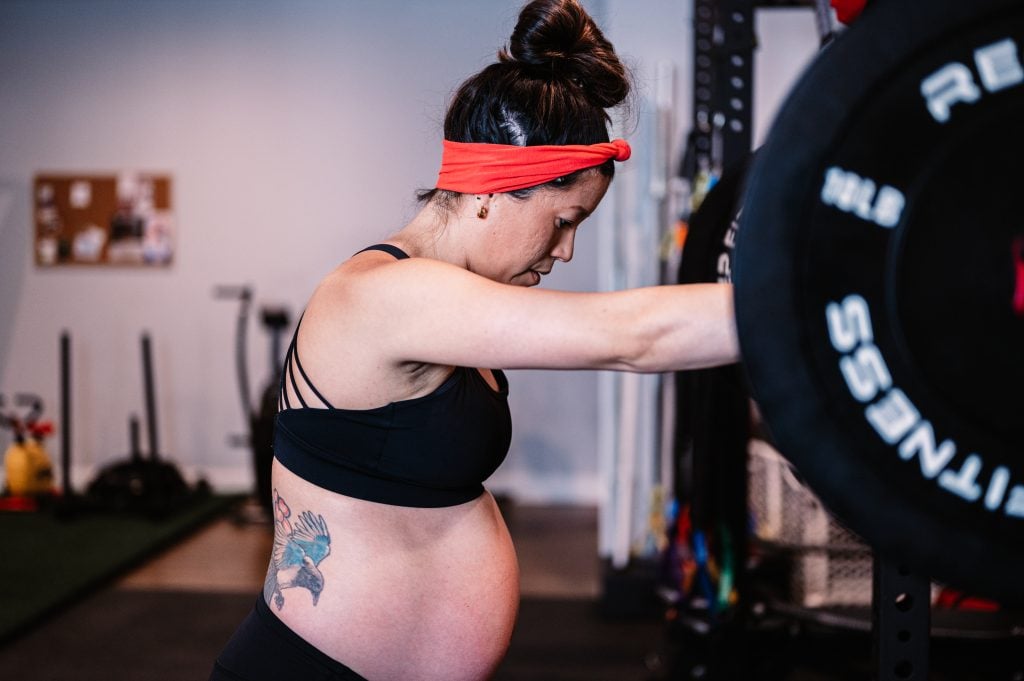

- 5 Workouts/Week
- Gym Workouts
- Self-Paced

Instructor
GINA
Workout on-demand with our prenatal fitness workout videos! Each workout is 30-40 minutes to follow along as you exercise at the same time!
- Birth Prep
- All Trimesters
- Mobility Work

Instructor
GINA
Find comfort and relief from pelvic girdle pain throughout your pregnancy and postpartum period! This program incorporates myofascial sling focused exercises to stabilize across the pelvic girdle joints.
- 3 Weeks
- On Demand Workout Videos to Follow