



Table of Contents
If you’re pregnant and have learned that your baby is in the posterior position, also known as a sunny side up baby or OP (occiput posterior), it can be a bit concerning. This position means the back of your baby’s head is facing your back, which can make labor more challenging and increase the chance of back labor. While it’s normal to feel anxious, there are steps you can take to help encourage your baby to rotate into a more optimal position for birth.
Let’s break down some effective exercises you can do both during pregnancy and labor to help create the space your baby needs to rotate.
Subscribe to our YouTube Channel for more weekly workouts and educational videos! We publish one new workout video and 2-3 educational videos a week on our channel.
What Is a Sunny Side Up Baby (OP Position)?
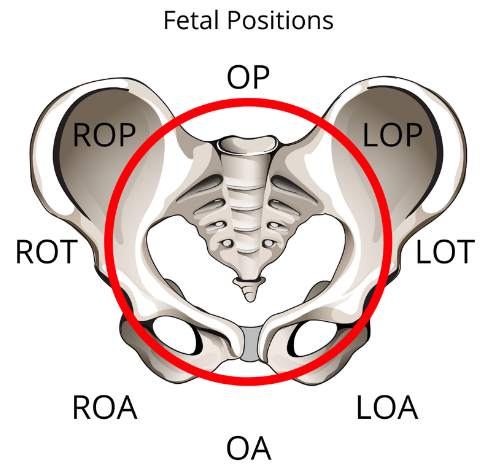

When your baby is in the OP position, the back of their head is against your pelvis, which can make it difficult for them to pass through the birth canal. As the baby presses against the pubic bone, it can create an obstruction that might lead to complications such as a longer labor or the need for a C-section. OP positions are also commonly associated with back labor, which can make contractions feel more intense.
What Can You Do to Help Your Baby Rotate?
It’s important to remember that during pregnancy, babies tend to move around a lot. You don’t need to stress about forcing them into the perfect position. Instead, focus on ensuring their path to rotate is clear by releasing tension in your body and creating more space in your pelvis. Here are some exercises and movements that can help:
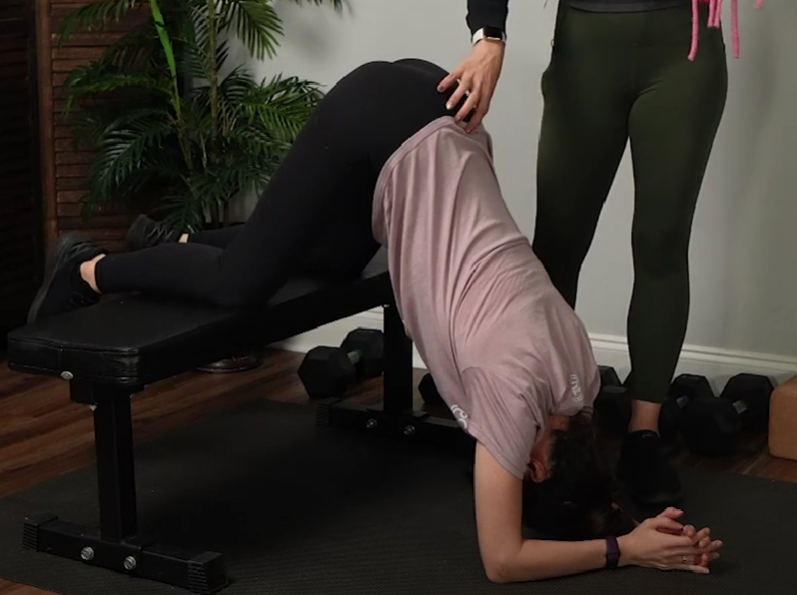
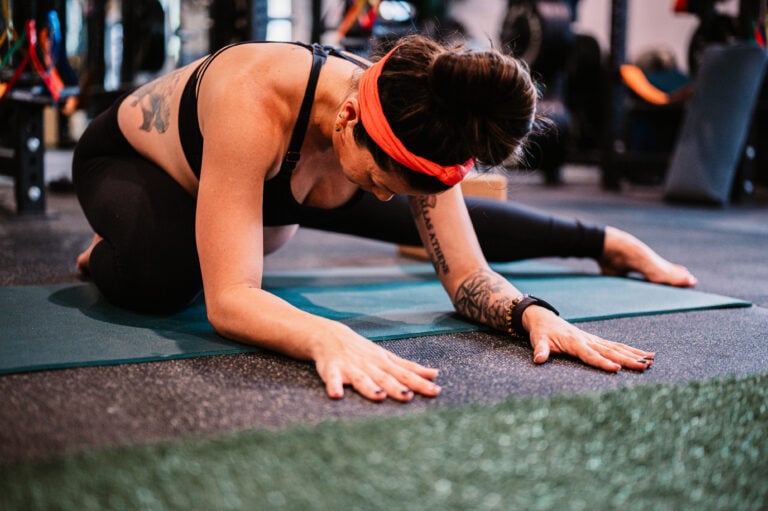
1. Forward-Leaning Inversion
This is a powerful exercise to help release tension in the ligaments around your uterus and pelvic area. To perform the forward-leaning inversion:
- Get on your knees and place your forearms on the floor, creating a “V” shape with your body. Your knees should be on the ground while your shoulders are lower than your hips.
- Keep your feet relaxed and feel the stretch in your back and belly.
- Stay in this position for about 3 breaths, focusing on relaxing and letting gravity work its magic to create more space for your baby to rotate.
This inversion targets the uterosacral and round ligaments, which are key to helping create the space your baby needs.
2. 90/90 Side Camel Stretch
This stretch is designed to release tension in the hip flexors and side body, helping to improve your pelvis’s mobility. Here’s how to do it:
- Sit on the floor with one leg externally rotated and in front of you, while the other leg is internally rotated behind you.
- Reach toward your forward leg, stretching the side body and groin.
- Then, reach your hand back and extend your hip, stretching the hip flexor.
- Repeat on both sides for 10 reps each.
By loosening the muscles around the pelvis, this exercise improves your baby’s ability to engage in the pelvis.


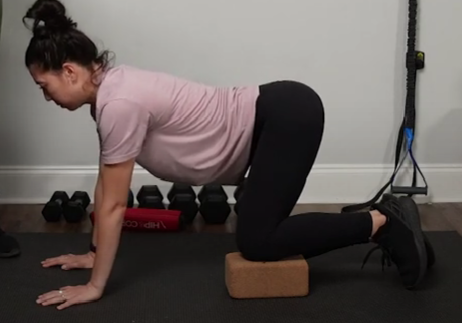
3. Hip Shift Exercise (On All Fours)
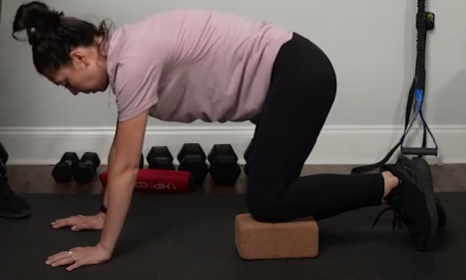
In this exercise, you’ll focus on pelvic mobility and releasing tension in the pelvic floor. Here’s how to do it:
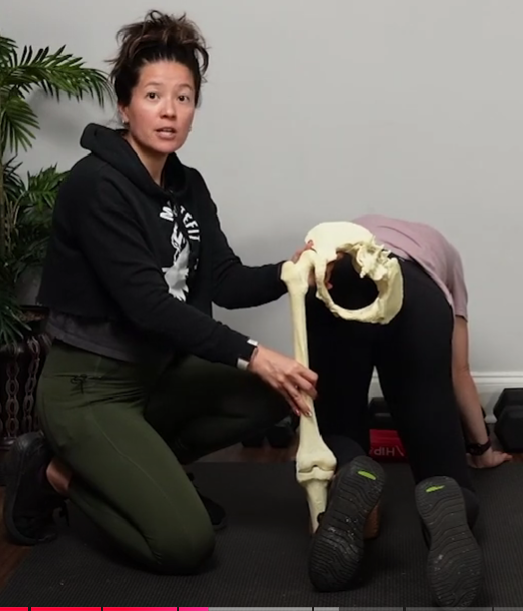
- Start on your hands and knees with one knee placed on a yoga block.
- Shift most of your weight over to the elevated hip, allowing the pelvis to rotate towards the femur.
- This creates more space in the posterior pelvic floor and helps the sacrum (the triangular bone at the bottom of your spine) move better.
- Perform pelvic tilts by arching and flattening your back, further enhancing pelvic flexibility.
These movements can make it easier for the baby to rotate into a more favorable position.
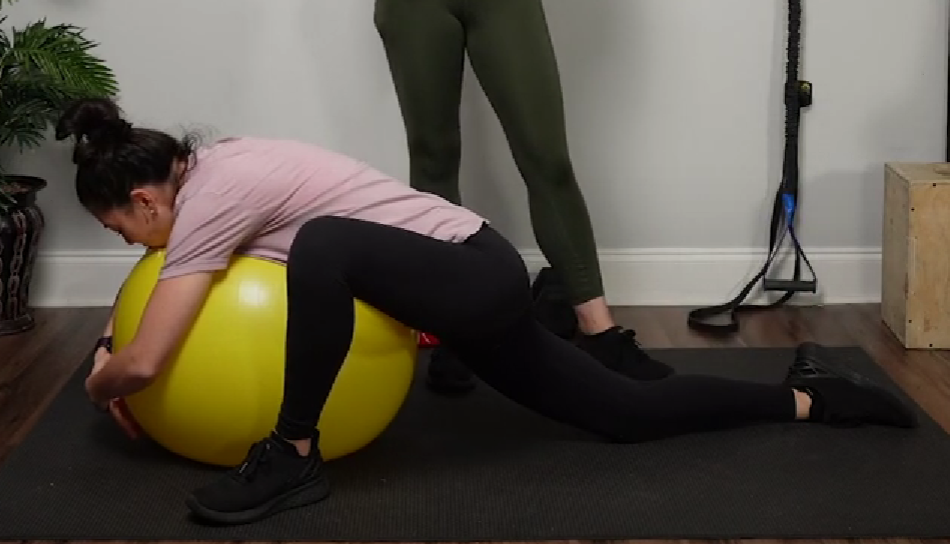
4. Releasing Tension in the Hip Flexors
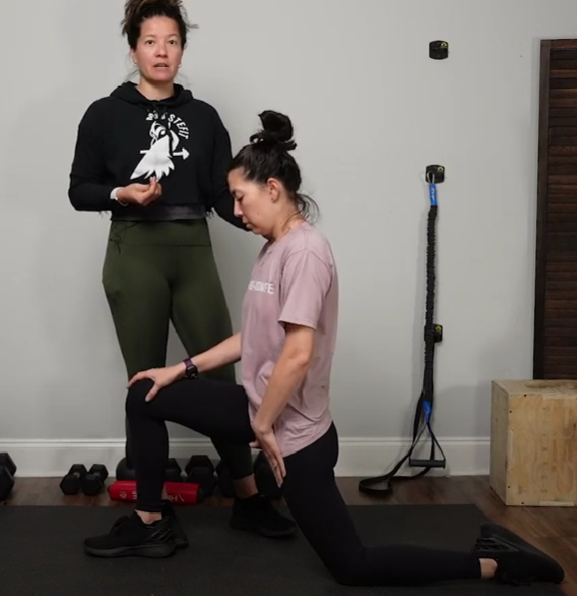
One common reason why the pelvis may struggle to create space for the baby is tight hip flexors. When the hip flexors are tight, it pulls the pelvis forward, making it harder for the baby to rotate. Here’s how to release tension in these muscles:
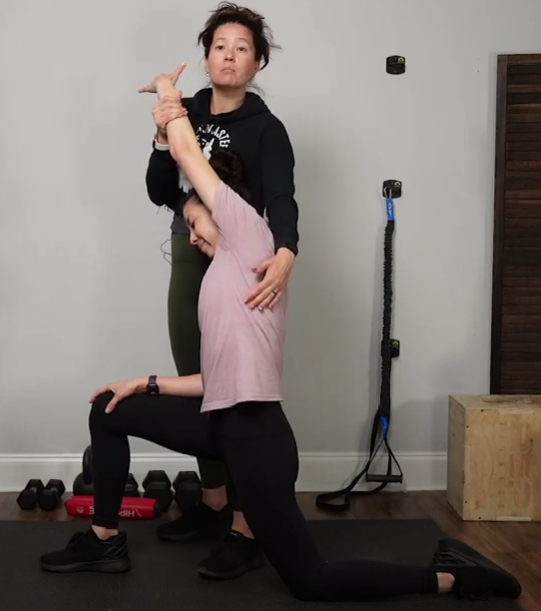
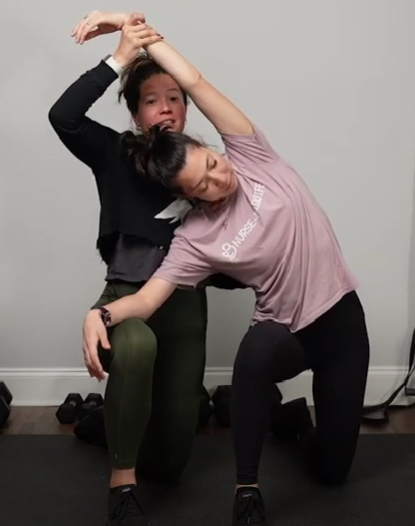
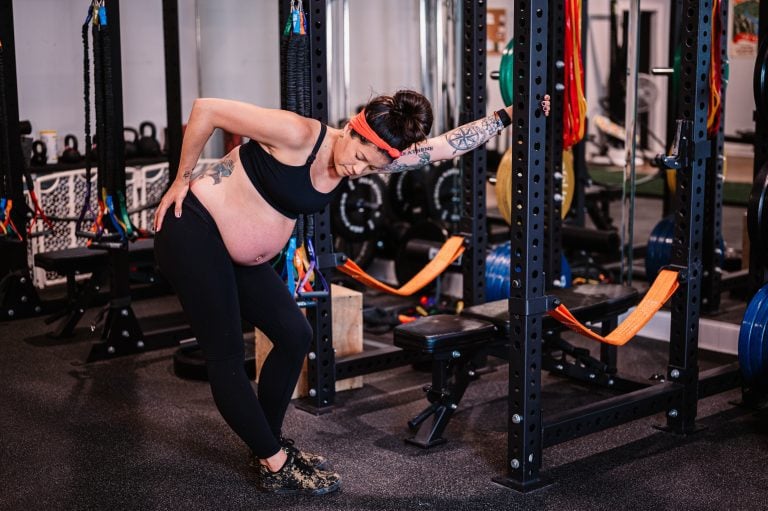
- Try the half-kneeling hip flexor stretch. Kneel on one knee, pushing your hips forward, and stretch the front of your thigh. You can also extend the opposite arm overhead for a deeper side stretch.
- If you have a partner, they can help you deepen the stretch by gently pulling on your side.
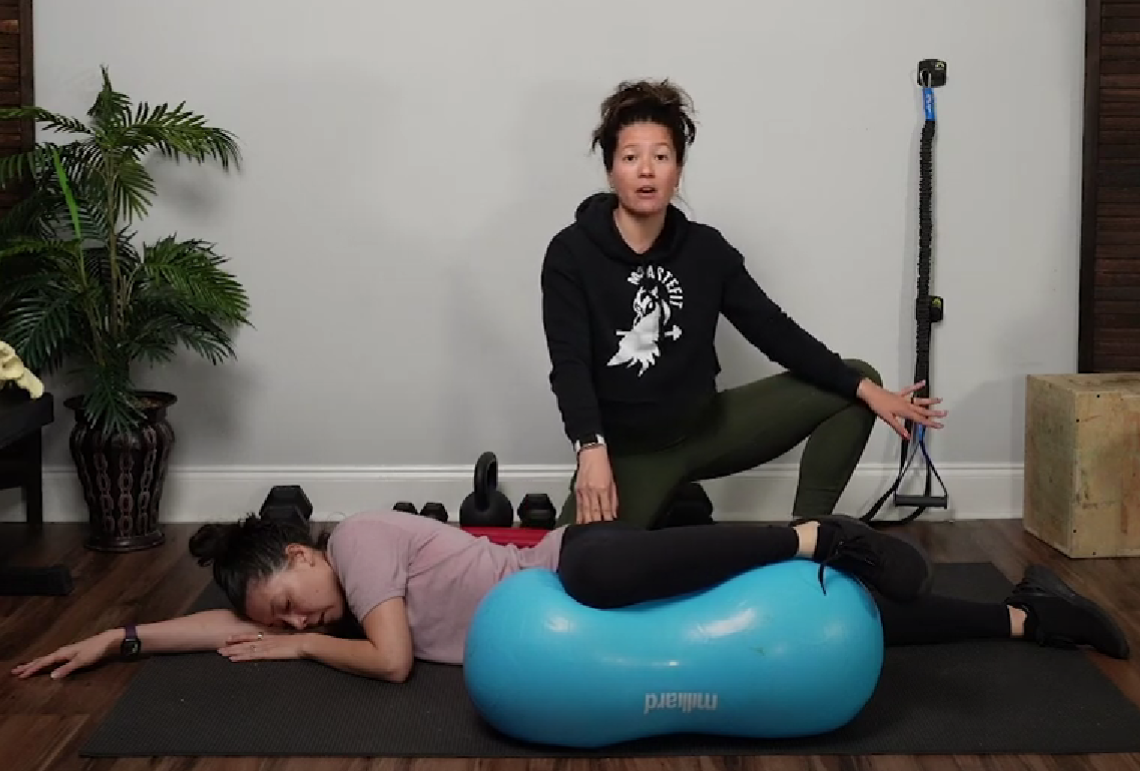
This exercise can also be done in a side-lying position if you’re using an epidural or need extra support.
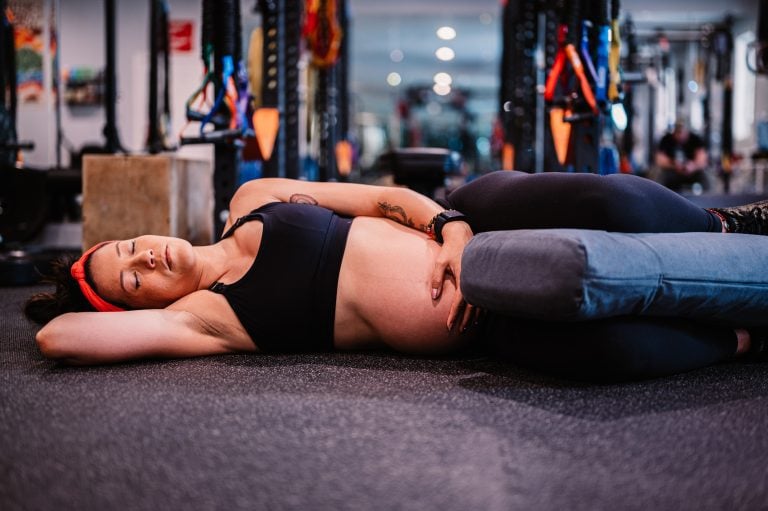
5. Upper Mid-Pelvis Opener
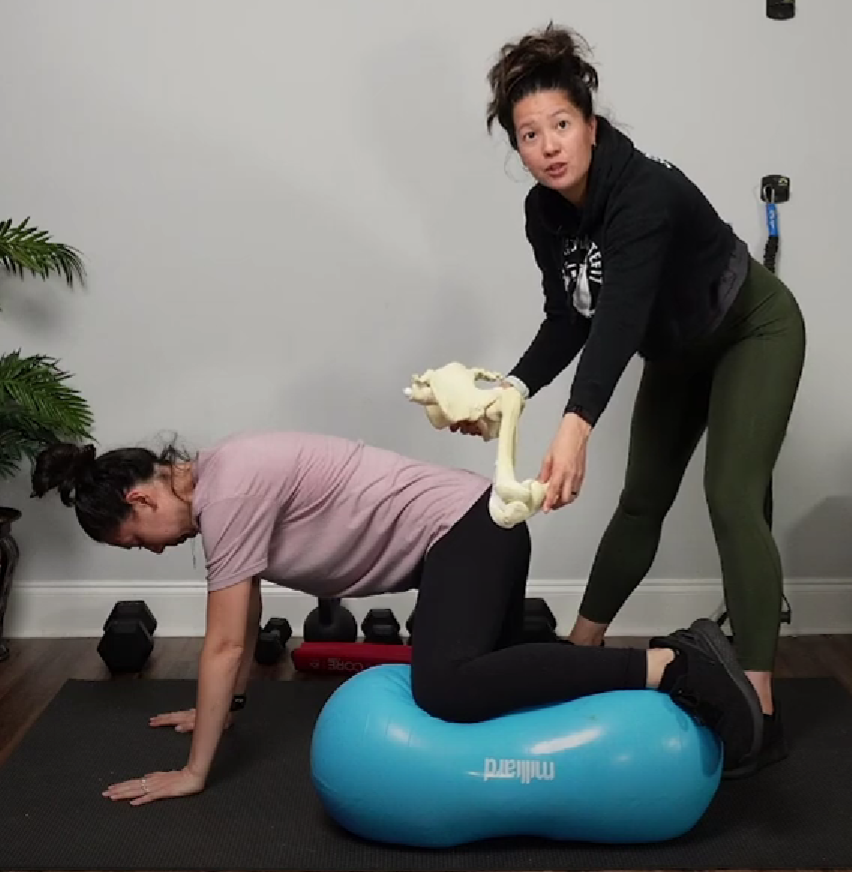
To create space in the upper mid-pelvis, use a peanut ball or do a side-lying stretch with your leg elevated. By creating this space, you help the baby rotate and engage more easily. Here’s what to do:
- Place your left shin on the peanut ball, allowing your hip to open up.
- Rock your leg back and forth to enhance the stretch and relax into the position.
- Stay in this position for 20–30 minutes, focusing on your breath and any changes in position.
 Video course · 7 modules
Prepare Your Pelvic Floor For Birth
Seven modules on releasing the pelvic floor rather than only strengthening it — breathing drills, thoracic and pelvic mobility, and how to relax it during labor.
Learn more
Video course · 7 modules
Prepare Your Pelvic Floor For Birth
Seven modules on releasing the pelvic floor rather than only strengthening it — breathing drills, thoracic and pelvic mobility, and how to relax it during labor.
Learn more
 On-demand video · 24 workouts
Birth Prep Workout Program
Twenty-four workouts that open the pelvis for each stage of labor — strength, mobility, and positioning you can start at any fitness level, 15 to 30 minutes each.
Learn more
On-demand video · 24 workouts
Birth Prep Workout Program
Twenty-four workouts that open the pelvis for each stage of labor — strength, mobility, and positioning you can start at any fitness level, 15 to 30 minutes each.
Learn more
 Video course · 9+ hours
Childbirth Education
Over nine hours of video on contractions, comfort measures, pushing, and recovery — so you walk into labor knowing what's happening and what your options are at each stage.
Learn more
Video course · 9+ hours
Childbirth Education
Over nine hours of video on contractions, comfort measures, pushing, and recovery — so you walk into labor knowing what's happening and what your options are at each stage.
Learn more
What to Do During Labor if Your Baby Is OP
If your baby is in the OP position during labor, you may experience back labor or find that your contractions are not progressing as quickly as you’d like. Here are some techniques to help encourage rotation during labor:
1. Inversion and Booty Shaking
If your contractions are close together (less than five minutes apart), try a forward-leaning inversion again to give your baby more space. A gentle “booty shake” from your partner can also help the pelvic floor relax and encourage your baby to rotate.
2. Side-Lying with Peanut Ball
In labor, a side-lying position with a peanut ball can also help create space in the upper mid-pelvis. This will encourage your baby to rotate into a better position.
3. Upright Open Hip Positions
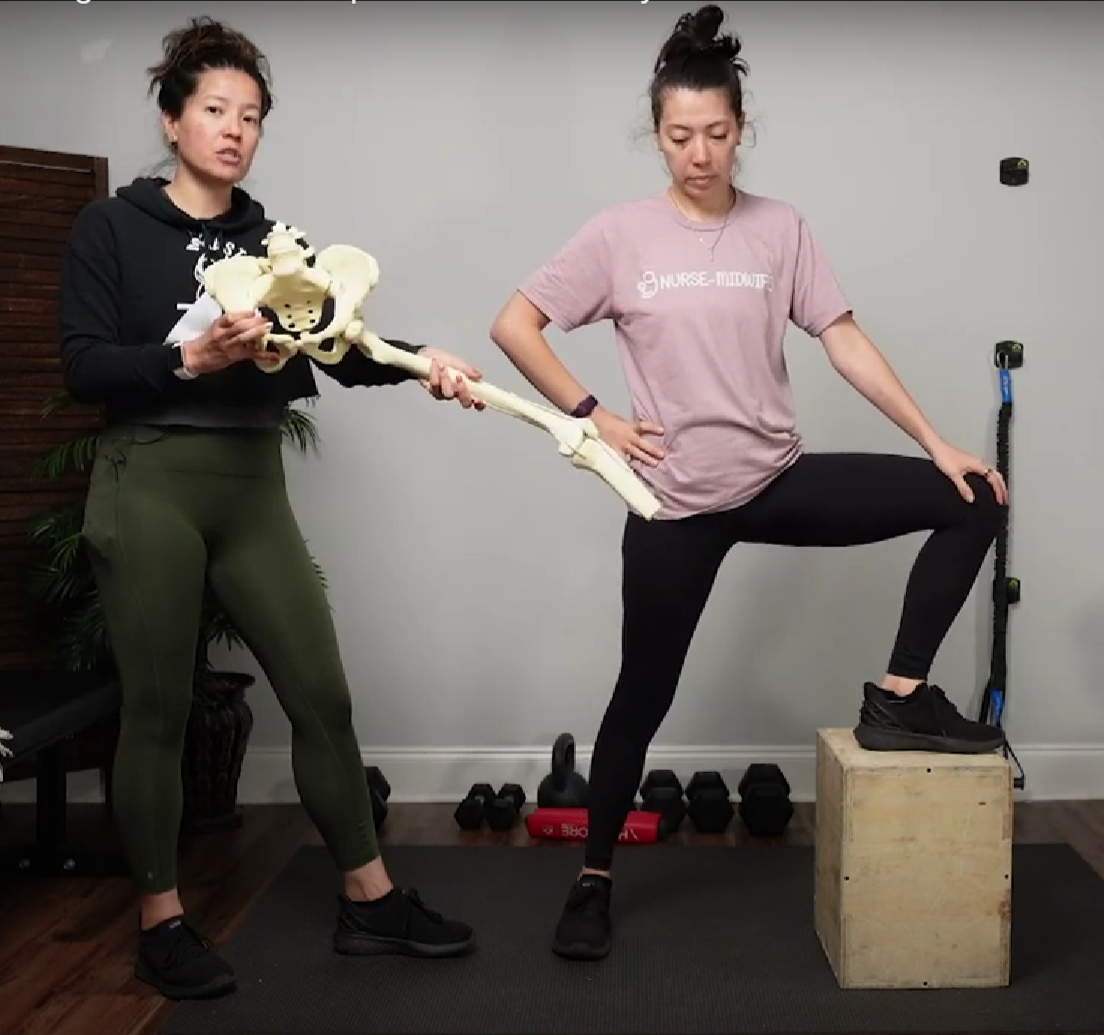
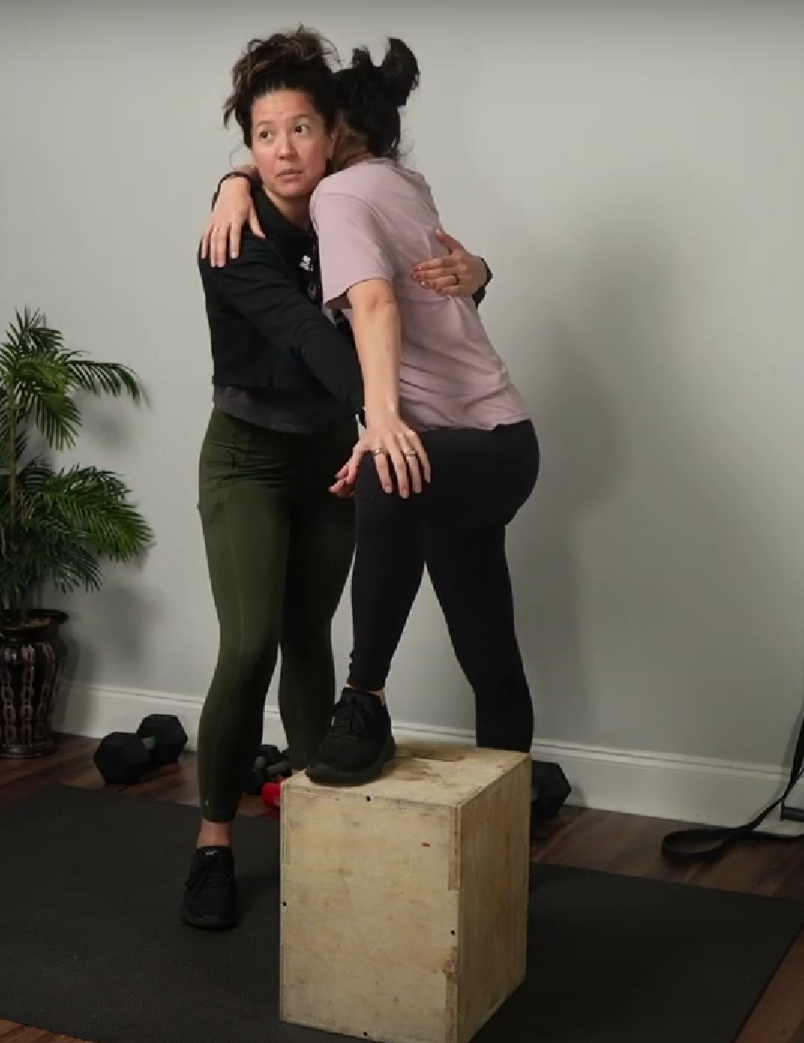
As labor progresses, try upright positions like lunges to help your baby engage into the pelvis. This may involve using a partner for support or a birth ball to create space and allow the baby to descend into the birth canal.
Conclusion
If your baby is in the OP position, it’s important to stay calm. You don’t need to stress about forcing them into the “ideal” position during pregnancy. Instead, focus on creating an environment where your baby has the room to rotate naturally by releasing tension in your pelvic area and using exercises to create space.
Remember, every pregnancy and labor is unique, and your baby may move on their own over time. These exercises are intended to help improve pelvic mobility and release any tension that could hinder rotation. If you’re in labor and dealing with back pain or slow progression, these movements can also assist in encouraging your baby to rotate, improving your chances of a smoother birth.
Stay patient, stay positive, and trust your body and your baby’s process.
On-demand video · 30 workouts
Core, Pelvic Floor & Pelvic Stability
Thirty follow-along workouts across beginner, novice, and advanced levels, ten per level — core and pelvic floor strength for pain relief in pregnancy or postpartum.
Learn more
 Bundle · lifetime access
MamasteFit Bundles
Combine courses and programs for lifetime access and save up to 15% — grouped for birth preparation, the third trimester, or the whole pre and postnatal journey.
Learn more
Bundle · lifetime access
MamasteFit Bundles
Combine courses and programs for lifetime access and save up to 15% — grouped for birth preparation, the third trimester, or the whole pre and postnatal journey.
Learn more
 On-demand video · 128 workouts
Prenatal Workout On-Demand
Follow-along workouts from week 5 to week 41, four or five a week with guided warm-ups and cool-downs — over 128 sessions coached in real time alongside the video.
Learn more
On-demand video · 128 workouts
Prenatal Workout On-Demand
Follow-along workouts from week 5 to week 41, four or five a week with guided warm-ups and cool-downs — over 128 sessions coached in real time alongside the video.
Learn more