

Welcome to the MamasteFit Podcast! In this episode, hosts Gina and Roxanne discuss the essential steps in choosing your birth team. The episode covers how to find and select the right doula, the roles and specialties of different doulas, and questions to ask during interviews. Additionally, they explore how to pick a medical provider, including the differences between midwives, OBs, and family medicine providers, and what to consider for a positive prenatal, birth, and postpartum experience. The episode emphasizes the importance of a supportive and aligned team to lead to an empowering birth journey.
Read Episode Transcript
[00:00:00] Gina: Welcome to the MamasteFit Podcast. In this episode, we’re going to be chatting all about how you can choose your birth team. So, how do you find a birth doula? How do you know that this is the best birth doula for you? How do you choose a provider? How do you choose a labor nurse? Can you choose a labor nurse? Is that an option? So, we’re going to discuss how you can choose who is going to be on your birth team?
[00:00:21] Gina: Welcome to the MamasteFit Podcast. This is Gina, perinatal fitness trainer and birth doula.
[00:00:25] Roxanne: And I’m Roxanne, labor and delivery nurse and student midwife.
[00:00:28] Gina: And this is the MamasteFit podcast, where we empower you on your prenatal fitness, birth, and postpartum return to fitness journey.
[00:00:35] Roxanne: Our podcast shares how to move throughout your pregnancy to stay strong and comfortable because pain is not a requirement of pregnancy, understand the science of birth, and how to approach recovery after birth.
[00:00:46] Gina: We share our personal experience as mothers navigating. Navigating this stage in our lives, plus our professional expertise as birth workers and fitness professionals.
[00:00:54] Roxanne: Our goal is to help you feel confident as you navigate the perinatal timeframe for an empowering pregnancy positive birth and postpartum journey.
[00:01:02] Gina: We are glad to have you with us on this journey and that you have chosen us to support you.
[00:01:10] Gina: Welcome to the MamasteFit Podcast. So for those of you that don’t know, I am a birth doula. I have supported a ton of births for the past, I think six years now. Roxanne is a labor nurse and student midwife. So we are members of a birth team, but we do get a lot of questions on how do I find a doula? How do I pick a doula? How do I know this doula’s best for me? Because not every person is the best client for me as a doula. I’m not the best doula for everybody. Like the way that I approach birth is not what everyone is looking for. Like some doulas do a lot of prenatal care, they do a lot of postpartum care, some of them only really focus on birth, and each of them kind of offers different things. And so the most important thing is finding somebody that kind of vibes with you, but how do you find that person, what questions should you ask, and how do you know that they’re a good fit for you? Because again, not every doula is for every person that is giving birth.
[00:02:04] Gina: And the same when it comes to providers. Providers offer different types of specialties. They provide different types of care. All of them provide good care, but they may have a little bit of a different flavor to it. And so trying to find a provider that vibes really well for you is really important. Do you choose a midwife? Do you choose an OB? Do you choose a midwife or a doula? Like these are all common questions that we get on choosing our birth team and we are gonna break it down in this episode.
[00:02:28] Gina: So let’s start with how do you find a doula? Because that’s a really common question that we get. A doula, first of all, is a support person that you can have at your birth. And there are non-medical support person, so it’s kind of like your birth buddy or your labor coach, or those are like different terms that you can kind of use to think about what a doula is. They provide non medical support. So they’re focused on your emotional support, physical support by helping you come into like laboring positions, or applying labor comfort measures. They’re guiding your partner to do all these things. They can help you gather information, understand what your options are so that you can advocate for yourself. But a doula is not a medical provider. So they don’t replace your provider. They don’t replace a midwife. They don’t replace an OB. They provide non medical support. So, the doula should not be doing medical tasks like checking your blood pressure, like doing cervical exams, providing like any sort of medical care, diagnosing you. Those would all be things that are outside of a doula scope.
[00:03:24] Gina: Now, there are some doulas that are also midwives, or they’re also labor nurses, or they also have like a medical background, but it really just kind of depends on what they have defined as their role for you, and if they are defining themselves as a doula, it should be non medical support. Doulas also provide continuous labor care, which is something that helps to decrease your risk of having the Cesarean birth and different complications during your labor, is by having that continuous labor support. And so when a doula joins you will kind of vary from doula to doula, but ideally they join you during active labor and they stay with you until your baby’s born until a few hours after birth. And again, every doula kind of has different parameters of what they provide before the labor and what they provide after.
[00:04:06] Gina: How you can find a doula is there’s different directories that you can utilize, such as like different doula organizations have their own directories where you can find doulas that are certified through them. So like DONA has their own doula directory, Lamaze, I think, has doulas and a directory. And so there’s different like organizations out there that have their own specific directories.
[00:04:27] Gina: Doulas do not need to have a certification in order to be a doula, but it can be something that’s helpful to look for, especially if somebody’s like a newer doula, to know that they’ve taken some education courses to know what to do and to understand what their scope is. So certification courses are not required to practice as a doula, there’s no like governing body that licenses doulas by any mean. But if you do have a certified doula, you know that they’ve taken courses that help them understand what to do, understand what their scope is so they’re not practicing outside the scope. In addition, some insurances may reimburse if your doula is certified through certain agencies.
[00:05:02] Roxanne: So checking with your insurance company can be beneficial to understand which organization your insurance actually reimbursed for because not every organization is reimbursed by every insurance. So for instance, our insurance will reimburse for like DONA, but not for maybe another one. Some doulas, you can even use your HSA and FSA funds, like that is a reimbursable expense as well if you get those funds.
[00:05:27] Gina: So you can first look on a doula organization’s directory to see what doulas are certified through them to help you find a doula.
[00:05:34] Gina: Another directory that you can utilize is Doula Match, and so you can look up different doulas that have signed up for that directory, directly right there. And these are doulas from all sorts of different certifying bodies. And so this was like a place that I first put my availability when I first became a doula, but it may not be where every doula puts their stuff as well.
[00:05:52] Gina: And so a really helpful place to find currently practicing doulas is Facebook groups. This is where I find that most folks will find doulas is they will go in like a mom group and they will ask, “Hey, what doula did everybody use?” Because there might be some new doulas out there, or there might be some doulas that have been practicing for a while that aren’t on some of these certifying organizations directories, or they’re not on doula match.
[00:06:16] Gina: And so those would be kind of like the three places that I would look for a doula. I would look on Facebook groups, I would look on doula match, and then I would look on different doula organizations. You could also ask your provider and ask them for their recommendations, because they may have doulas that they’ve worked with that they really like, that they thought did a really good job, that they would recommend, and then you know that they have a good working relationship with your provider as well.
[00:06:39] Roxanne: Not every provider will recommend one specific doula and be like, “Oh, this is the one that I like,” because, like, they have to be unbiased. But a lot of them will have, at least in their welcome kits, a list of local doulas that work in that area and deliver at that hospital.
[00:06:57] Gina: Let’s take a break from this week’s episode to hear about our podcast sponsor, Needed. Needed is a nutrition company that specializes in optimizing nourishment for the perineal timeframe that both Roxanne and I have utilized throughout our pregnancies, our postpartums, we’ve got our mom on it, our husbands- so they’re definitely a brand that we truly trust and recommend to you.
[00:07:15] Gina: And one of our favorite products from them is their prenatal vitamins because there’s so many options to them. And so at your first prenatal appointment, your provider will probably give you a list of things that you should be doing, and one of those things is going to be taking a prenatal vitamin. But not every prenatal vitamin is made the same. And Needed is a really good job with formulating their prenatal vitamins to ensure that it’s an optimal dosing in addition to the different things within the prenatal vitamin are not like conflicting with one another to impact their absorption. So some of the things that are included in most prenatal vitamins are not included within Needed’s because the calcium and the iron conflict, so they have a separate supplement for the iron. So you can kind of pick and choose your adventure when it comes to their supplements as well, which I really like.
[00:07:58] Gina: So their prenatal vitamin is a really high quality product. We highly recommend it. There’s also different options for the prenatal vitamins. So first trimester I did the powdered version because, nausea. And then the rest of the pregnancy I did their capsule version. And so there’s different options as well with the prenatal vitamins, which we truly love. And you can subscribe and it’s just delivered directly to your door every month.
[00:08:20] Roxanne: So if you want to try out Needed’s prenatal you can head to thisisneeded.com and use code MAMASTEPOD 20 percent off your first order.
[00:08:27] Gina: Now, how do you know that a doula is a good fit for you? And again, every doula is going to kind of offer something a little bit different, just like every provider kind of offers things a little bit different. And so first it’s important to note like what type of things are really important to you.
[00:08:40] Gina: Do you want a doula that’s very well versed in VBAC? Like you had a C section before and you’re really wanting a vaginal birth this time, having a doula that’s very experienced in VBAC can be super beneficial. Or if you’re having a community birth, having doulas that are very experienced with home birth or birth center births. Or if you’re having a C section. So finding the doula that has the specialty that you’re specifically wanting for your birth can be really helpful.
[00:09:03] Gina: I would recommend interviewing several doulas to see which ones are the best fit for you. It’s not very common that a doula is really quickly booked up. They should communicate that to you if they do have really limited availability. So me, for example, I only take about one or two clients a month, the months that I am taking doula clients. So I do tend to book up a little bit more in advance, but I do communicate that to folks that are reaching out asking for doula support and let them know, “Hey, I only got this one spot left. If you’re interested, we can interview.” And then I’ll let them know, “Hey, I’ll hold the spot for you, but if somebody else reaches out asking about this spot, I’ll check in with you to see if you’re still interested. And if you’re not, then I’m going to give them the spot.” And so they should hopefully communicate to you what their availability is. But most doulas are not going to be like, “You need to book right now with me, or I’ll see you won’t have me.” If they’re kind of putting that pressure on you, that would be a little bit of a red flag to me, because we want to make sure that it’s a good fit, like personality wise, with both me as the doula and for you as the client. Like we want to make sure that we have a good relationship because it’s really important that we have the opportunity to build a relationship throughout your pregnancy.
[00:10:11] Gina: And so that’s something else to ask when you’re hiring a doula or you’re interviewing doulas is, “What does my prenatal care look like? What is included that’s going to help us build a relationship throughout my pregnancy.” And so maybe they have different prenatal appointments with you throughout your pregnancy, where like you guys are meeting up to go over different childbirth education topics, go over your birth plan, answer questions. And there may be different frequencies with each doula. So if you’re like, “I really want like monthly prenatal appointments with you,” or, “I just want one at the end to go over my birth plan,” these would be good things to ask your doula about.
[00:10:45] Gina: For me, we include our childbirth education course with my doula services, so I know that you’re gonna get this education. But other doulas may be doing it throughout your pregnancy at different prenatal visits. Some doulas also have some partnerships with like chiropractor or massage therapists where you may get discounts with that, or they may have a lot of recommendations for you to utilize throughout your pregnancy. So they can be a resource to you as well.
[00:11:06] Gina: When it comes to birth, understanding when does your doula meet you for labor? Like, are there any restrictions within their labor support? Do they just stay with you until your baby is born? Is there anything going around in their schedule around your due date, like they have this big vacation planned? And so all of those things should be really clear to you to understand: this is when you’re going to join me during my labor, this is what you’re going to provide for me during my labor, and this is when you leave me after the baby is born. And any sort of like stipulations within that is going to be really important to communicate.
[00:11:36] Gina: So me, for example, if you’re being induced, I’m going to join you whenever you are ready for a doula to be with you. If you’re still in early labor, but you’re having a lot of questions or you’re feeling more anxious, like I’m going to come a little bit early. If you’re not being induced and you’re just in labor, but you have a lot of questions in early labor and you’re feeling anxious and would like me to be there, I’m going to come join you even in early labor, but not every doula is going to do that, so knowing that is going to be really helpful. Ideally, I join you when you’re in active labor because that’s usually when you’re going to need more of my physical and emotional support. And so from there I’m going to stay with my clients until they give birth to their baby. Some doulas do have parameters within their contract where after 12 hours they get to take a break or they switch out with another doula, so understanding if there’s any sort of things like that within their contract would be really important. And then, how do you feel about that? Like do you want to feel like you have a timeline? Are you okay with them switching out because, well, at 12 hours they’re probably not going to be able to provide the best support because they’re fatigued, so it would be better to switch out? So knowing who that person is that they would switch out with, knowing who their backups are, what happens if they can’t make it to your birth- would all be like really important questions to ask. And we’ll include a link to a blog that’ll have all of these questions. If you are like, “I cannot write all these down, I’m listening while I’m driving,” like, there’s lots of questions that you can ask to better understand what their support will look like. Because again, this is like a big deal of who you’re going to invite into your space and then spend a bunch of time with in a very vulnerable moment of your life. It’s important that it’s someone that you feel comfortable with.
[00:13:08] Gina: And then it’ll be important to understand how long they wait after birth, and then what type of support they provide postpartum. Because you might actually not want any birth support, you just want the postpartum stuff.
Well, in that case, you may want a postpartum doula instead. And so, these are all like really good things to kind of figure out.
[00:13:24] Gina: But I usually find the most important things when picking a doula is, do they vibe with you personality wise? Like, do you like them as a person?
[00:13:33] Roxanne: Yes.
[00:13:33] Gina: Would you like to hang out with them for a period of time? And then what type of like educational background or specialties do they offer that you really value? So a lot of folks will hire me because of my specialty of pelvic mechanics. They find that to be very valuable to them. They want to know what labor positions to do if they reach an issue in their labor that’s related to baby’s position or pelvic mechanics, they know that I’m going to be able to help provide some tips and tools for that. And so that’s usually why folks hire me specifically, but other doulas provide different types of things. There are other doulas that also have a pelvic mechanics specialty as well. And so just finding what’s really important to you will be super important when picking a doula. And again, I’m not the best doula for everybody. There’s no one doula for all. And so interviewing a bunch of different doulas and figuring out who vibes best with you is going to be really important.
[00:14:25] Gina: And now with any sort of service that you are receiving or providing, especially if there’s money exchanged, having a contract is going to be really important, and to me as a consumer would let me know that this doula is a professional and that they are going to treat this like a service that they’re providing. Now money gets kind of weird for some folks, so they’re like, “Oh well I’m doing this because I care about you,” like yes, I care about you, but I also want you to feel protected and then I also want to protect myself as a service provider as well. And so they should have a contract that clearly outlines like their refund policy, what if they don’t make it to your birth, what if something happens during your pregnancy where you no longer need labor support? Who are their backups? How do you contact them? There’s a lot of different things that they should include within their contract to make it very clear to you what you can expect and then also to protect you and to protect them because usually doulas are not free, like they usually cost like a few hundred dollars, and so that’s a big investment into a person. So understanding what if they don’t make it? What if you don’t need labor support? What if you realize that they are not a good fit for you? What is outlined within their contract so that you can be protected as well? And so I find that to be also very important because this is a service you’re asking somebody for business and you should have a contract to be a professional as well.
[00:15:44] Gina: So when it comes to finding a doula, there’s different directories that you can utilize. Mom groups are usually like my favorite place to go if someone is trying to find a doula. And then when you’re interviewing doulas, interview a few of them so you can make sure that they’re a good fit for you. Now, if you already know somebody, like before you interview them and you know that you’re a good fit, like, obviously you don’t have to go and interview a whole bunch of people if you’re like, “Nope, you’re the doula for me.” So like we have gym clients that work out with us during their pregnancies, or they’ve worked out with us postpartum and then they got pregnant, and then they’ll hire me as a doula. I don’t think that they go and interview a bunch of different people by any means, but it’s because like, we already know that we’re a good personality match and they already know we have a relationship already. And so if you already have a relationship, don’t feel like you need to go interview like 10 people.
[00:16:27] Roxanne: I did not interview any doulas. Gina was my doula.
[00:16:30] Gina: Yeah, Roxanne just hired me. We are a good match, apparently.
[00:16:34] Roxanne: Maybe.
[00:16:36] Gina: But if you don’t know the doula, I would recommend doing interviews to kind of get a good feel for who vibes with you personality wise, whose expertise like really fits with you, and then the service that they provide. Is that what you want? So if you want a doula that is going to like cook you meals and bring you stuff at your prenatals and like do massage and all that, like, maybe I’m not the doula for you. Like I’m not going to cook you like a bunch of postpartum meals. Like I might make you seaweed soup.
[00:17:04] Roxanne: And by “me,” we mean our mom.
[00:17:07] Gina: Yeah. Our mom will make it for you. So, I know different doulas provide different types of extras than I do that I just like don’t have the capacity to do. And so if those little things are important to you…
[00:17:21] Roxanne: Gina’s not it.
[00:17:21] Gina: I’m not that doula. I’m sorry. But that’s okay! That’s okay.
[00:17:26] Gina: So now, that’s how you find a doula. Now everyone, if you don’t want a doula, that’s okay too. Some hospitals will actually have like free doula programs where they have like either volunteer doulas or doulas that are hired by the hospital that will just be on call and if somebody wants a doula you can grab one. So that’s always an option as well. There are different agencies that offer like free doula support as well. So those would be worth looking into or asking about. For us, around this area, there is one that’s specific for like military families. If your spouse or yourself are a certain rank or below, you can get like a free doula or a discounted one as well. So looking for different programs, if you want a doula, but maybe the finances aren’t there can be really helpful. In addition to you can probably do some trades with doulas. I’ve done some service trades with folks for doula support. Like we had one client of mine that modeled for our book and then in exchange I gave her doula services. And so you can do different trades with people or like payment plans can be really helpful as well. So figuring out different things to pay for doula can also be helpful, but not everybody needs or wants a doula. And that’s okay. Like, it’s okay if you don’t want one. There are benefits to having one.
[00:18:37] Gina: But I would say, for us personally, we do find that everybody needs a provider. Everybody needs a medical provider. And there are people that have a different viewpoint than us. But for me personally, and for Roxanne personally, and for us professionally, we find that it’s really important to have somebody that you at least have access to during your birth- because sometimes the provider doesn’t make it when your baby falls out of your body- to have somebody there with some medical background that is your medical provider to support your birth, because it’s really hard to be the person in labor and also give yourself medical support, and then it’s also, I think, hard to expect your partner to give you the medical support that you need.
[00:19:15] Gina: So, not everyone needs a doula, or wants a doula, but we personally feel that everyone should have a medical provider. So, Roxanne, how can people find, or choose, a medical provider?
[00:19:26] Roxanne: One, what is even available in your area? Because we live in an area that like, in our immediate town, there’s really only one clinic and there’s really only one hospital within like, a 15 minute radius. But, you could travel farther, and then there’s like a lot more hospitals, like an hour distance, there’s like tons of hospitals in the Raleigh area. Or even two hours, you can go to Charlotte and there’s tons of hospitals in Charlotte, but that’s not every place. So some places are very limited on their options, but, there is like some variations. Usually more than one clinic will then deliver at that one hospital, so like learning what is even available to you.
[00:20:04] Roxanne: And then there are three main providers that can support birth, like three medical providers that can all support birth that are licensed. There are midwives that are licensed. There are OBGYN doctors, so these are medical providers that took an OBGYN residency. And then there’s family medicine providers, so this is someone who did a family medicine residency, but then either did additional training with OBGYN, so they can do C sections, or they only do vaginal births. So there are three different providers. Everyone kind of does Sometimes in smaller towns, it is a family provider because it’s like the one doctor for the entire town, and he does everything from infant to like old age, and so he also delivers everybody that he then takes care of, which is not as common, but it is still in smaller towns that it’s the only option, unless you travel, again. But for most people, you have some sort of options of picking which one you want, a midwife, OB, or a family medicine provider.
[00:21:02] Roxanne: Midwives take care of more of low risk populations and do only vaginal births, whereas OB providers can do both vaginal and Cesarean births, and they can take care of more higher risk type pregnancies.
[00:21:13] Roxanne: So, like Gina was saying, we obviously believe medical providers should be, in some capacity, at every birth. Because, most pregnancies are low risk, like, I would like to say like 90 percent of pregnancies are low risk, maybe. And birth proceeds without any sort of like complications or need for intervention a lot of the time. But there are those few cases where there are things that could potentially be going wrong that if you have a skilled provider there can address it, hopefully early enough that they can get you to a place or get somebody there that can help address it, or, like they’re able to respond to it quickly whether it’s you or baby, potentially.
[00:21:53] Gina: So for example, Roxanne had a postpartum hemorrhage. If I was the only person at her birth and I did not have somebody that I can call and be like, “Hey, can you help me know what to do?” All I would do is push on your belly and just hope that stopped things, like that would be like the level of skill that I have.
[00:22:10] Roxanne: And Gina has a lot of birth experience. She’s been at a lot of births, but she would still be like, “What the heck do I do? You’re bleeding.”
[00:22:18] Gina: Or if your baby was born and like I needed to resuscitate them, I would not, I mean I took the course, but it’s not my skill set. Like I, I would not feel confident. Like I would be like shaking, trying to help you. And like, you would probably maybe be able to like come to and be like, “As I’m bleeding out, please do this.” But we would also probably not have access to some of the medication that we needed.
[00:22:39] Roxanne: We have zero access if we didn’t have a medical provider.
[00:22:42] Gina: So this is why we believe it’s important to have a medical provider, but we respect that not everybody feels the same.
[00:22:48] Roxanne: Yeah.
[00:22:49] Gina: But if you’re asking us for our opinion, that is our opinion.
[00:22:52] Roxanne: Yeah. Obviously like as professionals, like Gina as a doula and I’m a student midwife, so like, I would like to be at births and continue to have a job. But I also do honestly believe that there are births that, like, if nobody was there, could have had some dire consequences. And this is even like births that had zero intervention, were low risk. Sometimes things just pop up. And that is why having a trained professional there who knows how to respond to these medical situations is beneficial.
[00:23:24] Roxanne: But how do you choose that person? So there are different ways to go about it because again every provider, just like with doulas, is not the perfect fit for everybody Not everybody wants to have a birth center birth. Not everybody wants to have a home birth. Some people would like to be in a hospital, with an epidural, with a certain type of personality provider that jives with them. And so this is when it is beneficial to, one, reach out to those Facebook groups. Facebook is honestly pretty clutch at finding birth information, just overall. Doulas, lactation consultants, providers, and then even hospitals, like what hospital to deliver at, because every clinic delivers at one hospital. So that clinic could be great, and your prenatal care could be great, but then you get to the hospital and you’re like, “Oh… Not so great.” So figuring out all of that is important. So having the clinic and the providers that you really like make a huge impact, but also what is the hospital experience going to be like as well? Cause that is probably the part that you’re going to remember a little bit more than your prenatal visit, is the hospital. So doing tours of hospitals as well, along with meeting different providers.
[00:24:36] Roxanne: I will say it is hard if you have been meeting with a certain OBGYN, or even midwives because they could do primary care as well, if you’ve had a certain provider for your entire life, for like all of your like pap smears, all of the womanly needs that you’ve been seeing a certain OB and you’re like, “I don’t think I want to see them for my pregnancy.” You can switch. They will understand. They’re not going to come for you and be like, “I can’t believe you didn’t let me deliver your baby. I’m mad at you,” cause they’re going to respect your wish to go someplace else. Do not be afraid to start someplace, meet somebody and then a a couple appointments in be like, “I don’t like them anymore.”
[00:25:16] Gina: And you don’t need to call the provider and be like, “I’m breaking up with you.” You just call for your records and you transfer them.
[00:25:22] Roxanne: And you don’t even have to call for your records yourself. The new clinic, you fill out a form and they will call. So like, I’m making it really non confrontational. So like, I’m going to preface, like you can interview and see a bunch of different providers throughout your pregnancy and not be afraid that you can’t just transfer care.
[00:25:41] Roxanne: Probably the latest point that a lot of people would like you to not transfer care at this point is like third trimester. So like 28 weeks and on is like the harder time to transfer care between different clinics. So like just, kind of figuring this out at the beginning part of pregnancy is beneficial, but some people will let you transfer at like 37 weeks. I’ve heard of it. Especially if they have openings, they’ll still take you.
[00:26:04] Gina: But if you post in the Facebook group what type of birth you’re wanting….
[00:26:07] Roxanne: Yes.
[00:26:07] Gina: “Hey, I really want like a low intervention birth, I want to give birth unmedicated,” or, “I want an epidural as soon as possible,” like people are gonna post, and you’re gonna see like an overwhelming amount of like one clinic and one hospital being posted for what you’re looking for.
[00:26:25] Roxanne: There’s going to be opinions on all of them, and there’s always going to be good and bad, but there will be one that usually is like, majority of people are like, “I had an amazing experience here.”
[00:26:34] Gina: And so that kind of makes it a little bit easier for you too, because you can just be like, “Okay, well, I’m going to take that recommendation and go.” And you don’t even have to, you could post anonymously in groups, or you can just search, like, “what hospital do people go to?” Like, “hospital” or “birth” or “pregnancy.”
[00:26:50] Roxanne: And you can look up “labor and delivery hospitals,” because that’s usually what they’ll call the unit in most hospitals, if you’re choosing a hospital birth. “Labor and Delivery unit hospitals, near me.”
[00:27:01] Gina: Oh, I mean in the Facebook group. Just type up, like, “pregnancy” “birth” in like the little search bar of the group and it’ll show you all the posts that people have made asking about it. But Googling that could be another option too.
[00:27:15] Gina: You can also do labor tours, like you can tour the labor floor as well to see like what they have available. And then asking doulas. Ask local doulas what their recommendations are based on what you’re wanting because they kind of have like the insider view. Like I know like what different hospitals have available. So if there’s something really specific that you’re looking for I’m like, “Okay, yeah, these two hospitals have that, but this one doesn’t.” I can tell you what type of monitoring options are available, what type of pain relief options are available, like the general vibe of the hospital if there’s like things that I saw that I’m like, “Eww,” or things that I’m like, “That was good. Good job guys!” So asking local doulas can be a really helpful way too to figure out, okay, what provider vibes with you.
[00:28:00] Roxanne: Especially if you’ve picked your doula pretty early on in your pregnancy and you have a certain vibe with them, they will know like, “Hey, we have the same vibes. These are the same vibe places to deliver.”
[00:28:13] Roxanne: But what are questions that you can even ask your providers to see if like, this is a good fit for me. So having a provider that is evidence based and up to date on newer research can be really beneficial, cause medicine is constantly, constantly changing. So asking these questions of like, “How do you care for X, Y, and Z during labor?” Or like, “If I want to do this instead during my pregnancy, like, what are your opinions on this?” can be really helpful. Or even just like expressing your opinions about things that you’re fearful of during pregnancy. How do they respond to any of these types of questions? Are they very dismissive of your question? Are they almost defensive when you want to do something that maybe isn’t the norm? Or are they supportive and open to you expressing all of these feelings and questions that you’re having because they understand that this is a very transformative experience for you?
[00:29:06] Roxanne: If they’re pretty dismissive, or like, a little defensive, where like they feel like you’re coming for their profession, maybe not the best fit for you. But usually if they’re pretty supportive and open minded when you’re asking any of these questions- so like, I don’t have a specific like, “Ask this exact question and this will give you the answer,” it’s like more, what are you wanting for your birth? And when you ask that question, how do they respond? Is the best. So if you were really wanting to have delayed cord clamping, and you knew that this was something you wanted at 14 weeks pregnant, and you ask your provider, and they’re like, “Oh, we’ll talk about that at the end of pregnancy,” or, “Oh, like, delayed cord clamping doesn’t have a ton of evidence to support it,” that’s a little dismissive. Or even like, “Oh, why would you even want to do that?” A little defensive. Those would be the type of answers that’d be like, maybe this isn’t the best fit for me, or like, what I’m going for, especially if you’re wanting that delayed cord clamping. If they then ask follow up questions about that delayed cord clamping, like, “What are you exactly wanting? Like, what have you read about the delayed cord clamping? What are the benefits that you’re seeing?” as well as explaining what it is, that shows that they’re, one, knowledgeable about current evidence, as well as open to changes in maybe their routine practice.
[00:30:24] Gina: I generally find that the vibe of your prenatal appointments is going to also be the vibe of the labor floor, and so if you’re kind of dismissing red flags that you’re seeing throughout your pregnancy, where you’re like, “Well, I asked that question, and they kind of ignored me,” or, “I felt really dismissed,” or, like, “I felt uncomfortable asking a question,” that same vibe is going to continue into the labor and delivery.
[00:30:48] Roxanne: It’s not going to change dramatically during labor all of a sudden.
[00:30:50] Gina: They’re, like, you’re going to kind of be, like, things are going to be pushed on you, there’s going to be an expectation that you’re just going to do things and not ask questions. And not to say that our providers are not knowledgeable, or that they don’t make good recommendations, but you are still an autonomous person that gets to have the final say.
[00:31:05] Gina: And so if you feel like your provider is not giving you the opportunity to be the decision maker and give their recommendations and respect that you are autonomous and that you can do things that are not aligned with their recommendations and be okay with it, I think that’s a really good thing.
[00:31:25] Gina: If you leave your prenatal appointments and you’re like, “I feel really good about my provider, like, I feel like they answered all my questions,” and you just have a generally good vibe it’s probably going to be a good experience for birth too. If you leave your appointments and you feel more anxious and you’re like, “I really just, I’m just going to ask in the Facebook group, my question that I had, cause my provider didn’t answer it”- I saw that in a Facebook group recently where somebody had gotten a cervical exam and they didn’t know what it meant, and so they asked in the group and somebody commented as like, “You were just at your doctor. Why didn’t you ask them?” And she was like, “I did, but they just kind of pushed me out the door and didn’t answer my question.” And I was like, well, that’s a red flag.
[00:32:03] Roxanne: Yeah.
[00:32:03] Gina: That, like, you had to come to a Facebook group to get information.
[00:32:06] Roxanne: I will say sometimes, like, if you get some sort of news that is a little overwhelming, and the, they’re like, “Oh, do you have any questions about it?” And you’re just like, “What the hell? I don’t friggin know.”
[00:32:16] Gina: Yeah.
[00:32:17] Roxanne: And then you leave, and then you’re like, “I have questions.” I would then message my provider afterwards.
[00:32:24] Roxanne: So, like, I, in my most recent pregnancy, had a low lying placenta, and I know what a low lying placenta is. I know they most likely move. My baby was also breech, I also know most likely they’re going to turn head down, and my OB was like, “We are not concerned. We know, based off of these measurements, most likely it is going to move. We’re going to do a repeat ultrasound,” she explained everything well. I still left, and I immediately spiraled. And I messaged, and was like, “Could you just tell me, like, how close was it to my cervix? Like, was it, like, super close? Like, almost covering it? Like, can I get some more information to, like, help alleviate my anxiety? Because I’m now a little… I’m spiraling a little bit that I’m going to have to have a scheduled C section because I’m going to have placenta previa and a breech baby.” And she called me and immediately, like, answered all of my questions.
[00:33:15] Roxanne: So even if you leave your appointment and you’re a little anxious, and you’re like, “Well, no questions were answered!” and you message them to be like, “I feel like crap after that appointment,” and they don’t comfort you after that and like give you some support as well- that’s another red flag.
[00:33:34] Gina: I completely agree. So I really liked that Roxanne and I went to the same clinic for this last pregnancy. They were my dual care for my home birth and I really liked the messaging feature to where like I could ask them questions and they would get it. It wouldn’t be immediate all the time cause they’re busy but it was like a couple hours. If I felt like I forgot something, or after I dwelled on it a little bit and was like, “Oh wait, I do have a question.” Like being able to message them was really helpful. And so that could be something to look for in a provider as well. How available are you to me during my pregnancy when I have questions? Like can I come to you when I have questions or do I have to consult Google? I would like to not consult Google, it’s really scary.
[00:34:15] Roxanne: And so most clinics, a lot of newer clinics especially, have like a messaging type service. If you do out of hospital birth, community birth, either home birth or birth center birth, a lot of them will either have a messaging service as well that you can use or like a lot of them will just give you the on call midwife number or just your home birth midwife if it’s just one midwife. They give you their number to be able to like message anytime a question comes up. Because a lot of the time, at the beginning of pregnancy, there’s like four weeks in between appointments. Like so many of them come, even like at the birth center, they’ll come and sit down and (the provider will) be like, “Do you have any questions that came up the past four weeks?” And they’re like, “I know I did, but I forgot them by now.” So like, having that option to be able to like message and just be like, “We can discuss this at my next prenatal, but like, I wanted to like send it just in case I forgot,” or like having a notes app to like write all your questions down and then like, remember to check that.
[00:35:11] Gina: I always say to do that, and then I don’t do it.
[00:35:13] Gina: Something else that can be helpful if you have questions, but you don’t know what questions you have, is to have that doula, again. So I’ll have a lot of my doula clients that’ll kind of like tell me how their prenatal appointments went. And then if they are kind of like, “I’m confused by this,” I don’t say, “Oh, it’s fine,” or, “This is what it is,” because that would be diagnosing it.
[00:35:33] Roxanne: That’s not Gina’s job.
[00:35:35] Gina: That’s not my job. I help them come up with questions. Like, okay, well, it sounds like you’re really concerned about this. And we do the same thing when people message us on Instagram, where they’re like, “My provider wants me to get induced!” like, I’m not going to be like, “You don’t have to!” I don’t know. I don’t know their situation and I would never tell somebody what to do. But rather we’re like, “This sounds like a really good conversation to have with your provider. Like maybe you can ask them these questions to help you like better understand the situation or just express that you feel really anxious and hopefully they walk you through it,” kind of thing.
[00:36:03] Gina: And so with my doula clients, obviously like I can get a little bit more detailed with them based on what I know of their history, like personally, and help them come up with, “Okay, these are some questions that you can ask your provider.” Or if I know that they have this prenatal appointment coming up that has all of these tests that happen, “Hey, these are some questions that you can ask your provider at this appointment if you feel like you have questions on it. These are common things that folks will ask at this time.” So that can be like another resource for you as well if you have questions, but you’re like, “I’m not sure what to ask and I don’t want to waste people’s time,” like if you feel anxious about that, you could always consult with your doula and see, okay, how should I ask this question? Or what questions should I even be having right now? That can be super helpful.
[00:36:51] Gina: And so for me, what I do is like in the third trimester I have my doula clients start talking with their providers about different birth plans that they have. Like, hey, if I needed to be induced, like, talk to them about what their plan is, like, what they would do. Like, even though I know generally what most hospitals would do, I think it’s still good for my client to hear it from their provider to give them some comfort and to be able to trust their provider as well. Like we’re a team. It’s not me versus the providers, by any means. Like I want my client to have a provider that they trust to take care of them if they need the support, to help guide them through this experience. Just like they’re trusting me to help them and guide them through this experience. So they’ll discuss, “Hey, what happens if I need to be induced? What happens if I need a C section? What happens if this happens?” And so they kind of go over different scenarios with their provider so that they can build a trust if we find ourselves in that situation. So they’re already kind of, there’s less anxiety when it comes to that. So that’s usually something that I’ll have my clients do in their third trimester.
[00:37:47] Gina: And for those of you that don’t have a doula, you can start doing that during your pregnancy too. Like at this appointment, bring up some questions. “If I need a C section, what would that look like if it was scheduled? If it was unplanned? What situations are there emergencies?” So if there’s things that you feel anxious about, like usually it’s like induction and C section are like the big ones, ask, “How does your clinic manage this? What would be some reasons that I would need to be induced? What would be some reasons that I would need an emergency C section? What are some reasons that I would just need a non emergency C section? What does that look like for you?” Just to get reassurance and to be able to trust your provider to take care of you.
[00:38:28] Roxanne: Yeah. I will say the most common things that people are like offered throughout their pregnancy that usually brings up more questions.
[00:38:36] Roxanne: So first trimester, it’s usually genetic screening either on you or baby. So genetic screening is offered in the first trimester as well as a dating ultrasound. So this usually brings some sort of questions or anxiety obviously with the genetic screening because this is where they’re testing for like the chromosomal abnormalities and also seeing if maybe there’s something going on with the spinal cord. So it brings a little bit of anxiety. How does your provider explain it, as well as kind of help alleviate any anxiety or help ease the anxiety? Because we can’t really alleviate it until we know the results. But also the dating ultrasound. How do they explain the dating ultrasound? Is it routine or do they only really offer it if you’re unsure about your last menstrual period? And then how are they again, explaining it? If they are changing your due date, do they explain and make you feel like confident? Like, yes, this is the right thing to do.
[00:39:23] Roxanne: Second trimester, it’s, one, that anatomy ultrasound. So they’re looking at all of the different parts of your baby- usually brings a lot of anxiety. It did for me, because that’s where, if they’re going to find like something wrong with baby, like body part wise, that’s usually where they’re going to see it, as well as the placenta. And then that’s also, in the second trimester, that they’re doing that gestational diabetes screening, which another thing that is high anxiety producing. So those two tests, like bring those up and be like, “Hey, I know this is coming up. I’m a little anxious about the results. Can we talk about it? Like, what should I expect, as well as a gestational diabetes? Like, what if it’s abnormal? Like, can I eat before I do it?” Like asking these questions of how to do this test. And then if you want another alternative, if you don’t want to do the glucola drink, maybe you want to do the Fresh Test or you want to do something else, like, are they open to that? If maybe you want to just check your blood sugars, are they open to that? Or are they like, “No, this is the only way that we do it, and if you don’t do it, you’re a gestational diabetic.”
[00:40:19] Gina: Or if they only offer this one option, why do they offer that? Why do they believe this is the best option for you? And explaining to you in a non confrontational way, like, this is what we do, this is why we do it, and this is a recommendation that we have at our clinic, and like, yeah. But it really depends on how they respond to it.
[00:40:38] Roxanne: If they’re pretty aggressive, then yeah, red flags.
[00:40:41] Gina: Red flag. Red flag.
[00:40:42] Roxanne: Third trimester, at the end of pregnancy, it’s the GBS screening.
[00:40:46] Roxanne: A lot of people, one, don’t even know about the GBS screening in general, so all of a sudden they’re at this appointment and they’re like, “Okay, I’m going to swab your butthole and your vagina.” And you’re like, “What?!”
[00:40:54] Gina: Not in that order. The vagina first.
[00:40:56] Roxanne: The vagina to the butthole. And then like they’re just nervous. They’re like, “Oh my God, what if I’m positive? What does this mean?” Is my baby going to like get really sick? And like, it’s not fully always explained. So that is another one that’s really high anxiety producing, as well as if you do have any like complications that develop, usually develops in that third trimester.
[00:41:16] Roxanne: So if you are going to have gestational diabetes, most of the time it is diagnosed by the time you get to the third trimester, because you have to do two different tests to then be diagnosed with it, and then all the steps of medication and interventions. If you have high blood pressure, most of the time it’s going to develop in the third trimester, and so then there’s all these other interventions that they’re going to offer if those complications arise. So those are also anxiety producing because then you’re concerned like, “Well, how’s my baby doing?” So how do they respond to all of those things?
[00:41:50] Gina: So, you can already see that there’s a lot that’s going on during prenatal care that could potentially happen at the end of your pregnancy, and that’s why it’s so important to choose a team to help guide you through all of this, that you trust, to help you handle those hard situations. To not tell you what to do, to not boss you around and be like, “You will do this!”
[00:42:08] Roxanne: It’s a shared decision.
[00:42:10] Gina: Exactly. And that’s why choosing your team is so, so important.
[00:42:14] Gina: So you can choose a doula if you want. There’s lots of different options to help fund a doula. Sometimes insurance reimburses for it. Sometimes there’s a doula in the hospital that you can have. You can also pay like out of pocket for it, and there’s different payment plans and stuff usually that you can do. But interview a few different doulas find one that fits with you, personality wise. And then if you do hire a doula, you could ask them to help you choose the provider that may be the best fit for you based on their recommendations and what you’re looking for in your birth. You can find doulas in different doula directories. You can find them in Facebook groups. You can ask your provider for their recommendations as well, and that’s how you know that they have a good working relationship.
[00:42:53] Roxanne: And so for providers, there are three different providers that you can choose, an OB, a midwife, or a family medicine provider- and then asking in those different Facebook groups of which provider kind of fits the vibe that you’re wanting or that people recommend, as well as the hospital that they recommend as well. How you feel after you leave your appointments, especially if you’re asking any anxiety provoking questions, how do they answer and respond? Are they pretty dismissive? Do they get really defensive? Or do they give zero options for you and they just kind of tell you, “Well, this is how we do it.” Or do they listen to you and answer your questions with an open mind, as well as when you leave your appointment, you feel good and excited and happy still about pregnancy and the things to come.
[00:43:38] Roxanne: We very strongly believe your provider is a huge proponent in having a very empowering and exciting birth because it’s a very transformative time and something that many of us will remember for the rest of our lives, so having a good provider and team is a huge component of that and having the birth that you’re wanting and feeling empowered in the decisions that you’re making and a part of the decision that you’re making during your birth can make a really big difference, and your provider and your birth team just in general make a really big difference on that.
[00:44:11] Gina: And making sure that your birth team is working together and there’s not significant conflict. Like, it’s not doula versus medical, like it’s not medical versus doula, we’re supposed to be a team that’s all supporting you, the person that’s giving birth. And so if you’re hiring a doula to protect you from your provider, that would be a huge red flag to me. Like, I would recommend that you find a different provider if you are hiring someone specifically to help, like, be the bodyguard for you, like, that’s a really hard thing to ask for someone to do who is not gonna be in, like, the power position. So, like, typically whoever the provider is, is the person that’s looked at to be the authority figure. And so it’s really hard to have everyone else be the person that kind of protects you from them. Like ideally we have a provider that understands that you are the person that’s in charge, that you are the person that has the power, that you are the authority figure in the room, and respects that like they may have like the title that gives them the authority, but they recognize that it’s you, the person that gets to make all the decisions and looks at the team to all help support you would be a much better fit than expecting like other people in the team to protect you from this person.
[00:45:27] Gina: So that would be something else to look for as well when trying to choose a provider and choose a doula, is your doula also very confrontational towards like the medical team as well?
[00:45:36] Roxanne: Do they think everyone should deliver outside of the hospital?
[00:45:38] Gina: Are they like, anti-doctor? So we want people that are all willing to be a part of the team, that understand that the whole team is important, that it’s not just us versus them. Because ultimately, the person that suffers when there’s that type of mentality is you, the person giving birth.
[00:45:54] Gina: So, hopefully this episode was helpful for you to figure out how do you find a doula? What is a doula? What should you ask a doula? Again, we’ll link a blog down below that’ll have a bunch of questions that you can ask your doula when you’re interviewing them to help you figure out who is a good fit for you.
[00:46:09] Gina: It’s also really important to have a little bit of interviewing and research when it comes to choosing our provider and remembering that not every provider and not every doula is for everybody. We all are different people. We have individual desires for our birth, we have different things that we’re wanting that we find to be really important to us. And so it’s important to find people to support you on your birth team that fit your vibe, that fit your personality, and that are all willing to be a supportive part of your team.
[00:46:37] Gina: If you want more support throughout your pregnancy to help you navigate prenatal fitness, to help you understand the science of birth and all of the things surrounding that, check out our online prenatal fitness programs and our online childbirth education course. We want to help empower you to move confidently throughout your pregnancy and also to give you the education and knowledge to help have an empowering birth experience as well. And you can bundle them both together to save 15 percent off and you can even add on Pelvic Floor Prep as well, which can be included in that bundle. And then as a thank you for listening to this episode, you can use code STORY10 to get 10 percent off any of our online offerings to include our bundles.
Additional Resources
📧 Download our free birth prep circuit guide with six exercises to prepare your body for birth: https://mamastefit.com/freebies/prepare-for-birth-circuit/
Prepare for your birth with MamasteFit:
💻 Online Childbirth Education Courses 🏋🏻♀️ Online Prenatal Fitness Programming 🧘♀️ Prepare Your Pelvic Floor for Birth Course
Explore our prep for birth courses: https://mamastefit.com/prenatal-support
3rd Trimester Specific Prep Courses: https://mamastefit.com/fitness-programs/third-trimester/
Freebies to Support Your Postpartum:
📩 Join our free early postpartum recovery course: https://mamastefit.com/freebies/early-postpartum-recovery/
Recover after birth and return to fitness with MamasteFit: https://mamastefit.com/postpartum-support/
💻 Postpartum Education Courses
🏋🏻♀️ Postpartum Fitness Programs
Follow Us on IG at https://instagram.com/mamastefit
Prenatal Support Courses
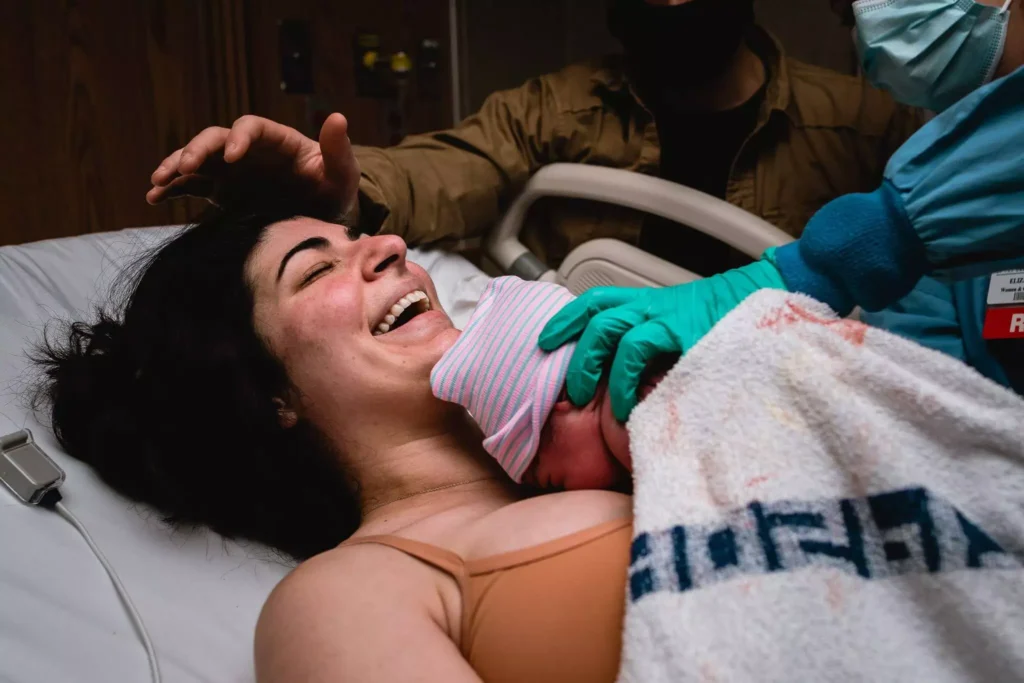

Learn the science of pregnancy and birth to take the mystery of labor away! Understand why you are feeling what you feel, and learn strategies to confidently move through pregnancy and birth!
- 9h+ of Video
- Support Group
- Close Captioning
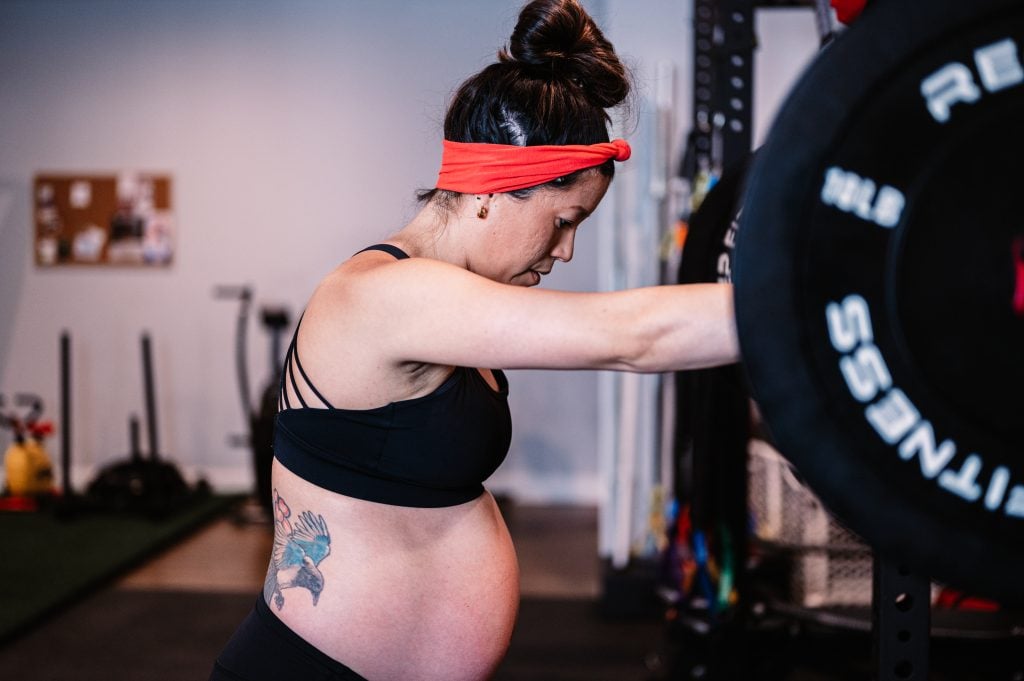

- 5 Workouts/Week
- Gym Workouts
- Self-Paced

Instructor
GINA
Workout on-demand with our prenatal fitness workout videos! Each workout is 30-40 minutes to follow along as you exercise at the same time!
- Birth Prep
- All Trimesters
- Mobility Work

Instructor
GINA
Find comfort and relief from pelvic girdle pain throughout your pregnancy and postpartum period! This program incorporates myofascial sling focused exercises to stabilize across the pelvic girdle joints.
- 3 Weeks
- On Demand Workout Videos to Follow