



There’s a strange and emotional transition that happens in motherhood when you realize you’re no longer in the baby-making phase of life. For some moms, it arrives quietly. For others, it hits like a tidal wave.
In a recent episode of the MamasteFit Podcast, Roxanne and I reflected on what it means to officially enter the “child-rearing era” after years of pregnancy, postpartum recovery, and raising babies. As moms of four, birth professionals, and business owners, we open up about grief, identity, joy, comparison, and the evolving confidence that comes with motherhood.
The conversation was honest, funny, emotional, and hopefully, deeply relatable for any parent navigating the shifting seasons of family life.
Subscribe to our YouTube Channel for more weekly workouts and educational videos! We publish one new workout video and 2-3 educational videos a week on our channel.
The End of the Baby Years Can Feel Bittersweet
For both Roxanne and I, this chapter feels final. No more pregnancies. No more newborns. And while we both feel genuinely complete in our families, that realization still carries emotion.
Not because we desperately want another baby—but because closing one chapter of life naturally forces you to confront change.
Motherhood has a way of making time feel painfully visible.
One moment you’re holding a sleepy newborn against your chest, and the next they’re independently playing, making jokes, or asking for “mental health days” from school.
Speaking for myself especially, every transition has felt emotional because I’ve deeply enjoyed each stage of motherhood. I never found myself wishing phases away or anxiously waiting for the next milestone. Instead, I loved the newborn stage, the toddler stage, and every messy, beautiful season in between.
That’s what makes growth hard: when you genuinely loved where you were.
Why More Babies Don’t Recreate the Same Moment
One of the most powerful realizations shared in the episode was this:
You can have another baby, but you can never have that baby again.
Your toddler will never again be the sleepy newborn you once rocked at 2 a.m. Your oldest child will never return to the phase where they reached for your hand every second of the day.
That understanding helped me accept that having more children wouldn’t actually allow me to relive the moments I miss. Instead, it would create entirely new moments with entirely new children.
And while love expands infinitely, capacity does not.
As families grow, parents naturally divide more attention, energy, and emotional bandwidth among more people. I shared in the episode that one reason I feel complete with four children is because I want to preserve the ability to deeply connect with the children I already have.
That honesty is refreshing in a culture that often pressures mothers to either:
- Constantly long for another baby
- Or “bounce back” and move on quickly from motherhood
The truth is that both grief and gratitude can exist together.
The Shift From “Needed” to “Wanted”
One of the most meaningful transitions in parenting happens when children become more independent.
In the early postpartum months, babies physically need you for survival. Feeding, sleep, comfort, regulation, and connection revolve around the parent—especially the mother.
But over time, children begin to need you differently.
My youngest daughter has shifted from needing me constantly to simply wanting me nearby. That distinction matters.
Toddlers become more interactive. They begin playing independently. They form stronger sibling relationships. They entertain themselves for longer stretches of time. And with that independence comes a small but meaningful return of personal freedom for parents.
For many mothers, this stage can feel surprisingly emotional:
- Relief because life becomes easier
- Sadness because the baby phase is ending
- Excitement because new opportunities reopen
- Guilt for enjoying that freedom
But all of those feelings can coexist.
Rediscovering Yourself Outside of Motherhood
One of the major themes throughout our conversation was rediscovering personal identity alongside parenting.
For me, that rediscovery came through running and racing.
As my youngest became more independent, I found space to reconnect with goals that belong solely to me:
- Training for races
- Improving athletic performance
- Setting personal milestones
- Enjoying hobbies again
That return to self didn’t make me less devoted as a mother. In fact, it strengthened my sense of fulfillment.
Many mothers struggle with the fear that prioritizing themselves somehow diminishes their love for their children. But motherhood and individuality are not opposites.
You are allowed to:
- Love your children deeply
- And still pursue your own passions
You are allowed to:
- Enjoy motherhood
- And still want time for yourself
The healthiest version of motherhood often includes both.
The Evolution of Parenting Confidence
Perhaps one of the most relatable parts of our conversation was the discussion about how dramatically parenting confidence changes over time.
With my first baby, I remember feeling consumed by “rules”:
- Tracking every diaper
- Monitoring every feeding
- Following strict sleep expectations
- Worrying about doing everything “correctly”
Like many first-time moms, I felt enormous pressure to parent according to external expectations rather than internal intuition.
But eventually, exhaustion and experience forced me to question those assumptions.
I realized:
- Some parenting advice worked for my family
- Some didn’t
- And that was okay
That shift changed everything.
Instead of trying to parent according to someone else’s formula, I began asking:
“What actually works for our family?”
That question became foundational to my confidence as a mother.
There Is No Single “Right” Way to Parent
One of the strongest messages from the episode that I want to highlight is the rejection of comparison culture.
Even as sisters with similar values, Roxanne and I parent differently:
- One homeschools while the other uses traditional school
- One prefers more structure while the other thrives with flexibility
- We have different routines, personalities, and priorities
And yet neither believes the other is parenting incorrectly.
That perspective feels especially important in today’s social media landscape, where parenting advice often becomes intensely polarized.
Screens versus no screens.
Sleep training versus bed sharing.
Homeschooling versus public school.
Gentle parenting versus stricter discipline.
The internet frequently frames parenting as a competition where only one approach can be “right.”
But real-life parenting is far more nuanced.
Children are different.
Families are different.
Parents are different.
What works beautifully for one family may completely fail for another.
And that doesn’t mean anyone is failing.
Social Media Only Shows the Highlight Reel
Another important reminder from our conversation is how misleading online motherhood can feel.
When you see another mom traveling with four children, homeschooling successfully, or seemingly handling everything with ease, it’s easy to assume you’re falling short.
But most parents are not posting:
- The meltdowns
- The exhaustion
- The arguments
- The overstimulation
- The tears
Social media often captures curated moments—not full realities.
That doesn’t mean the joyful moments are fake. It simply means they’re incomplete.
Comparison becomes dangerous when we compare our behind-the-scenes reality to someone else’s highlight reel.
Motherhood Is Hard—And Still Wonderful
One point Roxanne and I want to highlight is our refusal to frame motherhood as constant misery.
Yes, parenting is exhausting.
Yes, there are hard days.
Yes, every parent questions themselves sometimes.
But Roxanne and I also genuinely enjoy motherhood.
We love spending time with our children.
We love our evolving family dynamic.
We love watching our kids grow into themselves.
That positivity matters because many mothers today feel pressure to either:
- Romanticize motherhood unrealistically
- Or portray it as endlessly draining
The truth usually lives somewhere in the middle: Motherhood can be difficult and deeply fulfilling.
“You’re Doing a Great Job”
Toward the end of the episode, our conversation turned a bit emotional as we discussed the universal fear many parents carry:
“What if I’m not doing this well enough?”
That fear is incredibly common among loving parents.
In fact, worrying about whether you’re a good parent is often evidence that you care deeply about doing it well.
It made us think of the “Baby Race” episode from Bluey, where one mother reassures another with the simple but powerful words:
“You’re doing a great job.”
Sometimes parents need to hear that reminder.
Not because parenting becomes easy. Not because perfection exists. But because raising children with love, care, effort, and intention truly matters.
Final Thoughts
Motherhood constantly evolves.
There are seasons of survival.
Seasons of attachment.
Seasons of rediscovery.
Seasons of grief for what has passed.
And seasons of excitement for what’s ahead.
Closing the childbearing chapter doesn’t mean the story is ending. It simply means the next chapter is beginning.
And maybe that chapter includes:
- More independence
- More personal growth
- Stronger relationships with older children
- Rediscovering hobbies and passions
- New adventures as a family
No matter what stage of motherhood you’re currently in, one thing remains true:
You do not need to parent exactly like anyone else.
You simply need to build a life and family rhythm that works for you, your children, and the values you hold most deeply. And if you’re worrying whether you’re doing enough…?
You’re probably doing far better than you think.
Prenatal Support Courses
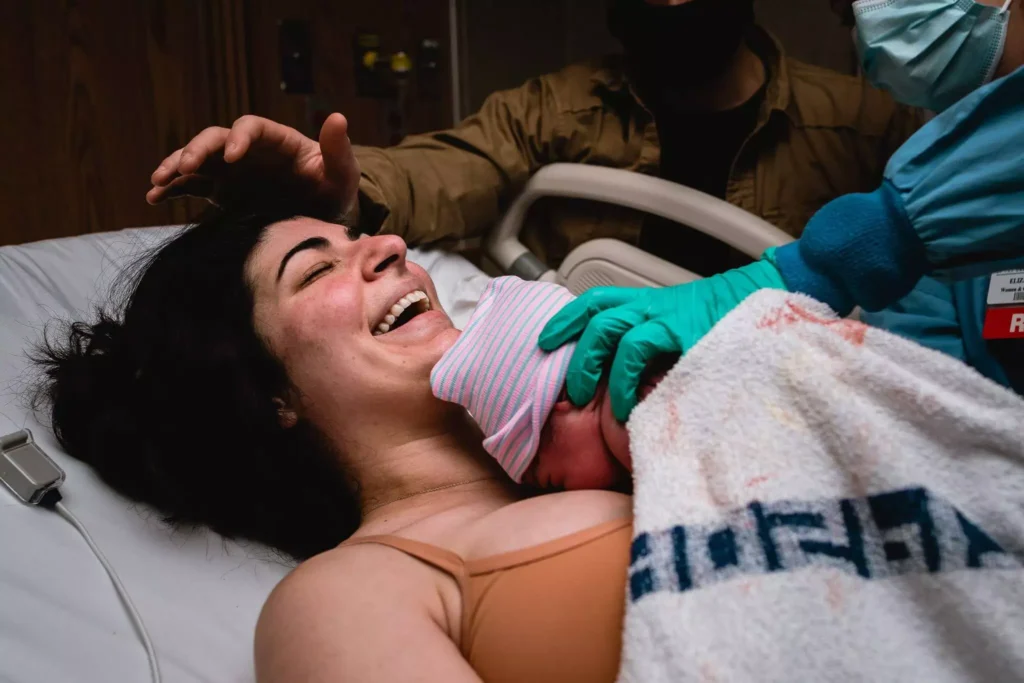

Learn the science of pregnancy and birth to take the mystery of labor away! Understand why you are feeling what you feel, and learn strategies to confidently move through pregnancy and birth!
- 9h+ of Video
- Support Group
- Close Captioning
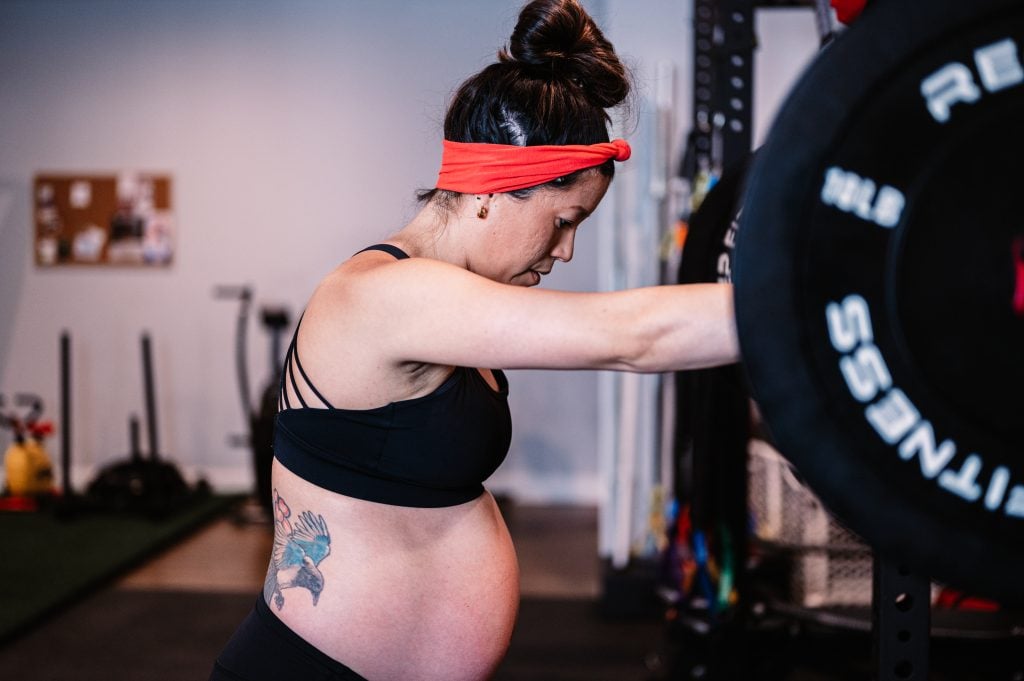

- 5 Workouts/Week
- Gym Workouts
- Self-Paced

Instructor
GINA
Workout on-demand with our prenatal fitness workout videos! Each workout is 30-40 minutes to follow along as you exercise at the same time!
- Birth Prep
- All Trimesters
- Mobility Work

Instructor
GINA
Find comfort and relief from pelvic girdle pain throughout your pregnancy and postpartum period! This program incorporates myofascial sling focused exercises to stabilize across the pelvic girdle joints.
- 3 Weeks
- On Demand Workout Videos to Follow