

Table of Contents
Welcome to the second episode of Moments with MamasteFit! In this new podcast series, we will be discussing one case study every week from our professional experience as a labor nurse and birth doula. In this episode, Gina, a perinatal fitness trainer and birth doula, shares her personal experience with pelvic floor therapy and preparation during pregnancy. She explains the anatomy and significance of the pelvic floor in childbirth and how to address common discomforts like bladder urgency and SI joint pain. Gina describes her internal exam with pelvic floor physical therapist Hayley Kava, the exercises and techniques used to relieve tension, and how these preparations led to a smooth labor and birth experience.
Understanding the Pelvic Floor
The pelvic floor is an intricate group of muscles and connective tissues that form the base of your pelvis, much like a supportive hammock. It serves as the foundation of the core canister, which also includes the diaphragm, abdominal muscles, and back muscles. These components work together to maintain stability, support the body, and manage intra-abdominal pressure. During pregnancy and childbirth, the pelvic floor plays an even more significant role.
Anatomy of the Pelvic Floor
The pelvic floor is divided into two main layers:
Superficial Layer: Located near the surface, this layer controls functions like urination, defecation, and sexual activities.
Deep Layer: Found closer to the center of the pelvis, this layer supports pelvic organs, aids in posture, and stabilizes the spine.
For women, the pelvic floor supports the:
Bladder: Regulates urination.
Uterus: Holds the growing baby during pregnancy.
Rectum: Helps with bowel movements.
Primary Functions of the Pelvic Floor
The pelvic floor performs several vital tasks:
Support for Organs: The pelvic floor acts as a sling, holding the bladder, uterus, and rectum in place. As the uterus expands during pregnancy, the pelvic floor adapts to the added weight and shifting pressures.
Posture and Stability: It works in harmony with the core to stabilize the spine and maintain proper posture, especially crucial as pregnancy alters the body’s center of gravity.
Sphincter Control: The pelvic floor ensures proper control over urination and defecation, preventing incontinence while allowing relaxation when needed.
Lymphatic Flow: The rhythmic movement of the pelvic floor promotes lymphatic drainage, supporting circulation and reducing swelling in the pelvic area.
Sexual Function: The muscles of the pelvic floor contribute to sexual sensation and satisfaction by supporting arousal and orgasm.
Childbirth Facilitation: During labor, the pelvic floor stretches to allow the baby to pass through the birth canal. Balanced tension and flexibility in the pelvic floor are critical for this process.
The Pelvic Floor in Pregnancy
As pregnancy progresses, the pelvic floor adapts to support the increasing weight of the baby and the changes in the uterus. However, this adaptation can lead to tension imbalances or weaknesses, contributing to common pregnancy discomforts such as:
Bladder Urgency: An overactive pelvic floor can push the bladder forward, creating a sensation of needing to urinate frequently.
Pelvic Heaviness: Uneven tension may restrict movement or create a feeling of weight in the pelvis.
Lower Back and SI Joint Pain: Misalignment of the pelvis can lead to discomfort in the lower back or sacroiliac joints.
Without proper support or preparation, these imbalances can also affect the baby’s positioning for birth. For example:
Optimal Fetal Positioning: The pelvic floor helps guide the baby’s head into a chin-tucked position, which reduces its diameter as it passes through the pelvis. Uneven tension can cause the baby to tilt its head sideways or extend its neck, complicating the birthing process.
The Pelvic Floor in Childbirth: The Gateway to Birth
During childbirth, the pelvic floor stretches significantly to accommodate the baby’s descent. The degree of stretching depends on the baby’s position and the pelvic floor’s flexibility:
Chin-Tucked Position: Even tension in the pelvic floor ensures the baby enters the pelvis in a smaller, more streamlined position.
Uneven Tension Challenges: Tightness or imbalances in the pelvic floor can lead to prolonged labor or increased risk of tearing.
The ability to relax and release the pelvic floor during contractions is critical for smooth labor. Practices such as pelvic floor physical therapy and targeted exercises can prepare the muscles to release appropriately during childbirth.
Signs of Pelvic Floor Dysfunction
Understanding potential dysfunctions can help you address issues early. Signs include:
Frequent urination with little output.
Pain or heaviness in the pelvic region.
Difficulty or pain during bowel movements.
Pain during intercourse.
Persistent lower back pain or tailbone discomfort.
 Video course · 7 modules
Prepare Your Pelvic Floor For Birth
Seven modules on releasing the pelvic floor rather than only strengthening it — breathing drills, thoracic and pelvic mobility, and how to relax it during labor.
Learn more
Video course · 7 modules
Prepare Your Pelvic Floor For Birth
Seven modules on releasing the pelvic floor rather than only strengthening it — breathing drills, thoracic and pelvic mobility, and how to relax it during labor.
Learn more
 On-demand video · 24 workouts
Birth Prep Workout Program
Twenty-four workouts that open the pelvis for each stage of labor — strength, mobility, and positioning you can start at any fitness level, 15 to 30 minutes each.
Learn more
On-demand video · 24 workouts
Birth Prep Workout Program
Twenty-four workouts that open the pelvis for each stage of labor — strength, mobility, and positioning you can start at any fitness level, 15 to 30 minutes each.
Learn more
 Video course · 9+ hours
Childbirth Education
Over nine hours of video on contractions, comfort measures, pushing, and recovery — so you walk into labor knowing what's happening and what your options are at each stage.
Learn more
Video course · 9+ hours
Childbirth Education
Over nine hours of video on contractions, comfort measures, pushing, and recovery — so you walk into labor knowing what's happening and what your options are at each stage.
Learn more
My Personal Challenges
During pregnancy, I experienced the following:
Bladder urgency.
Pelvic heaviness.
Right sacroiliac (SI) joint pain.
These issues stemmed from uneven pelvic floor tension. My right pelvic floor was overactive, pushing my baby forward onto my bladder, while the left posterior pelvic floor was tight, restricting space for baby’s descent.
The Solution: Pelvic Floor Therapy During Pregnancy
With the help of pelvic floor physical therapist Hayley Kava, I underwent an internal exam (safe during pregnancy unless contraindicated). The findings highlighted:
Overactivity in the right pelvic floor.
Tightness in the left posterior pelvic floor.
To address these imbalances, I incorporated:
Internal Release: Targeted techniques to relax overactive areas using tools like a pelvic wand.
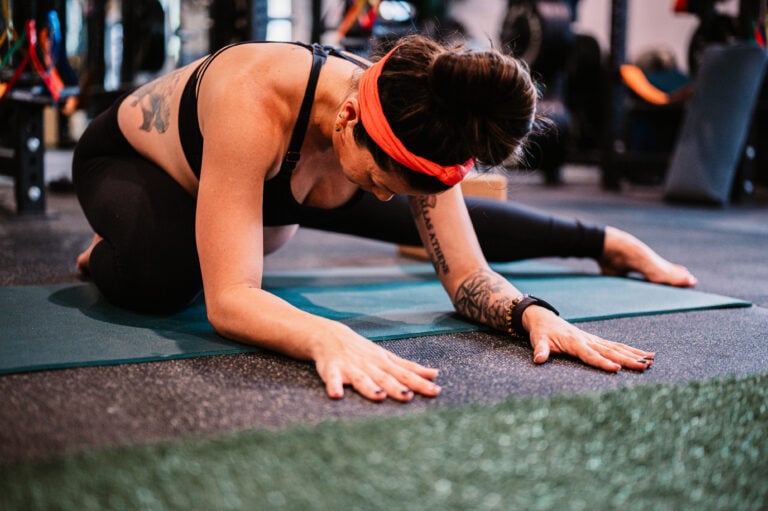
Targeted Exercises: Movements to adjust pelvic positioning and reduce uneven tension.
Key Exercises for Pelvic Floor Preparation
Open Hip Lunge: A half-lunge position with torso rotation away from the right thigh, releasing the right pelvic floor.
Hip Shifts: Shifting weight between legs to stretch the left posterior pelvic floor.
Glute and Quad Strengthening: Focused on the right side to reduce overactivity.
Hamstring and Inner Thigh Strengthening: For the left side, promoting a balanced pelvic position.
Benefits of Pelvic Floor Preparation
By addressing pelvic asymmetry, I successfully:
Reduced pelvic discomfort and bladder urgency.
Created space for my baby to engage optimally for labor.
Facilitated a smoother, faster birth process with minimal tearing.
After incorporating these strategies, I experienced a fast labor with just five pushes and no tearing during my water birth. My pelvic floor preparation allowed my baby to start labor in an optimal position, leading to a smoother delivery.
I have to emphasize the importance of having a supportive care provider who prioritizes reducing tearing risks. Techniques like warm compresses, controlled pushing guidance, and water births can significantly improve outcomes.
Takeaway Tips for Pelvic Floor Preparation
Seek Professional Guidance: A pelvic floor physical therapist can assess your specific needs and guide you through preparation techniques.
Incorporate Targeted Exercises: Address asymmetries with exercises tailored to your body.
Consider Your Provider’s Approach: Work with someone who supports minimal tearing and patient-centered care.
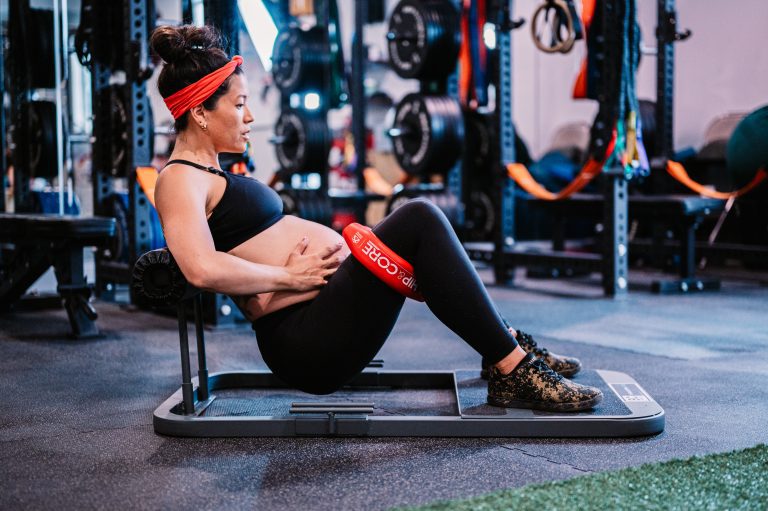 Bundle · lifetime access
MamasteFit Bundles
Combine courses and programs for lifetime access and save up to 15% — grouped for birth preparation, the third trimester, or the whole pre and postnatal journey.
Learn more
On-demand video · 30 workouts
Core, Pelvic Floor & Pelvic Stability
Thirty follow-along workouts across beginner, novice, and advanced levels, ten per level — core and pelvic floor strength for pain relief in pregnancy or postpartum.
Learn more
Bundle · lifetime access
MamasteFit Bundles
Combine courses and programs for lifetime access and save up to 15% — grouped for birth preparation, the third trimester, or the whole pre and postnatal journey.
Learn more
On-demand video · 30 workouts
Core, Pelvic Floor & Pelvic Stability
Thirty follow-along workouts across beginner, novice, and advanced levels, ten per level — core and pelvic floor strength for pain relief in pregnancy or postpartum.
Learn more
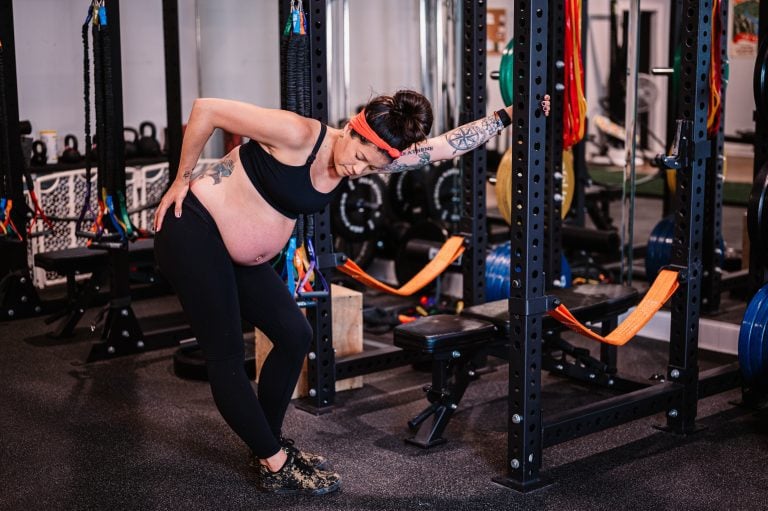 On-demand video · 128 workouts
Prenatal Workout On-Demand
Follow-along workouts from week 5 to week 41, four or five a week with guided warm-ups and cool-downs — over 128 sessions coached in real time alongside the video.
Learn more
On-demand video · 128 workouts
Prenatal Workout On-Demand
Follow-along workouts from week 5 to week 41, four or five a week with guided warm-ups and cool-downs — over 128 sessions coached in real time alongside the video.
Learn more
Additional Resources
For more guidance, MamasteFit offers online courses, including:
For more insights into birth preparation, prenatal fitness, and recovery, explore our courses at MamasteFit and use code MOMENT10 for 10% off our offerings.