



In this episode of the MamasteFit podcast, hosts Gina and Roxanne welcome Lexie Kite, co-author of ‘More Than a Body,’ to discuss the challenges of body image during pregnancy and postpartum. Lexie, who holds a PhD in body image and objectification, shares her insights on how women can develop body image resilience amid societal pressures. The conversation covers the importance of viewing the body as an instrument rather than an ornament, the problematic nature of BMI in assessing individual health, and practical tips for new mothers to prioritize self-compassion and functionality over aesthetics. The episode underscores the significance of reshaping body image narratives for future generations. Listeners are encouraged to focus on health and functionality while appreciating the profound capabilities of their bodies during and after pregnancy.
Read Episode Transcript
Gina: Welcome to the MamasteFit Podcast. In this episode, we have Lexie Kite here from Beauty Redefined, who’s going to be talking all about body image during pregnancy and the postpartum, because there’s a lot of changes that are happening during this timeframe. So thanks so much for being here, Lexie.
[00:02:00] Lexie: Yes, thank you for having me. This will be a fun convo.
[00:02:02] Gina: If you could introduce yourself to our listeners who are maybe not familiar with your guys’ work.
[00:02:07] Lexie: Yeah, so I’m Lexie Kite. I have an identical twin, Lindsay Kite. We received our PhDs together more than 10 years ago at this point. That’s really aging us. But, our expertise is in body image, specifically female body image, and the objectification of women. The idea that from the time we are just little and growing up, we, understand and perceive our bodies as objects. And we’ve been taught that from a million media messages and cultural messages throughout our lives. So we help people develop body image resilience or the ability to like resiliently rise against all the objectifying messages that we kind of swallow and, you know, relate to our bodies as objects instead of instruments for our use.
[00:02:53] Lexie: So Lindsay and I have been doing this work for a long time now. we travel around the country and do speaking events for universities, different conferences, the works. And that is our favorite thing to do. And we, I guess it’s been three years ago now, we published our first book with Harper Collins called More Than a Body.
[00:03:14] Lexie: And that’s been so exciting. Just like the biggest win for us. It’s allowed our message to get beyond Instagram and social media in a way that has been super transformative for people, thank goodness. Our book’s been highly well received and so we just published a workbook companion. It’s like a daily workbook that takes people through the practice of developing body image resilience on a daily basis. So that’s, what we do.
[00:03:40] Gina: I found your guys’ page I think when I was newly postpartum several years ago, and it just like really resonated with me because it was so focused on how can my body function and what capabilities does my body have and what has my body done for me, as opposed to how does my body look. And kind of understanding that, like how much I weigh or how much fat there is on my body doesn’t necessarily equate to like better health or better function or like happiness. And so I’m definitely really excited to have this conversation with you about how can we navigate a changing body during pregnancy and then this new body in the postpartum and give ourselves a lot of grace.
[00:04:22] Gina: Cause there’s so much messaging out there that’s like, “How to have a belly only pregnancy,” like, “Prevent stretch marks,” like, “How to bounce back,” “Do my program and you’ll lose this random part of your body that is unappealing to the masses,” or, “Drink this juice to lose weight fast.” And it breaks my heart to see that marketing strategy, but then it breaks my heart even more when I see all of the engagement where folks are like, “Yes, what are the exercises can I do to lose weight?” Or, “What juice can I drink?” And like that hurts me, I think even more. And we get folks all the time that’ll message us like, “How much do you weigh? How can I weigh less?” Or, “If I lose these 10 pounds, I just have 10 more pounds to lose.” And it’s always well, what, is waiting for you when you lose those 10 pounds? What is at the end of this?
[00:05:15] Roxanne: What is the end goal that you’re wanting to achieve with losing the 10 pounds? Because I think that they’re like the 10 pounds is just this goal in people’s minds, it’s like, “Oh, if once I lose these 10 pounds, my jeans will fit better. Once I lose these 10 pounds, I’ll be able to squat heavier,” like “I’ll be able to do…” whatever their goal is, once they get to that 10 pounds. “I’ll look better in my t shirts if I lose 10 pounds.”
[00:05:40] Roxanne: But in actuality, you losing 10 pounds isn’t gonna do it. It’s probably the steps of what to get there. Whether it’s, maybe change your eating habits or, maybe lifting heavier will get you to the goal, but you might not actually weigh anything differently. Like the scale is just a number. And if you just focus on like these 10 pounds, like you actually may be like, for lack of a better word, less healthy than if you just focus on the goal that you’re trying to achieve than the number on the scale.
[00:06:15] Lexie: Amen.
[00:06:15] Roxanne: But like even myself, I mean, I know all of these things and we are in this like fitness/health world, and even me, when I would weigh myself during pregnancy, I’d be like, “Oh my gosh, I weigh a lot more.” I gain like 35 to 40 pounds when I am pregnant because I grow large placentas and large babies and this is healthy. But it’s still “Oh!” when I see the number on the
scale. “Oh my gosh, I’m at 35 pounds.” Yeah, it’s so deeply ingrained in you that like you have to stay small and take the smallest amount of space possible, when in actuality, we have a lot of space to take up.
[00:06:57] Lexie: Oh, yeah. I mean, when we think about our work, Lindsay and I, our work started out in trying to interrogate why it’s almost an universal experience for girls and women to relate to our bodies from an outsider’s perspective, to picture how we look instead of live inside our bodies.
[00:07:16] Lexie: And so, we’re doing the research to, to determine what messages get us there, what ways do our families talk about their own bodies and our bodies that get us to this place where we cannot embody ourselves. We cannot imagine any other way of seeing ourselves than from a very critical outsider’s perspective of us. We all grow up this way from the time we are so young.
[00:07:41] Lexie: And so can you imagine, and you can, because we’re all doing it, adding pregnancy on top of that?
[00:07:48] Roxanne: Yeah.
[00:07:48] Lexie: What a lack of control in your own body. You might have gotten up to this point in your life, not being pregnant up until this point, being able to, you know, really count your macros or your carbs, your calories, you’ve been able to diet yourself into a body that you feel okay about.
[00:08:07] Lexie: You might have been able to be so in control of your body and your health that you can lift as heavy as you want and do the cardio you want to do and just feel like, “I’ve got this under control.” Or, “I’ve been fat in the past and I lost the weight, I’m gonna keep it off.” And then- and I’m pregnant right now, I’m experiencing this in real time too- and then, all of a sudden, you get pregnant. Your tastes totally change. Your health totally changes throughout the whole first trimester.
[00:08:37] Lexie: I am a shell of my former self. I am disgusted by almost all foods, but carb loading to make sure that I don’t barf. Which is, you know, that’s spiking my blood sugar and makes me feel terrible. I’m not moving because fatigue has taken over my life, you know? Not everybody feels that way, but all of us are not in control of our bodies when we’re pregnant.
[00:08:57] Lexie: And so the mantra that we share with people, that we really want you to take into account when you’re pregnant too, is the subtitle of our book- your body is an instrument, not an ornament. What we mean by that is not that your body is a perfect instrument. Nobody’s is, not while pregnant, not while not pregnant. But our bodies are instrumental. They are primarily, first and foremost, for us. Our lungs breathe, our muscles move, our heart beats. This is the only body you’ve ever had, the only body you’re ever going to have. And yet we have learned to relate to ourselves as like gross burdens to drag around behind ourselves, you know? That if we could only fix this part and this thing and be in control of this embarrassing piece, you know, that we’ve been sold from a million angles, then you’ll be happy. You know, once you lose that 10 pounds, then, you know, once those jeans fit or those leggings look a little better, then you’ll be happy.
[00:09:58] Lexie: But the truth is, that is not how life works, and you’ve proved it, and I’ve proved it. You can lose the weight. You can hit the aesthetic goal you want to get to. And you don’t feel this rush of endorphins that says, I did it, you guys! I’m good to go! Let’s move on with our lives. No, you think, “Okay, I got to this weight I wanted on the scale, but I don’t quite look like I thought I would look, and so, I think I need to keep going. You know, that goal weight that I’ve always had in mind, it wasn’t quite it, let’s go.” Or, “Oh my gosh, I’m there, but now I have to maintain this. And my body’s going to fight against me to try to maintain this low weight or this aesthetic ideal.” And then your whole life is consumed, again, in how you look in an ornamental view of your body, instead of an instrumental view, which would tell you to prioritize how you feel, what you can do inside your body, to set goals that are based on doing, not being seen.
[00:10:50] Lexie: So the goal isn’t how much you weigh, that’s an objectified goal of your health that actually has nothing to do with your health. That’s just your body’s relationship to gravity. Instead your goal as an instrument, not an ornament, should be: I’m going to move my body this many times this week. I’m going to walk this many miles. I’m going to lift this heavy of weights by this date. I’m going to take this many dance classes- something that allows you to experience your body as yours and nobody else’s. Something that brings you joy.
[00:11:19] Lexie: And that’s just this first step to being able to understand that your body is your home. And now your body is a home for someone else, the wildest thing in the whole world. And yet we’re all doing that, and we are sold these ideals from every angle that just tells us that our bodies are disgusting as they are growing another human. And, “These are all the ways to make sure you have a belly only pregnancy,” or that, “Your belly looks like this, cause at 14 weeks, this is what all belly should look like,” or, “You shouldn’t be gaining this much weight because of your BMI.” You know, all this stuff that is just such a joke, that is, really profiting from our insecurities.
[00:11:54] Lexie: So, that was a long rant!
[00:11:55] Gina: It really takes, I mean, we could rant on this for days, but it takes away from like the joy and the miracle that is pregnancy, like literally growing a life, like, by myself. I mean, I had help to create it with my husband, but like nobody is like, “Hey, are you making sure that you’re growing those eyeballs today? What about the eyelashes? Are you growing those lashes?”
[00:12:20] Roxanne: I mean, if there are things that we can help with these eyelashes though, yes.
[00:12:24] Gina: And so if I spent my whole pregnancy consumed with how much weight am I gaining? What is my body looking like? Like, how do I make sure that I am like a really cute pregnant person? Like it would just take away from like, how just incredible… no other body has created life than the pregnant and postpartum body! And that’s amazing. Can we just celebrate that instead of being like, “Well, now you need to lose all that weight.”
[00:12:52] Roxanne: “Well, the baby’s out. Good luck.” I think it’s also, and thankfully, so I’m in school to be a midwife, and so the topic of weight gain is brought up in my school curriculum cause it’s like part of the boards and stuff. But they will mention like in it, I really love the program because they’re very progressive, where like they talk about what is the recommended based off of people’s BMIs and we do have to learn them, but they’re like, “This is not an evidence based like algorithm anymore. Like BMI is not like a tool for us to really be using, but you need to know it in order to pass your board, so that’s why we have to teach it to you. But knowing that everyone’s weight gain during their pregnancy is different and it should not be based off of their BMI.” We do need to ensure that they’re eating like a balanced diet and a nutritious diet. So asking about their diet is beneficial, but not scolding them because, “Oh, well, based off your BMI, you should have only gained two pounds since I’ve last seen you, and I see that you’ve gained five pounds. So let me tell you all of the reasons why you shouldn’t be gaining weight as quickly as you are.” and then it’s also a trend. So like maybe one week you gain five (pounds), but then the next one, you only gain one pound.
[00:14:06] Roxanne: So it’s knowing that it’s not oh, every week it’s going to be one pound per week. It’s like an average of that time period.
[00:14:14] Lexie: I love that.
[00:14:15] Roxanne: But again, every body is so different that if they’re gaining weight and they’re eating a balanced diet and their baby is growing appropriately, that is more important than like this BMI scale that is not necessarily even accurate anymore.
[00:14:31] Lexie: Well, that’s right. We write all about that in our book. We have a chapter devoted to this. Lindsay’s dissertation research was about the fact that in our minds and even within healthcare, objectification, like objectifying unattainable ideals have been coupled with health ideals in a way that we need to disentangle. Because the truth is that the BMI, I mean like we can dig into all the history of it, and we did, the BMI does not work for individuals. The BMI is for population studies. Population studies! Of thousands! It’s based on a 25 year old white male.
[00:15:08] Gina: This is shocking.
[00:15:09] Lexie: We are not male.
[00:15:10] Gina: I’m shocked.
[00:15:11] Roxanne: What?!
[00:15:11] Lexie: We are not 25.
[00:15:13] Roxanne: And we’re not 25.
[00:15:14] Lexie: Well, I’m not 25.
[00:15:15] Gina: I’m not, we’re not either.
[00:15:16] Roxanne: We are not 25.
[00:15:17] Gina: I’m definitely not a male.
[00:15:18] Lexie: Oh my gosh.
[00:15:19] Roxanne: Definitely. Definitely we’ve got two X’s.
[00:15:21] Lexie: Once you realize that the BMI was never supposed to be for us, not for 16 year old Lexie that was told I was overweight and needed to do everything in my power to diet my life away. It’s not for African American people who have a build that is so different than a 25 year old white man. And every 25 year old white man’s build is so different. It doesn’t take into account muscle mass, race, ethnicity, socioeconomic status, so many things, body type in general.
[00:15:52] Lexie: I, have always been considered overweight or obese according to the BMI, but I am in perfect health, I would say. Like, all the blood work is there. So when I’m pregnant, and when I’m not, I take care of myself. When I to go to my midwife, and my like midwives group that’s part of a research hospital at a university, I’ve asked them with every pregnancy I’ve said, I want to opt out of being weighed if that’s okay. And they’ve all been very supportive. And during my last pregnancy, my midwife said, “Absolutely. I want you to know that we’re only weighing you to ensure you’re gaining weight. There’s no judgment here about the rest of it.” And I thanked her and said, “I’m in touch with my body. I really want to see those internal indicators of health. I’m very curious about my cholesterol, my blood sugar, these things that we’re tracking as we go. And if there were a problem, if I could tell that, you know, I was, swelling a lot or something was happening, I’d let you know.” And so they have trusted me the whole time through this third pregnancy now. I’m not being weighed. They don’t know a beginning weight. I don’t know a beginning weight. We’re just tracking my internal indicators of health.
[00:16:59] Lexie: And that’s true for people whether you’re pregnant or not. If you are triggered by the weight on the scale, if it is going to make your pregnancy more stressful, if it makes your life more stressful because you have a goal weight in mind, which almost all of us do, a nebulous weight that doesn’t actually give us what we want, then, one of the tips we recommend is that you opt out of the weigh ins, or if your healthcare provider recommends them, that you ask to not address it unless it becomes a real issue that needs to be addressed. They don’t have to tell you your weight. This does not have to be a topic of conversation. But really allowing for, like you talked about, being able to speak about nutrition, what you’re adding, what you need, you know? Being able to talk about moving your body in ways that are not punishing, but that are helpful and sustainable.
[00:17:46] Lexie: These things? That’s health promoting. A number on the scale, like you said before, you can get to your goal weight and you can do it in the most unhealthy way possible. You can starve yourself there. You can overexercise yourself there. You can drug yourself there. You know, there are a million ways to get to your goal weight, where you will be left unhealthier than you were before at a higher weight. And if you really want to develop a relationship with your body as your own, as an instrument and not an ornament, then one of the ways to challenge yourself is to opt out of body checking yourself compared to your skinny jeans or the weight on the scale, and instead really focus on how you can treat your body as that instrument through moving it. Through adding in nutritious foods and not just thinking about how you can punish yourself into submission.
[00:18:38] Gina: I really love that. And I think when you make it into the postpartum, especially if you have little girls, how you kind of treat yourself postpartum has like a profound effect on them as well. And not even just them, but the children that they interact with also. And so I’m not perfect, obviously, with body image, like I struggle with it because it’s been so deeply ingrained within me.
[00:19:03] Lexie: Oh yeah!
[00:19:04] Gina: But with my own daughter, we talk about food as how is it nourishing us, as opposed to healthy versus unhealthy.
[00:19:11] Roxanne: Yes!
[00:19:12] Gina: I try not to talk about, “Oh, I’m a little fat here,” or things that I don’t like about my body. Like I just try not to talk about it out loud because then she’s going to internalize that and be like, “Oh, I need to make sure that like I look a certain way too, in order to be beautiful.”
[00:19:32] Roxanne: Yeah.
[00:19:34] Gina: And so like, how I speak about my body postpartum, I know impacts my children.
[00:19:40] Gina: And once they started going to school, my daughter was coming home with like different messaging that she was hearing from other girls. And so then it’s okay, even though we’ve been doing these things at home, we also have to address that not everyone feels this way.
[00:19:55] Roxanne: Yes.
[00:19:55] Gina: But can we talk a little bit about the postpartum body as well? Because during pregnancy, sometimes we get like a freebie where it’s, “Well, you’re pregnant. It’s okay to grow.”
[00:20:08] Roxanne: It’s like growing a beautiful belly is okay.
[00:20:10] Gina: Yeah, like ” You’re good, you can get a little fat cuz you’re pregnant.”
[00:20:13] Roxanne: Like you’re growing a baby. It’s gorgeous. Like you have pregnancy glow.
[00:20:17] Roxanne: I think that was like, my face was getting swollen during the end of my pregnancy and a midwife told me, she’s like, “Oh, you have like pregnancy glow. Like your face is like the pregnant face.” And I was like, what does that mean? What are you saying to me?
[00:20:28] Gina: Can we just not comment?
[00:20:29] Roxanne: What does that mean? And she’s like, “You know, like it’s like fuller and your cheeks are rosy.” I was like, “Are you calling me fat? What are you saying?” She’s like, “I apologize. I won’t say it ever again.” And I’m like, “But what do you mean?!”
[00:20:41] Gina: But once the pregnancy’s done, then it’s “Well, we’re going to bounce back.” Like, “Your poor husband,”
[00:20:50] Roxanne: Oh yeah.
[00:20:51] Gina: This is when he has to deal with. It’s just harsh, like in the postpartum, and it’s really easy to be harsh on ourselves.
[00:20:56] Gina: And so we’ll get folks that come to our gym and are like, “Hey, I want to lose weight. I want to get, like, I want to fit in my jeans again.” And we’re very hyper focused on, “Hey, this is not going to be the facility that you’re going to like massively lose weight, super fast.” Like we’re, we’ve woken up, we focus on function over aesthetics here.
[00:21:20] Gina: Yes. The defaults of exercising will probably be that you will probably lose some weight and you’ll gain some muscle mass, which may create a leaner appearance on you. But our main goal is to make sure that you’re not in pain, that you don’t have pelvic floor dysfunction, that you can be very active through motherhood with your children. You can get up and down from the floor and carry your kids without being in pain or fatiguing instantly. And so like you may lose weight while working out with us, but that is not our goal. Like we’re not doing hard HIIT workouts that you’re going to be dripping sweat by the end, so that you leave and you’re like, “Yes, I got a good workout! I can go starve myself now,” or whatever it is. And we have clients that choose not to work out with us because of that. And that’s okay.
[00:22:02] Gina: But it always breaks my heart cause I’m like, you could feel so much better in your body without being so hyper focused on how you look. And I, my mother in law will even be like, she’s in her seventies and she’s like, “Oh, I just got 10 more pounds to lose.” And I’m like, when does it go away? Like when do you accept that this is the body that you have. And that was also like really heartbreaking.
[00:22:27] Gina: But can we talk about the transition from pregnancy into the postpartum, which is also another uncontrolled, uncontrollable experience as well. I mean, you can have some control, but in general, like our bodies are going to be different after we give birth, and it’s just, yeah.
[00:22:45] Lexie: That transition is so stressful. Cause you’re right, like sometimes we give ourselves and other people do give us a pass in pregnancy. This is when you can eat! You know, do whatever you need to do. We’ll bounce back afterward. We’ll figure it out after. But you guys are talking about such a beautiful approach to postpartum, which is free from shame.
[00:23:05] Lexie: It is so easy to let shame be the primary trigger in our lives once that baby comes out. All of a sudden you’re looking at your stomach. It’s because of genetics, because of what just happened in there. It’s changed. It’s different. Things are floppy. They’re going to get back. It’s going to take a long time. And it is so easy to relate to your body from just a place of disgust and shame. That feeling of looking at yourself from that critical observer’s perspective, that’s, you know, your worst fears about what your partner might be thinking when they look at you or your friends that also just had babies, but don’t look quite like you do, whatever it is. It’s so easy to relate to ourselves from only that perspective. And shame is never going to get us anywhere good. Shame will lead you straight to an eating disorder where you’re so obsessed with what you’re not eating or what you’re eating, and binging, and purging that nothing else really matters in your life. It becomes a full-blown mental illness.
[00:24:00] Lexie: Shame will lead you to exercising at the expense of your health and your pelvic floor, when you need to take it easy for a while, or when you need to prioritize muscle over cardio and just burning calories fast. Shame will lead you to have less meaningful relationships with your partner, with your children, with your baby, because you are focused on how to change your body instead of live in this body that just did the most miraculous thing ever.
[00:24:30] Lexie: And it’s easy to see why so many of us have to relate to our bodies from this place of shame once we have a baby, because the sexist, ugh, capitalist world we live in tells us it’s time to bounce back. That’s what you hear across the board. It is the most money making thing in the whole world to take this group, the most vulnerable group you can imagine, postpartum women who just went through nine months of physical pain, and changes, and fatigue, and then through surgery or through real pain, got a baby out, and then you’re handed that baby, and then you’re just supposed to live like you didn’t just have a baby.
[00:25:11] Lexie: My goodness, I cannot believe we do this. Every time I think about how I’ve done this, and how these women walking around, they all did the hardest thing in the whole world, and we just, we’re like, “Oh cute baby,” you know. We just act like nothing happened. It’s incredible! And if we could come from this place of, oh my gosh, this is the most amazing miracle that just happened, and things are gonna change. And my hips are different. My bones are different. I might not fit into the same clothes I wore before, and just come from a place of like gratitude that we’re here and like just a sense of self compassion that I just did the hardest thing in the whole world and I’m continuing to do the hardest thing in the whole world, that we could not be so prey to objectifying messages and gyms and products and services that are just, the algorithm just pounds into our brains.
[00:26:10] Lexie: I think that the goal here is to be able to be resilient against every triggering message. And instead of responding to those triggers in maybe the ways we used to, because we all have responded in ways that were filled with shame and self-harm, self-loathing, the goal here is that as you feel that trigger rise up, whether it’s through scrolling on your phone or the comment your mother in law made, or seeing that photo of you and just feeling like I can’t even relate to myself. Who is this? Instead of letting that trigger overtake you and you picture yourself as your worst critic and you relate to yourself and behave as your own worst critic, instead of doing those things you would do and punishing yourself, you sit with it for a second and you breathe and you remember that trigger Is profiting from your shame. That whatever that trigger is, whether it’s a person who is so deep in their own objectification that they can’t even see you, they’re thinking about their own body, or, message or an advertisement that is literally designed to profit from your shame and pain- instead of just swallowing that trigger and accepting it like you used to, if you can sit with it, breathe for a minute, relax your belly, the muscles you’ve been taught to suck in your whole life, especially postpartum, when the muscles aren’t even working yet. And instead just say, no, this is not natural. This is something that is causing me to self objectify to picture myself from the outside, and I cannot punish myself in the ways I used to. My body is mine. I am more than a body. My body is an instrument, not an ornament, whatever your mantra is. And then choose a new choice.
[00:27:56] Lexie: You’re going to go out anyway. You’re going to go on that walk or to that event or to pick up your kid anyway. You’re going to wear whatever it is you’re wearing anyway. It’s okay if it’s covered in fuzz, if you are just schlumpy dumpy like you can’t even imagine. Prove yourself wrong, prove your worst fears wrong, and go anyway. Go to the gym anyway. Do the thing that scares you. And as you do it, you flex this resilience muscle. And you learn that even as the trigger arises, if you can sit with it for a minute, talk yourself back down, and then do the thing anyway. Set your phone down, go for a walk, do some lunges, talk to a friend, be vulnerable with people. As you do these things that allow you to serve yourself instead of punish yourself, you build that muscle that makes it easier every time you’re triggered. And over time, the triggers don’t even exist anymore. You’ve trained your algorithm that you don’t want to see that crap it’s pulling up. You’ve trained the people in your life that, “We’re not talking like this. We don’t do this in front of me or my kids. We are trying to see ourselves as more than bodies. And so in front of us, please don’t talk about yourself that way. And please don’t talk about anybody else that way.”
[00:29:04] Lexie: We do these things to curate a new body image environment where we see ourselves as more than bodies, where we help our kids see themselves as more than bodies. We train our media to be an algorithm that serves us content that serves us instead of hurts us. And over time, body image resilience becomes a way of life. And sure, you’re still going to be triggered. These things come up. Things like pregnancy and postpartum, no way you’re not triggered by that. But the triggers can be your opportunity, your catalyst to make a new choice, not the old choices that used to hurt you. They never actually served you, but an opportunity.
[00:29:41] Lexie: And that’s what we want people to see in body image resilience. That instead of staying in your comfort zone, that’s very comfortable and doing the things you always used to do, the punishments, the diets, the plan for how you’re going to fix yourself in the future. Instead, you make a new choice. That spark of shame is an opportunity for you instead of just a moment of pain. And over time, we’re all stronger. We’re all better. And the whole world starts to see women as more than bodies. We start to see ourselves that way too.
[00:30:10] Gina: I absolutely love that. And pretty much all of the messaging that you and your sister are doing on like your Instagram page and with your book and just with your guys’ life work, I think is so powerful and really going to like change the current generation so that we can positively impact the next generation. So my daughter doesn’t to go to high school and think she needs to lose weight so that she can be skinnier so she can run faster. Or that she goes into college still having the same mindset of, “I need to lose weight because this other girl on my team can wear a Livestrong bracelet on her ankle and I can’t.” Well, my anatomy is different!
[00:30:50] Roxanne: Like my bones are different.
[00:30:51] Gina: And so when I look back at my own upbringing, and our mom has never been like body image, or not body image, like never been like on a diet or, “I need to be skinny,” or like the almond mom kind of thing. And so it was always like shocking to me that we still had some body image issues.
[00:31:11] Roxanne: Which is, it just shows the impact of society’s influence on our body image.
[00:31:17] Gina: And so I’m like, if we can like truly embody that my body is an instrument and not an ornament, and like, how powerful is this body that grew life and it’s sustaining this life postpartum and caring for this life postpartum while it’s healing and bleeding and crack nipples and all the stuff that comes in postpartum? And how powerful that experience is. And like really embodying that as I continue with the postpartum and beyond, like how much is that going to impact like my daughters? And how is that going to impact my son as he’s interacting with women later, girls and women later in his life where he’s like, “Hell yeah, this is an incredible experience!” I’m like, that by itself is just so powerful.
[00:32:05] Gina: We’ve had folks like message us over the recent weeks to be like, “I have a client who is really struggling with body image, like what do I do?” And I’m like, “I mean, I don’t have a set answer for you that’s going to magically change somebody’s mindset. But the biggest thing for me as like a trainer or somebody that’s interacting with women during this phase of life that is so monumental and I think really sets kind of the foundation of what the next generation is going to be like, is just to really emphasize function over aesthetics. Like commenting on how powerful they are looking, or how don’t comment on their body, don’t tell them how small their belly is, or the opposite especially. But just maybe just don’t compliment people on what their body looks like because they can be super skinny because they’re sick, they’re going through a hard time. They might have more weight on them because something else is going on. Maybe this is a healthier weight for them.
[00:32:56] Gina: And so, yeah, I think your guys’ message is so, so powerful. And I truly think that it’s going to impact so many people.
[00:33:06] Roxanne: Yeah.
[00:33:07] Gina: And I know that we can talk about this forever, but how can our listeners learn more from you?
[00:33:13] Gina: So you have your guys’ book, your Instagram page, you guys offer workshops.
[00:33:17] Lexie: Yeah. I think honestly, the book is the culmination of all of our work. It is. We feel really proud of it. It is both, research backed, but it’s also personal. I’m telling the stories of postpartum. I’m telling the stories of being triggered by my own photos and how I resiliently rose in the face of that. Lindsay’s telling her personal stories.
[00:33:39] Lexie: And so I think the book resonates because it’s both. It’s our PhD research, it’s our expertise, but it’s also us. We’re women navigating this world as we’re doing this, and I’m raising girls doing this, and so far, it’s going incredibly well. And so, we talk about all of that in the book. So, More than a Body, it’s available on audiobook, hardcover, paperback, ebook, anything you want.
[00:34:04] Lexie: And then our workbook. We designed our workbook as a daily companion to More Than a Body, but it can also stand alone. And we designed it for individuals or for groups, like for fitness instructors, for therapists, dieticians, teachers, people that want to help kids or adults navigate this objectifying world day by day. And so, the workbook is called The Official Workbook of More Than a Body. And it’s available everywhere books are sold, too. Amazon, it’s been on sale forever on Amazon, both books have.
[00:34:35] Lexie: So that, and then our Instagram, we don’t post as much the last couple of years after I was on, I was on Dr. Phil two years ago, and then that was the end of an 18-month press tour of just a ton of interviews and media. And I realized I was exhausted and that we needed to step back. And so, we haven’t been posting on social media, like maybe once a year. But the archive of content at Beauty_Redefined, of all of our unique work, it’s there. I just reviewed it the other day and I was like, “It’s still good. It’s good.” So highly recommend you do follow us and check out our work on Instagram too.
[00:35:11] Gina: Let’s take a break from this week’s episode to talk about our sponsor Needed. Needed is a nutrition company that’s focused on optimal nourishment for the perinatal time frame.
[00:35:19] Gina: And what we really love about Needed is they have a lot of options when it comes to a prenatal vitamin, which is something that’s really important to help provide kind of the gaps in our nutrition during our pregnancy. Because again, we’re focusing on nourishing our bodies so that it can function well, and it can grow life well, and taking a prenatal vitamin can be really helpful for that.
[00:35:40] Roxanne: Needed has three different options for a prenatal. So their number one is their prenatal powder, which is I think was their first prenatal that they came out with. It is a powder that you can add to anything. It has a vanilla flavor so you can add to smoothies, which is really nice, especially for that first trimester when taking pills might be really hard with nausea.
[00:35:58] Roxanne: And then they came out with their capsule variations, and then they have two different versions of capsules. Number one is their normal one, where it’s eight pills, and it has been well researched with all the vitamins we need, as well as an essentials option that’s only three capsules. So if you don’t want to take eight capsules, but you still want a good prenatal vitamin, their essentials is only three capsules and a really great option.
[00:36:20] Roxanne: So I like that they can personalize it to yourself of which one you can utilize, where you can even use multiple ones throughout the day. So you can do powders one day and then capsules another day or do the essentials one day. So I really like that they have a lot of options. And if you want to check out their prenatal vitamins, you can go to thisisneeded.com and use MAMASTEPOD for 20 percent off your first order or the first month of your subscription.
[00:36:43] Gina: Do you have any last advice for somebody who’s navigating their pregnancy and their postpartum and maybe struggling with more of those body image issues of wanting to be healthy throughout this timeframe and really prioritize like the health of themselves and their babies over how well they fit in their jeans, but maybe struggling with it? And I know that there’s probably a lot of advice that you can give.
[00:37:05] Roxanne: Like one last piece of advice.
[00:37:07] Lexie: I would say… of course you’re having a hard time. Like we’re navigating an environment that is just begging us to feel really bad about what our bodies look like specifically. But if you care about you, and you do care about you, you have to prove to yourself that your body doesn’t exist to be looked at.
[00:37:36] Lexie: So, healing your body image isn’t just about changing how you view your body. It’s about changing how you value your body. And that starts with how you treat yourself, how you talk about yourself, how you eat, how you move, how you relate to yourself with compassion instead of those evil onlooker eyes that we all have.
[00:37:56] Lexie: So, prioritize you in this time. Of course, it’s so hard because you have to prioritize a baby, and kids, and relationships, and work, and all of the things. But, if you can learn to push away all those messages that say you prioritize you by fixing you, by changing you, by doing whatever it takes, because you’re worth it. No! Those are profit driven lies. They’re not going to get you where you need to go. Prioritizing you means prioritizing that your body is instrumental. It is for you. Prioritize how you feel and what you can do. And as you do that, you gain confidence that allows you to just navigate this objectifying world with greater ease and greater joy. As you do that, you learn you’re more than a body. Everybody else is too. And life is so much happier that way.
[00:38:48] Gina: I love it. Well, thank you so much, Lexie, for coming on the podcast and sharing your wisdom with our listeners. For those of you that are listening, definitely check out their book, grab that workbook, and then of course, check out the archives of their Instagram page, because there’s tons of amazing content there as well. So thanks so much for coming on the podcast.
[00:39:05] Roxanne: I loved this!
[00:39:06] Lexie: Thank you! This was fun!
[00:39:40] Gina: Thanks so much for listening to this episode, and hopefully you’re feeling inspired to really embrace the changes that are happening throughout your pregnancy and give yourself so much more grace because this is such an incredible time. Like you are literally growing a life! That’s so amazing. And I think if we can just truly appreciate how incredible that feat is by itself, like, you would just, like, you could do nothing but appreciate how incredible your body is, like for growing this person, like this whole human being!
[00:40:13] Gina: So I hope you enjoyed this episode as much as Roxanne and I enjoyed talking to Lexie all about navigating body image during pregnancy and the postpartum, because we can talk about this for days and for hours. It is such a passionate topic of ours because we are so vulnerable during our pregnancy and our postpartum, especially to really cheap marketing tactics that you’ll commonly see with fitness programs, with supplements, with whatever, to help you take up as little space as possible. You and your children are allowed to take up as much space as you need. You’re allowed to be heard and to be physically present in whatever you’re doing. And so we hope that you got a lot out of this episode.
[00:40:53] Gina: If you want more support during your pregnancy and your postpartum, you can check out our online fitness programs. Our online fitness programs are focused on helping you function better throughout your motherhood journey so that you can be pain free, you can pick up your kids, you can play with them, and you can do all of the demands of motherhood without being in pain or feeling fatigued really easily.
[00:41:11] Gina: Our programs are not about helping you lose weight, because how much you weigh or how well you fit into your jeans is not necessarily an indicator of your health or how well you are doing. And so if you want to check out our online prenatal fitness programs or our online postpartum fitness programs, you can check them out on our website and use code STORY10 to get 10 percent off any of our online offerings.
[00:41:30] Roxanne: And if you’re pregnant and looking for more support throughout your pregnancy in regards to childbirth, check out our online childbirth education course where we discuss the science of labor and birth to help take away some of the mystery that surrounds labor, pregnancy, and birth to make it less scary as you approach it. We find that when you fully understand something, it makes it easier, one, to be able to cope with labor, but also navigate it during it.
[00:41:51] Roxanne: And if you’re preparing for the postpartum, we also have a course that goes over what to expect for postpartum for you, as well as baby care. So you can check out all of our courses again at mamastefit.com and use code STORY10 on any of our courses and programs to get 10 percent off.
[00:42:05] Roxanne: And this podcast is sponsored by Needed, an nutrition company focused on the perinatal timeframe that both Gina and I have utilized and we love. And you can use code MAMASTEPOD to get 20 percent off your first order or the first month of your subscription.
Additional Resources
Lexie’s Website: www.morethanabody.org
Lexie’s Instagram:  / beauty_redefined
Lexie’s Book: https://www.morethanabody.org/more-th…
Amazon Link to More Than a Body Book: https://www.amazon.com/gp/product/035…
Amazon Link to Workbook: https://www.amazon.com/dp/B0CS7LHNBX?…
Prenatal Support Courses
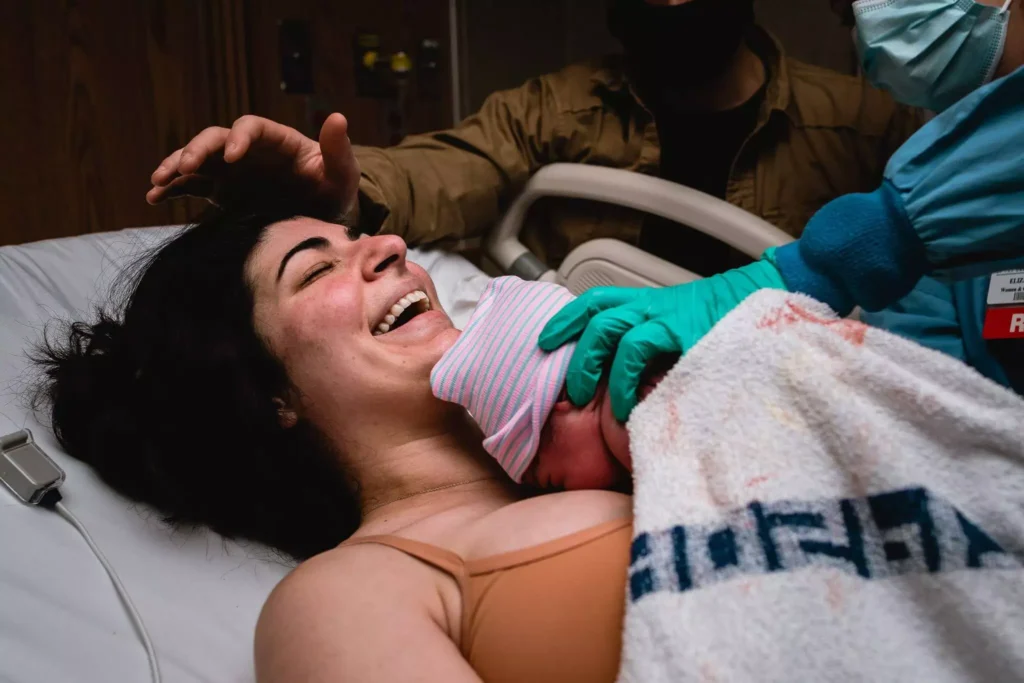

Learn the science of pregnancy and birth to take the mystery of labor away! Understand why you are feeling what you feel, and learn strategies to confidently move through pregnancy and birth!
- 9h+ of Video
- Support Group
- Close Captioning
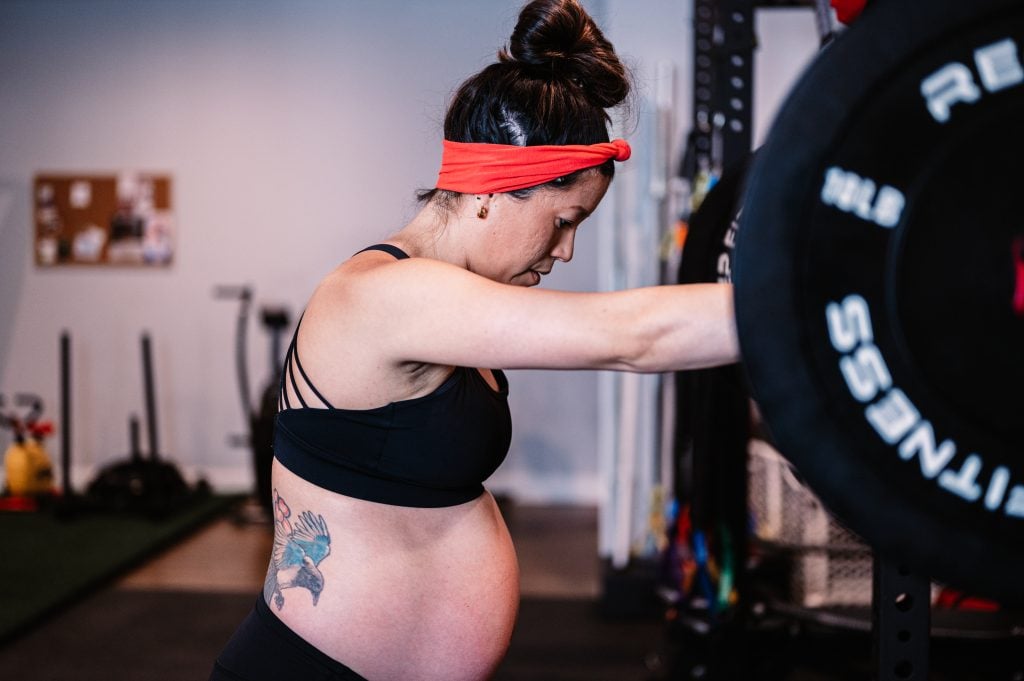

- 5 Workouts/Week
- Gym Workouts
- Self-Paced

Instructor
GINA
Workout on-demand with our prenatal fitness workout videos! Each workout is 30-40 minutes to follow along as you exercise at the same time!
- Birth Prep
- All Trimesters
- Mobility Work

Instructor
GINA
Find comfort and relief from pelvic girdle pain throughout your pregnancy and postpartum period! This program incorporates myofascial sling focused exercises to stabilize across the pelvic girdle joints.
- 3 Weeks
- On Demand Workout Videos to Follow