



Table of Contents
Welcome to Moments with MamasteFit! In this episode, we dive into understanding your first postpartum period, its return timeline, and influential factors such as breastfeeding, weaning, stress, and nutrition. We share personal experiences and discuss how lifestyle, mental health, and diet play roles in the resumption of menstrual cycles. We also provide practical tips, recommend nutritional advice, and discuss the benefits of using Pixie Cups for menstrual management. The episode includes insights on the use of AI for meal planning and highlights the importance of self-care during the postpartum phase.
When Will “Aunt Flo” Return?
If you’re not breastfeeding:
Your period can show up as early as 4–8 weeks after delivery—practically no break between postpartum bleeding and your first cycle.
If you’re exclusively breastfeeding:
On average, periods resume around 7–8 months postpartum.
However, there’s huge individual variance: some may see bleeding before six months, others well past a year.
If you wean early (<6 months):
Expect your cycle to return roughly 4–6 weeks after complete weaning, though it may take a few more months to feel regular.
Key Factors That Influence Return of Your Cycle
Your First Postpartum Period: Pain, Flow, and Products
Breastfeeding Frequency & Prolactin Levels
Night feeds drive up prolactin, the hormone that supports milk supply but suppresses ovulation.
Those nursing more at night may see delays, sometimes beyond a year.
Stress & Lifestyle
Chronic fatigue, high stress, and limited support can push your cycle later.
Gina’s first postpartum bleed arrived at 13 months amid solo parenting, whereas she got hers at 5 months when fully supported at her mom’s house.
Nutritional Status & Body Composition
A caloric deficit or low body fat signals your body that resources are scarce—it may delay ovulation.
Aim to consume an extra 300–500 kcal/day with nutrient-dense foods rich in omega-3s, B-vitamins, iodine, and selenium to support hormone balance.
Less pain than pre-kids?
Both Roxanne and I agree that our first postpartum periods were milder than teenage cycles, likely because we weren’t on hormonal birth control anymore, allowing natural—but regulated—estrogen-progesterone rhythms.Ovulation twinges (mittelschmerz):
Some feel a sharp pang mid-cycle when the ovary releases an egg. If you worry it’s something more serious (e.g., exacerbated prolapse), remember it’s a normal sign of ovulation.Menstrual products:
Roxanne and I both swear by Pixie Cup (cups and discs) for comfort, eco-friendliness, and cost savings. The silicone cup uses suction; the disc sits passively—no suction—for those with prolapse concerns. Use code MAMASTEFIT for 15 % off plus free shipping.
Breastfeeding & Bleeding: What to Watch For
A temporary dip in milk supply is common during your bleed. Simply nurse more or pump to maintain your supply.
Nipples may feel more sensitive; if nursing becomes uncomfortable, wait it out—sensitivity resolves once bleeding stops.
Practical Tips to Encourage a Healthy Return
Boost caloric intake with quick, protein-packed breakfasts: overnight oats, oatmeal with nut butter and banana, smoothies with collagen, or a tuna sandwich.
Prioritize nutrient density—focus on whole foods rich in essential vitamins and minerals rather than empty calories.
Manage stress through self-care: coloring, puzzles, gentle movement, or quiet breathing breaks.
Stay supported—ask family or friends for help so you can rest, eat well, and nurture your mental health.
When to See Your Provider
If your first postpartum bleed is accompanied by:
Excessively heavy flow (soaking through multiple pads/tampons in an hour)
Large clots or intense pain unrelieved by over-the-counter remedies
…schedule a check-in with your healthcare professional to rule out any complications.
Final Thoughts
Your body’s return to menstruation is a deeply individual journey. Whether your cycle reappears in a matter of weeks or takes well over a year, know that it’s perfectly normal—and influenced by breastfeeding, stress, nutrition, and lifestyle. Embrace the process, arm yourself with the right nutrition and products, lean on your support network, and celebrate each milestone on your path back to hormonal balance.
For more postpartum guidance—fitness programs, nutrition tips, and community support— use code MOMENTS10 for 10 % off any online offering at mamastefit.com. Here’s to reclaiming your cycle with confidence!
Additional Resources
Prenatal Support Courses
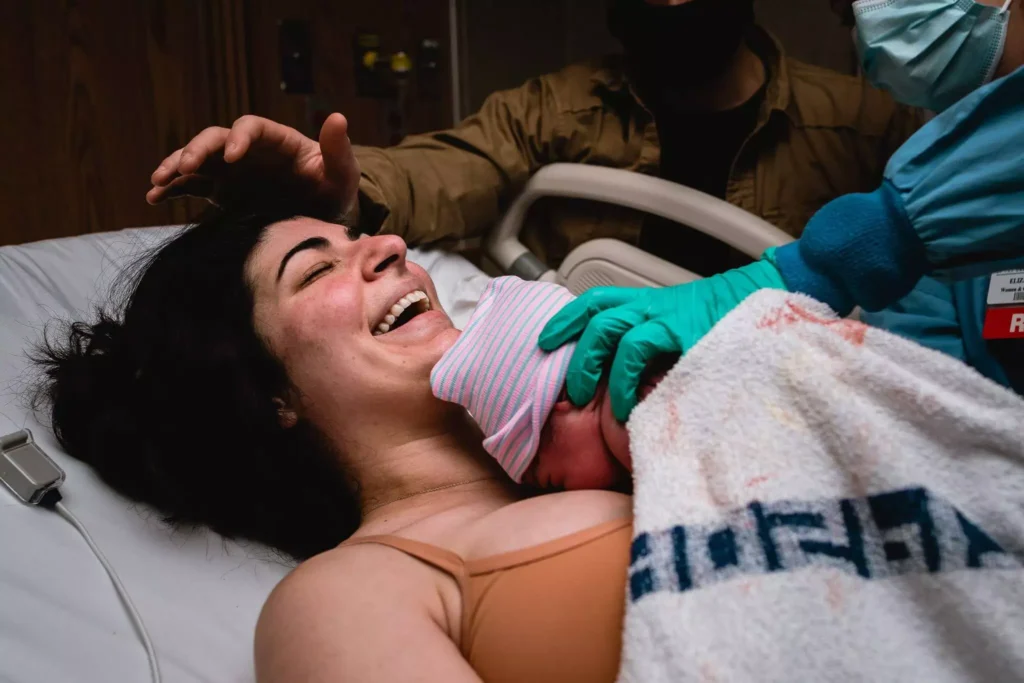

Learn the science of pregnancy and birth to take the mystery of labor away! Understand why you are feeling what you feel, and learn strategies to confidently move through pregnancy and birth!
- 9h+ of Video
- Support Group
- Close Captioning
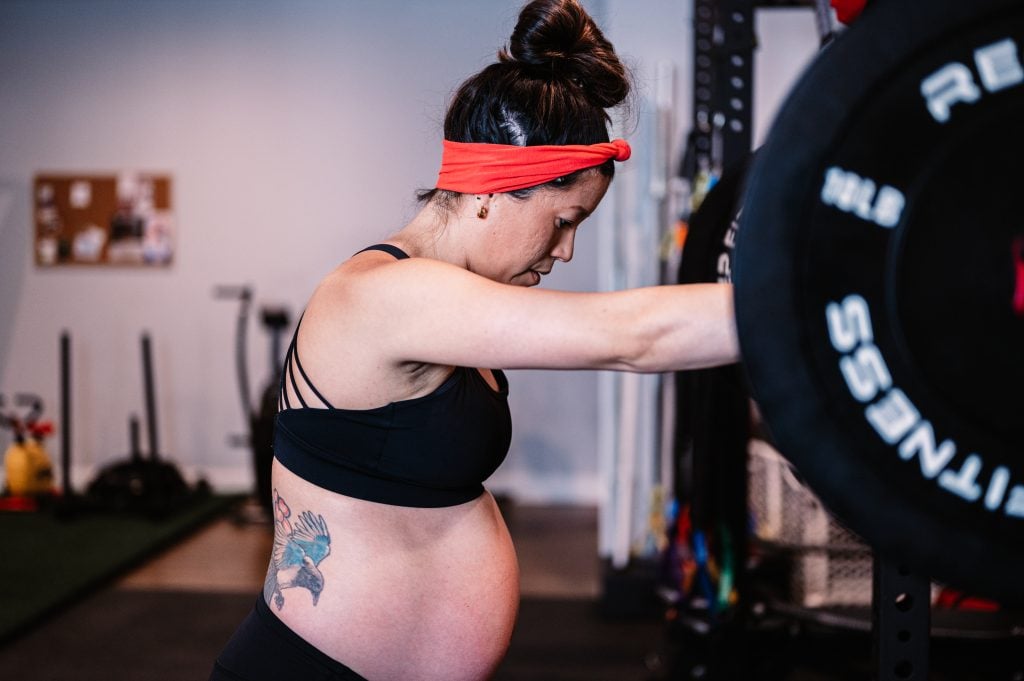

- 5 Workouts/Week
- Gym Workouts
- Self-Paced

Instructor
GINA
Workout on-demand with our prenatal fitness workout videos! Each workout is 30-40 minutes to follow along as you exercise at the same time!
- Birth Prep
- All Trimesters
- Mobility Work

Instructor
GINA
Find comfort and relief from pelvic girdle pain throughout your pregnancy and postpartum period! This program incorporates myofascial sling focused exercises to stabilize across the pelvic girdle joints.
- 3 Weeks
- On Demand Workout Videos to Follow