Newly Updated Birth Prep Circuit: Release Tension and Prepare Your Pelvis for Birth
Birth, Birth Preparation, Fitness, Prenatal
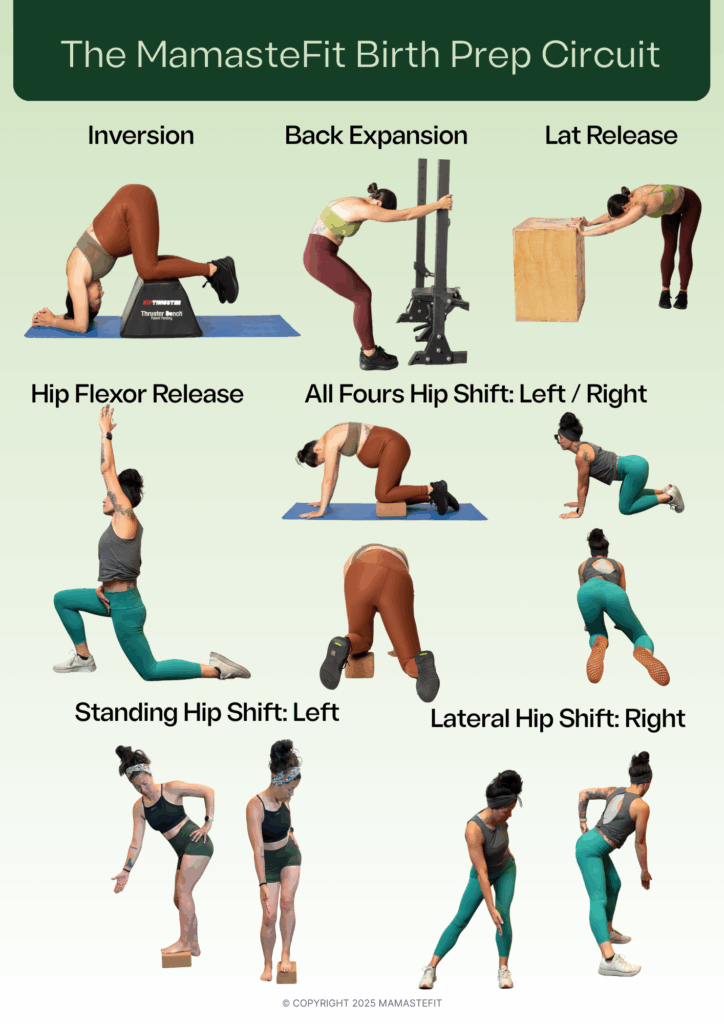
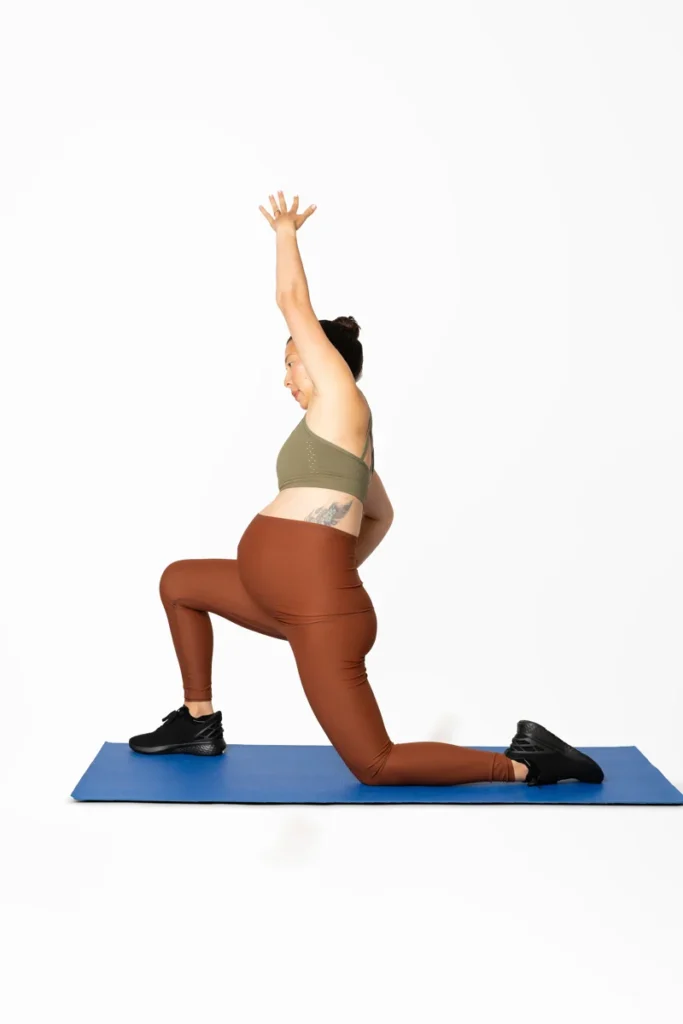
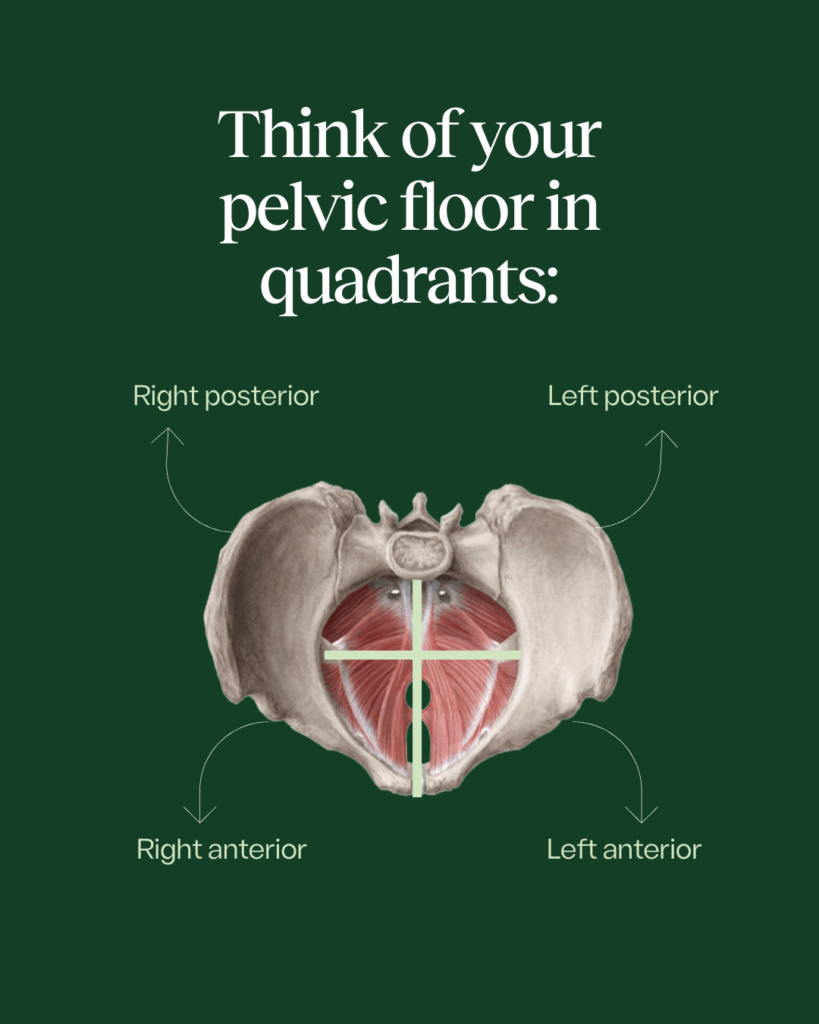
If you’re looking to elevate your birth prep routine, the MamasteFit Birth Prep Circuit is the perfect way to get started. I’ve recently updated this circuit to include new movements that specifically target the right anterior pelvic floor—an area that often holds extra tension during pregnancy. These changes are designed to help release that tension, improve pelvic mobility, and create more space for your baby to move into an optimal position for birth.
As a perinatal fitness trainer and birth doula, I developed this circuit based on common postural tendencies I see in pregnancy. Many of us experience changes in how our pelvis moves, how our pelvic floor functions, and how easily our baby can engage into the pelvis for labor. This routine addresses those challenges in a practical, gentle way.
The circuit includes six exercises you can complete in just a few minutes. You’ll need a yoga block and, ideally, a sturdy elevated surface (though you can modify on the floor if needed). Each move lasts about one minute, except the first, which we’ll hold for 30 seconds.
Let’s dive in.
Subscribe to our YouTube Channelfor more weekly workouts and educational videos! We publish one new workout video and 2-3 educational videos a week on our channel.
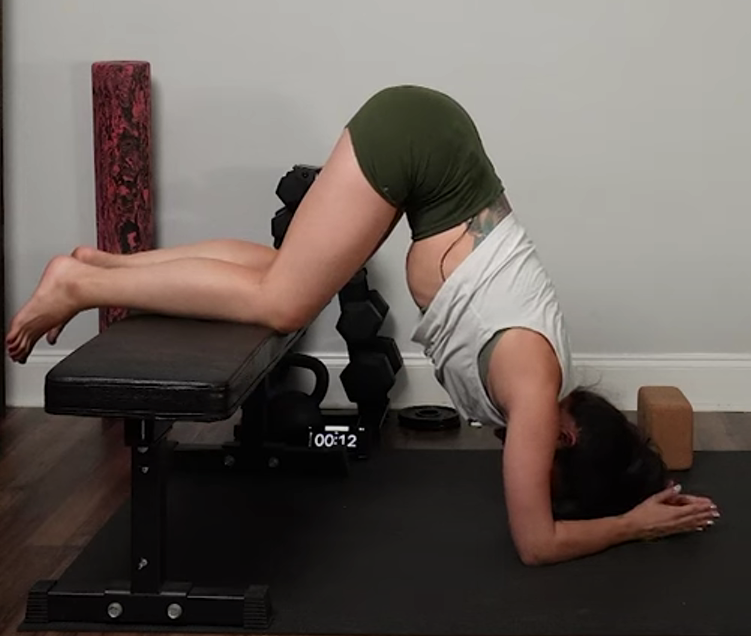
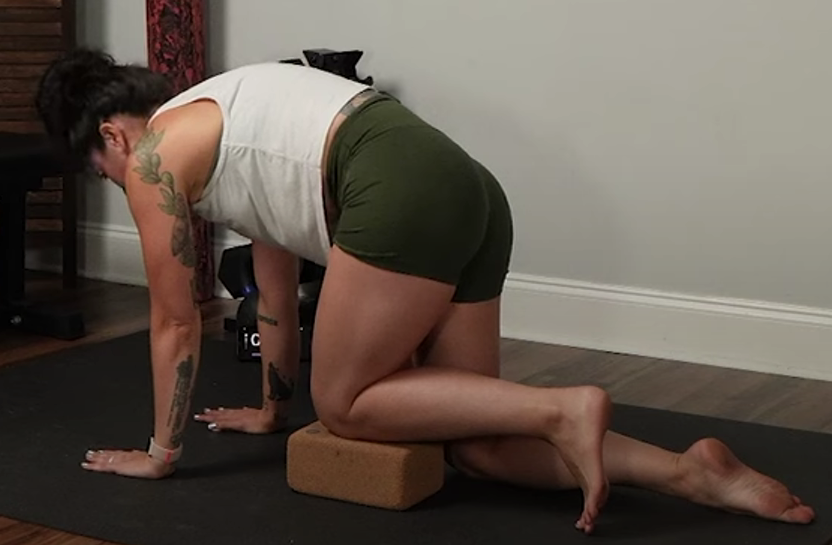
We’ll start with a gentle inversion to encourage uterine and pelvic release.
Come to your forearms with your legs elevated and hips above your head.
Relax your feet down rather than holding them up.
Take deep breaths, focusing on letting go with each exhale.
If you feel lightheaded, crawl forward or carefully come up.
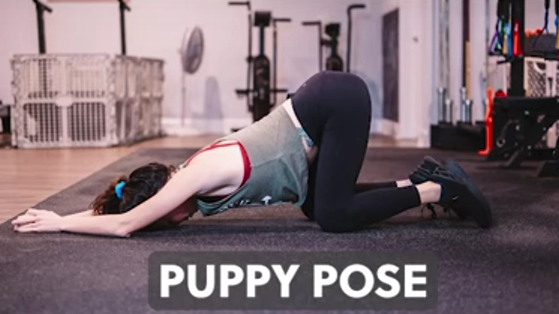
For a milder version of the forward-leaning inversion, come into a puppy pose on the floor by bringing the chest as close to the floor as possible, while keeping the hips elevated.
This inversion helps shift baby’s position, creates space in the uterus, and allows your pelvic floor to release.
2. Back Expansion – 1 Minute
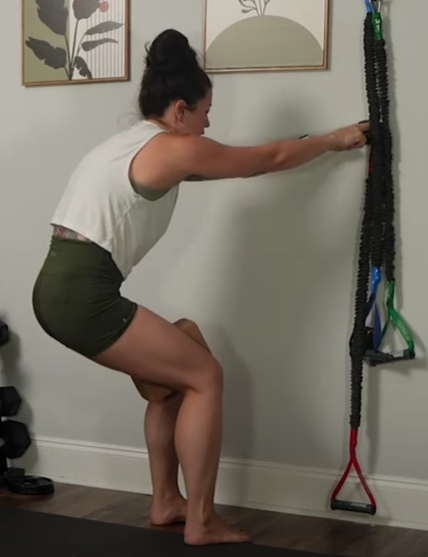
Pregnancy often shifts us into an arched lower back posture. This exercise helps decompress and create more space in the back of the pelvis.
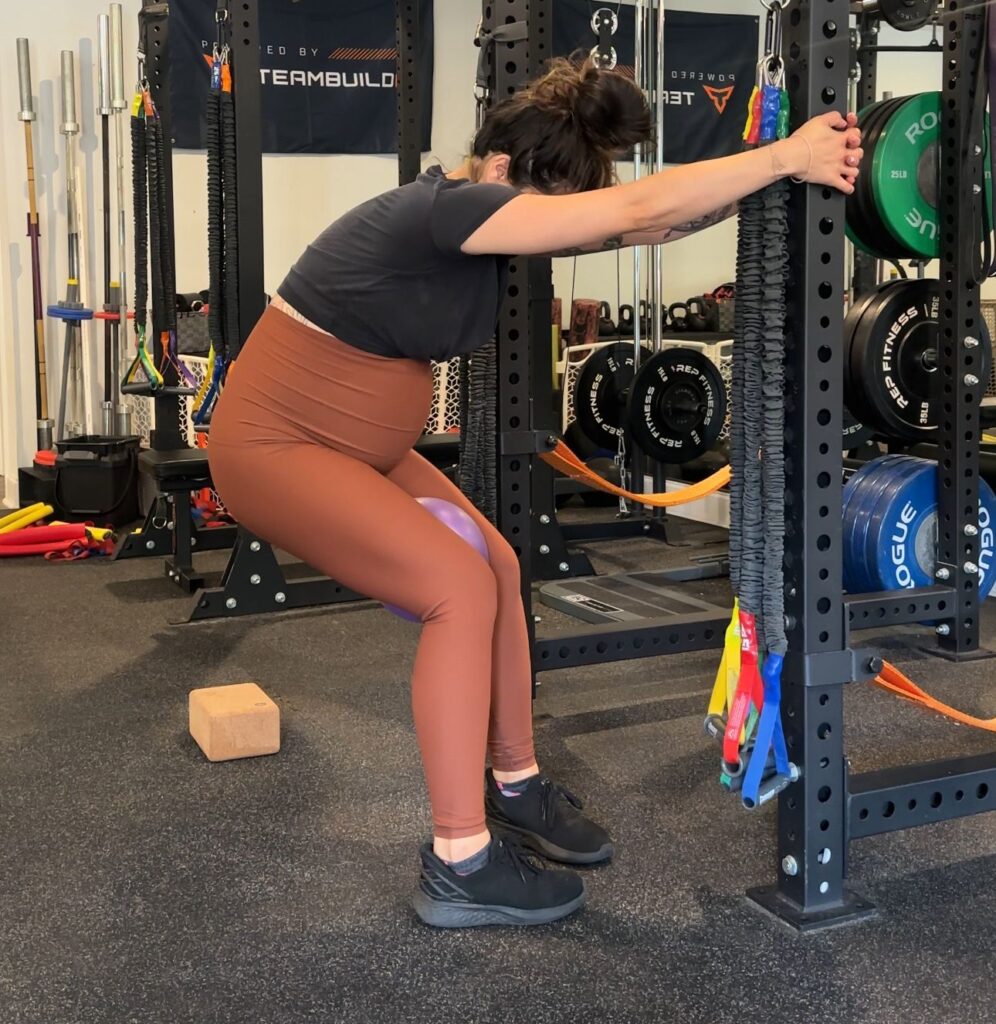
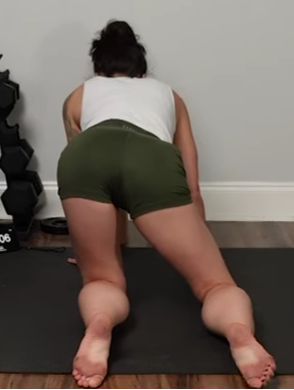
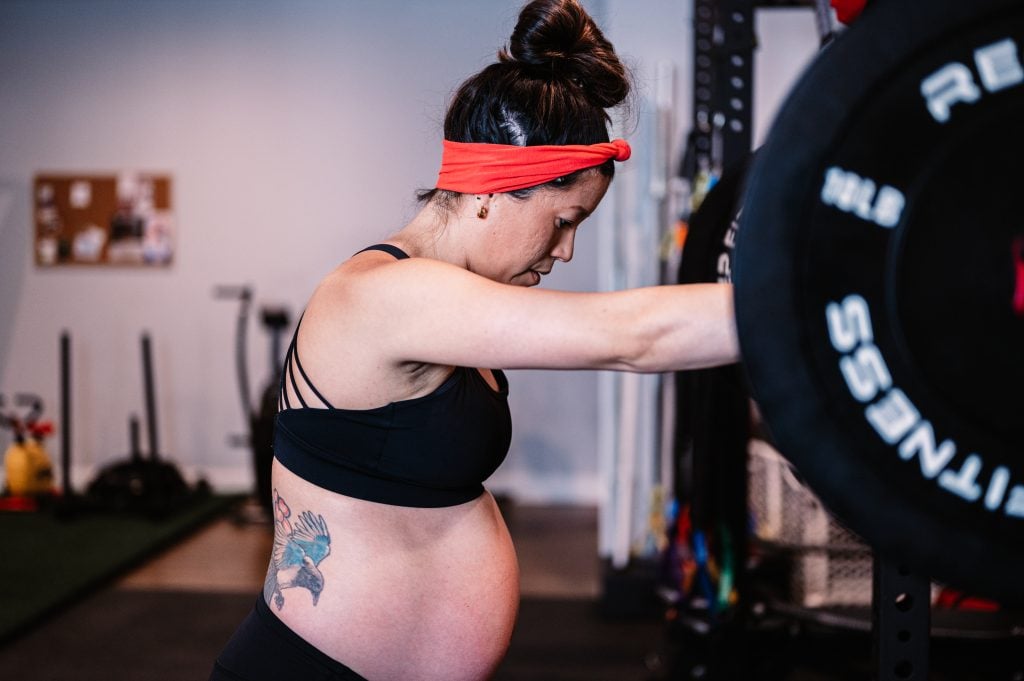
Hold onto a sturdy surface (like the back of a chair).
Place a yoga block between your thighs and point your toes slightly in.
Lower into a mini squat, rounding your back slightly as your arms hold on.
Inhale into your back, exhale by gently pulling your belly toward your spine.
This relieves tension, expands the posterior pelvis, and improves mobility.
Kaitlin
Prenatal Fitness and Childbirth Ed Client
Went into spontaneous labor at 38 wks with baby #1 last night (born this morning) and was able to push through a very fast and intense labor (8 hrs active, 4 hrs of contractions with basically NO BREAK in between that got me from 1cm dilated to fully 😵💫) unmedicated! Pushed for an hr! I thank you both, your prenatal fitness program, and prepping pelvic floor fit birth for how much I rocked this delivery. THANK YOU!!!
Ronna
Prenatal Fitness and Childbirth Ed Client
I just wanted to leave a review for you, I took your prenatal bundle with the birth course, fitness app, and pelvic floor prep. I can't say enough good things about it, my only regret was not enrolling sooner! After having some nagging SI and pelvic pain, at 22 weeks I enrolled in your program and started the workouts on the app. After a few weeks,my pain was minimal except for the days I missed a workout or getting in movement. The birth course was very informative and I felt confident and excited about giving birth. While I did need to be induced at 39 weeks, I felt confident and understood my options. I had a great and speedy delivery with just a minor tear. I attribute this to the strategic movements I learned in the course throughout my labor and breathing during pushing, along with wonderful hospital staff. We were blessed with a healthy baby girl Ellie Jo. I look forward to using the fitness program again in the future and other courses you have! Thank you for all the time you put into creating such thorough content!
Lauren
Prenatal Fitness and Childbirth Ed Client
For what it's worth, I'm a PT myself (not a pelvic floor specialist), but am going to a PFPT. I also took a CEU course for my license and my own learning on pelvic floor health in pregnancy. With that background, I am utterly impressed with the content of your course so far. I was wondering if it'd be repetitive at all from the CEUs I recently took, but it hasn't been. It's so informative, thorough, and covers way more topics than I ever expected. Thank you!!
These final stretches refine balance in the pelvic floor.
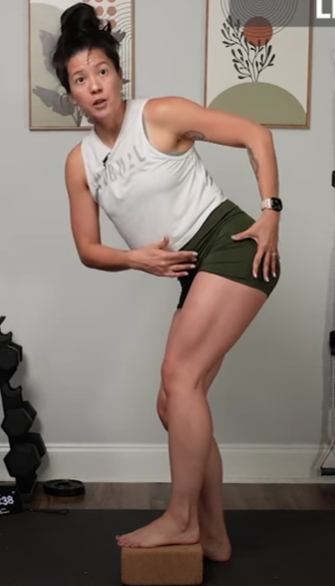
Left Posterior Release:
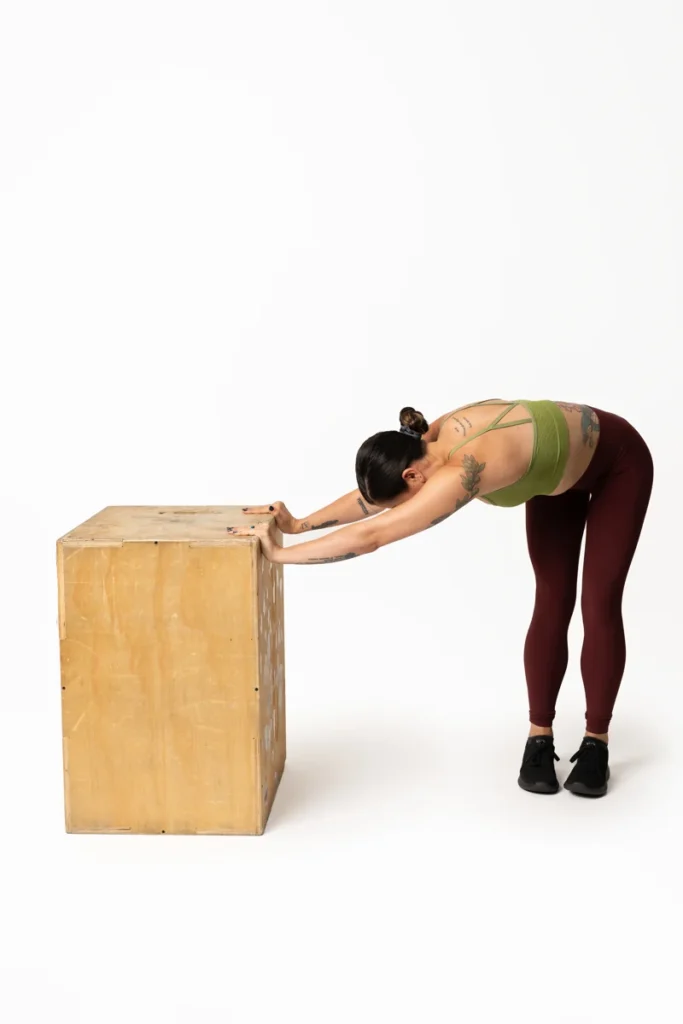
Place your left foot on the block, hinge forward slightly, and rotate your belly toward your thigh.
Keep weight in your big toe, and bend the knee if hamstrings feel too tight.
You should feel a deep stretch in your left posterior pelvic floor.
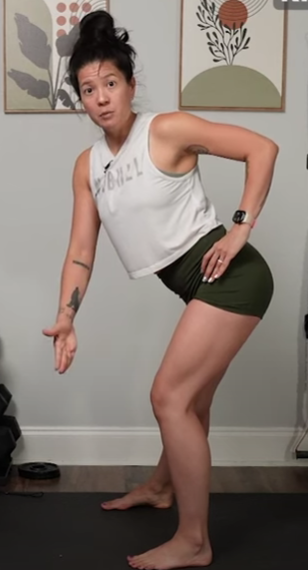
Right Anterior Release:
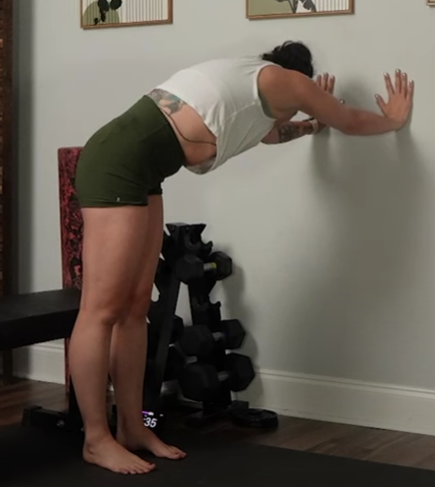
Remove the block, feet slightly wider than hips.
Shift left, arch your back slightly, and rotate your belly toward your thigh.
Focus on stretching the right groin and inner thigh.
Why This Updated Circuit Matters
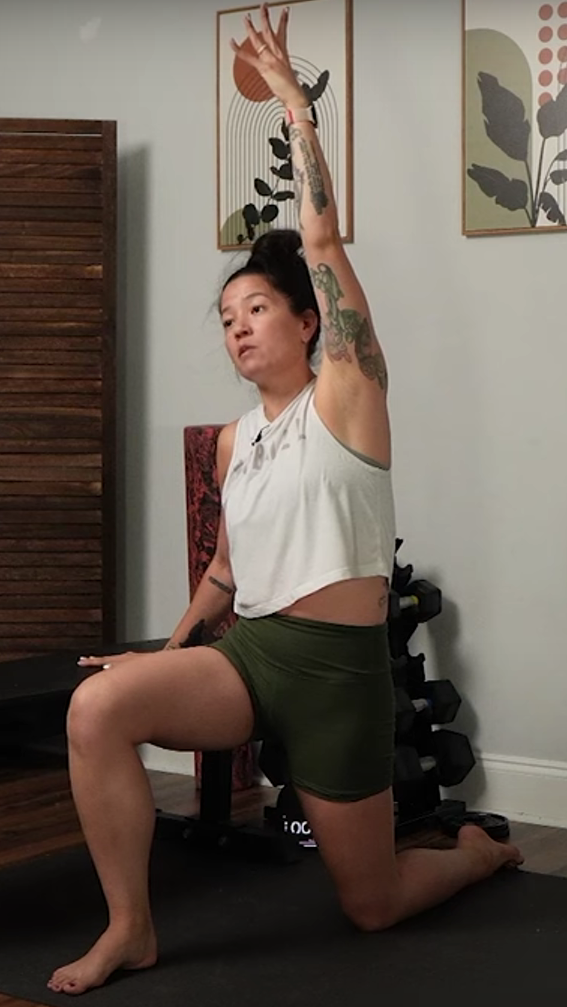
The original circuit targeted posterior pelvic floor tension, lats, and hip flexors—all areas that contribute to pregnancy discomfort and limited pelvic mobility. The new addition of right anterior pelvic floor release addresses a common but overlooked issue.
By releasing overactivity in this area, you:
Create more space in the pelvic inlet.
Help baby move into a better position.
Reduce bladder pressure and right SI joint pain.
Restore balance across the pelvic floor.
Final Thoughts
The Newly Updated Birth Prep Circuit is designed to be safe, simple, and effective. You can follow it daily throughout your pregnancy or as often as feels good for your body. While some moves are emphasized on one side, it’s perfectly fine to try them on both.
If you’d like a deeper dive, I’ve created a free PDF guide you can download (just leave your email). And if you want to take your prep further, check out MamasteFit’s online prenatal fitness programs, where we combine strength, mobility, and childbirth education to support you from pregnancy through postpartum.
Remember—these small, intentional movements can make a big difference in how your pelvis moves, how your baby engages, and how you feel as you prepare for birth.
Learn the science of pregnancy and birth to take the mystery of labor away! Understand why you are feeling what you feel, and learn strategies to confidently move through pregnancy and birth!
Find comfort and relief from pelvic girdle pain throughout your pregnancy and postpartum period! This program incorporates myofascial sling focused exercises to stabilize across the pelvic girdle joints.