



Table of Contents
As birth workers, we spend so much time supporting clients through the most transformative experience of their lives. But one of the most powerful tools we have for improving pregnancy comfort, optimizing labor progress, and supporting safer birth outcomes is one that many of us were never taught in school:
Pelvic mechanics.
How does the pelvis open during childbirth? The way it moves, opens, and adapts during pregnancy and birth directly affects a baby’s ability to engage, rotate, and descend. And when we understand these mechanics—not just theoretically, but functionally—we can better support our clients through movement, positioning, and collaborative care.
In this post, we’ll break down the why behind pelvic mechanics, share real-life examples from both our professional and personal experiences, and explore how this knowledge can reshape the perinatal experience from pregnancy through postpartum.
Subscribe to our YouTube Channel for more weekly workouts and educational videos! We publish one new workout video and 2-3 educational videos a week on our channel.
What Is Pelvic Mechanics? How the Pelvis Opens During Childbirth
Pelvic mechanics refers to:
How the pelvis opens at each of its three levels
How the pelvic floor and surrounding muscles influence that opening
How movement, position, and asymmetry impact birth
The pelvis includes three distinct levels:
The Inlet – where baby first enters
The Mid Pelvis – where baby rotates
The Outlet – where baby is born (or, as we like to say, “ejected”)

Each level opens with different types of movement.
So contrary to popular belief:
There is no single “best” birth prep exercise
There is no one labor position that opens the entire pelvis
There is no universal pelvic floor exercise that fixes everything
Understanding which movements open which pelvic spaces is the key to supporting an efficient labor.
Why Pelvic Mechanics Matters in Pregnancy
While pelvic mechanics is essential during labor, the magic actually begins prenatally.
Pregnancy exaggerates normal asymmetries
All bodies have natural asymmetry:
The right side tends to bear more weight
The diaphragm is larger on the right
The organs are heavier on the right
Many people have more internal rotation on the right hip and more external rotation on the left
During pregnancy, hormones, weight shift, and postural changes intensify these patterns.

Some people stay comfortable despite this.
But when asymmetries deepen, symptoms often appear:
SI joint pain
Pelvic girdle pain or SPD
Tailbone discomfort
Rib pain
Constipation
Bladder urgency or incomplete emptying
Pelvic floor tension
These symptoms aren’t random—they are often rooted in how the pelvis is positioned and how the pelvic floor is responding.
Real-Life Example: Roxanne’s SPD & SI Joint Pain
Roxanne noticed her common pattern—tight on one side, lengthened on the other—became amplified during pregnancy, increasing her SPD and SI pain.
Working with a pelvic PT, she began:
Strengthening her left inner thigh
Improving external rotation on her right hip
Addressing the tension patterns affecting baby’s positioning
These mechanics-based adjustments dramatically improved her comfort.
Real-Life Example: Gina’s Bladder Urgency
During her last pregnancy, Gina kept feeling like she had to pee—constantly.
But it wasn’t a UTI.
It was mechanics.
A tight right anterior pelvic floor created pressure on the bladder and pushed baby into a less optimal forward position.
After releasing that tension and restoring balance—her baby finally engaged, and she experienced her fastest labor ever.
Why Birth Professionals Should Care
If you work with clients prenatally—even if your appointments are only 15–20 minutes—this knowledge matters because:
Pregnancy discomfort often reflects pelvic imbalance
Pelvic imbalance affects baby’s position entering labor
Baby’s starting position dramatically influences labor length and outcome
Small, targeted corrections during pregnancy can prevent big issues later.
And if you can’t teach exercises in-office? You can use curated resources—like the free MamasteFit Birth Prep Circuit or educational YouTube videos—to extend support beyond your limited appointment time.

 Video course · 9 CE creditsPelvic Mechanics CourseFour modules on pelvic mechanics in pregnancy and labor — foundations, mobility training, resolving stalls, and clinical decision-making. 9 nursing and 9 ICEA CE credits.Learn more
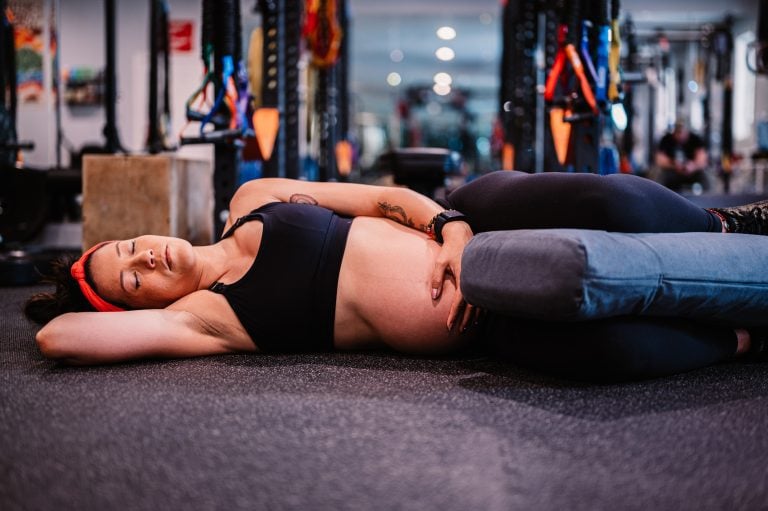 On-demand video · 24 workoutsBirth Prep Workout ProgramTwenty-four workouts that open the pelvis for each stage of labor — strength, mobility, and positioning you can start at any fitness level, 15 to 30 minutes each.Learn more
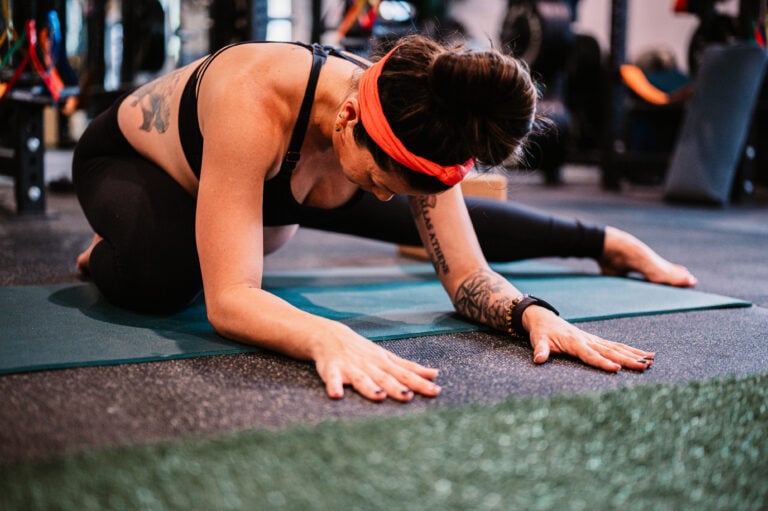 Video course · 7 modulesPrepare Your Pelvic Floor For BirthSeven modules on releasing the pelvic floor rather than only strengthening it — breathing drills, thoracic and pelvic mobility, and how to relax it during labor.Learn more
Pelvic Mechanics in Labor: Creating Space Intentionally
Most labors move smoothly.
But when labor stalls or slows, it often comes down to two issues:
There’s a space restriction in the pelvis
Baby is in a less optimal position (OP, asynclitic, not engaged, etc.)
Pitocin can’t fix those mechanical problems.
Movement can.
Engagement Issues
A baby may not engage because:
They’re misaligned at the inlet
They’re overlapping the pubic bone
A tight pelvic floor or muscle imbalance limits available space
Knowing whether to open the posterior inlet, the upper mid pelvis, or adjust pelvic tilt can make the difference between:
A smooth labor
Hours of prodromal contractions
An unplanned Cesarean
This is why techniques like the Miles Circuit work—they address mechanics, not just “progress.”

When Baby Is OP or Asynclitic
Before interventions like Pitocin or artificial rupture of membranes, mechanics-based strategies can often help:
Upper-mid pelvis openers
Releases for abdominal wall, ligaments, or hip flexors
Strategic sidelying
Targeted lunges
Peanut ball adjustments
One of Gina’s favorite examples:
A client had a weak pushing urge because the baby was asynclitic. The midwife was preparing for Pitocin, which triggered anxiety for the birthing parent. Gina suggested one simple inversion.
One contraction later—the baby corrected position and was born almost immediately.
Mechanics matter.
Intuitive Movements: What Clients Show Us
Laboring bodies are incredibly wise.
Patterns like:
Hip tucking
Swaying
Mini squats
Standing on tiptoes
…aren’t random.
They’re often the body’s attempt to:
Engage the baby
Rotate the baby
Release tension
Create space
When birth professionals understand these patterns, they can reinforce the body’s efforts instead of overriding them.
This creates a more collaborative, intuitive, and empowering birth.
Collaborative Care = Better Outcomes
When doulas, midwives, nurses, pelvic PTs, chiropractors, and fitness professionals share insights, something powerful happens:
Each professional’s observation becomes a missing puzzle piece.
A PT notices tightness.
A doula notices movement patterns.
A midwife notices a band of tension during a cervical exam.
A trainer notices hip shifts during squatting.
Individually, these seem separate.
Together—they reveal the whole story.
Want to Learn the What Behind Pelvic Mechanics?
This blog focused on the “why.” If you want to learn the actual techniques, movements, assessments, and tools, check out the newly released MamasteFit Pelvic Mechanics Course for Professionals.
Whether you support clients during pregnancy, labor, postpartum, or all three, this course gives you:
The biomechanics behind pelvic opening
How to assess movement patterns and asymmetries
How to support baby’s positioning prenatally and during labor
How to use movement instead of—or before—medical intervention
A collaborative approach from fitness professionals, a nurse midwife, and pelvic PTs
Use code STORY10 for 10% off.
Approach supporting pregnancy and birth with anatomy, physiology, and evidence-based information. Support your patients and clients by understanding what is happening during labor; the anatomy of the pelvis and baby’s movements; and more!
- 9 hours of on-demand videos
- 8 ICEA Contact Hours
- Lifetime Access of E-Course
- Watch on Mobile Device
Final Thoughts
Pelvic mechanics isn’t niche knowledge—it’s foundational.
When birth professionals understand:
How the pelvis opens
How asymmetry impacts pregnancy
How mechanics influence labor
How to create space intentionally
How to collaborate across disciplines
…we improve not only outcomes, but also the lived experiences of the families we serve.
Birth is more than getting a baby out.
It’s about supporting comfort, confidence, and empowerment at every stage.
 Video course · 9+ hoursChildbirth EducationOver nine hours of video on contractions, comfort measures, pushing, and recovery — so you walk into labor knowing what's happening and what your options are at each stage.Learn moreOn-demand video · 30 workoutsCore, Pelvic Floor & Pelvic StabilityThirty follow-along workouts across beginner, novice, and advanced levels, ten per level — core and pelvic floor strength for pain relief in pregnancy or postpartum.Learn more
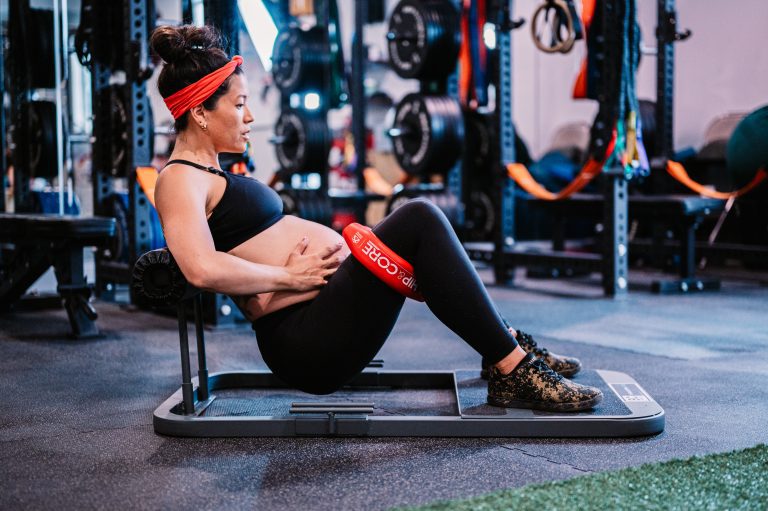 Bundle · lifetime accessMamasteFit BundlesCombine courses and programs for lifetime access and save up to 15% — grouped for birth preparation, the third trimester, or the whole pre and postnatal journey.Learn more