



Table of Contents
Preeclampsia is a serious pregnancy complication characterized by high blood pressure and potential organ damage, often affecting the liver and kidneys. A growing body of research suggests that placental dysfunction plays a central role in the development of preeclampsia. Since the placenta is responsible for supplying oxygen and nutrients to the baby while removing waste products, its health is crucial for a successful pregnancy.
One powerful way to support placental health and potentially reduce preeclampsia risk is through regular exercise during pregnancy. This blog post will explore how to prevent preeclampsia — or at least lower your risk — by looking at how exercise impacts placental development, its potential role in prevention, and how it can even be beneficial if induction becomes necessary.
Signs & Symptoms of Preeclampsia
While some experience no symptoms, common warning signs include:
- High blood pressure (140/90 mmHg or higher)
- Severe headaches
- Swelling in the hands and face
- Sudden weight gain
- Changes in vision (blurry vision, light sensitivity)
- Upper right abdominal pain
- Shortness of breath
If you notice any of these symptoms, it’s essential to contact your healthcare provider immediately.
How Can You Prevent Preeclampsia?
Studies show that regular physical activity during pregnancy can help regulate blood pressure and improve circulation. A systematic review from 2014 found that prenatal exercise reduced the risk of preeclampsia by up to 35%.
- Increase Placental Vascular Volume: Regular exercise during uncomplicated pregnancies increases placental vascular volume, which may improve the efficiency of nutrient and oxygen delivery to the fetus.
- Enhance Oxidative Metabolism: Physical activity enhances oxidative metabolism in the placenta, contributing to better placental function.
- Improve Angiogenic Pathways: Exercise may benefit both mother and child by affecting the placenta through angiogenic pathways, supporting healthy blood vessel formation within the placenta.
Placental Development and Its Connection to Preeclampsia
The placenta begins forming soon after fertilization and continues to develop throughout the first half of pregnancy. It plays a key role in regulating the exchange of nutrients, oxygen, and waste products between mother and baby. A well-developed placenta ensures proper fetal growth and helps maintain a healthy pregnancy. However, in cases of preeclampsia, placental dysfunction often occurs due to poor vascular remodeling in the uterus, leading to restricted blood flow and increased maternal blood pressure.
Abnormal Placental Development in Preeclampsia
In a healthy pregnancy, spiral arteries in the uterus widen to increase blood flow to the placenta. In preeclampsia, these arteries do not remodel properly, leading to restricted placental blood flow and oxygen deprivation.
Poor blood flow triggers oxidative stress and inflammation, which can further damage placental function.
The placenta releases anti-angiogenic factors, which inhibit blood vessel formation and contribute to maternal high blood pressure.
Research suggests that exercise during pregnancy may enhance placental function and vascular development, potentially mitigating the risks associated with preeclampsia.
How Exercise Supports Placental Development
1. Exercise Improves Placental Blood Flow
A study by Clapp (2000) found that women who engaged in regular weight-bearing exercise had larger and more vascularized placentas, meaning the placenta was able to supply more oxygen and nutrients to the baby.
Improved placental blood flow can enhance fetal growth and lower the risk of intrauterine growth restriction (IUGR), a common complication of preeclampsia.
2. Exercise Increases Placental Efficiency
A 2017 study published in Reproductive Sciences showed that exercise during pregnancy increased placental mitochondrial function, enhancing the placenta’s ability to generate energy and support fetal growth.
Enhanced placental function may help reduce oxidative stress, which is often elevated in pregnancies complicated by preeclampsia.
3. Exercise May Reduce Anti-Angiogenic Factors
Studies suggest that regular exercise may reduce the release of anti-angiogenic factors that inhibit blood vessel growth in preeclamptic pregnancies.
Lower levels of these factors are associated with better maternal blood pressure regulation and a decreased risk of preeclampsia.
Can Exercise Reduce Preeclampsia Risk?
A growing body of research supports the idea that regular prenatal exercise may lower the risk of preeclampsia:
A systematic review and meta-analysis found that women who engaged in regular physical activity during early pregnancy experienced a 35% reduced risk of preeclampsia.
Another systematic review and meta-analysis concluded that physical activity during pregnancy is associated with a reduced risk of developing preeclampsia.
A study published in the Journal of Obstetrics and Gynaecology Canada found that physical activity can influence placental development and reduce the risk of placenta-mediated complications, including preeclampsia.
Based on this research, consistent physical activity throughout pregnancy, particularly in the first and second trimesters when placental development is occurring, may significantly lower preeclampsia risk.
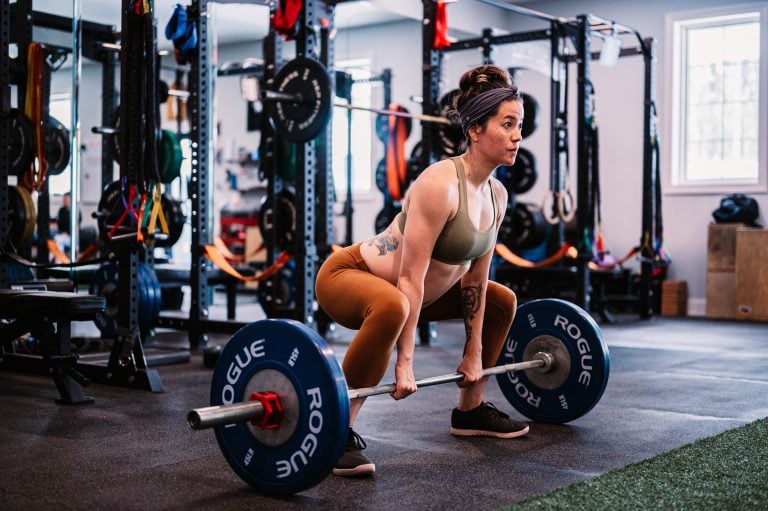 App program · 40 weeks
Prenatal Strength Training
A gym-based program that syncs to your current week of pregnancy — four strength sessions plus one pelvic stability workout a week, with demo videos for every exercise.
Learn more
App program · 40 weeks
Prenatal Strength Training
A gym-based program that syncs to your current week of pregnancy — four strength sessions plus one pelvic stability workout a week, with demo videos for every exercise.
Learn more
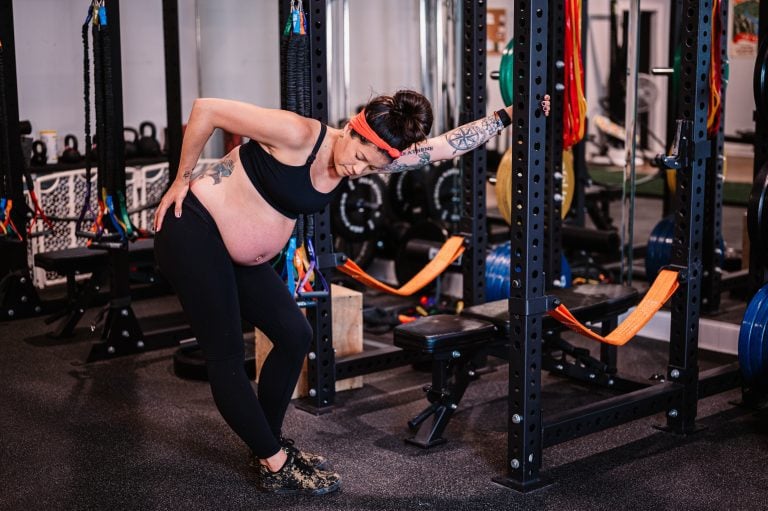 On-demand video · 128 workouts
Prenatal Workout On-Demand
Follow-along workouts from week 5 to week 41, four or five a week with guided warm-ups and cool-downs — over 128 sessions coached in real time alongside the video.
Learn more
On-demand video · 128 workouts
Prenatal Workout On-Demand
Follow-along workouts from week 5 to week 41, four or five a week with guided warm-ups and cool-downs — over 128 sessions coached in real time alongside the video.
Learn more
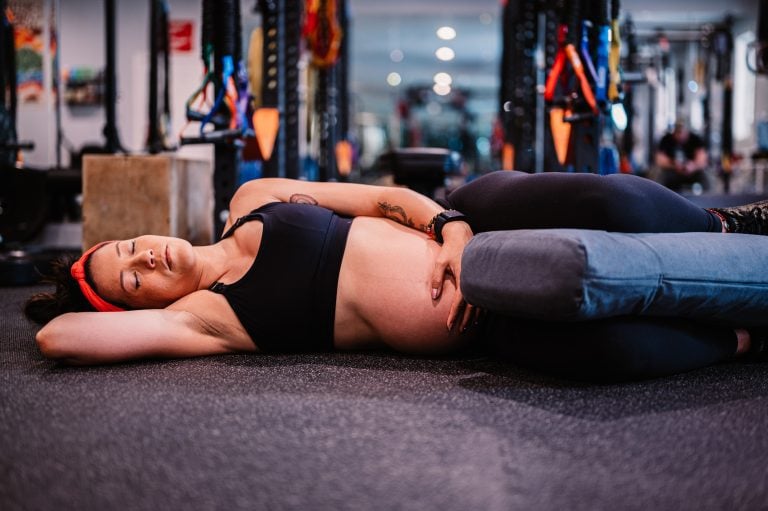 On-demand video · 30 workouts
Core, Pelvic Floor & Pelvic Stability
Thirty follow-along workouts across beginner, novice, and advanced levels, ten per level — core and pelvic floor strength for pain relief in pregnancy or postpartum.
Learn more
On-demand video · 30 workouts
Core, Pelvic Floor & Pelvic Stability
Thirty follow-along workouts across beginner, novice, and advanced levels, ten per level — core and pelvic floor strength for pain relief in pregnancy or postpartum.
Learn more
Exercise and Induction: A Hidden Benefit
Even if you do develop preeclampsia and need an induction, exercise can still play a critical role in improving birth outcomes.
1. Exercise Improves Cardiovascular Endurance for Labor
Inductions often require long hours of labor, sometimes exceeding 24 hours. Exercise builds endurance, which can help you better tolerate labor and reduce fatigue.
Studies show that individuals who exercised regularly during pregnancy had shorter active labor phases and better pain tolerance.
2. Exercise Enhances Fetal Positioning
Movement-based exercises like squats, lunges, and prenatal yoga encourage optimal fetal positioning, which can reduce the need for additional interventions during induction.
A well-positioned baby may respond better to labor-inducing contractions, decreasing the likelihood of complications.
3. Exercise Supports Pelvic Floor Strength & Relaxation
Strengthening and relaxing the pelvic floor with prenatal exercises can improve pushing efficiency and lower the risk of perineal trauma or operative deliveries (forceps/vacuum).
4. Exercise May Improve the Uterus’ Response to Induction
Research suggests that women who engaged in regular physical activity had a more favorable cervix at the start of labor (higher Bishop score), which can make induction more successful and reduce the need for interventions like C-sections.
Other Ways to Reduce Your Risk
Reducing the risk of preeclampsia involves a multifaceted approach, including medical interventions and dietary modifications. In addition to regular exercise, two key strategies have been identified: low-dose aspirin therapy and nutritional interventions.
Low-Dose Aspirin Therapy
Low-dose aspirin (typically 81 mg daily) has been shown to reduce the risk of preeclampsia, particularly in individuals at high risk.
Key Research Findings:
The American College of Obstetricians and Gynecologists (ACOG) recommends low-dose aspirin for individuals at high risk of preeclampsia, starting between 12 and 28 weeks of gestation, optimally before 16 weeks. This recommendation is based on evidence demonstrating a reduction in the incidence of preeclampsia without significant adverse effects.
A systematic review and meta-analysis published in the Journal of the American Medical Association (JAMA) concluded that low-dose aspirin initiated after the first trimester is associated with a reduced risk of preeclampsia, preterm birth, and intrauterine growth restriction.
Recommendations:
Consult with your healthcare provider to assess your risk factors for preeclampsia and determine if low-dose aspirin therapy is appropriate for you.
If prescribed, adhere to the recommended dosage and timing to maximize the potential benefits.
Nutritional Interventions
Dietary choices during pregnancy can influence the risk of developing preeclampsia. Key nutrients and dietary patterns have been identified as beneficial:
1. Calcium Supplementation
Adequate calcium intake during pregnancy has been linked to a reduced risk of preeclampsia, especially in populations with low dietary calcium intake. A Cochrane review found that calcium supplementation of at least 1 gram per day halved the risk of preeclampsia and reduced the risk of preterm birth.
2. Vitamin D
Vitamin D deficiency has been associated with an increased risk of preeclampsia. Supplementation may help reduce this risk, although more research is needed to establish definitive guidelines.
3. Magnesium
Magnesium supplementation during pregnancy has been shown to significantly reduce the risk of preeclampsia. A 2022 meta-analysis of randomized controlled trials reported a relative risk reduction of 24% with oral magnesium supplementation.
4. Overall Dietary Patterns
Diets rich in fruits, vegetables, and plant-based foods have been associated with a lower risk of preeclampsia. For example, a Norwegian study involving over 23,000 women found that a diet high in vegetables, plant foods, and vegetable oils was linked to a reduced risk of preeclampsia.
Recommendations:
- Calcium: Ensure an intake of at least 1 gram per day through diet or supplements, especially if your dietary calcium is low.
- Vitamin D: Discuss with your healthcare provider about testing for deficiency and appropriate supplementation if necessary.
- Magnesium: Consider magnesium-rich foods or supplements after consulting with your healthcare provider.
- Dietary Choices: Adopt a balanced diet rich in fruits, vegetables, whole grains, and healthy fats to support overall health during pregnancy.
Melanie’s Birth Story: Navigating Preeclampsia & VBAC Hopes
Melanie experienced HELLP syndrome in her first pregnancy, requiring an emergency C-section under general anesthesia. When she developed preeclampsia again in her second pregnancy, she planned for another C-section.
For her third pregnancy, Melanie wanted a VBAC (Vaginal Birth After Cesarean), so she focused on exercise and nutrition to minimize her risk. This time, she did not develop preeclampsia, but her provider was unwilling to support a VBAC due to her history.
Determined to have a provider who respected her choices, she found an OB who would support her VBAC at home. Her story is a powerful reminder:
💡 Wherever you give birth, you deserve a provider who listens to you and respects your decisions.
Final Thoughts: Exercise as a Key Strategy for Placental and Maternal Health
While no single intervention can completely eliminate the risk of preeclampsia, research strongly suggests that regular prenatal exercise enhances placental function, improves blood flow, and reduces the likelihood of developing hypertensive disorders during pregnancy.
Even in cases where preeclampsia does develop, staying physically active can improve induction outcomes and support a smoother labor process.
If you’re currently pregnant and wondering how to incorporate safe and effective exercise into your routine, consider checking out our Prenatal Fitness Programs, designed to support your health throughout pregnancy and beyond.
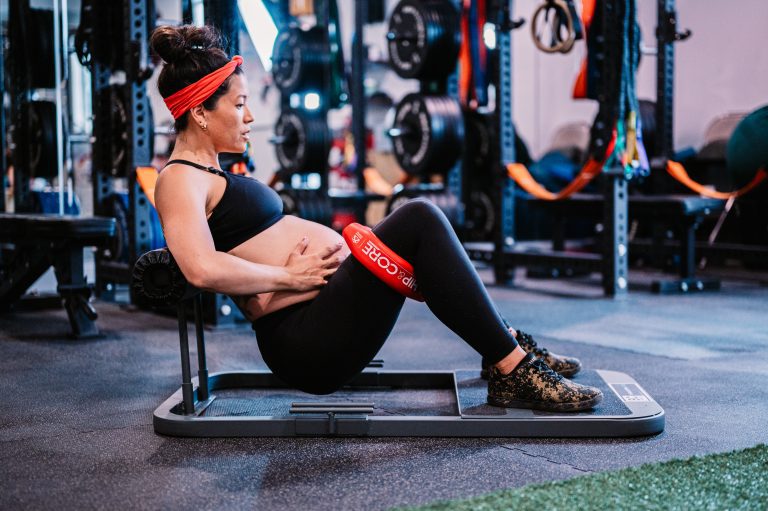 Bundle · lifetime access
MamasteFit Bundles
Combine courses and programs for lifetime access and save up to 15% — grouped for birth preparation, the third trimester, or the whole pre and postnatal journey.
Learn more
Bundle · lifetime access
MamasteFit Bundles
Combine courses and programs for lifetime access and save up to 15% — grouped for birth preparation, the third trimester, or the whole pre and postnatal journey.
Learn more
 Video course · 9+ hours
Childbirth Education
Over nine hours of video on contractions, comfort measures, pushing, and recovery — so you walk into labor knowing what's happening and what your options are at each stage.
Learn more
Video course · 9+ hours
Childbirth Education
Over nine hours of video on contractions, comfort measures, pushing, and recovery — so you walk into labor knowing what's happening and what your options are at each stage.
Learn more
 Video course · 7 modules
Prepare Your Pelvic Floor For Birth
Seven modules on releasing the pelvic floor rather than only strengthening it — breathing drills, thoracic and pelvic mobility, and how to relax it during labor.
Learn more
Video course · 7 modules
Prepare Your Pelvic Floor For Birth
Seven modules on releasing the pelvic floor rather than only strengthening it — breathing drills, thoracic and pelvic mobility, and how to relax it during labor.
Learn more