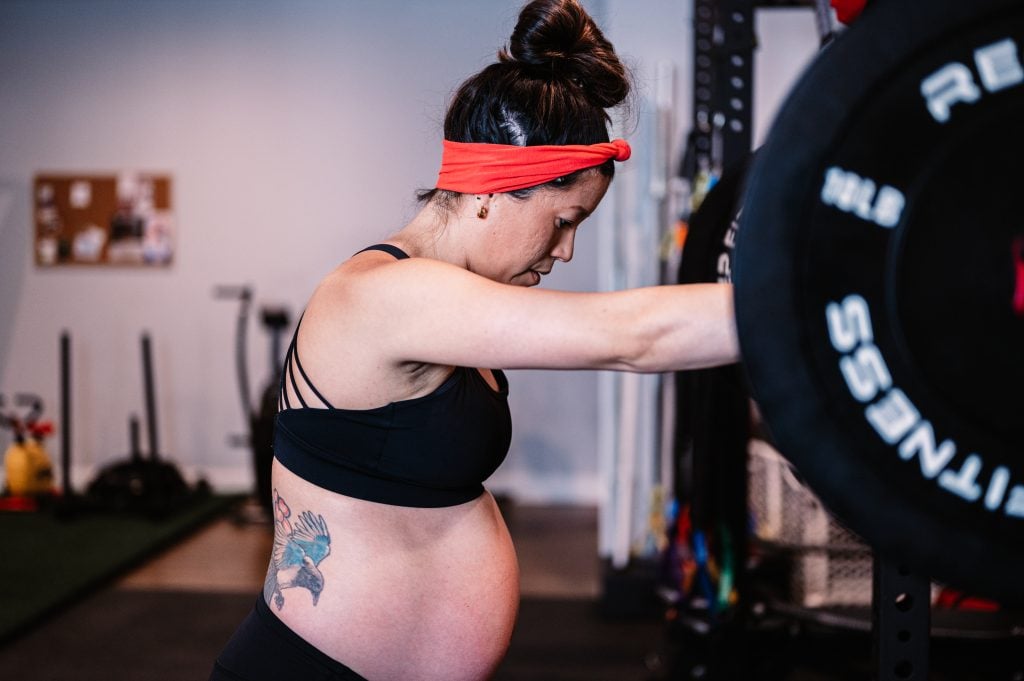
Prolapse-Friendly Workout: Relieve Prolapse Symptoms During Pregnancy and Postpartum
Fitness, Pelvic Floor, Postnatal, Prenatal
Pelvic organ prolapse can be a daunting experience, particularly during pregnancy and the postpartum period. However, with the right approach to exercise, it’s possible to manage prolapse symptoms and maintain an active lifestyle. At MamasteFit, we understand the challenges that come with prolapse, and we’ve designed a prolapse-friendly workout to help you navigate this journey with confidence.
What is Prolapse?
Prolapse occurs when the organs in the pelvic cavity, such as the bladder or uterus, drop from their normal position and press against the walls of the vagina. This can happen due to the weakening of the pelvic floor muscles, often as a result of childbirth. While prolapse is common, it doesn’t mean you have to live with constant symptoms. Just like our bodies change after giving birth, learning how to adapt and strengthen your body is key to managing prolapse.
Our Approach to Prolapse-Friendly Workouts
The focus of our prolapse-friendly workout is not just on the exercises themselves but on how you perform them. Proper breathing techniques and body alignment are crucial in managing prolapse symptoms. This workout is designed to relieve tension, strengthen key muscle groups, and help you return to a more active lifestyle.
25-Minute Prolapse Friendly Strength Workout: Pregnancy and Postpartum
Warm-Up: Breathing Drills
We start with five minutes of breathing drills to help release tension within the pelvic floor and adjust your posture. This step is essential in preparing your body for the exercises to follow.
Hips Elevated Breathing Drill: Elevate your hips using a pillow and roll into a ball to release tension from the pelvic floor. Focus on breathing into your ribcage and lower back while gently lifting your pelvic floor as you exhale.
All Fours Hip Shifted Breathing Drill: With one knee elevated on a yoga block, shift your weight toward the elevated side. This helps release tension in the back of the pelvic floor, which is crucial during pregnancy and postpartum.
Wall Breathing Drill: Stand against a wall with a yoga block between your thighs. This drill helps you transition from a lying or kneeling position to an upright position, which is vital for managing prolapse symptoms while standing or walking.
Workout Routine: Three Rounds of Strengthening Exercises
After the warm-up, we move on to a series of exercises designed to strengthen the pelvic floor and surrounding muscles.
Box Squats: Use an elevated surface and focus on controlled breathing. Inhale as you lower yourself, and exhale as you lift, engaging the pelvic floor. This exercise helps strengthen your legs and core while supporting the pelvic floor.
Lateral Hip Shifts: Shift your weight from one leg to the other while leaning forward at a 45-degree angle. This exercise strengthens the inner thighs and improves pelvic mobility, both of which are beneficial for managing prolapse.
Banded Archer Row: Using a resistance band, shift your weight into one hip while rowing the band back. This full-body movement combines upper body strength with pelvic mobility, helping to stabilize the pelvic floor.
Finally, we end the workout with mobility exercises to release tension and improve flexibility.
Adductor Rock Backs: Stretch the inner thigh muscles by straightening one leg and rocking back and forth. This movement helps alleviate tension that can contribute to prolapse symptoms.
Hip Shifts with Cat-Cow Movements: With one knee elevated on a yoga block, move through cat-cow poses to improve spinal mobility and release tension in the glutes and pelvic floor.
Conclusion
The key to a successful prolapse-friendly workout is focusing on how you move and breathe during exercises. Managing pressure, improving mobility, and strengthening the core and pelvic floor are all essential components of our approach. By integrating these exercises into your routine, you can support your healing journey and maintain an active lifestyle during pregnancy and postpartum.
If you’re looking for more support, consider joining our online prenatal and postpartum fitness programs, which include an educational course to teach you how to perform these movements effectively.
Learn the science of pregnancy and birth to take the mystery of labor away! Understand why you are feeling what you feel, and learn strategies to confidently move through pregnancy and birth!
Find comfort and relief from pelvic girdle pain throughout your pregnancy and postpartum period! This program incorporates myofascial sling focused exercises to stabilize across the pelvic girdle joints.