TRAINING FOR TWO

Move Confidently in Pregnancy!

NEW! ‎ ‎ ‎ ‎ ‎‎ ‎ ‎ ‎ ‎ ‎ ‎ ‎ ◆ ‎ ‎ ‎ ‎ ‎‎ ‎ ‎ ‎ ‎ ‎ ‎ ‎ Pelvic Floor ‎ ‎ ‎ ‎ ‎‎ ‎ ‎ ‎ ‎ ‎ ‎ ‎ ◆ ‎ ‎ ‎ ‎ ‎‎ ‎ ‎ ‎ ‎ ‎ ‎ ‎ Foundations Course ‎ ‎ ‎ ‎ ‎‎ ‎ ‎ ‎ ‎ ‎ ‎ ‎ ◆ ‎ ‎ ‎ ‎ ‎‎ ‎ ‎ ‎ ‎ ‎ ‎ ‎ NEW! ‎ ‎ ‎ ‎ ‎‎ ‎ ‎ ‎ ‎ ‎ ‎ ‎ ◆ ‎ ‎ ‎ ‎ ‎‎ ‎ ‎ ‎ ‎ ‎ ‎ ‎ Pelvic Floor ‎ ‎ ‎ ‎ ‎‎ ‎ ‎ ‎ ‎ ‎ ‎ ‎ ◆ ‎ ‎ ‎ ‎ ‎‎ ‎ ‎ ‎ ‎ ‎ ‎ ‎ Foundations Course ‎ ‎ ‎ ‎ ‎‎ ‎ ‎ ‎ ‎ ‎ ‎ ‎ ◆ ‎ ‎ ‎ ‎ ‎‎ ‎ ‎ ‎ ‎ ‎ ‎ ‎ NEW! ‎ ‎ ‎ ‎ ‎‎ ‎ ‎ ‎ ‎ ‎ ‎ ‎ ◆ ‎ ‎ ‎ ‎ ‎‎ ‎ ‎ ‎ ‎ ‎ ‎ ‎ Pelvic Floor ‎ ‎ ‎ ‎ ‎‎ ‎ ‎ ‎ ‎ ‎ ‎ ‎ ◆ ‎ ‎ ‎ ‎ ‎‎ ‎ ‎ ‎ ‎ ‎ ‎ ‎ Foundations Course ‎ ‎ ‎ ‎ ‎‎ ‎ ‎ ‎ ‎ ‎ ‎ ‎ ◆ ‎ ‎ ‎ ‎ ‎‎ ‎ ‎ ‎ ‎ ‎ ‎ ‎ NEW! ‎ ‎ ‎ ‎ ‎‎ ‎ ‎ ‎ ‎ ‎ ‎ ‎ ◆ ‎ ‎ ‎ ‎ ‎‎ ‎ ‎ ‎ ‎ ‎ ‎ ‎ Pelvic Floor ‎ ‎ ‎ ‎ ‎‎ ‎ ‎ ‎ ‎ ‎ ‎ ‎ ◆ ‎ ‎ ‎ ‎ ‎‎ ‎ ‎ ‎ ‎ ‎ ‎ ‎ Foundations Course ‎ ‎ ‎ ‎ ‎‎ ‎ ‎ ‎ ‎ ‎ ‎ ‎ ◆ ‎ ‎ ‎ ‎ ‎‎ ‎ ‎ ‎ ‎ ‎ ‎ ‎ NEW! ‎ ‎ ‎ ‎ ‎‎ ‎ ‎ ‎ ‎ ‎ ‎ ‎ ◆ ‎ ‎ ‎ ‎ ‎‎ ‎ ‎ ‎ ‎ ‎ ‎ ‎ Pelvic Floor ‎ ‎ ‎ ‎ ‎‎ ‎ ‎ ‎ ‎ ‎ ‎ ‎ ◆ ‎ ‎ ‎ ‎ ‎‎ ‎ ‎ ‎ ‎ ‎ ‎ ‎ Foundations Course ‎ ‎ ‎ ‎ ‎‎ ‎ ‎ ‎ ‎ ‎ ‎ ‎ ◆ ‎ ‎ ‎ ‎ ‎‎ ‎ ‎
Written by

Gina Conley, MS

Postpartum Core Workout: Reclaim Your Core With a Mini Band

Table of Contents

Welcome to the journey of postpartum recovery! Join us for Part 6 and the final part of our core rebuilding series, a postpartum core workout specifically designed to reconnect with your core and pelvic floor. After giving birth, many women experience changes in their bodies, particularly in the abdominal and pelvic floor areas. These changes can lead to issues such as diastasis recti (separation of the abdominal muscles) and pelvic floor dysfunction. Engaging in core exercises can help restore strength, improve stability, and enhance overall function in daily activities. Whether you’re a new mom or navigating this phase for the second or third time, it’s crucial to approach fitness thoughtfully and with care.

If you missed any of the previous workouts, be sure to check those out HERE!

Subscribe to our YouTube Channel for more weekly workouts and educational videos!  We publish one new workout video and 2-3 educational videos a week on our channel.

Equipment Needed for This Postpartum Core Workout

  1. Mini Band


Let’s get started!

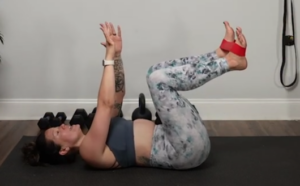
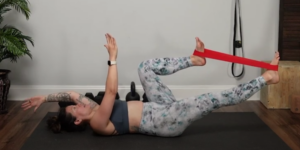
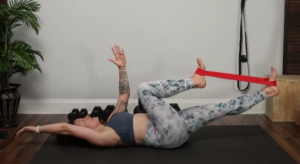
Dead Bug

  • Duration: 1 minute
  • How to Do It:
    • Begin by placing the mini band around your feet and lying on your back.
    • Extend one leg while reaching overhead with the opposite hand, then switch sides.
    • Focus on keeping your back in contact with the ground to avoid arching.
 

Kaitlin
Prenatal Fitness and Childbirth Ed Client
Went into spontaneous labor at 38 wks with baby #1 last night (born this morning) and was able to push through a very fast and intense labor (8 hrs active, 4 hrs of contractions with basically NO BREAK in between that got me from 1cm dilated to fully 😵‍💫) unmedicated! Pushed for an hr! I thank you both, your prenatal fitness program, and prepping pelvic floor fit birth for how much I rocked this delivery. THANK YOU!!!
Ronna
Prenatal Fitness and Childbirth Ed Client
I just wanted to leave a review for you, I took your prenatal bundle with the birth course, fitness app, and pelvic floor prep. I can't say enough good things about it, my only regret was not enrolling sooner! After having some nagging SI and pelvic pain, at 22 weeks I enrolled in your program and started the workouts on the app. After a few weeks,my pain was minimal except for the days I missed a workout or getting in movement. The birth course was very informative and I felt confident and excited about giving birth. While I did need to be induced at 39 weeks, I felt confident and understood my options. I had a great and speedy delivery with just a minor tear. I attribute this to the strategic movements I learned in the course throughout my labor and breathing during pushing, along with wonderful hospital staff. We were blessed with a healthy baby girl Ellie Jo. I look forward to using the fitness program again in the future and other courses you have! Thank you for all the time you put into creating such thorough content!
Lauren
Prenatal Fitness and Childbirth Ed Client
For what it's worth, I'm a PT myself (not a pelvic floor specialist), but am going to a PFPT. I also took a CEU course for my license and my own learning on pelvic floor health in pregnancy. With that background, I am utterly impressed with the content of your course so far. I was wondering if it'd be repetitive at all from the CEUs I recently took, but it hasn't been. It's so informative, thorough, and covers way more topics than I ever expected. Thank you!!

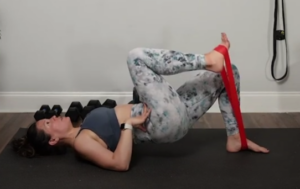
Bridge Marches

  • Duration: 30 seconds each side
  • How to Do It:
    • Start in a bridge position with your hips elevated and feet flat on the floor.
    • March one leg at a time, keeping your hips level. Stay on the same leg for 30 seconds, then switch to the other side.
    • If this is too challenging, you can lower your hips to the ground while marching.
 

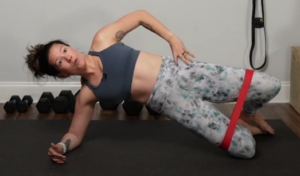
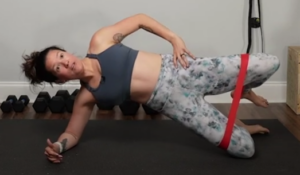
Side Lying Hip Abduction and Side Plank Pulses

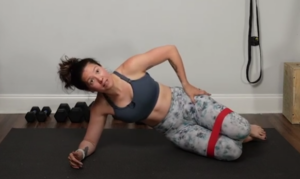
Side Lying Hip Abduction

  • Duration: 30 seconds each side / exercise
  • How to Do It:
    • Position the mini band above your thighs and lie on your side.
    • Spread the knees as you extend in the hips, pushing up and out and engaging your glutes.
    • Your feet can remain together or apart for more of a challenge.
    • Move on to the next exercise (side plank) before switching to the other side.
 

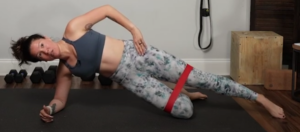
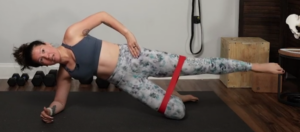
Side Plank Pulses

  • Duration: 30 seconds each side
  • How to Do It:
    • Transition into a side plank with the mini band still around your knees and your top leg straight.
    • Lift your top leg in small pulses, maintaining a strong core and steady breathing.
    • After 30 seconds, switch sides and complete side lying hip abduction and plank pulses on the other side.
 

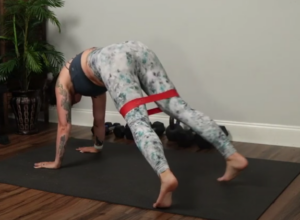
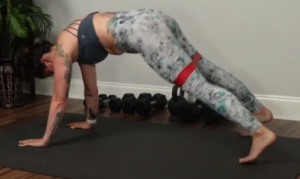
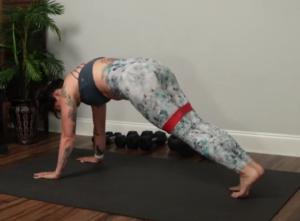
Plank Steps

  • Duration: 1 minute
  • How to Do It:
    • Move into a plank position with the mini band still around the thighs. 
    • Step to one side, back to the center, then step to the other side.
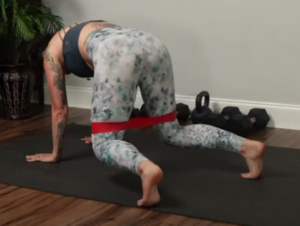
    • If a full plank is too much, hover the knees in a bear position instead.
 

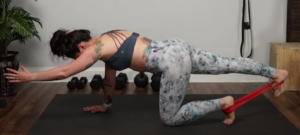
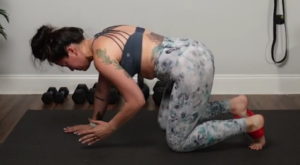
Bird Dog Marches

  • Duration: 30 seconds each side
  • How to Do It:
    • Come onto all fours and place the band around your feet.
    • Exhale to extend one arm and the opposite leg while maintaining a flat back.
    • Focus on keeping your rib cage and pelvis connected.
    • Complete 30 seconds on one side, then switch to the other side.
 

Cool Down

To conclude this final part of our core series, take a moment to breathe deeply and reflect on how your body feels after the workout. Engaging in these supportive movements while connecting with your breath is essential for rebuilding core stabilization.

Why Join the Full Postpartum On-Demand Program?

If you enjoyed this workout, consider exploring our full Postpartum On-Demand Program! This six-week program includes 24 total workouts, allowing you to customize your fitness journey around your schedule and the demands of motherhood. Each workout is designed to fit into your day, recognizing that children can dictate our time and energy levels.

To help you get started, use the code YOUTUBE10 at checkout for 10% off your purchase!

Conclusion

We hope you enjoyed this postpartum core series and that you are now feeling stronger than ever! Be sure to subscribe to our channel and check out our playlist for the entire six-part series. Together, we can navigate postpartum recovery with confidence and strength. Remember, every step you take is a step towards reclaiming your body and nurturing your well-being.

Frequently Asked Questions

When can you start doing core workouts after giving birth?
Gentle core work can start earlier than you might think! During the first few weeks, diaphragmatic breathing, short walks, and floor-based core connection exercises are all appropriate. Structured, weight-bearing workouts are usually best saved until after that first month, since the commonly recommended 4–6 week window is based on tissue healing, not fitness level. That timeline may be longer after a cesarean birth, perineal trauma, or a postpartum hemorrhage, so check in with your provider. Learn more in our realistic postpartum exercise timeline.
How to strengthen your core after giving birth?
Start with supportive movements that help you reconnect with your core and pelvic floor, like dead bugs, bridge marches, side planks, and bird dogs. Focus on connecting each movement with your breath, keeping your rib cage and pelvis connected and your back from arching. A mini band adds just enough challenge, and you can always scale down (like hovering your knees in a bear position instead of a full plank). Approach it thoughtfully and with care, and your core strength and stability can come back step by step.
How do I flatten my postpartum belly?
A flat belly is not the sole indicator of a healthy core, so we encourage focusing on function over aesthetics. How your body moves, supports you, and feels is a far better measure of recovery than the "after" photos in fitness marketing. Genetics, your exercise history, and the number of pregnancies you've had all influence how your belly looks postpartum. To support your core, blend core activation into functional movements and progressively load it when you're ready. Read more in our guide on how to heal diastasis recti.
How long does it take to fix core after pregnancy?
Research shows that most spontaneous healing of abdominal separation tends to happen in the first 6–8 weeks postpartum. If the separation is still there after 8 weeks, which is the case for about 50–60% of mamas, it is much less likely to heal on its own without intentional rehab strategies. "Healed" isn't just about closing the gap, either. A core that can manage pressure well under exertion may be considered functional even with a small gap. Learn more about diastasis recti symptoms and when it's healed.

Free · Starts Monday, Nov 2

Free November Workouts

15 strength workouts, one a day to your inbox. Three weeks, Monday to Friday.

  • 15 workouts
  • Video + written plan
  • Weekends off
Which workouts? Pick all that apply

Free. No card. Unsubscribe any time.

Created by Gina Conley, Master's in Exercise Science, and Roxanne Albert, Certified Nurse Midwife.