
Table of Contents
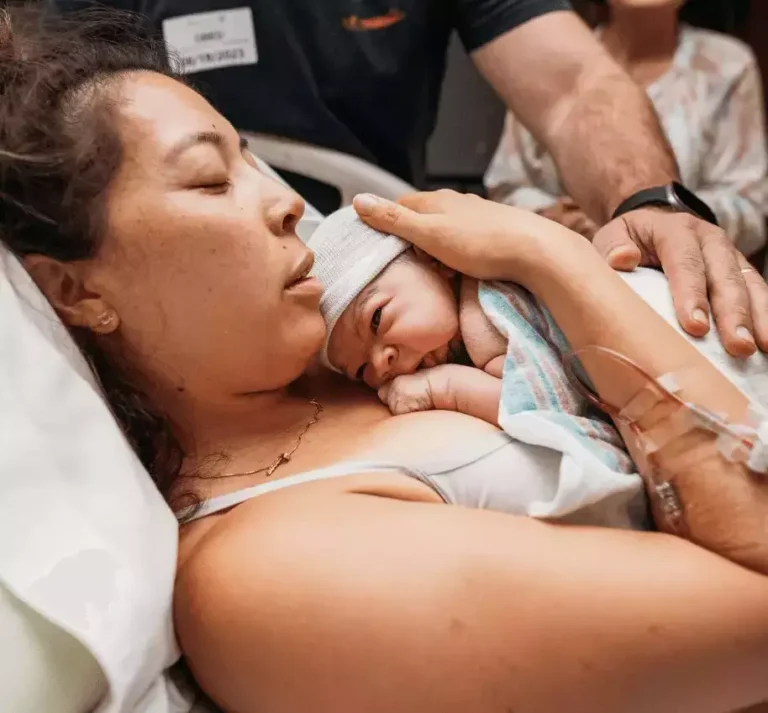
You may find that shortly after giving birth, whether it was from a cesarean birth or vaginal birth (or a cesarean birth that you pushed for a long time prior to), when coughing postpartum, laughing or sneezing, you likely feel a lot of pain at your incision site and/or perineum!
Sudden increases in intraabdominal pressure, such as from laughing, coughing, or sneezing, can put a lot of internal pressure directly against our weakened tissues (lower abdominal incision and perineum). As we get further postpartum, our tissues get denser and can withstand the sudden increases in IAP, but early postpartum, we need to provide some external support!
How can we manage this sudden increase in pressure early postpartum? With external splinting!
Cesarean Birth: Abdominal Splinting
If you had a cesarean birth, use a soft object, such as a pillow (my favorite is to roll up a baby blanket because there is usually one nearby), to press against your incision site while you cough, sneeze, or laugh. You can also just use your hand, but may find that a soft object feels better for you.
This gentle external pressure can help counter the sudden increase of internal pressure. You may also need to do perineal splinting if you had a long pushing phase.

 Video course · 3+ hoursC-Section Scar MobilizationOver three hours of video on scar mobilization technique and movement for recovery, plus a live webinar every other month you can attend or watch back.Learn more
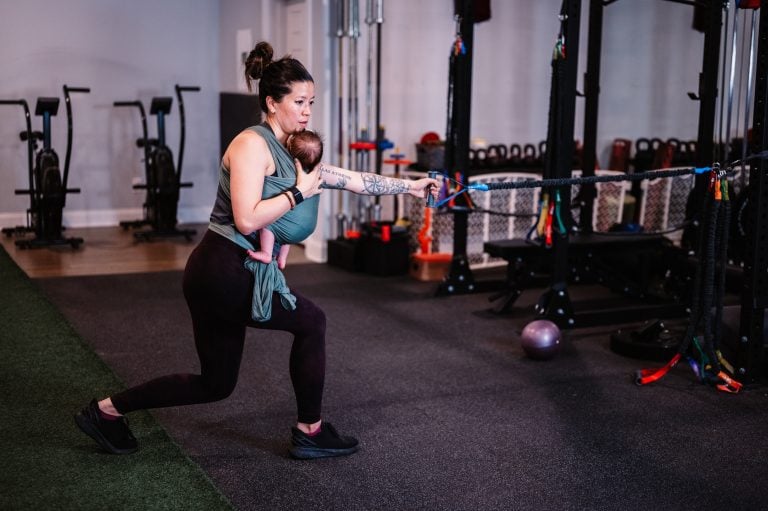 App program · 16 weeksPostpartum Return to FitnessSixteen weeks of rebuilding, four strength sessions a week, with a vaginal or cesarean recovery track and follow-along videos for the first six weeks.Learn more
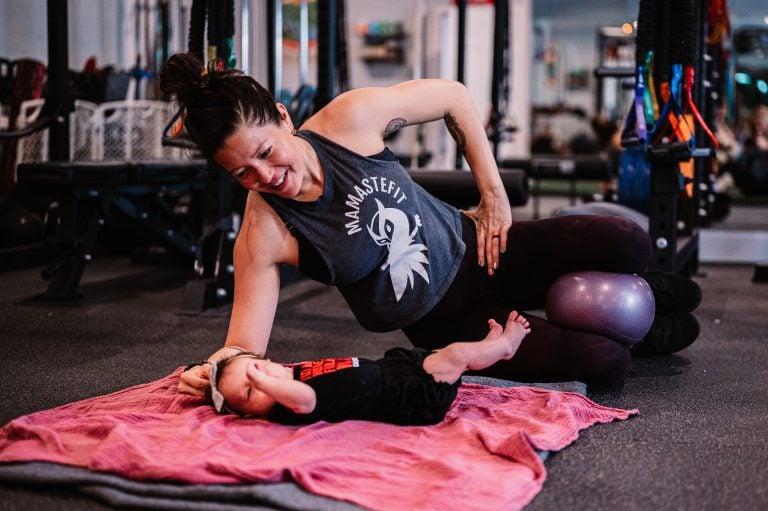 App program · 16 weeksAfter C-Section Recovery WorkoutSixteen weeks of cesarean-specific rebuilding with scar mobilization included — developed with physical therapist and two-time c-section mom Casey.Learn more
Vaginal Birth & Long Push Phase: Perineal Splinting
If you had a vaginal birth or pushed for a prolonged period of time, perineal splinting can be helpful. Placing your palm against your perineal area can help to counter internal pressure.
These splinting techniques can also be beneficial if you are trying to blow your nose, or even if you’re laughing early postpartum.
Learn more techniques to help support your healing on our blog and our postpartum return to fitness programming.

 App program · 64 daysPostpartum Return to RunningSixty-four training days, four sessions a week, with plyometrics and running programming beginning at week seven — a structured way back to your first run.Learn moreMembership · ongoingBeyond Postpartum Strength TrainingAn ongoing subscription with a new training cycle every 6 to 10 weeks — strength endurance, max strength, then power, with deload weeks and running add-ons.Learn more
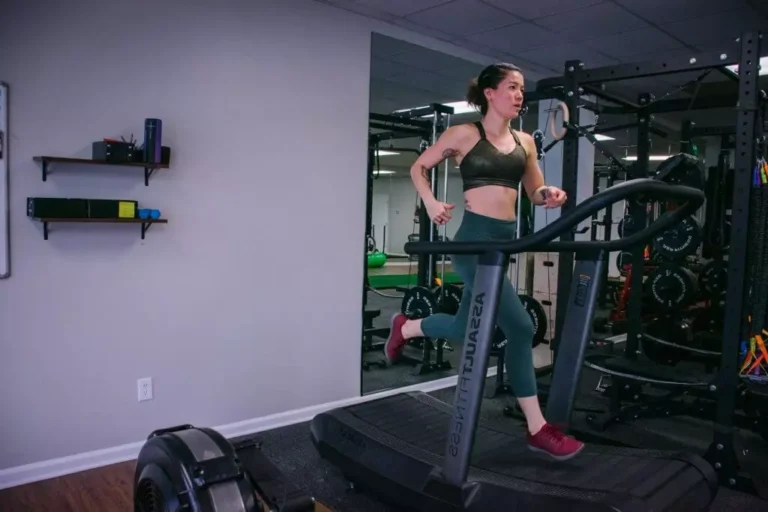 App programTrain for a Marathon After BabyProgressive run workouts and strength training from 5K to the marathon finish — long runs, tempo work, easy miles, and a weekly pelvic stability session.Learn more