



Table of Contents
Traditionally, much of the preparation and planning for pregnancy and childbirth falls squarely on the birthing person, leaving partners unsure of how—and when—to step in. Yet the support of a knowledgeable, confident birth partner can transform a birth from overwhelming to empowering. Drawing on insights from James Hogue—known as “The Doula Dad” and founder of Fathers Assisting Mothers—you’ll discover practical tools, comfort measures, and advocacy strategies to champion your loved one from early pregnancy through postpartum and beyond
Subscribe to our YouTube Channel for more weekly workouts and educational videos! We publish one new workout video and 2-3 educational videos a week on our channel.
Why Birth Partner Preparation Matters
Shared Journey: Pregnancy affects both of you. Emotional highs and lows, physical changes, and new responsibilities call for teamwork. Partners who actively prepare build deeper connections and strengthen trust.
Active Advocacy: Medical settings can feel intimidating. Knowing what questions to ask and when to speak up ensures the birthing person’s preferences and needs are honored.
Emotional Resilience: Understanding terminology, interventions, and possible scenarios reduces fear of the unknown—and the risk of feeling helpless during pivotal moments.
“Any guy I’ve met wants to be involved. The question is always, ‘How?’”
James Hogue
Top Questions Birth Partners Ask
“What do all these numbers mean?”
Terminology Crash Course: Learn dilation (cm), effacement (%), station, contractions, etc., so you can follow medical updates and stay engaged.
“How do I offer real comfort?”
Hands-On Skills: Hip squeezes, counter-pressure, position changes, massage, and guided breathing can bring relief during each stage of labor.
“How can I plan for the unexpected?”
Contingency Mapping: Draft a flexible birth plan, discuss alternatives with your care team, and have clear “if-then” steps for interventions like induction or emergency C-section.
By breaking these concerns into focused modules—terminology, comfort techniques, and planning—partners gain clarity on where and how they can make a difference
Your Advocacy Toolkit: The BRAIN Acronym
When a new intervention is suggested, empower yourself with the BRAIN framework:
Benefits: “What are the advantages of this procedure?”
Risks: “What could go wrong?”
Alternatives: “Is there another way to achieve the same goal?”
Intuition (+ Confidence): “Do I feel ready and comfortable making this choice?”
Nothing: “What happens if we wait or do nothing right now?”
Example: When offered to rupture membranes to speed labor, ask:
Benefits: “Will this help dilation and progression?”
Risks: “What if labor stalls—will infection risk or emergency C-section increase?”
Alternatives: “Can position changes or walking help instead?”
Intuition/Confidence: “Do we feel prepared for the next steps?”
Nothing: “If we pause and rest, could labor resume naturally?”
Comfort Measures & Physical Preparation
Practice at Home: In the final trimester, rehearse hip squeezes, counter-pressure, and breathing drills so you both know what feels best.
Daily Movement: Walk together, stretch, and use gentle exercises to build stamina—vital for supporting someone in labor for hours.
Create a Calm Space: Pack a “birth playlist,” essential oils, or dimmable lights to make the hospital room feel more like home.
 Video course · 9+ hours
Childbirth Education
Over nine hours of video on contractions, comfort measures, pushing, and recovery — so you walk into labor knowing what's happening and what your options are at each stage.
Learn more
Video course · 9+ hours
Childbirth Education
Over nine hours of video on contractions, comfort measures, pushing, and recovery — so you walk into labor knowing what's happening and what your options are at each stage.
Learn more
 On-demand video · 24 workouts
Birth Prep Workout Program
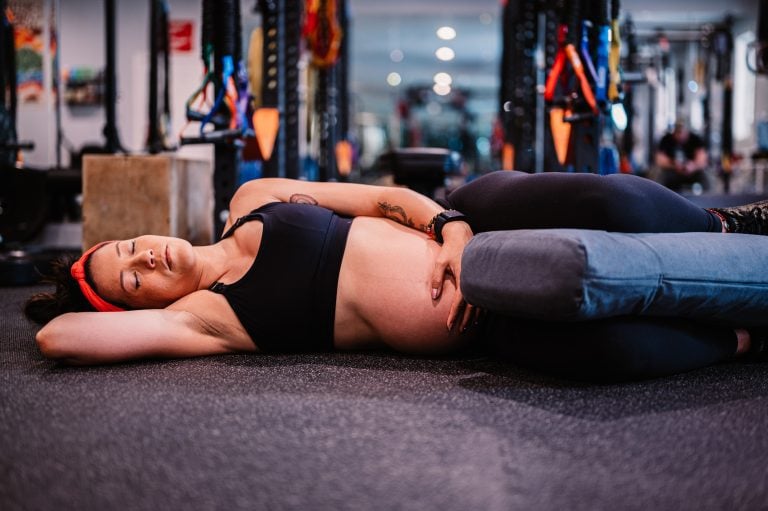
Twenty-four workouts that open the pelvis for each stage of labor — strength, mobility, and positioning you can start at any fitness level, 15 to 30 minutes each.
Learn more
On-demand video · 24 workouts
Birth Prep Workout Program
Twenty-four workouts that open the pelvis for each stage of labor — strength, mobility, and positioning you can start at any fitness level, 15 to 30 minutes each.
Learn more
 Video course · 7 modules
Prepare Your Pelvic Floor For Birth
Seven modules on releasing the pelvic floor rather than only strengthening it — breathing drills, thoracic and pelvic mobility, and how to relax it during labor.
Learn more
Video course · 7 modules
Prepare Your Pelvic Floor For Birth
Seven modules on releasing the pelvic floor rather than only strengthening it — breathing drills, thoracic and pelvic mobility, and how to relax it during labor.
Learn more
Navigating C-Sections (Planned & Unplanned)
Emotional Support: Reassure your partner that a C-section is not a failure—it’s another path to a safe delivery.
Advocacy: Ask why it’s needed and use BRAIN to weigh benefits/risks.
OR Presence: Quickly don scrubs and ask to be in the OR. Your presence, calm voice, and skin-to-skin contact—even with dad—can offer comfort.
Post-Op Care: Monitor how your partner feels, manage visitors’ updates, and help with incision aftercare and mobility.
If Baby Requires the NICU
Voice & Presence: Babies recognize voices they’ve heard in utero. Read or sing to your little one during NICU stays.
Data Tracking: Log feedings, diaper outputs, and vital stats—sharing these notes with NICU staff supports better care.
Breastfeeding Support: If mom can’t nurse immediately, request a pump, learn to operate it, and store milk to maintain supply.
Skin-to-Skin: If mom is unavailable, hold baby against your chest; kangaroo care regulates temperature and bonding.
“Show up, advocate, and love on your baby—even through the tubes and monitors.”
James Hogue
Beyond Birth: Postpartum & Mental Health
Shared Recovery: Postpartum isn’t just mom’s journey—partners navigate sleep deprivation, mood shifts, and new roles, too.
Professional Support: Specialty courses often include mental-health professionals to unpack past birth traumas or anxieties.
Ongoing Connection: Continue daily walks, check-ins, and “date nights” to nourish your relationship and rebuild energy together.
Your Role as “Doula Dad”
James Hogue’s nonprofit, Fathers Assisting Mothers (thatsmyfam.org), offers targeted courses for expectant dads, grandpas, uncles, and birth partners. From hands-on comfort techniques and advocacy training to mental-health workshops, their resources empower you to be the informed, confident advocate your family deserves.
Key Takeaways for Partners
Educate Early: Learn birth terminology, interventions, and comfort strategies well before labor begins.
Advocate Smart: Use the BRAIN acronym to make informed, confident decisions.
Stay Present: Prioritize in-room support over texts or calls—your undivided attention matters.
Practice Comfort: Rehearse squeezes, positional changes, and breathing techniques together.
Embrace Flexibility: Whether it’s a natural birth, C-section, or NICU stay, your adaptability and calm presence are priceless.
Final Thoughts
Bringing a new life into the world is a shared adventure. With preparation, advocacy, and unwavering support, birth partners can transform fear into empowerment—for themselves and for the birthing person they love.
Additional Resources
Find James Here!
Instagram:  / thedadsdoula
TikTok: https://www.tiktok.com/@thedadsdoula?…
Website: https://www.thatsmyfam.org/
📧 Download our free birth prep circuit guide with six exercises to prepare your body for birth: https://mamastefit.com/freebies/prepare-for-birth-circuit/
📧 Download our free birth partner guide: https://mamastefit.com/freebies/birth-partner-guide/
On-demand video · 30 workouts
Core, Pelvic Floor & Pelvic Stability
Thirty follow-along workouts across beginner, novice, and advanced levels, ten per level — core and pelvic floor strength for pain relief in pregnancy or postpartum.
Learn more
 Bundle · lifetime access
MamasteFit Bundles
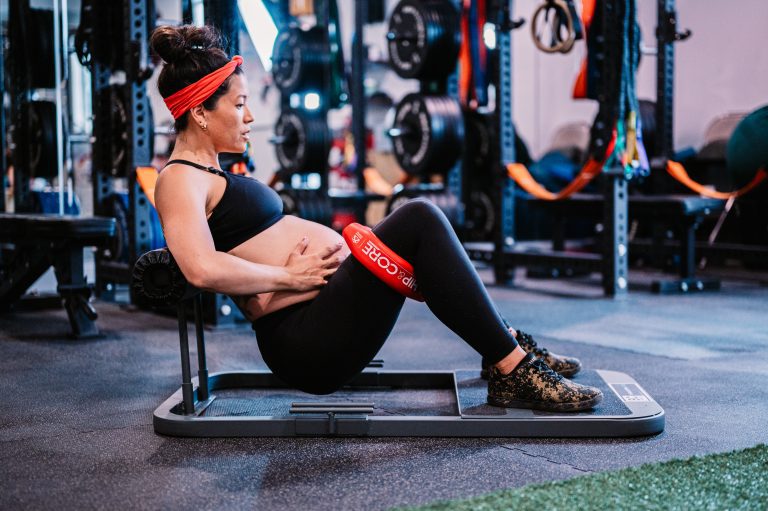
Combine courses and programs for lifetime access and save up to 15% — grouped for birth preparation, the third trimester, or the whole pre and postnatal journey.
Learn more
Bundle · lifetime access
MamasteFit Bundles
Combine courses and programs for lifetime access and save up to 15% — grouped for birth preparation, the third trimester, or the whole pre and postnatal journey.
Learn more
 Video course · 3+ hours
C-Section Scar Mobilization
Over three hours of video on scar mobilization technique and movement for recovery, plus a live webinar every other month you can attend or watch back.
Learn more
Video course · 3+ hours
C-Section Scar Mobilization
Over three hours of video on scar mobilization technique and movement for recovery, plus a live webinar every other month you can attend or watch back.
Learn more