



Table of Contents
Childbirth is an intense, personal journey—and the pushing phase is one of the most memorable parts of that process. In this post, we explore the different ways your body may signal that it’s time to push, including the fetal ejection reflex (FER), the Ferguson reflex, and the concept of laboring down. Drawing on the experiences and expert insights shared by perinatal fitness trainer and birth doula Gina and Labor & Delivery nurse Roxanne, we break down the physiology, options, and practical considerations that can empower you to make informed decisions during labor.
Interested in learning more about what to expect during labor? Sign up for our newsletter for our FREE 30-minute intro to childbirth class! This 30-minute class will walk you through what is a contraction, what is dilation/effacement, and the labor timeline!
The Body’s Natural Signals: When to Start Pushing
Every labor is unique, and your body may offer subtle—or sometimes dramatic—clues when it’s ready to move from full dilation to pushing. Two key reflexes come into play:
Fetal Ejection Reflex (FER): Often described with colorful metaphors like “vomiting your baby out,” the FER is a spontaneous and almost involuntary reflex. In an unmedicated labor or in cases of rapid progression (even with an epidural), the uterus’ thickened fundus contracts powerfully, essentially “pushing” the baby out with little effort required from you. However, it’s important to note that not everyone experiences this reflex, and its intensity can vary based on your environment and support during labor.
Ferguson Reflex: Although sometimes confused with FER due to similar naming, the Ferguson reflex occurs when the baby’s head applies pressure on specific areas of your pelvic floor once it reaches a lower station (typically around plus two). This pressure triggers a surge of oxytocin, which helps facilitate the final rotation and extension of the baby’s head. Unlike the FER, the Ferguson reflex usually requires you to actively push to help your baby descend further.
Both reflexes provide essential cues during the pushing phase, but they function differently. While the FER may allow your body to do most of the work, the Ferguson reflex typically means you need to add in extra pushing effort to guide your baby through the birth canal.
What is Laboring Down?
Laboring down is another strategy, especially relevant for those who have an epidural. With an epidural, you might not feel your contractions as strongly, and the natural urge to push can be muted. Instead of starting to push immediately at full dilation (10 centimeters), laboring down means allowing your body extra time—sometimes one to two hours—for the uterus to do some of the heavy lifting. Here’s what you need to know:
How It Works: Once you’re fully dilated, your baby might still be high in your pelvis. Rather than initiating active pushing right away, your body is given time to let gravity and uterine contractions naturally bring the baby lower. This “waiting period” can significantly reduce the time spent in active pushing.
Pros and Cons: Research suggests that while laboring down may extend the overall second stage of labor (from full dilation to birth), it decreases the active pushing phase by reducing the physical effort required. This reduction in active pushing may lessen fatigue and potentially minimize pelvic floor damage. However, there are trade-offs, such as a longer overall stage and possibly a higher risk of postpartum hemorrhage if the extended period increases infection risk.
It’s essential to have a conversation with your provider about laboring down. Their approach can depend on factors such as your epidural status, your baby’s station in the pelvis, and the overall pace of your labor. For instance, if your baby is at plus two station (where you can almost see the baby’s head), many practitioners agree that laboring down can be a beneficial option. On the other hand, if progress is slow or complications arise, active pushing might be recommended sooner.
The Role of the Environment and Support
Gina and Roxanne’s discussion emphasizes that your environment and support network play a huge role in how these reflexes present themselves. Factors such as a quiet, dimly lit room and calm, supportive voices can enhance the likelihood of experiencing the spontaneous fetal ejection reflex. Conversely, a busy, distracting environment may dampen these natural cues. This underscores the importance of choosing a birthing environment where you feel safe and supported, which can ultimately influence how your labor unfolds.
 Video course · 9+ hoursChildbirth EducationOver nine hours of video on contractions, comfort measures, pushing, and recovery — so you walk into labor knowing what's happening and what your options are at each stage.Learn more
 Video course · 7 modulesPrepare Your Pelvic Floor For BirthSeven modules on releasing the pelvic floor rather than only strengthening it — breathing drills, thoracic and pelvic mobility, and how to relax it during labor.Learn more
 On-demand video · 24 workoutsBirth Prep Workout ProgramTwenty-four workouts that open the pelvis for each stage of labor — strength, mobility, and positioning you can start at any fitness level, 15 to 30 minutes each.Learn more
Communicating With Your Provider
One key takeaway is the importance of having open discussions with your healthcare team about your pushing options:
Ask Questions: Inquire about how your labor and delivery team manages pushing—do they recommend laboring down for those with epidurals? What internal feedback techniques do they use? This conversation will give you a clearer picture of what to expect and help build trust with your provider.
Personalize Your Plan: Remember that birth is a deeply individual experience. The best approach is one tailored to your unique circumstances. Whether you lean toward letting your body lead with the FER or prefer the active guidance required with the Ferguson reflex, understanding the science behind these processes helps you make empowered choices.
Gina’s insights remind us that while providers play a role, the decision of when and how to push ultimately belongs to you. As you prepare for your birth, it’s crucial to explore all available options, discuss them with your team, and choose the strategy that feels best for your body and mind.
Final Thoughts
The journey of labor is complex, and the pushing phase—whether it’s guided by a powerful spontaneous reflex or involves a deliberate, well-timed effort—offers insight into the remarkable way our bodies work. By understanding the differences between the fetal ejection reflex, the Ferguson reflex, and the practice of laboring down, you can approach childbirth with greater confidence and awareness.
Remember, every birth is different. Your experience may not mirror someone else’s exactly, and that’s okay. The goal is to feel informed, supported, and empowered to work with your body’s natural rhythm during one of life’s most transformative moments.
For more information on childbirth education and perinatal fitness support, consider exploring our trusted resources or speaking directly with your care provider. Embrace the journey—your body has incredible wisdom to guide you through it.
Additional Resources
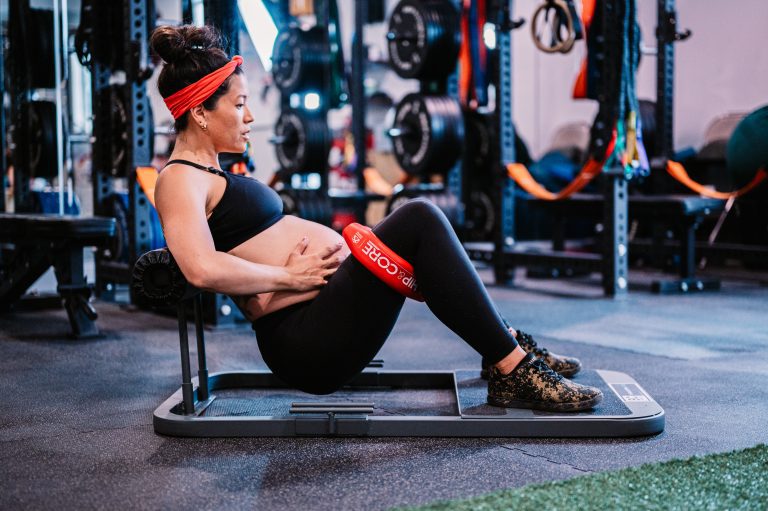 Bundle · lifetime accessMamasteFit BundlesCombine courses and programs for lifetime access and save up to 15% — grouped for birth preparation, the third trimester, or the whole pre and postnatal journey.Learn moreOn-demand video · 30 workoutsCore, Pelvic Floor & Pelvic StabilityThirty follow-along workouts across beginner, novice, and advanced levels, ten per level — core and pelvic floor strength for pain relief in pregnancy or postpartum.Learn more
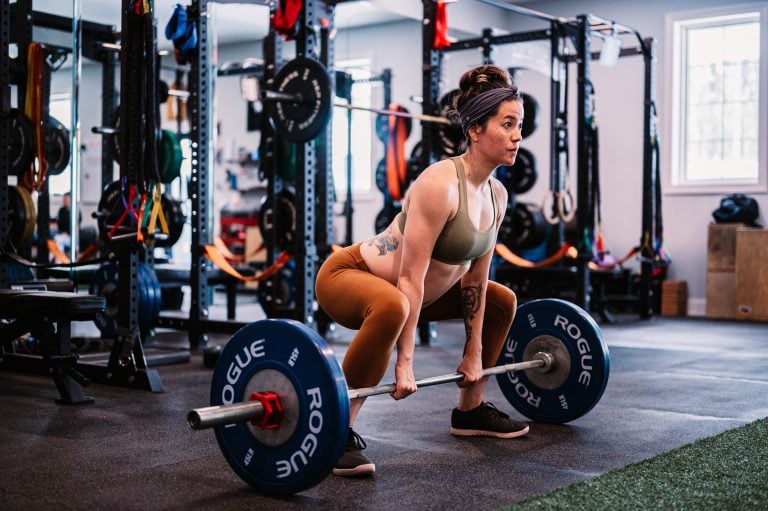 App program · 40 weeksPrenatal Strength TrainingA gym-based program that syncs to your current week of pregnancy — four strength sessions plus one pelvic stability workout a week, with demo videos for every exercise.Learn more