

Welcome to the MamasteFit Podcast! In this episode, Gina, the founder of MamasteFit, shares her expertise on how to automate the backend of your business. This guide is perfect for those looking to spend more time focusing on clients and less time on manual tasks. Gina walks through the importance of creating an email list, using platforms like ManyChat for automated communication, and setting up workflows to nurture potential customers. She also offers a glimpse into her mentorship program that helps professionals step-by-step throughout the year to implement these strategies effectively. Learn how to make your business run smoother and reach more clients effortlessly.
Read Episode Transcript
Gina: If you’re wanting to figure out how you could automate your business so that you can spend more time focusing on the client in front of you, either in person or online, in this episode, I’m going to break down how you could automate the backend of your business so there are less manual tasks that you need to do, so that you can focus on what’s important for you in supporting your business.
Hey, my name is Gina. I’m a perinatal fitness trainer and birth doula and the founder of MamasteFit. I created MamasteFit eight years ago when I was newly postpartum with my first baby, which may or may not have been a smart choice at the time. However, over the past eight years, I have learned a ton on different ways that you could automate certain aspects of your business.
Of course, there will be aspects of your business that you need to do manually every time. However, there are certain things that you can do once, and then it can just kinda work for you in the backend without you having to manually send a link, or manually sending a free guide, or manually encouraging people to sign up for your newsletter. And so in this episode, I’m going to break down what are the different aspects of your business that you can automate so that you don’t have to do that all of the time, and it’ll free up so much of your time as well.
What I’m going to discuss in this episode, we’re going to be breaking down over the entire course of the year with our MamasteFit professional mentorship community, so the students in our course are going to be walked through this process throughout the entire year. Because, you’re going to see that it can get really overwhelming really fast- and because it’s so much that you need to do upfront to then automate, it can be really easy to just say, “Nevermind, I don’t want to do that.” And so over the course of the year, we are going to walk our students through this process, so it becomes a lot less overwhelming and you can do it right the first time.
But now let’s break down what you can do to automate your business and what are kind of the overarching concepts that we need to be focusing on.
The first is to get an email list, create some sort of newsletter, get on some sort of email platform so that you can get people’s emails, so that you can communicate directly with your potential clients. And having an email list is going to be important regardless of what type of business you are- whether you do a service to support a community, whether you provide a product to support a community- regardless of how you are supporting clients and customers, we are going to want some sort of email list so that you can communicate directly with your clients. We can’t always rely on social media or other different algorithms to reach our clients, we can’t always rely on word of mouth to reach our clients, and having an email list is going to be the best way to reach customers.
So the first thing that you need to do is to make a newsletter to get on some sort of email platform. And there are a number of really awesome ones out there. We used to use Flodesk because it was fairly inexpensive, it was really easy to use, and it had all the features that we needed at the time. But eventually, I wanted more analytics and I wanted to better understand my email list, and I wanted more automation, and we upgraded to Kit. Kit is a little bit more expensive than Flodesk was, and so that can be a big factor in choosing an email platform- depending on the number of people that you have on your email list, it could really change how expensive a platform gets. And so finding a platform that makes sense for you is going to be really important. And if you’re on some sort of online educational platform, they also may have some sort of email offering as well. But as we get through this episode, you’re going to see what type of features you’re going to want in your email platform, and this could help you figure out which ones are most important and which ones make the most sense for you and your business.
After you create that newsletter, and after you create that email list, the next thing that we need to do is figure out, well, how do we get people to sign up for it? We can’t just have an email and then just help people sign up for it. We need to encourage potential customers and clients to sign up for it. The first thing that you can do is to explain what they’re going to get by signing up for that newsletter. What are you going to give them, so they will give you their email? And this is where having some sort of email frequency is going to be really helpful. Are you going to do a weekly email? Is it going to be a monthly email? Every other week? Whatever the frequency is, this is going to give your potential email signups an idea of what to expect from your email list. For us, we do a weekly educational email where we talk about whatever we’ve kind of released from the past week. Typically, we have kind of a topic that we are discussing where all of the videos and content relates, and so it makes this email list a lot easier to create. And so last week I created one that was all about the pelvic floor and different exercises that we can do to help support the pelvic floor. And so all of the videos in the email list were videos relating to the pelvic floor. The blog that I included was related to the pelvic floor and other educational tidbits were all related to the pelvic floor. And so every Tuesday or Wednesday, depending on whether or not I get it done on Tuesday, our email list knows to expect an email from us. With educational content. And there’s a little bit of selling within the emails where I kind of mention a program that we have, “maybe this one can help you,” but really I’m focused more on giving a lot of information and a lot of education so that people can leave that email feeling like they learn something, that they can take away something from that email to then go and make their lives a little bit better.
And so we do a lot of giving with our email list, with our social media, with all of our content, and that can feel really hard to do, which leads us to the next way that you can get people to sign up for your email list is by offering a freebie. So a freebie is like a free blog, video, guide- some sort of free offering that you’re giving to a potential email signup. You say, “Hey, I will give you this guide in exchange for your email.” With that freebie, I personally think it should be something that helps to solve a problem, like a really small problem, a simple problem that somebody has. And that, again, that may feel really hard to do- like, if I give away too much free information, will anyone then buy anything from me? The answer is yes. By giving away free educational information, this helps to establish authority. This helps to establish you as the expert and the person that they want to trust to solve their problems. This is especially important if you’re in a service based industry where you want someone to sign up for an online program, for a fitness program, for an in-person service with you, you need to show that you can help solve their problems. And by giving them this little free guide, it can be a really helpful way to do that. And so for us, we have a ton of free offerings and freebies that we offer on our website because we want to give people a taste of what they can learn with us at MamasteFit. So one of our most popular free guides is our pelvic floor exercise guide, which is 24 pages long! It has tons of information in it, and videos in it and pictures, and it took us a little bit of time to create it, and we probably should charge for it. However, it’s really important to us that our clients and potential customers are able to feel good in their bodies, regardless of finances. And this is something that becomes very obvious to the consumer as well. They know who’s trying to take advantage of them, who just wants to line their pockets, and who genuinely wants to help them. And so with this freebie, you can help people, and give them like a little bit of a solution to the problem they may be having. And then they’re going to see, “Okay, this person helped to solve this problem for me. What else can they help me with? And so now I’m going to invest in whatever offerings that they have. I want to sign up for a session with them. I want to sign up for their online course or fitness program.
And freebies can be really easy to make. Canva is an online platform that is free to use, but you can sign up if you want more features for their pro membership, which is an online graphic, essentially, creator. They have tons of templates. It’s really easy to drag and move things around. It doesn’t have to be perfect, like we have a graphic designer that works with us on our team that helps to make our graphics really pretty, but you can do a really good job in Canva. And your freebies don’t have to be long- they can be five pages long, they can be two pages long, it could be a one page free guide- but we want to offer something that is going to initially solve a problem that somebody knows that they have, and offer you an opportunity to explain other ways that they can solve more problems that they potentially have as well.
So, so far you’ve created your email list; you’ve established what is going to be included in your weekly or monthly educational email so that people know what to expect; you’ve inserted signup forms on your website and in various blogs and places for people to sign up for that newsletter; and you’ve created your free guide. What is the next step to automate your business? The next step is going to figure out, well, how can I offer this free guide and automatically send it to people so that I don’t have to individually email every single person that says they want that free guide? And there’s a number of different ways that we can automate this process.
One, you can have signup forms on your website that are like, “Hey, sign up for my free guide here. Insert your name and your email and I’ll send it to you right away.” That is one way that you can do it. Another way that can be really helpful is to promote it on whatever platforms that you’re using to reach potential customers. So for us, it’s social media. We use Instagram mostly to reach our potential customers. We also use YouTube and Facebook as well. With Instagram though, you can automate sending messages to people, and so this is where I’m going to focus on. ManyChat is integrated with Instagram, so you can automatically send a DM to somebody with the information that they’re requesting. So typically what we’ll do is we’ll create a post that is educational, usually takes a piece from that free guide, and explains a concept from it. And then we say, “Hey, if you’re interested in learning more, comment ‘pelvic floor,’ and we’ll send you our free pelvic floor exercise guide. This is what you can expect with that exercise guide.” Then when they comment that key word, ManyChat will DM them with a prompt. It’ll be like, “Hey, are you interested in getting this free guide?” And they’ll say, “Yes, I’m interested,” and that opts them into the sequence from ManyChat. After they’ve been opted in at ManyChat we’ll ask them, “Hey, what is your email? We would love to send you the free guide. If you send us your email, we can send it to you.” And they’ll say, “Here is my email.” If they don’t send us their email, we do have it set up within ManyChat after 10 minutes of no response, it’ll automatically send them the little signup guide from there. If they did submit their email though, we have it set up in ManyChat where it’ll automatically sign them up for that email list and they’ll get sent the free guide. If they don’t send us the email, they’ll get sent the little signup form and they’ll have to go in and click that and then go sign up for the free guide there. And within the ManyChat blocks, we’ll also include, “Hey, by the way, we also offer a fitness program if you’re interested in joining it.” And so with ManyChat, it’s a really easy way to get people to grab the free guide that you offer by having them just comment a keyword, they can comment that keyword, and then they get entered into a sequence where they can submit their email to then get that free guide in their inbox.
Now, not everybody is going to submit their email and not everybody is going to sign up for the email list. Even with all of the automations, we have some folks that get sent these things repeatedly from different keywords that they’ve commented, and they have never gone through the process to actually sign up for it, and it’s not a big deal. But we do have a lot of people that do sign up ’cause they do want the free guide. We’ve established ourselves as somebody that they can trust on Instagram and on social media. And so they want to grab the free guide ’cause they want to learn even more.
And then this takes us to our next step of the automation, because we then want to nurture and help these clients want to continue to work with us after they get the free guide. And this is where you establish a workflow within your email list. So at this point, you’ve set up your email, you’ve established what’s going to be in that email for people to know how often you’re going to send emails, what to expect in those emails. You’ve created your free guide, you’ve now set up the automation when somebody comments a keyword on Instagram that they’re going to get sent the free guide, or they’re going to get sent props to sign up to get that free guide- and their email list is growing. But what do we do with all of those people that have now signed up for your newsletter, or that’ve signed up for that free guide? We want to set up a workflow. A workflow will be set up in your email platform. And so after somebody has signed up for a free guide, and they’ll kind of get entered into this section on your newsletter list that says, “Hey, this person said they really liked this free guide and they signed up for it.” And so you can then set up an automation and a workflow of emails that they’re going to get sent over a period of time explaining a little bit more and nurturing them a little bit more. If you are coming from a service industry where you’re offering a service, either in person or online, nurturing and storytelling is going to be huge with getting people to convert from a free customer to a paid customer. But if somebody never does convert from a free to a paid customer, it’s also okay. We don’t have to gate keep the information that we have if we know that it’s going to help people feel a little bit better.
With the workflow, it’s essentially a series of emails that somebody’s going to get sent over a period of time. So they sign up for the free guide and they’re going to get sent an email immediately that has the free guide in it and just says, “Hey. Here’s a free guide. I hope you enjoy it.” From there, you can set it up to where they get sent a daily email or an email every other day, and what I like to do is include what is in that free guide in the following emails. And so the first email after the first one that gets sent to the free guide will be like the first few pages of whatever’s in that guide. “Hey, here’s the first tidbit of information that’s in that free guide. Here’s some information kind of written down in an email. Oh, by the way, we also offer this course.” And then the next email will be the next page of the free guide, more information from that free, and then, “Hey, by the way, we have this course.” And we’ll kind of continue to go through the free guide until we reach the end of the sequence where I’m like, “Hey, by the way, if you liked that free guide, and you liked all the information, and it’s helped you- this is the offerings that I have for you where you can take it a step further with me.”
And so with that email sequence, it can be however long you want it to be- it can be three emails, it can be five emails, it can be spaced out daily or every other day. And you can kind of see what feels best for your consumer base as well. So you can take a look at analytics to see, “Okay, I’m sending emails too frequently,” or, “I can probably bring ’em a little bit closer together,” because this is all about nurturing someone so they can better understand what they can learn from you after the freebie.
But all of this takes a lot of time and it can feel very overwhelming to do. And so we’re creating your email list, you’re signing up for a platform and getting all of kind of the backend stuff there set up with your branding, your colors, your signature blocks, getting your email templates figured out, figuring out what tags you want to be in there. From there, you have to remember to send out an email at a certain frequency that includes information that can help somebody.
Now, you may be wondering, well, what should I even include in these emails? Like, what is going to, what are people even going to care about? The easiest way to figure out what type of content to create, what type of newsletter to create, is to figure out what kind of questions you get asked all the time. What kind of DMs are you getting? What are the questions that your in-person clients are asking? What kind of questions are your online clients asking? Then make content related to that. What are some common things that they’re dealing with, and how can you explain that to somebody so that they understand it’s the same issue that they’re dealing with? ‘Cause sometimes, the way that I describe a discomfort is not the same way that somebody else describes a discomfort, and sometimes the issue that somebody’s dealing with, they don’t understand yet that it’s this. They may describe it as something else. So for us, a common one is if somebody is dealing with a lot of pelvic pain, they may describe it as sciatic pain. And so they may be looking up, “what are some ways to resolve sciatic pain?” when really if they looked up, “how do I resolve SI joint pain?” They may have more success. And so figure out, okay, what kind of issues are my clients commonly dealing with? What kind of questions are they asking and how can I explain that to my consumer base? After you figured out, okay, this is what’s going to be in my email, we need to figure out what kind of free guide are we going to offer. And same thing, what are kind of like the big questions that your clients have? What are kind of the big issues that they’re having that relates to a service that you offer?
And so don’t just create a free guide where there’s no point to it, where it’s just a free guide. Where is it going to lead somebody? Is it going to lead them to sign up for a session with you? Is it going to lead them to grab an online course, or to grab a product that you offer? Where is that free guide going to lead? And so there’s a little bit of, what do my clients tend to need and to want, and also what do I offer that can help them with that product? And so it’s kind of like a funnel that’s leading you to a specific place. The free guide can feel really overwhelming to make, and so I just encourage you to just do it. Just make it. Figure out something to just create, and you can always improve it. You’re not going to create a perfect product the first time, it’s going to just kind of continually improve over the years. The program that I offered eight years ago when I started MamasteFit is not anywhere near the same program that I have now. Our program has grown so much over the past eight years, and it will continue to grow, and that’s okay. I’m continually learning, I’m continually figuring out new things, and it’s okay if the product you create right now is not perfect.
After you’ve created your freebie, we then have to figure out how to get people to grab that freebie in a way that is automated. And this is where using a platform like ManyChat can be super helpful. Having emails, signups on your website that include like, “sign up for an email to get this free guide.” And then after they grab that free guide, we want to nurture them in a workflow that is just going to explain what’s in the free guide, offer more education, and then also explain what you can offer to help them with the problem that that free guide solves.
And so that might feel like a lot. That was a lot of stuff and it’s very time consuming to create. This is like weeks or months of stuff that we are doing constantly to help automate things on the back end. But once you do it, it’s so much easier- but it just feels really overwhelming to take that first step to do it. And so over the next year in our mentorship group, we are going to be walking you through this process. Each month we’re going to take one piece of this and we’re going to focus on it. And then the next month we’re going to take the next piece and we’re going to focus on it, and we’re going to dive a lot deeper to make sure that we’re setting it up well the first time, so you don’t have to redo it constantly. And then also figure out what makes the most sense for you to offer for your business.
And so if you’re interested in checking it out, head to the notes below where we’ve listened to sign up for our mentorship group. This group is specifically for movement professionals, so like PTs, fitness trainers, birth workers- anybody that’s kind of working with a service industry is going to benefit from this, and it is a little bit more specific to like the pregnancy, birth, postpartum timeframe for clientele. But, if you just really want that business aspect of it, we are including that every single month as well. So you can head down to the notes below to sign up and you can use code YouTube10 to get 10% off of your monthly membership- and we would love to have you join us.
So hopefully this video was helpful for you to understand why it’s important to automate the backend- ’cause it can be a lot to set up, but it’s also a lot to manually do all of the time. It can be really time consuming to have to go through and individually send messages to each person that’s asking for your free guide, or individually send people this free guide in their email. And we also cannot control the algorithm. We cannot control who is going to see our content. Your email list is the best way for you to market to your potential customers, the best way to communicate with your client base, and if you don’t have an email list, you’re kind of at the whims of whatever Instagram and social media is feeling like at the time. And so it’s really important to set up an email list and also equally important to figure out how you could automate the backend of your business.
I hope this video was helpful for you. And if you want more ways to support your clients during pregnancy, birth, and postpartum, be sure to subscribe to our channel ’cause we release new workouts and educational videos every week.
Additional Resources
Affiliate links:
- Manychat: https://manychat.partnerlinks.io/m9b2fgob7947
- Capcut: https://capcutaffiliateprogram.pxf.io/OrqELz
- Kit: https://partners.kit.com/sikvpjofvzx1
Sign up for our pro mentorship group here and get one month free:
https://mamastefit-pros.circle.so/checkout/mentorship-membership
Prenatal Support Courses
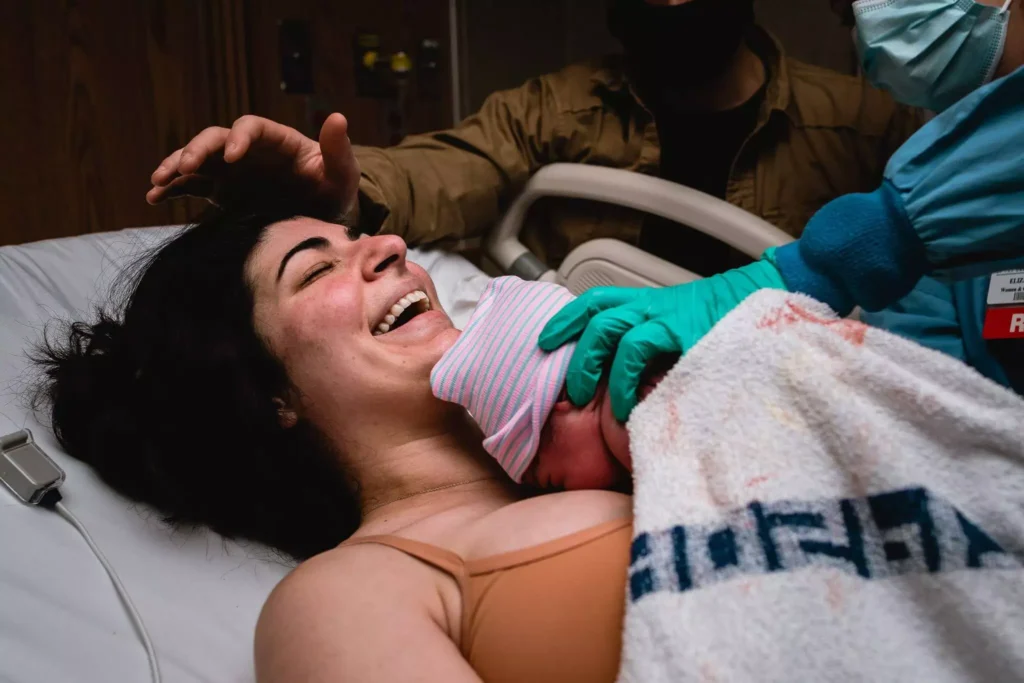

Learn the science of pregnancy and birth to take the mystery of labor away! Understand why you are feeling what you feel, and learn strategies to confidently move through pregnancy and birth!
- 9h+ of Video
- Support Group
- Close Captioning
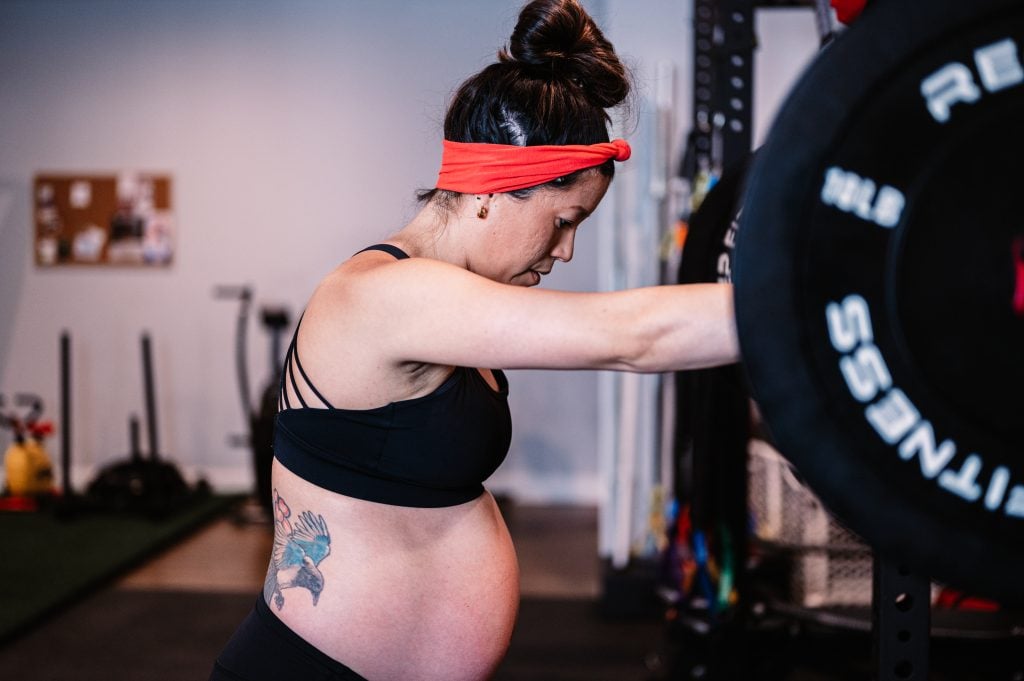

- 5 Workouts/Week
- Gym Workouts
- Self-Paced

Instructor
GINA
Workout on-demand with our prenatal fitness workout videos! Each workout is 30-40 minutes to follow along as you exercise at the same time!
- Birth Prep
- All Trimesters
- Mobility Work

Instructor
GINA
Find comfort and relief from pelvic girdle pain throughout your pregnancy and postpartum period! This program incorporates myofascial sling focused exercises to stabilize across the pelvic girdle joints.
- 3 Weeks
- On Demand Workout Videos to Follow