



Table of Contents
Diastasis recti—often referred to as abdominal separation or “mommy pooch”—is a topic that has long been misunderstood in the world of perinatal fitness. In our latest deep-dive discussion on the MamasteFit podcast, pelvic floor physical therapist Hayley Kava unpacks the science behind diastasis recti, sharing valuable insights on why it happens naturally during pregnancy and how to heal diastasis recti postpartum. Whether you’re expecting, postpartum, or simply curious about core health, this post will empower you with knowledge and actionable advice to honor and strengthen your body during this transformative period.
Subscribe to our YouTube Channel for more weekly workouts and educational videos! We publish one new workout video and 2-3 educational videos a week on our channel.
What Is Diastasis Recti?
Diastasis recti describes the separation of the abdominal muscles along the midline, where the rectus abdominis muscles (our “six-pack” muscles) split apart at the linea alba—a layer of fascia connecting the left and right sides of the abdomen. This separation is a natural adaptation during pregnancy, allowing the growing uterus to expand without restricting space for your baby. As Hayley explains, it’s not a defect, but a necessary change that nearly 95–100% of pregnant individuals experience by the third trimester.
The Role of Asymmetry and Core Anatomy
Understanding your core means recognizing that your abdominal wall is made up of several layers, including the rectus abdominis, external and internal obliques, and the transversus abdominis. These muscles work together to stabilize your body, but they do not always behave symmetrically—especially during pregnancy.
Asymmetry plays a role in both the development and the management of diastasis recti. Structural differences in our body—such as the larger right lung and the liver’s support on the right side versus the heart and stomach on the left—can lead to uneven pressure across the abdominal wall.
Insights on Asymmetry:
Structural Imbalances: Because the right side of the body often experiences more compression due to organ placement, there can be a natural tendency for the right abdominal muscles to be more contracted compared to the left.
Movement Implications: This imbalance means that traditional “one-size-fits-all” core exercises might not be optimal. Instead, tuning in to your body and recognizing which side needs more attention can be key to effective rehabilitation.
While everybody is different, there are some common experiences in pregnancy—like feeling more discomfort on one side—reinforcing the need for tailored, one-sided exercises. Even subtle shifts in position or slight adjustments in form can make a big difference in how the core muscles engage and heal.
Managing Intraabdominal Pressure and Breathing
A critical factor in maintaining a healthy core is how we manage intraabdominal pressure during movement. The conversation revealed two central strategies:
Optimizing Positioning: Whether you’re standing, sitting, or moving, maintaining a neutral and well-supported posture can help mitigate excessive pressure on the abdominal wall.
Breathing Techniques: Learning to exhale during exertion (such as when lifting weights) can help stabilize the core. This means engaging the core actively rather than allowing the belly to “cone” or bulge out excessively under load.
Hayley compares the abdominal wall to an elastic band—if you apply continuous tension without proper recovery or repositioning, the tissue can become overly stretched and less effective. In contrast, integrating movements that promote a natural range of motion and relaxing the back muscles can relieve undue tension and encourage balanced core engagement.
From Pregnancy to Postpartum: A Seamless Transition
Another important aspect to explore is the transition from pregnancy to postpartum recovery. With the removal of the baby’s weight, the core faces a new challenge: a wider rib cage and a diaphragm that settles lower due to the absence of the uterus’s support. This shift can alter how effectively the core muscles work.
Postpartum Strategies Include:
Integrative Movements: Rather than isolating core exercises (e.g., endless crunches or static holds), incorporating functional, whole-body movements helps reset the neuromuscular control needed for everyday activities.
Progressive Loading: After initial recovery, gradually introducing weight-bearing exercises can help build the necessary strength and density in the core muscles.
Addressing Compensation Patterns: Many new mothers develop compensatory habits—like overly engaging the back muscles—to make up for weakened core support. A mindful approach to movement can help break these habits, leading to a more balanced system overall.
Exercise, when done correctly, is not only safe but beneficial. Even if you notice some “coning” or changes in the midline during movement, short bouts of proper loading can encourage healing rather than cause long-term damage.
Challenging Harmful Marketing Narratives
In today’s social media and marketing landscape, we often see the pervasive “mommy pooch” narrative in fitness marketing. It’s too easy to get sucked into buying a product because of marketing tactics that prey on our desire to regain our “pre-pregnancy bodies” or to get the flat abs in the “after” photos. It’s important to stress:
Function Over Aesthetics: A flat belly is not the sole indicator of a healthy core. Your body’s functionality—how it moves, supports you, and feels—is a more important measure of recovery.
Individual Journeys: Genetic predispositions, the type of exercise you engaged in before and during pregnancy, and even the number of pregnancies all influence how diastasis recti manifests. Thus, it’s important to focus on personal progress rather than comparing oneself to idealized images often used in marketing.
 App program · 16 weeks
Postpartum Return to Fitness
Sixteen weeks of rebuilding, four strength sessions a week, with a vaginal or cesarean recovery track and follow-along videos for the first six weeks.
Learn more
App program · 16 weeks
Postpartum Return to Fitness
Sixteen weeks of rebuilding, four strength sessions a week, with a vaginal or cesarean recovery track and follow-along videos for the first six weeks.
Learn more
 App program · 64 days
Postpartum Return to Running
Sixty-four training days, four sessions a week, with plyometrics and running programming beginning at week seven — a structured way back to your first run.
Learn more
App program · 64 days
Postpartum Return to Running
Sixty-four training days, four sessions a week, with plyometrics and running programming beginning at week seven — a structured way back to your first run.
Learn more
 Video course · 3+ hours
C-Section Scar Mobilization
Over three hours of video on scar mobilization technique and movement for recovery, plus a live webinar every other month you can attend or watch back.
Learn more
Video course · 3+ hours
C-Section Scar Mobilization
Over three hours of video on scar mobilization technique and movement for recovery, plus a live webinar every other month you can attend or watch back.
Learn more
How to Heal Diastasis Recti: Practical Tips and Takeaways
For anyone looking to support their core during or after pregnancy, here are a few practical tips:
Monitor Your Positioning: Be mindful of how your rib cage and pelvis are aligned during daily activities and workouts.
Incorporate One-Sided Movements: Recognize natural asymmetries and use targeted exercises to support the weaker side.
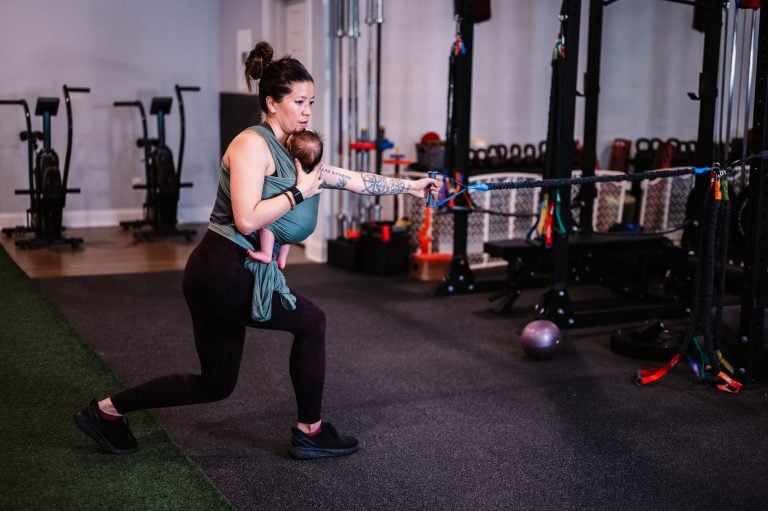
Prioritize Integrated Core Movements: Instead of relying solely on isolated exercises, blend core activation into functional movements like squats, lunges, and even everyday activities.
Progressively Load the Core: Don’t shy away from lifting weights when you’re ready—challenging your muscles is key to regaining strength and density.
Stay Informed: Understand that diastasis recti is a common, natural phenomenon and not a “failure” on your part. If ever in doubt, consulting a physical therapist who takes an integrative approach can provide personalized guidance.
Final Thoughts
By understanding the physiological changes during pregnancy, embracing the body’s natural asymmetries, and focusing on functional recovery, you can transform your core journey into one of strength, resilience, and self-compassion.
Remember, your body’s post-birth journey is unique, and every small, mindful adjustment you make is a step toward lasting well-being. If you need a good place to start your core rehab, check out our Postpartum Core Workout Series, designed to help you reconnect with your core and pelvic floor. For further insights on integrative core work and other empowering strategies, consider exploring the MamasteFit fitness programs and connecting with experts like Hayley Kava on Instagram.
 App program · 16 weeks
After C-Section Recovery Workout
Sixteen weeks of cesarean-specific rebuilding with scar mobilization included — developed with physical therapist and two-time c-section mom Casey.
Learn more
Membership · ongoing
Beyond Postpartum Strength Training
An ongoing subscription with a new training cycle every 6 to 10 weeks — strength endurance, max strength, then power, with deload weeks and running add-ons.
Learn more
App program · 16 weeks
After C-Section Recovery Workout
Sixteen weeks of cesarean-specific rebuilding with scar mobilization included — developed with physical therapist and two-time c-section mom Casey.
Learn more
Membership · ongoing
Beyond Postpartum Strength Training
An ongoing subscription with a new training cycle every 6 to 10 weeks — strength endurance, max strength, then power, with deload weeks and running add-ons.
Learn more
 App program
Train for a Marathon After Baby
Progressive run workouts and strength training from 5K to the marathon finish — long runs, tempo work, easy miles, and a weekly pelvic stability session.
Learn more
App program
Train for a Marathon After Baby
Progressive run workouts and strength training from 5K to the marathon finish — long runs, tempo work, easy miles, and a weekly pelvic stability session.
Learn more