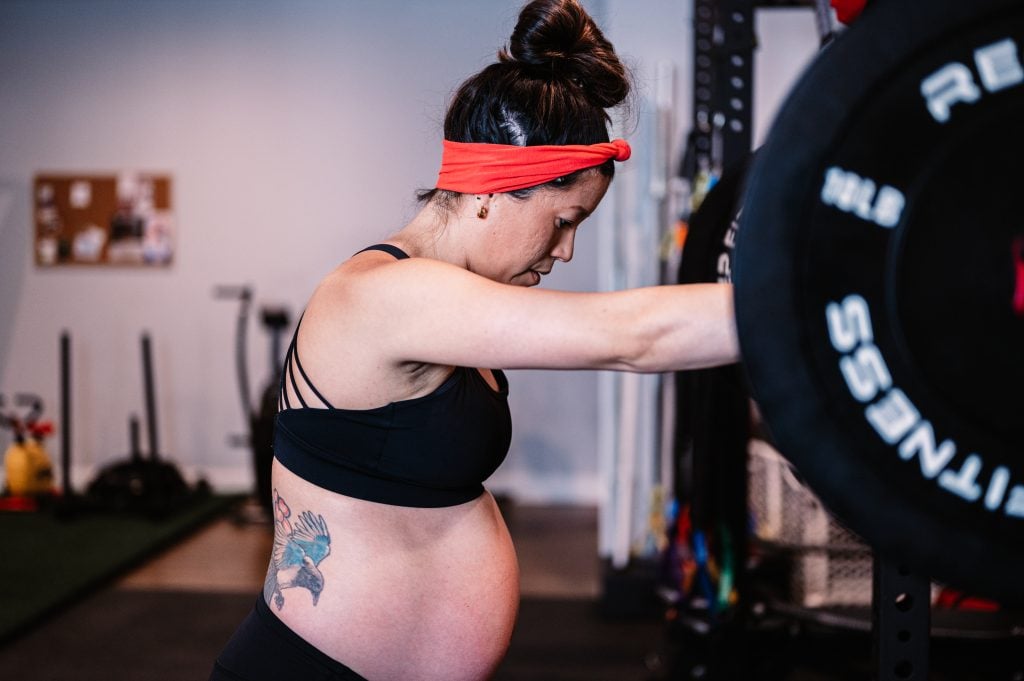
TRAINING FOR TWO

Move Confidently in Pregnancy!

NEW COURSE! ‎ ‎ ‎ ‎ ‎‎ ‎ ‎ ‎ ‎ ‎ ‎ ‎ ◆ ‎ ‎ ‎ ‎ ‎‎ ‎ ‎ ‎ ‎ ‎ ‎ ‎ Pelvic Biomechanics ‎ ‎ ‎ ‎ ‎‎ ‎ ‎ ‎ ‎ ‎ ‎ ‎ ◆ ‎ ‎ ‎ ‎ ‎‎ ‎ ‎ ‎ ‎ ‎ ‎ ‎ for Pregnancy and Birth. ‎ ‎ ‎ ‎ ‎‎ ‎ ‎ ‎ ‎ ‎ ‎ ‎ ◆ ‎ ‎ ‎ ‎ ‎‎ ‎ ‎ ‎ ‎ ‎ ‎ ‎ NEW COURSE! ‎ ‎ ‎ ‎ ‎‎ ‎ ‎ ‎ ‎ ‎ ‎ ‎ ◆ ‎ ‎ ‎ ‎ ‎‎ ‎ ‎ ‎ ‎ ‎ ‎ ‎ Pelvic Biomechanics ‎ ‎ ‎ ‎ ‎‎ ‎ ‎ ‎ ‎ ‎ ‎ ‎ ◆ ‎ ‎ ‎ ‎ ‎‎ ‎ ‎ ‎ ‎ ‎ ‎ ‎ for Pregnancy and Birth. ‎ ‎ ‎ ‎ ‎‎ ‎ ‎ ‎ ‎ ‎ ‎ ‎ ◆ ‎ ‎ ‎ ‎ ‎‎ ‎ ‎ ‎ ‎ ‎ ‎ ‎ NEW COURSE! ‎ ‎ ‎ ‎ ‎‎ ‎ ‎ ‎ ‎ ‎ ‎ ‎ ◆ ‎ ‎ ‎ ‎ ‎‎ ‎ ‎ ‎ ‎ ‎ ‎ ‎ Pelvic Biomechanics ‎ ‎ ‎ ‎ ‎‎ ‎ ‎ ‎ ‎ ‎ ‎ ‎ ◆ ‎ ‎ ‎ ‎ ‎‎ ‎ ‎ ‎ ‎ ‎ ‎ ‎ for Pregnancy and Birth. ‎ ‎ ‎ ‎ ‎‎ ‎ ‎ ‎ ‎ ‎ ‎ ‎ ‎◆ ‎ ‎ ‎ ‎ ‎‎ ‎ ‎ ‎ ‎ ‎ ‎ ‎
Written by

Gina Conley, MS

Understanding SI Joint Pain in Pregnancy: A Holistic Approach with Hayley Kava

Pelvic pain during pregnancy is often brushed off as “just part of the process”—but it doesn’t have to be. In Episode 119 of the MamasteFit Podcast, I had the opportunity to sit down with our in-house pelvic floor physical therapist, Hayley Kava, to dive deep into SI (sacroiliac) joint pain, its causes, and how we can treat it through movement, awareness, and intentional support.

Subscribe to our YouTube Channel for more weekly workouts and educational videos!  We publish one new workout video and 2-3 educational videos a week on our channel.

What Is the SI Joint and Why Does It Matter?

The sacroiliac joint (SIJ) is the connection between your sacrum (the triangular bone at the base of your spine) and your ilium (the large pelvic bones on either side). Though it’s a small joint, the SIJ plays a big role in load transfer between the upper and lower body, especially when walking, running, or even just standing.


During pregnancy, this area becomes a prime source of discomfort due to changes in posture, gait, and muscular imbalances. But rather than chalking up pain to “just a symptom of pregnancy,” Hayley walks us through how we can move better to feel better.

How the Pelvis Should Move

Hayley emphasizes that while our pelvis is incredibly strong and stable, it’s also built to move—just subtly. When we walk, our pelvis shifts and rotates to transfer weight from one side of the body to the other. If this load transfer is disrupted—due to muscle imbalances, poor posture, or lack of thoracic mobility—it can lead to pain, particularly in the SI joint.

Right vs. Left SI Joint Pain: What’s the Difference?

One of the most fascinating insights from our conversation is the distinction between right and left SI joint pain:

  • Right SI Joint Pain: Often a result of being “stuck” in a right stance phase. The body struggles to transfer weight to the left side, leading to overload on the right.

  • Left SI Joint Pain: Typically due to difficulty transitioning the left side from a swing phase to a stance phase, leaving the left SI joint vulnerable during weight transfer.

Our bodies naturally favor the right side due to anatomical asymmetries—our liver, diaphragm, and lung are larger on the right, and this affects how we load our pelvis. Learning to shift weight more effectively to the left can be key in resolving right-sided pain.

Movement Is Medicine: Rebalancing the Body

When it comes to treating SI joint pain, the approach isn’t just about stretching or strengthening—it’s about retraining how we move. Here are some of Hayley’s top strategies:

  • Strengthening Muscle Imbalances: For me, strengthening the quads and glutes on the right, and hamstrings and adductors on the left, helped realign my pelvis.

  • Hip Shifts: Practicing hip shifts toward the left helped me exit the stuck right stance phase.

  • Thoracic Rotation: Ribcage and upper body mobility are essential. When our upper body is stuck, it influences the pelvis. Adding rows or movements that encourage right shoulder retraction can aid in pelvic rotation.

  • Footwear Matters: Supportive shoes with a solid heel counter and proper toe flexion can create a stable base. Barefoot may not always be best—especially on concrete surfaces.

Tools and Support: Belly Bands, Not Belts

SI joint belts are commonly recommended, but Hayley and I both prefer belly bands that support the abdomen and encourage better stacking (ribcage over pelvis). These help you maintain posture and reduce discomfort without limiting movement. One of my personal favorites is the LoveSteady Belly Support Band. Be sure to use code MAMASTEFIT for 15% off!

The Role of PT—and Red Flags to Watch For

Seeing a pelvic floor PT during pregnancy can be a game-changer—but not all PTs are created equal. If your treatment consists solely of passive modalities (like dry needling or massages) or exercises that restrict movement (like endless clamshells), it might be time to seek a second opinion.

A quality PT will:

  • Understand movement patterns and pelvic mechanics.

  • Incorporate exercises that help you shift weight and improve gait.

  • Provide tools that empower you to move pain-free.

My Experience: SI Joint Pain in All Four Pregnancies

In my first pregnancy, I was told, “Just wait until you give birth—it’ll go away.” But five months is a long time to suffer. It wasn’t until I found professionals who understood movement that I truly experienced relief.

With each subsequent pregnancy, Hayley’s guidance helped me stay pain-free through simple but targeted exercises. Even postpartum, as I returned to running, I focused on improving thoracic movement and weight transfer to keep discomfort at bay.

Empowering Yourself Through Movement

One of Hayley’s most valuable takeaways is that pain is not a requirement of pregnancy. You can and should feel strong, stable, and comfortable. Movement should feel good. Small tweaks—like adjusting your ribcage, reaching differently with your arms, or shifting your hips—can make a big difference.

Don’t be afraid to explore how movement feels in your own body. Record yourself walking, watch your “headlights” (hip bones) in a mirror, and play with variations until something clicks. You’ll know when it feels right.

Final Thoughts

Whether you’re currently experiencing SI joint pain or trying to prevent it as your pregnancy progresses, know that relief is possible—and often faster than you think. One or two sessions with a skilled PT, combined with intentional movement and awareness, can help you feel more aligned, strong, and pain-free.

And if you’re looking for support through your pregnancy fitness journey, check out our Prenatal Fitness Programs. Our workouts are designed to support pelvic stability, improve movement patterns, and help you feel confident throughout pregnancy and beyond. Use code STORY10 for 10% off, or bundle with our Childbirth Education Course for even more savings.

Let’s reclaim comfort during pregnancy—because pain is not a prerequisite.

Additional Resources

Prenatal Support Courses