



Welcome to the MamasteFit blog! Today, Leah Levitan, a certified lymphatic therapist from Austin, Texas, shares expert advice on using lymphatic massage and drainage to aid recovery after a C-section. Get practical tips on how and when to start lymphatic massage, techniques for handling scar tissue, and ways to manage swelling and pain. Leah also discusses the benefits of self-care postpartum and provides guidance on finding qualified lymphatic therapists. Don’t miss her insights into gentle techniques and essential tips for postpartum healing!
Why is Lymphatic Drainage Important After a C-Section?
After a C-section, the focus is often on caring for the baby, with the new mother’s recovery taking a backseat. Many new moms are sent home with minimal advice on how to recover, but Leah emphasizes the importance of focusing on healing, especially the scar and surrounding tissues. Lymphatic drainage plays a crucial role in speeding up wound healing, reducing swelling, and offering natural pain relief.
The lymphatic system is an essential part of our immune system, helping to detoxify the body, remove excess fluid, and accelerate tissue repair. Lymphatic drainage is especially beneficial post-surgery, as it helps reduce the fluid accumulation and swelling that can occur in the body. For a C-section recovery, it’s particularly important to target the scar tissue and promote circulation and healing in the affected area.
Scar Tissue and Fascia Mobilization
When we talk about C-section recovery, it’s not just about the incision healing. The fascia—the connective tissue surrounding muscles and organs—can become tight and restrictive, leading to long-term discomfort, such as hip or back pain. Leah explains that gentle lymphatic drainage can help keep scar tissue soft and malleable, preventing the formation of dense, painful tissue.
It’s also important to note that lymphatic drainage doesn’t just work on the visible scar; it also targets the tissues around the pelvic area. As Leah mentions, “Fascia is like a spider web,” and mobilizing this tissue early on can prevent discomfort in the lower back and hips, which many new moms experience.
When Should You Start Lymphatic Drainage After a C-Section?
Many people are surprised to learn that lymphatic drainage can begin as early as three days post-surgery. Leah often works with clients just days after their C-sections, especially in the critical inflammatory phase when lymphatic drainage can make the most difference. Starting early helps promote the natural healing process – easing swelling, reducing inflammation, and offering pain relief.
However, Leah advises that while lymphatic drainage can begin quickly, it’s important to be gentle, especially around the incision area. Typically, you’ll want to avoid direct pressure on the incision until around six to twelve weeks postpartum.
Self-Lymphatic Drainage Techniques
So, how can you perform lymphatic drainage at home? Leah recommends starting with light, gentle techniques to help move lymph fluid toward the body’s natural drainage points. The key is to use the hands in a light, rhythmic motion to stimulate the lymphatic system.
One of the most effective techniques is to gently massage the area around the C-section scar using small circular motions or “pumping” movements. These should be done with very light pressure, working on the skin rather than deep into the muscles. You want to avoid using harsh pressure on the scar in the early stages of healing.
Leah also highlights the importance of working from the center of the body outward. For example, below the belly button, gentle massage can encourage fluid to drain to the inguinal lymph nodes in the hip area. Above the incision, massaging around the scar and moving fluid downward is recommended.
Begin Your Healing Journey After A C-Section Birth!
- 3 Hours of On-Demand Videos
- C-Section Scar Mobilization Webinar
- 16-Week Fitness Program: 4 Workouts Per Week
- Lifetime Access of Program
Tools vs. Hands: What Should You Use?
In the early stages of recovery, Leah suggests using only your hands for lymphatic massage. While some tools, like dry brushes or stones, can be helpful later on, it’s best to rely on your hands to maintain the gentleness required for early healing.
Once you’re further along in recovery (around week 3 or 4), you can start using healing ointments like Medihoney and incorporate gentle manipulation of the scar tissue to help prevent stiffness.
How Often Should You Practice Lymphatic Massage?
For those recovering at home, Leah suggests doing lymphatic drainage one to three times a week. These sessions don’t have to take long—about 15 to 20 minutes is usually sufficient. You can even multitask by practicing these techniques while you’re relaxing, breastfeeding, or watching TV.
When Should You See a Professional Lymphatic Therapist?
While self-care is incredibly beneficial, working with a professional lymphatic therapist can provide even greater support, especially if you’re experiencing significant swelling or discomfort. Leah encourages people who are able to see a certified lymphatic therapist, particularly those who have been trained in clinical lymphatic drainage methods, such as the Vodder or Chikly techniques. These therapists have specialized training in helping with recovery from surgery and trauma.
If you’re in Austin, Leah is available for in-person sessions, but if you’re elsewhere, you can find certified therapists through online directories. Many schools that teach clinical lymphatic drainage, like Vodder and Chikly, maintain directories of certified therapists.
Conclusion: Supporting Your Recovery at Home
Postpartum recovery, especially after a C-section, can be overwhelming, but focusing on self-care and taking steps to support your body can make a big difference. Lymphatic drainage is a gentle, effective way to reduce swelling, promote healing, and ease pain, all while nurturing your body as it recovers from surgery.
If you’re looking to dive deeper into lymphatic care and pelvic health, Leah offers an in-depth course on pelvic pain, which includes detailed techniques for self-massage and lymphatic drainage. This course is a fantastic resource for those seeking to support their recovery in a safe, gentle way.
Be sure to check out the resources linked in the notes below, and remember, taking care of your lymphatic system is a crucial part of healing, whether at home or with professional support.
Additional Resources
Follow Leah and Learn More!
IG: @lymphloveclub
TikTok: @lymphloveclub
Youtube: @lymphloveclub
Website: https://www.lymphloveclub.com/
In person services (Austin Texas): https://www.alignmassagecompany.com/
Prenatal Support Courses
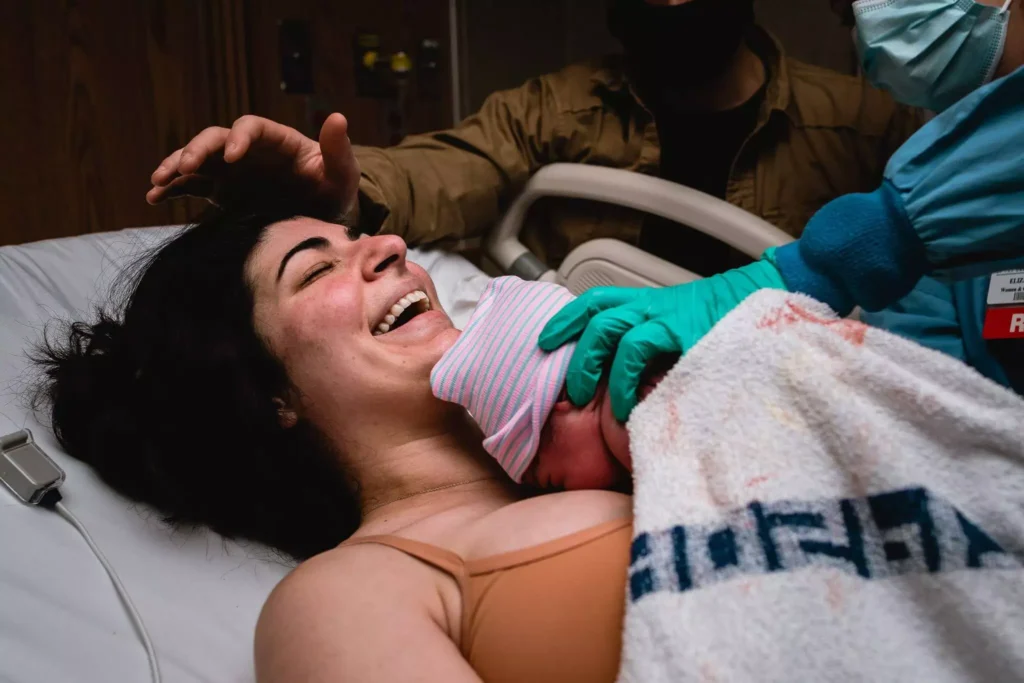

Learn the science of pregnancy and birth to take the mystery of labor away! Understand why you are feeling what you feel, and learn strategies to confidently move through pregnancy and birth!
- 9h+ of Video
- Support Group
- Close Captioning
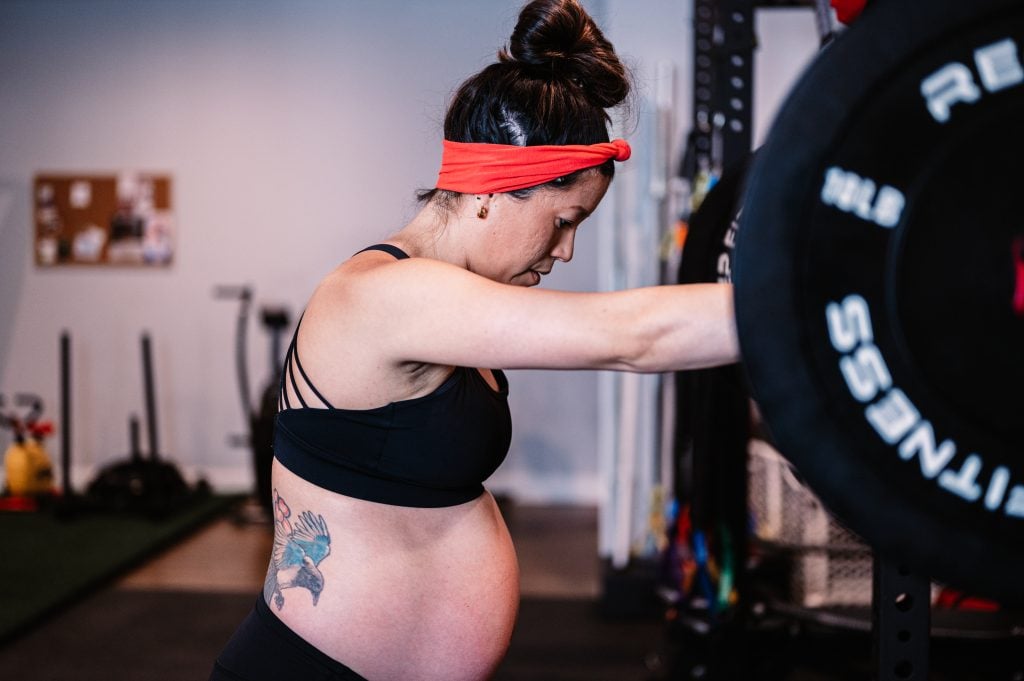

- 5 Workouts/Week
- Gym Workouts
- Self-Paced

Instructor
GINA
Workout on-demand with our prenatal fitness workout videos! Each workout is 30-40 minutes to follow along as you exercise at the same time!
- Birth Prep
- All Trimesters
- Mobility Work

Instructor
GINA
Find comfort and relief from pelvic girdle pain throughout your pregnancy and postpartum period! This program incorporates myofascial sling focused exercises to stabilize across the pelvic girdle joints.
- 3 Weeks
- On Demand Workout Videos to Follow