Breast milk Changes the First Week Postpartum: You Already Have Milk!

When baby is born, or even before baby is born, you already have some incredibly nutrient dense milk! Your baby’s belly is really tiny at birth, so they don’t need a large volume of milk the first few days.
Thriving Early Postpartum: 3 Tips for the Early Days

The first few weeks postpartum can be the most challenging as we physically heal from pregnancy and birth, plus taking care of a newborn baby, and also all the emotions involved with the entire journey! Here are some tips to navigate the early days.
Pressure Management: What is it?
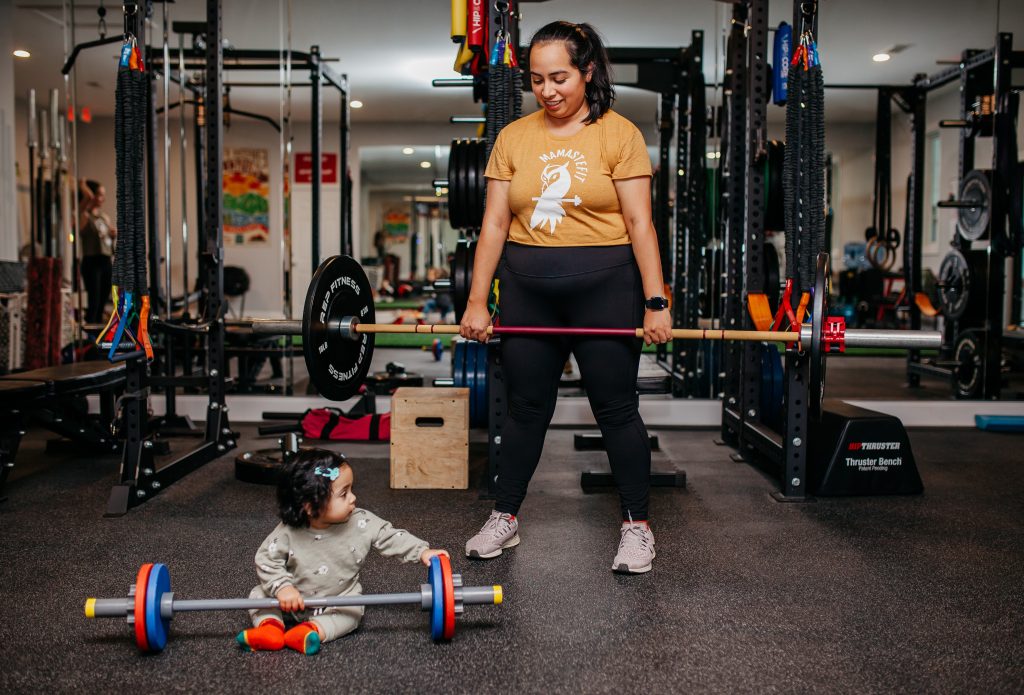
Our core manages the pressure within the abdominal cavity to stabilize the spine and for functional movement. Pressure management can either support your healing or hinder it! Learn what it is and how to manage it to strengthen your core.
Best Laboring Positions for Birth
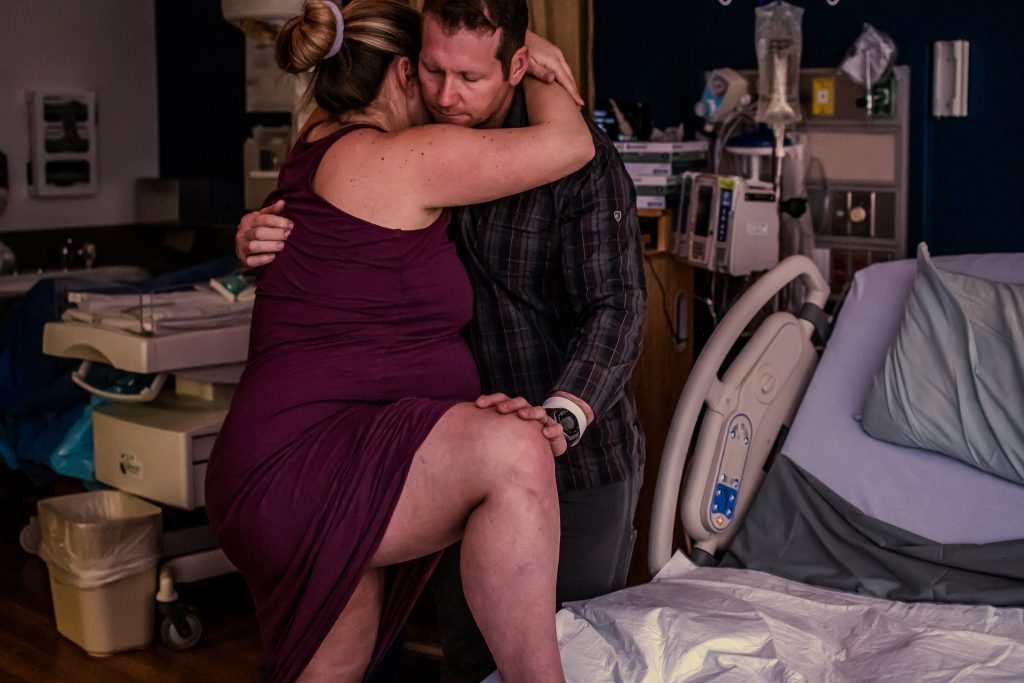
Ever wonder what the best position is for labor? There is no one best position! We want to create more space in the pelvis based on where baby is within the pelvis. The more optimal position will actually change as labor progresses and baby descends through the pelvis! Read this blog to learn what type of movement patterns will open each pelvic level!
4 Ways for Your Birth Partner to Support You During Labor

How can your partner support you during labor? There are a number of ways that your partner can enhance your experience! This blog breaks down some ways your partner can be an active member of your birth team!
3 Positions So You Can Reach for Perineal Massage

Perineal massage starting at 36 weeks can decrease the risk of tearing during a vaginal birth. This blog breaks down different positions and tips to approaching perineal massage during pregnancy.
4 Reasons to Get The Epidural: A Labor Tool

An epidural is a pain relief option available to you in a hospital setting for birth. Not everyone who wants, or needs an epidural, but it can be a helpful tool that is available to you to support your labor. Read this blog to learn more about the epidural.
Do You Have Prolapse Early Postpartum? Maybe not!
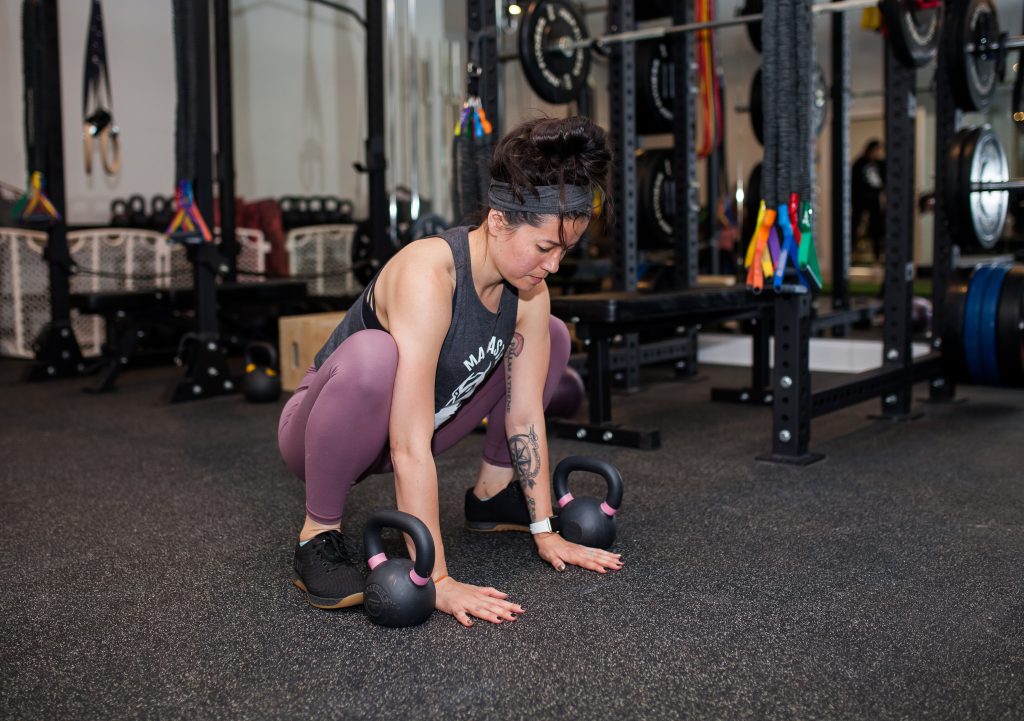
Feeling heaviness in the pelvic floor early postpartum? This may be a sign of prolapse, what is more commonly a sign of pelvic floor tension. Read the blog post to learn subtype needs to relax the pelvic floor and went to seek out a pelvic floor PT!
3 Best Prenatal Exercises to Prepare for Birth: Squats, Lunges, and Deadlifts

Exercising throughout pregnancy can help make a labor faster, Improve birth outcomes, and decrease the risk of developing a prenatal complication. But, we could also use prenatal exercise as an opportunity to prepare for laboring positions. Read this blog post on different movements that you should incorporate into your workouts to help you prepare for labor.