



Table of Contents
If you’ve ever thought “This hurts, help!” during pregnancy or postpartum, you’re not alone. Tailbone pain, pelvic pain, back aches, prolapse symptoms, and leaking are some of the most common complaints I hear from moms every single week.
The good news? Pain isn’t something you just have to accept. Whether you’re looking for pregnancy back pain relief or answers for pelvic and tailbone pain, there’s a life-changing concept that can completely shift how you manage pain and start feeling better:
We all have normal asymmetry in our bodies.
Once you understand this, you can connect the dots between your symptoms and your posture—and learn how to actually fix what hurts.
What Causes Back and Pelvic Pain in Pregnancy and Postpartum?
Pregnancy brings big changes: shifting hormones, loosening joints, and a growing belly that changes your center of gravity. Postpartum, your body is recovering while also managing the physical demands of caring for a newborn.
Add to that our body’s normal asymmetry—the fact that we’re not perfectly balanced left to right—and it’s no surprise pain shows up in places like the tailbone, pelvis, and lower back.
Understanding asymmetry is the missing piece to managing pain and preventing symptoms from coming back.
The Life-Changing Concept: Normal Body Asymmetry
Our bodies aren’t perfectly even—and that’s normal. But when we get “stuck” in one position for too long, that imbalance creates uneven tension and pressure.
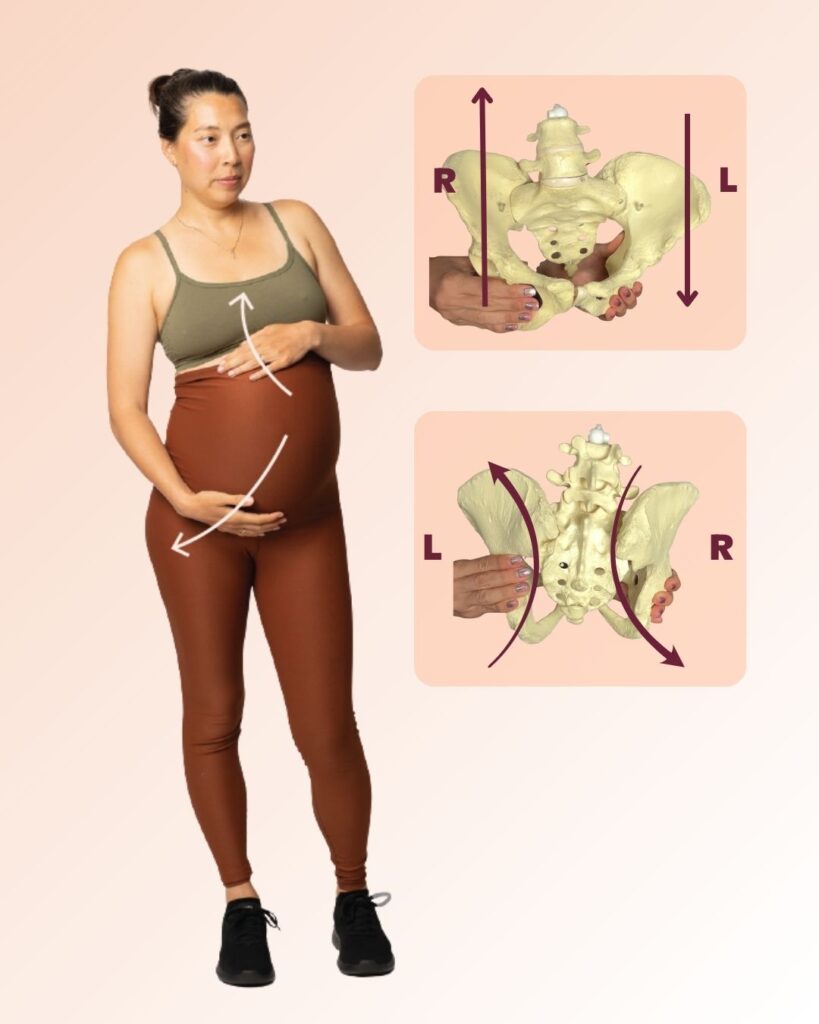
Most of us live in a common postural pattern called left AIC:
- We put more weight on the right leg (because the right diaphragm is larger and our organs are denser on that side).
- This makes the right pelvis rotate back, tuck under, and move into internal rotation (a closed hip) with adduction.
- The left pelvis tips forward, rotates outward, and shifts away from the midline (an open hip).
This pattern isn’t a problem by itself—but when tension builds unevenly, it can create pain in the tailbone, pelvis, back, or pelvic floor.
This is exactly why we created our newly updated Birth Prep Circuit Guide. Inside, we break down how to release the pelvic floor, improve hip and pelvic mobility, and create more space for baby. It’s the foundation we recommend to every single client—whether you’re pregnant, preparing for birth, or navigating postpartum recovery.
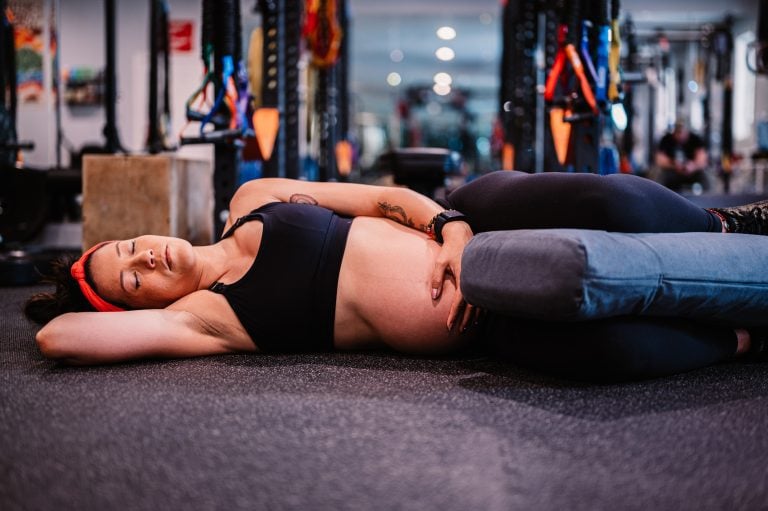 On-demand video · 30 workouts
Core, Pelvic Floor & Pelvic Stability
Thirty follow-along workouts across beginner, novice, and advanced levels, ten per level — core and pelvic floor strength for pain relief in pregnancy or postpartum.
Learn more
On-demand video · 30 workouts
Core, Pelvic Floor & Pelvic Stability
Thirty follow-along workouts across beginner, novice, and advanced levels, ten per level — core and pelvic floor strength for pain relief in pregnancy or postpartum.
Learn more
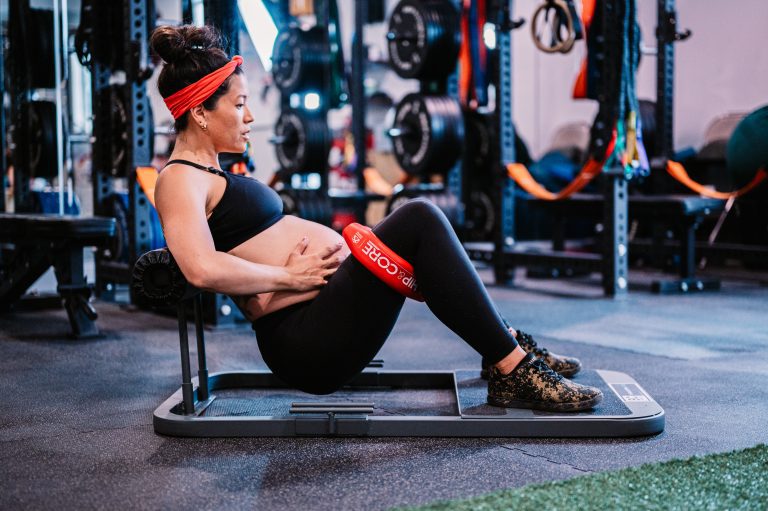 Bundle · lifetime access
MamasteFit Bundles
Combine courses and programs for lifetime access and save up to 15% — grouped for birth preparation, the third trimester, or the whole pre and postnatal journey.
Learn more
Bundle · lifetime access
MamasteFit Bundles
Combine courses and programs for lifetime access and save up to 15% — grouped for birth preparation, the third trimester, or the whole pre and postnatal journey.
Learn more
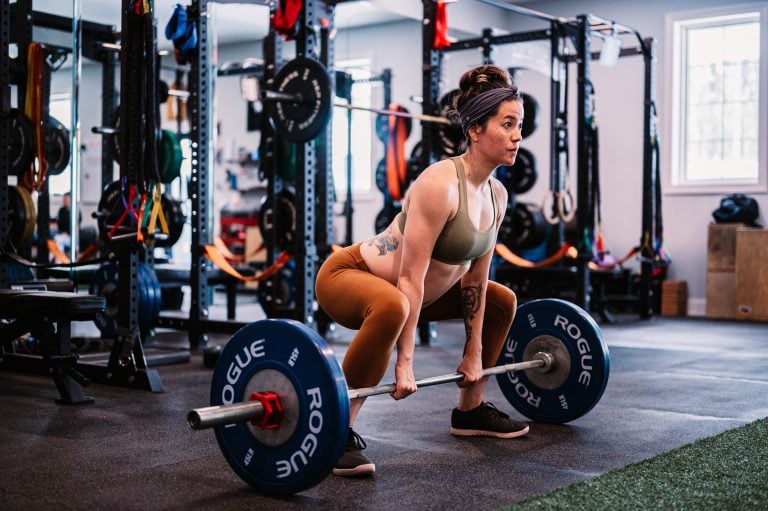 App program · 40 weeks
Prenatal Strength Training
A gym-based program that syncs to your current week of pregnancy — four strength sessions plus one pelvic stability workout a week, with demo videos for every exercise.
Learn more
App program · 40 weeks
Prenatal Strength Training
A gym-based program that syncs to your current week of pregnancy — four strength sessions plus one pelvic stability workout a week, with demo videos for every exercise.
Learn more
How Asymmetry Leads to Pain
When you’re pregnant or postpartum, your body is already adapting. Add being “stuck” in asymmetry, and it can overload certain muscles and joints. That’s why pain relief isn’t just about stretching or doing Kegels—it’s about restoring pelvic mobility and balance.
Here’s how it shows up in the most common pain points:
Tailbone Pain Relief
Tailbone pain is one of the most common complaints I hear (a literal pain in the @#*).
The tailbone (coccyx) is connected to the sacrum by a joint, which means it can move. When one side of the pelvic floor is tighter than the other, it can pull the tailbone off-center—creating sharp or nagging pain, especially when sitting, standing, or rolling over.
What helps:
- Releasing the posterior pelvic floor
- Restoring even hip load
- Practicing sit-to-stand with breath
Pelvic Pain: SPD and SI Joint
Pelvic pain can make even simple movements miserable—walking, rolling in bed, or putting on pants. It usually shows up in two ways:
- SPD (Symphysis Pubis Dysfunction): pain at the front of the pelvis.
- SI Joint Pain: pain in the back of the pelvis, often on one side.
Both are linked to asymmetry—when one half of the pelvis is “stuck” and bearing too much load.
What helps:
- Hip shifts and pelvic mobility
- Mobility drills to balance right and left sides
- Strengthening exercises to correct imbalance
- Myofascial sling exercises to improve coordination
Left SI joint pain could be that you struggle to shift your weight into the left hip. This decreased mobility is causing you to stance (put weight) into your left leg without it moving into a closed hip position (how our hip stabilizes). This change in the distribution of force can cause pain! In this video, I guide you through a few different hip shifts to help you move into your left hip!
If you have more right SI joint pain, it could be that you over favor your right leg. This may sound the same as the previous one, but in this instance, you may be able to shift well into your left leg, BUT you barely spend time over there. This can result in the right side fatiguing, and this fatigue causes pain.
But if you have pain towards the front of the pelvis, known as SPD, this can also be due to that same asymmetry but the shearing is more toward the front of the pelvis than the back! Here is a video with some tips to overcome SPD!
We even have a workout program designed specifically for pelvic pain relief! This program is perfect if you’re struggling with SPD or SI joint pain—but it’s also a great option if you simply want extra accessory work to support your core, pelvic floor, and pelvic stability throughout pregnancy and postpartum.
Lower Back Pain Relief in Pregnancy and Postpartum
Lower back pain is another extremely common complaint during pregnancy and postpartum. One of the biggest reasons it shows up? Lack of movement.
When you’re always in the same position, the spine and pelvis don’t get the mobility they need. The solution isn’t about finding “perfect posture”—it’s about restoring movement variety.
If you can move in and out of different positions more easily, your lower back pain will often improve significantly.
What helps:
- Back expansion breathing to balance extension and create space through the ribs
- Pelvic tilts to gently mobilize the spine
- Hip shifts to improve pelvic mobility
Remember: your best posture is your next one.
Final Thoughts on Managing Pregnancy and Postpartum Pain
Pain doesn’t mean you’re broken—it’s simply a signal your body needs something different. By understanding the life-changing concept of normal asymmetry, you can finally see why pain happens and take real steps toward relief.
And you don’t have to figure it out alone.
Our Prenatal and Postpartum Fitness Programs were designed with one goal: to help you feel strong, confident, and pain-free in every stage of motherhood.
Here’s why people love our programs:
- They’re realistic and effective—built for busy moms who don’t have hours to spend in the gym.
- They’re evidence-based and birth-worker approved—developed by a doula, trainer, and labor nurse team.
- They’re actually enjoyable—with workouts that fit your life and help you feel better right away.
- They offer lifetime access, so you can come back during future pregnancies or postpartum recoveries.
- They work—clients share how they had shorter labors, easier recoveries, less pain, and the ability to keep up with their kids again.
That’s why women recommend MamasteFit to their friends, doulas, and care providers—it’s more than a workout plan, it’s a toolkit for motherhood.
👉 Join our Prenatal and Postpartum Fitness Programs today and start moving pain-free with confidence. You deserve to feel good in your body again.
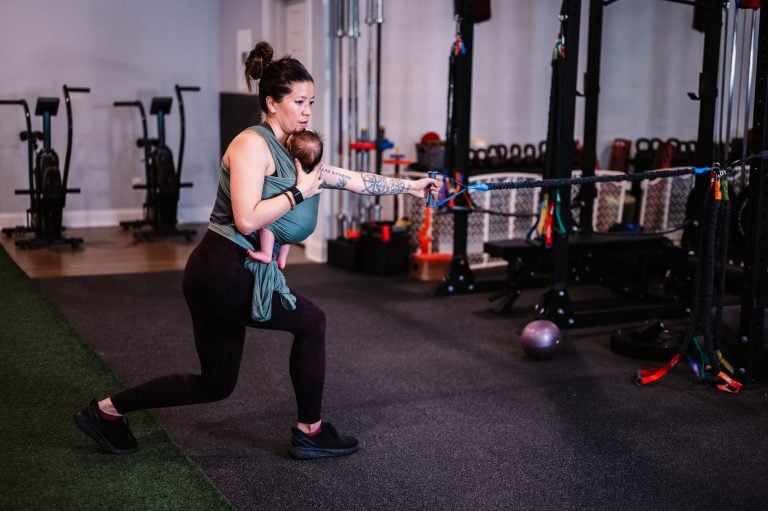 App program · 16 weeks
Postpartum Return to Fitness
Sixteen weeks of rebuilding, four strength sessions a week, with a vaginal or cesarean recovery track and follow-along videos for the first six weeks.
Learn more
App program · 16 weeks
Postpartum Return to Fitness
Sixteen weeks of rebuilding, four strength sessions a week, with a vaginal or cesarean recovery track and follow-along videos for the first six weeks.
Learn more
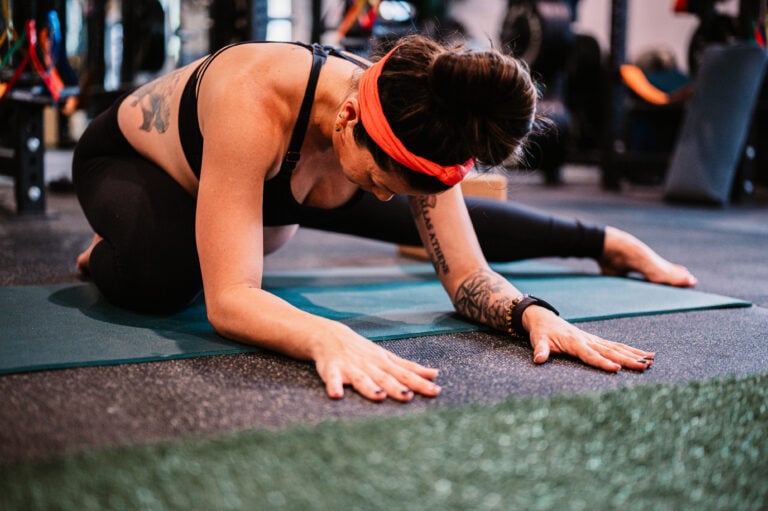 Video course · 7 modules
Prepare Your Pelvic Floor For Birth
Seven modules on releasing the pelvic floor rather than only strengthening it — breathing drills, thoracic and pelvic mobility, and how to relax it during labor.
Learn more
Video course · 7 modules
Prepare Your Pelvic Floor For Birth
Seven modules on releasing the pelvic floor rather than only strengthening it — breathing drills, thoracic and pelvic mobility, and how to relax it during labor.
Learn more
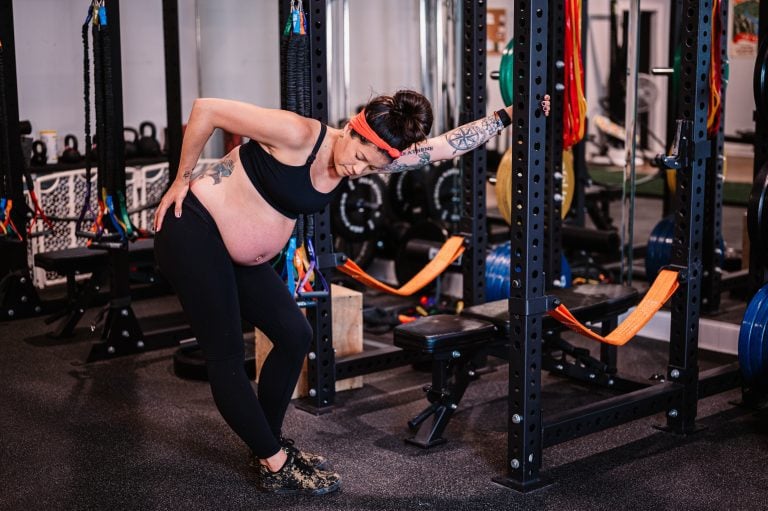 On-demand video · 128 workouts
Prenatal Workout On-Demand
Follow-along workouts from week 5 to week 41, four or five a week with guided warm-ups and cool-downs — over 128 sessions coached in real time alongside the video.
Learn more
On-demand video · 128 workouts
Prenatal Workout On-Demand
Follow-along workouts from week 5 to week 41, four or five a week with guided warm-ups and cool-downs — over 128 sessions coached in real time alongside the video.
Learn more