Navigating Fitness After a Pregnancy Loss: Tips from a Mom and Trainer
Fitness, Motherhood
The journey of motherhood is often filled with highs and lows, and for many women, the path may include pregnancy loss. As a perinatal fitness trainer, birth doula, and mother of four, I have personal experience navigating the complexities of fitness after losing a pregnancy. Having experienced two pregnancy losses between my first and second child, I understand the emotional and physical challenges that can arise when re-engaging with fitness during and after such a profound experience. In this post, I’ll share my insights on how to approach fitness after a loss and how to navigate fitness during a subsequent pregnancy.
Subscribe to our YouTube Channelfor more weekly workouts and educational videos! We publish one new workout video and 2-3 educational videos a week on our channel.
Understanding Pregnancy Loss
First, it’s essential to acknowledge that pregnancy loss is a heartbreaking experience that many women go through; statistics show that about one in four pregnancies ends in loss. If you’ve experienced this, know that you are not alone. It’s also important to understand that a miscarriage is not caused by anything you did or didn’t do. Engaging in exercise does not cause a miscarriage, and numerous studies support this.
Fitness After a Pregnancy Loss
When it comes to resuming fitness after a loss, timing and emotional readiness are crucial. For most women who experience a miscarriage in the first trimester, you can typically return to your normal workouts once your bleeding stops and you feel emotionally prepared. It’s not mandatory to engage in a postpartum recovery program unless you feel it would benefit you. Instead, listen to your body and do what feels right for you.
Immediate Return: If you had a miscarriage early on, returning to your pre-pregnancy fitness routine can often be a natural and empowering choice. The key is to pay attention to your emotional state. If exercise helps uplift your mood and improve your mental health, I encourage you to resume your previous activities gradually.
Consider Recovery Needs: If your loss occurred later in the pregnancy, particularly in the second or third trimester, your body may need more time to heal. In such cases, it might be beneficial to engage in a more intentional recovery program that emphasizes slow and steady progression. Your body has gone through significant changes and a more gradual approach can be helpful.
Seek Emotional Support: The emotional toll of a pregnancy loss can be profound. I recommend working with a mental health specialist who can provide the support you need as you navigate your feelings and any associated anxiety about future pregnancies.
Navigating Fitness in Subsequent Pregnancies
When facing a subsequent pregnancy after loss, feelings of fear and anxiety are common. It’s important to remember that these feelings are valid and shared by many. Here are some strategies to help you approach fitness during a subsequent pregnancy:
Communicate with Your Provider: Having open and honest discussions with your healthcare provider about your pregnancy and any concerns you have can be incredibly beneficial. I found that regular ultrasounds and blood tests in my subsequent pregnancies helped ease my anxiety. Knowing that my HCG levels were rising and that everything was progressing well made a significant difference in how I felt.
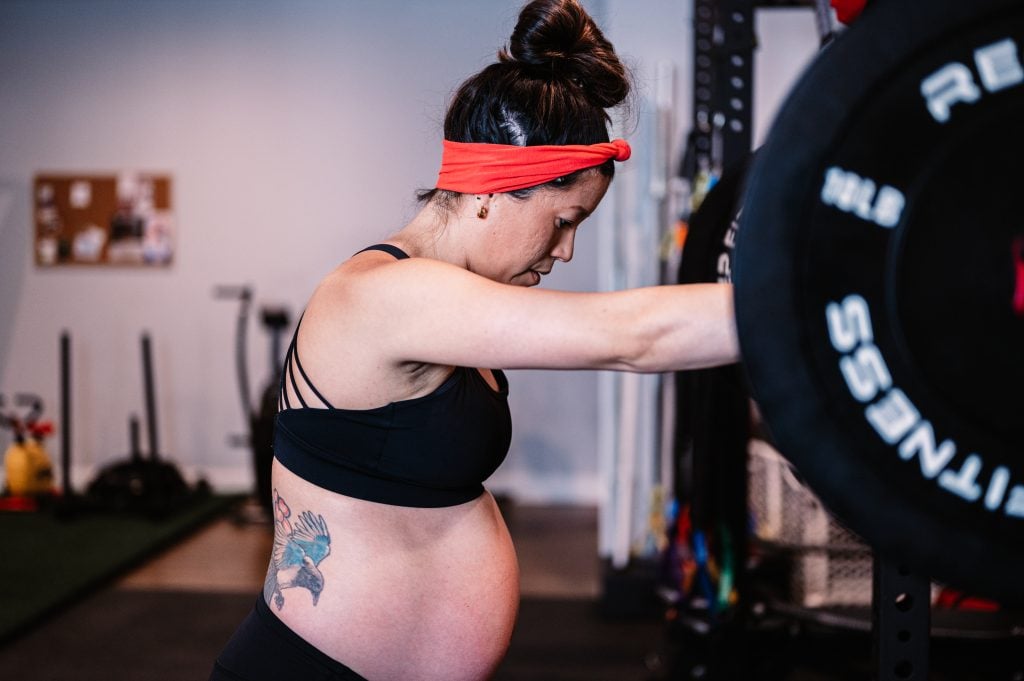
Exercise with Confidence: As you progress through your subsequent pregnancy, remember that exercising does not pose a risk of miscarriage. If you feel up to it, engaging in a fitness routine can actually enhance your well-being. Focus on what feels good for your body, whether that means continuing high-intensity workouts or adopting gentler movements like prenatal yoga.
Mind Your Emotions: It’s completely normal to feel anxious about exercising after a loss. Tune into your emotions and recognize when it may be beneficial to adjust your routine or seek support. Remember, mental and emotional well-being is just as important as physical fitness.
I’d like to share a bit about my personal experiences with pregnancy loss and how they influenced my approach to fitness. After my first miscarriage at around 11 weeks, I felt emotionally drained, and although I was physically ready to return to exercise, I chose to take my time. My body had the capacity to lift and run, but my mental state required more gentle consideration.
After my second miscarriage, which happened at about five weeks, the emotional impact was less pronounced. Since I had only recently discovered I was pregnant, returning to fitness felt more accessible and less daunting. I resumed my regular workouts as there hadn’t been significant changes in my body during that short pregnancy.
Conclusion
Navigating fitness after pregnancy loss and during subsequent pregnancies can be a complex journey, but it is one that you don’t have to face alone. As someone who has personally experienced the highs and lows of motherhood, I understand the unique challenges that arise during this time.
Remember, you are not alone in your feelings, and your experiences are valid. Embrace the journey ahead with patience and self-compassion. If you feel ready to resume fitness, trust your body, listen to your emotions, and consider seeking the support of mental health professionals when needed. You have the strength to navigate this journey, and there is a community here to support you every step of the way!
Learn the science of pregnancy and birth to take the mystery of labor away! Understand why you are feeling what you feel, and learn strategies to confidently move through pregnancy and birth!
Find comfort and relief from pelvic girdle pain throughout your pregnancy and postpartum period! This program incorporates myofascial sling focused exercises to stabilize across the pelvic girdle joints.