



Table of Contents
Labor is an active process, and the positions you assume can significantly impact the progression of birth. Understanding how to move and adjust during labor can help create space in the pelvis, prevent stalls, and ease the overall birthing process. In this blog, we will discuss effective labor positions, how different movements impact the pelvis, and how to prepare for labor during pregnancy.
Subscribe to our YouTube Channel for more weekly workouts and educational videos! We publish one new workout video and 2-3 educational videos a week on our channel.
The Importance of Movement During Pregnancy
One of the key takeaways from experts is that movement preparation should start during pregnancy, not just when labor begins. Practicing different positions ahead of time makes them more accessible when the time comes.
Key Movements to Prepare for Labor
During pregnancy, incorporating these movement patterns can help ensure pelvic mobility and flexibility:
Hip External Rotation – Helps create space at the top of the pelvis.
One-Sided Open Hip Position – Think of a Captain Morgan stance where one knee is elevated and rotated outward.
Closed Hip Position – This is when the knee comes towards the middle or chest, such as in deep squats.
Hip Internal Rotation – Knees come inward while ankles move outward, opening space in the lower pelvis.
Spinal Mobility – Forward and backward (cat-cow movements), side bending, and rotational movements all contribute to pelvic space.
A well-balanced prenatal fitness program should incorporate these movements to optimize pelvic flexibility and comfort during pregnancy and labor.
How Labor Positions Create Space for Baby
Laboring positions should be based on where the baby is in the pelvis. Different positions create space in different areas, allowing for smoother progress. Here’s how laboring positions correlate with different stages of labor:
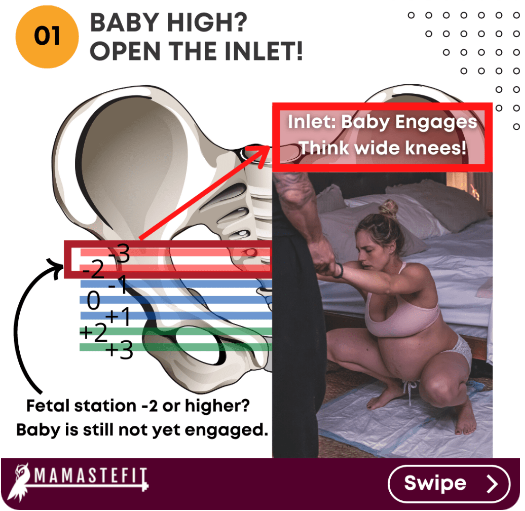
1. Engagement: Helping Baby Enter the Pelvis
Wide Knees & Forward Tilting Movements: These create space in the upper pelvis.
Hip Flexor and Lat Releases: Can help remove tension that may be restricting engagement.
Exaggerated Side-Lying or Fire Hydrant Positions: Support baby’s rotation and descent into the pelvis.
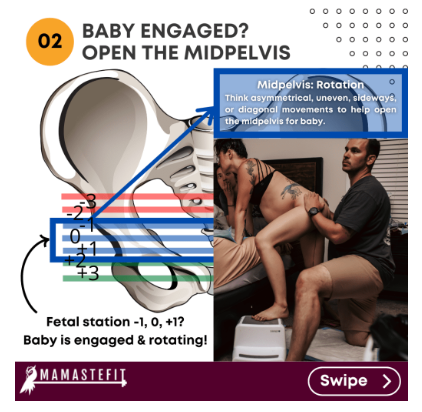
2. Mid-Pelvis Rotation: Helping Baby Move Through the Pelvis
Side-to-Side Movements: Walking, swaying, curb walking, and lateral shifts help baby rotate.
Open and Closed Hip Positions: Lunges and shifting weight between legs assist in baby’s rotation.
90/90 Side Camel Position: A combination movement that improves mid-pelvis mobility.
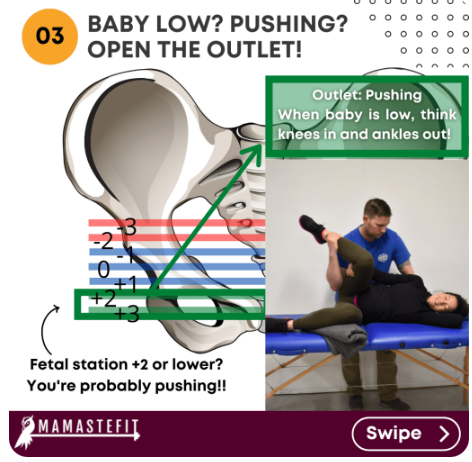
3. Outlet Positioning: Helping Baby Exit the Pelvis
Knees-In Positions: Bringing knees in while ankles remain apart creates space in the lower pelvis.
Hip Shifts: One of the most essential movements for pelvic outlet space, helping baby move under the pubic arch.
Copenhagen Planks & Hamstring Strengthening Exercises: Support pelvic stability and flexibility for effective pushing.
 Video course · 9+ hours
Childbirth Education
Over nine hours of video on contractions, comfort measures, pushing, and recovery — so you walk into labor knowing what's happening and what your options are at each stage.
Learn more
Video course · 9+ hours
Childbirth Education
Over nine hours of video on contractions, comfort measures, pushing, and recovery — so you walk into labor knowing what's happening and what your options are at each stage.
Learn more
 On-demand video · 24 workouts
Birth Prep Workout Program
Twenty-four workouts that open the pelvis for each stage of labor — strength, mobility, and positioning you can start at any fitness level, 15 to 30 minutes each.
Learn more
On-demand video · 24 workouts
Birth Prep Workout Program
Twenty-four workouts that open the pelvis for each stage of labor — strength, mobility, and positioning you can start at any fitness level, 15 to 30 minutes each.
Learn more
 Video course · 7 modules
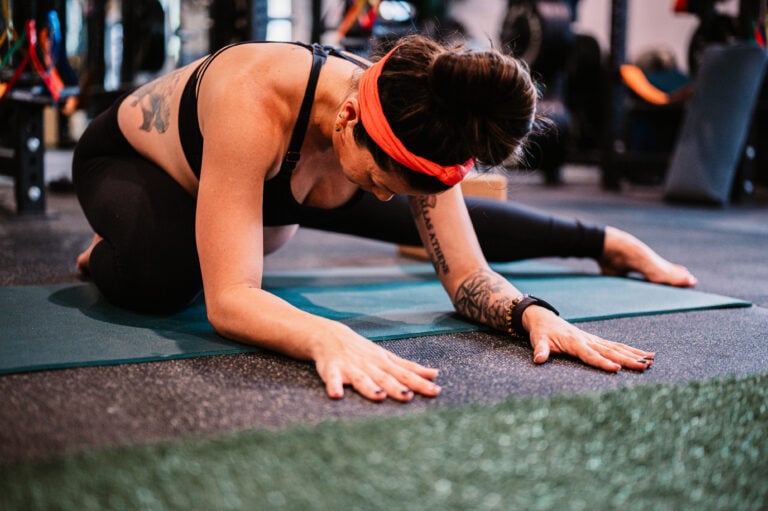
Prepare Your Pelvic Floor For Birth
Seven modules on releasing the pelvic floor rather than only strengthening it — breathing drills, thoracic and pelvic mobility, and how to relax it during labor.
Learn more
Video course · 7 modules
Prepare Your Pelvic Floor For Birth
Seven modules on releasing the pelvic floor rather than only strengthening it — breathing drills, thoracic and pelvic mobility, and how to relax it during labor.
Learn more
Hip Shifting: The Most Important Labor Movement
If there’s one movement to master during pregnancy, it’s the hip shift. This movement releases tension in the posterior pelvic floor, which can help baby engage, rotate, and descend more effectively.
How to Perform a Hip Shift:
Seated Position: Shift one knee back while rotating the upper body slightly toward that side.
All Fours Position: Place a yoga block or pillow under one knee and shift weight into that leg.
Standing Position: Shift weight from one hip to the other while maintaining balance.
Hip shifts can be incorporated into daily routines and labor positions to encourage optimal fetal positioning.
How to Apply These Movements in Labor
Laboring positions should adapt to the baby’s station and progress. Here are key takeaways:
Use Wide-Knee Movements Early to help baby engage.
Incorporate Side-to-Side Shifting as baby moves through the pelvis.
Engage in Hip Shifts and Knees-In Positions when pushing.
Follow Intuitive Movements – Your body will often guide you into positions that create space naturally.
Conclusion
Movement is essential in pregnancy and labor to facilitate an efficient and comfortable birthing process. Rather than focusing on finding a single “perfect” labor position, the goal should be mobility and adaptability. By practicing laboring positions ahead of time, focusing on hip shifts, and understanding how pelvic movements influence labor, you can help ensure a smoother birth experience.
For guided prenatal workouts and movement-based childbirth education, consider checking out MamasteFit’s prenatal fitness programs and childbirth courses. These resources provide structured exercises and movement routines to help you prepare effectively for labor. If you already have a workout routine or you only want birth prep-focused workouts, check out our Birth Prep Workout Program!
By staying active and informed, you can navigate pregnancy and labor with confidence and ease!
 Bundle · lifetime access
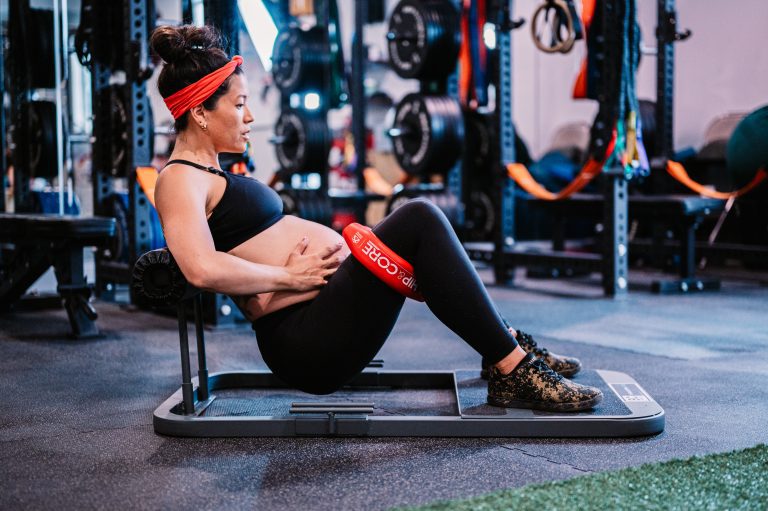
MamasteFit Bundles
Combine courses and programs for lifetime access and save up to 15% — grouped for birth preparation, the third trimester, or the whole pre and postnatal journey.
Learn more
On-demand video · 30 workouts
Core, Pelvic Floor & Pelvic Stability
Thirty follow-along workouts across beginner, novice, and advanced levels, ten per level — core and pelvic floor strength for pain relief in pregnancy or postpartum.
Learn more
Bundle · lifetime access
MamasteFit Bundles
Combine courses and programs for lifetime access and save up to 15% — grouped for birth preparation, the third trimester, or the whole pre and postnatal journey.
Learn more
On-demand video · 30 workouts
Core, Pelvic Floor & Pelvic Stability
Thirty follow-along workouts across beginner, novice, and advanced levels, ten per level — core and pelvic floor strength for pain relief in pregnancy or postpartum.
Learn more
 App program · 40 weeks
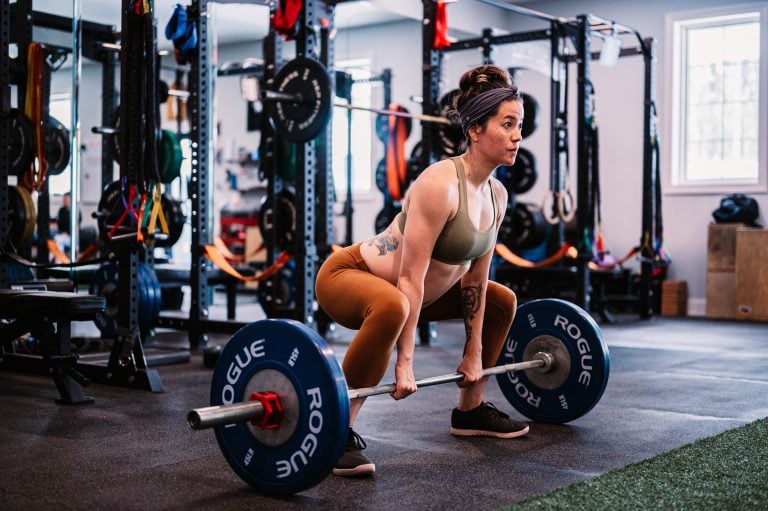
Prenatal Strength Training
A gym-based program that syncs to your current week of pregnancy — four strength sessions plus one pelvic stability workout a week, with demo videos for every exercise.
Learn more
App program · 40 weeks
Prenatal Strength Training
A gym-based program that syncs to your current week of pregnancy — four strength sessions plus one pelvic stability workout a week, with demo videos for every exercise.
Learn more