
Table of Contents
Welcome to the MamasteFit Blog! Join Gina, a perinatal fitness trainer, birth doula, and owner of MamasteFit, as she answers the top pregnancy frequently asked questions from our followers on Instagram, YouTube, and through our online education courses. Covering topics such as baby positioning for birth, managing pelvic pain during pregnancy, understanding induction recommendations, returning to fitness postpartum, and handling core and pelvic floor dysfunction, this comprehensive Q&A session addresses common concerns with practical advice and resources.
Subscribe to our YouTube Channel for more weekly workouts and educational videos! We publish one new workout video and 2-3 educational videos a week on our channel.
1. How Can I Help My Baby Get into the Best Position for Birth?
One of the most common concerns we hear from expectant moms is how to ensure their baby is in the “best” position for labor. The reality is that there isn’t one single ideal position for your baby. Babies need to rotate and move through several positions during labor. Forcing your baby into one specific position is unnecessary and could heighten anxiety, especially if you’ve had a previous challenging labor experience.
Instead of focusing on positioning, it’s more beneficial to ensure that the path for your baby’s rotation is clear. This involves:
- Releasing tension in uterine ligaments through inversions or belly sifting.
- Improving mobility in surrounding muscles, such as the abdomen, back, and hip flexors, to allow for smoother movement during labor.
- Enhancing pelvic mobility to create space for the baby to rotate effectively.
We recommend incorporating prenatal exercises to support your baby’s positioning and enhance flexibility, which you can find in our fitness programs.
Exercises to Help Baby in the Best Position for Birth!
Optimal Baby Positioning: Exercises to Help Rotate an OP Baby
6 Exercises to Help Baby Drop & Get into Position for Birth
2. What Should I Do About Pelvic Pain During Pregnancy?
Pelvic pain is common during pregnancy and can manifest in different forms, typically as either pubic symphysis dysfunction (SPD) or SI joint pain. SPD causes pain in the front of the pelvis, often in the groin area, while SI joint pain affects the lower back, glutes, and tailbone.
Both types of pain are intensified by movements such as walking, standing on one leg, or even getting in and out of a car. Fortunately, pelvic pain isn’t something you just have to endure. It can often be alleviated by focusing on:
- Pelvic positioning: Strengthening certain muscles and releasing tension in others can bring your pelvis into a neutral alignment, helping ease discomfort.
- Myofascial slings: These muscle groups work together to stabilize pelvic joints. Focusing on strengthening these slings can help reduce pain. We integrate these strategies into our prenatal fitness programs to help you stay strong and pain-free.
Pelvic stability exercises can also be a key part of a pain relief plan, which is why we recommend working with a pelvic floor physical therapist during pregnancy.
Pelvic Stability Workout for Pregnancy and Postpartum
Pelvic Pain Relief Tips
Best SI Joint Pain Relief Exercises: 10-Minute Pelvic Stability Workout
6-Minute Pelvic Pain Relief Workout: SPD
3. My Provider Wants Me to Be Induced—What Should I Do?
If your provider suggests induction, it’s important to have an open conversation about it. Ask questions like, “Why is induction being recommended?” and explore what other options are available. Just because an induction is being suggested doesn’t mean it’s the only solution. You may want to consider other forms of testing or strategies to ensure both you and your baby are healthy and progressing well.
Remember, inductions are a safe and beneficial option for many, but you should feel confident that this is the right decision for you and your baby. Be sure to communicate any concerns or reservations with your healthcare provider so you can make an informed decision. We dive deeper into this topic on our podcast, which you can find below.
MamasteFit Podcast Episode 18: Inductions
Top 10 Tips for Navigating Labor Induction
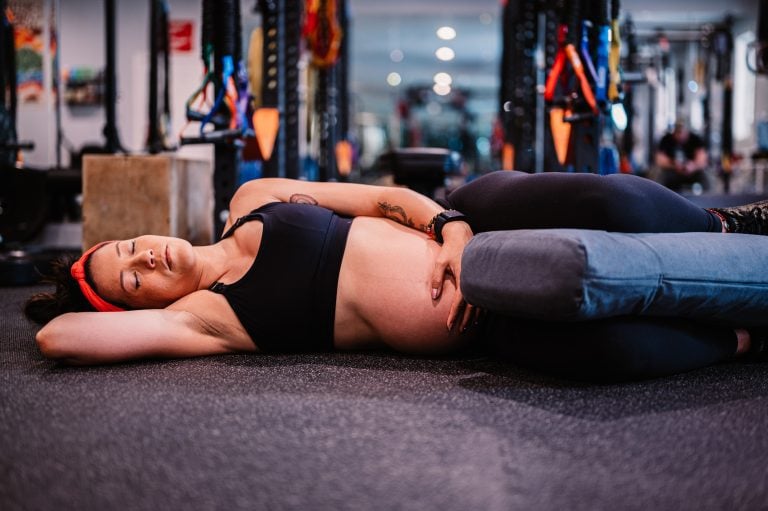 On-demand video · 30 workoutsCore, Pelvic Floor & Pelvic StabilityThirty follow-along workouts across beginner, novice, and advanced levels, ten per level — core and pelvic floor strength for pain relief in pregnancy or postpartum.Learn more
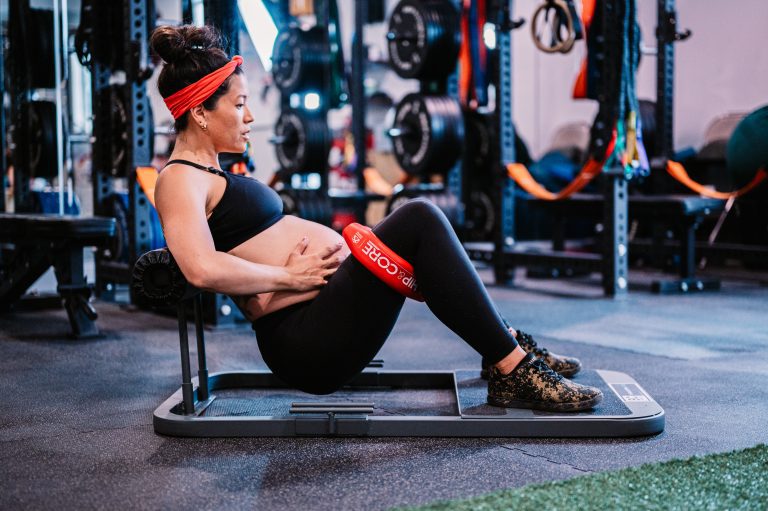 Bundle · lifetime accessMamasteFit BundlesCombine courses and programs for lifetime access and save up to 15% — grouped for birth preparation, the third trimester, or the whole pre and postnatal journey.Learn more
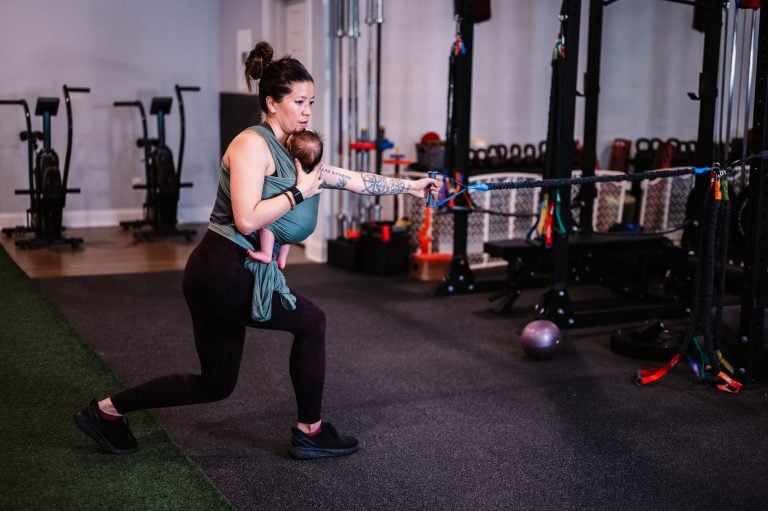 App program · 16 weeksPostpartum Return to FitnessSixteen weeks of rebuilding, four strength sessions a week, with a vaginal or cesarean recovery track and follow-along videos for the first six weeks.Learn more
4. When Can I Return to Fitness Postpartum?
The postpartum period is unique for every woman, so the timeline for returning to fitness can vary. It’s essential to start slow, especially in the first six weeks postpartum. Early exercises should focus on breathing and gentle mobility, such as short walks and light core work.
At about 4 to 6 weeks postpartum, when bleeding has mostly stopped, you can start engaging in more structured exercise, but these should be rehab-focused. Avoid jumping into intense workouts, and instead focus on rebuilding your strength and mobility over time. Your tissues are still healing, and it’s important not to rush the process.
Our postpartum fitness program offers a structured, step-by-step approach to safely return to fitness, allowing you to build strength gradually and ensure your body is healing well.
Postpartum Recovery & Fitness: Focusing on Function Over Aesthetics
Fitness VLOG: Postpartum workout with my Baby!
5. What Do I Do if I’m Experiencing Postpartum Dysfunction (Prolapse, Diastasis, Leaking, etc.)?
Many new moms face issues such as prolapse, diastasis recti, or leaking in the postpartum period, but it’s important to remember that these are not necessarily permanent issues. Prolapse, for instance, can be a natural part of recovery, and if it’s not causing symptoms, it might not be a problem. However, if these issues are affecting your quality of life, working with a pelvic floor physical therapist can be extremely helpful.
A therapist can assist in improving postural habits, breathing techniques, and movement patterns to manage symptoms like leaking or pelvic floor dysfunction. A focus on 360-degree breathing, pelvic floor strengthening, and muscle relaxation can significantly ease symptoms and improve your pelvic health.
Incorporating these strategies into your fitness routine will help you address these concerns safely and effectively, which is why our postpartum fitness programs provide the support you need to recover at your pace.
MamasteFit Podcast Ep. 35: Diastasis Recti: Understanding Abdominal Separation to Heal Postpartum
Let’s Talk About Butt Stuff with Hayley Kava, Pelvic Floor PT
Exercising With Prolapse: What You Need to Know
Prolapse-Friendly Workout: Relieve Prolapse Symptoms During Pregnancy and Postpartum
Prolapse: The Comforting Truth About a Scary Sounding Diagnosis
Three Exercises to Help Relieve Pelvic Heaviness
Conclusion
The questions we addressed today are only a small part of the journey many moms face, and at MamasteFit, we’re here to guide you every step of the way. Whether you’re looking to improve your baby’s position, find relief from pelvic pain, or ease into fitness postpartum, there are solutions that can help you feel better, stronger, and more empowered.
If you have more questions or need additional support, be sure to check out our online prenatal fitness programs, postpartum fitness programs, or listen to our in-depth podcast episodes. We’re here to provide the tools and knowledge you need to navigate pregnancy and postpartum confidently.
Remember, you are not alone in this journey—reach out to us anytime with your questions, and be sure to participate in our Sunday Q&A sessions on Instagram!
For more support, visit our website and use the code ‘YouTube10’ for 10% off any of our online offerings.
 Video course · 9+ hoursChildbirth EducationOver nine hours of video on contractions, comfort measures, pushing, and recovery — so you walk into labor knowing what's happening and what your options are at each stage.Learn more
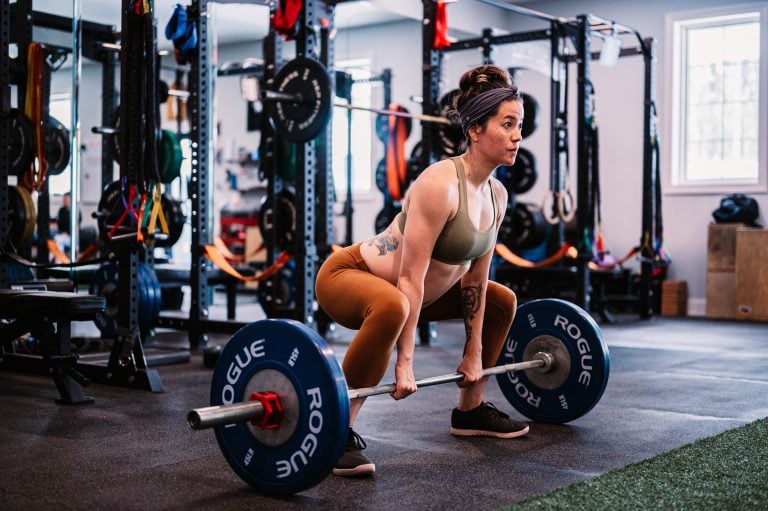 App program · 40 weeksPrenatal Strength TrainingA gym-based program that syncs to your current week of pregnancy — four strength sessions plus one pelvic stability workout a week, with demo videos for every exercise.Learn more
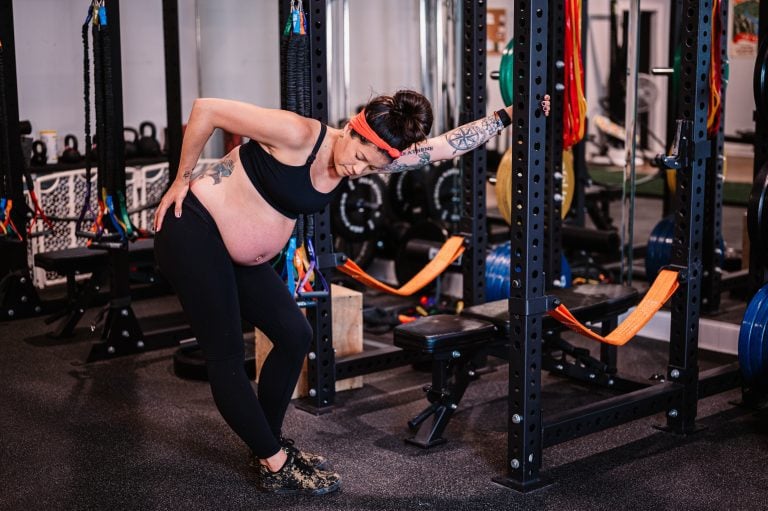 On-demand video · 128 workoutsPrenatal Workout On-DemandFollow-along workouts from week 5 to week 41, four or five a week with guided warm-ups and cool-downs — over 128 sessions coached in real time alongside the video.Learn more