

If you’re wanting to have an unmedicated birth, this is the blog to read. Or maybe you’re debating whether or not you want to get an epidural or if you want to go unmedicated. In this blog, we’re going to talk about the benefits of going unmedicated. Why would anybody choose not to get an epidural? Then, there are also some tips to help you achieve that if it is your goal.
Before we dive into our tips on how to navigate birth without an epidural, let’s define “unmedicated,” as this can mean something different to different people.
In this blog, we are referring to unmedicated as giving birth without an epidural. Some may refer to unmedicated as giving birth without any sort of pain relief, including IV pain meds and nitrous oxide. Others may refer to unmedicated as no medical interventions, including Pitocin. However you define unmedicated is up to you, but we will be referring to it as giving birth without an epidural.
What are the benefits of giving birth without an epidural?
You may be wondering why anyone would even want to give birth without an epidural–why would you subject yourself to that pain?? There are a number of reasons that someone may want to give birth without an epidural, and also some benefits!
But it is important to understand that an epidural is not evil or bad–it is simply a tool that can support you if you need or want it.
1) Freedom of Movement
Motion is lotion when it comes to birth! Upright laboring positions use gravity to push the baby onto the cervix, which helps to release more labor hormones and progress our labor. Two main labor hormones–oxytocin and prostaglandins–support your labor.
Oxytocin is released from your brain and triggers your uterus to contract. This contraction pushes the baby and your amniotic fluid sac down onto the cervix. This stimulation of the cervix triggers the release of prostaglandins that soften the cervix. Prostaglandins then trigger the brain to release more oxytocin, which initiates this positive feedback loop.
Learn more about the hormones of labor and what to expect in birth by taking our free 30-minute intro to childbirth class! Sign up below!
Laboring in an upright position can use gravity to push the baby onto the cervix to stimulate more of a release of prostaglandins during labor, which could speed up your labor process. This is a big reason why exercising throughout your pregnancy may result in faster labor–not because you’re better at labor, but rather because you have more stamina to maintain upright positions and move for longer during labor!
If you want daily workouts to support your pregnancy as you prepare for birth, check out our online prenatal fitness programs! Our workout programs include daily strength workouts and weekly birth prep workouts to support a strong pregnancy as you prep for birth.
In addition to maintaining an upright position during labor, you can also move freely into different positions to create space in your pelvis for your baby to navigate during birth! Each pelvic level opens with different movement patterns, so shifting into different positions as your baby moves deeper into your pelvis can be helpful for labor progress.
You can still move with an epidural with the help of your support team and a peanut ball, but there are potentially more unknowns involved with an epidural!
Sometimes, an epidural is too strong, and you have a hard time moving. You can adjust the strength of your epidural so you can move, but sometimes, you need it to be stronger to find pain relief if that is what you want! In general, epidurals are very effective at pain relief, but as an individual, your body may process the medication differently than you expect.
2) Reduced Interventions
If you are giving birth without an epidural, you will likely not need as many interventions–especially if you went into labor spontaneously. Labor typically progresses normally! If an issue arises, such as a labor stall, then it’s usually easier to use movements to help adjust the baby’s position or create space in the pelvis.
An epidural is not evil or bad but can be the starting point of a cascade of interventions.
First, an epidural is a relaxer–which, for some of us, is really helpful and can actually speed up labor. If you have been fighting your contractions and not seeing progress, sometimes an epidural can be the tool you need to relax finally. If you are exhausted from days of labor and labor progress has stopped or slowed, an epidural can help you get some rest to see progress again.
However, it’s important to note that since an epidural relaxes your body, it may also slow down contractions. Additionally, being in a reclined position with an epidural can reduce pressure on the cervix, potentially slowing labor further. In such cases, your healthcare provider may recommend Pitocin to increase the strength of your contractions and continue labor progress. This can continue down a path of interventions to continue progressing your labor, such as breaking your water.
An epidural is not bad, but it also does not come without risk! Risks are involved with everything we choose in life and in our births. A benefit to not having an epidural is the decreased risk of needing additional interventions to support your labor.
Tips to Give Birth Without an Epidural
Giving birth without an epidural is a personal and empowering choice for many women. If you’re considering an unmedicated birth, there are several strategies and preparations you can make to support your decision and increase your chances of having a positive and manageable experience. Here’s a detailed guide on how to give birth without an epidural.
1) Prepare During Pregnancy: Mentally and Physically
Physical preparation can make a significant difference in your ability to cope with labor pain.
- Prenatal Exercise: Engage in regular prenatal exercise to build stamina and strength. Focus on exercises that improve core strength, pelvic stability, and overall fitness. Movement is a great way to find pain relief during labor!
- Pelvic Floor Exercises: Learning how to relax your pelvic floor is incredibly beneficial for birth preparation!
Your mindset can have a significant impact on your birth experience.
- Positive Birth Stories: Surround yourself with positive birth stories and avoid negative or fear-inducing ones.
- Birth Plan: Create a birth plan that outlines your preferences and discuss it with your care provider. This helps ensure everyone is aware of your desire for an unmedicated birth.
- Confidence and Trust: Trust your body and its ability to give birth naturally. Confidence in your decision and abilities is crucial.
Learning how to relax and manage stress can help you cope with labor pain.
- Breathing Exercises: Practice different breathing techniques such as deep breathing, patterned breathing, and the use of breath to manage contractions.
- Meditation and Visualization: Use meditation and visualization to focus and calm your mind. Visualize your ideal birth and use positive affirmations.
- Progressive Muscle Relaxation: This technique involves tensing and then slowly relaxing different muscle groups to reduce overall tension.
2) Choose a Supportive Team
Having a supportive team is crucial for an unmedicated birth.
- Choose the Right Care Provider: Find a midwife or doctor who supports and has experience with unmedicated births. Discuss your birth plan and ensure they are on board. Learn what is available at your birth location to support unmedicated birth, too–this could include tubs, showers, birth balls, and other labor support props. How familiar are the nurses and medical support team with supporting unmedicated births? Not sure? Ask local doulas their opinions on different birth locations to find the best fit for you!
- Hire a Doula: A doula provides continuous physical, emotional, and informational support during labor. Studies show that doulas can reduce the likelihood of needing pain medication and increase overall satisfaction with the birth experience.
- Inform Your Partner: Ensure your partner is educated and supports your decision. They can be a vital source of encouragement and help during labor.
If you want an unmedicated birth, you may feel judgment or resistance from people that you share your birth plans with. When I wanted an unmedicated birth for my first, I had so many people tell me, “oh, you just wait.” These comments ended up hurting me even more when I did change my mind and got an epidural in my first labor. It would have made a huge difference for me emotionally if I had felt that I was supported and that people believed in me when preparing for my birth, including the hospital team. I would have felt less like a failure and more like this was a new path for my birth that I needed.
Choosing a supportive birth environment and support team that truly believes in your ability to give birth however you want is crucial! This doesn’t mean you need to give birth outside of the hospital, but choosing a hospital and provider that is familiar with unmedicated birth and supports it, is important!
3) Educate Yourself!
Knowledge is power when it comes to childbirth. Understanding the birth process and what to expect can help reduce anxiety and prepare you for what’s to come.
- Childbirth Classes: Attend classes that focus on birth techniques. These classes often cover breathing techniques, labor positions, and pain management strategies. In addition to how to use birth interventions if needed without fear! Our childbirth education course includes all this and more!
- Books and Online Resources: Read books on natural childbirth and follow reputable online resources. Some recommended books include “Ina May’s Guide to Childbirth” by Ina May Gaskin and “The Birth Partner” by Penny Simkin.
- Podcasts and Videos: Listen to podcasts and watch videos that discuss unmedicated birth. These can provide real-life experiences and additional tips. We release birth stories every Friday on the MamasteFit Podcast!
You can educate yourself on different labor comfort measures, such as using hydrotherapy or counterpressure for pain relief. My personal favorite throughout my own births was counterpressure from my husband! However, there are a variety of comfort techniques available.
You can also educate yourself on what birth options are so they are less scary if you should need an intervention, such as Pitocin. We tend to fear things we do not understand, so if you understand HOW to use different birth options to support your labor, it can help you feel confident as you navigate your birth. You will also know when NOT to use certain interventions too! We discuss birth options and how to use them in our online childbirth education course–our students report back that they felt confident navigating their labors when plans changed thanks to our course!
4) Labor Techniques
There are various techniques you can use during labor to manage pain naturally.
- Movement and Positioning: Stay mobile and change positions frequently. Walking, swaying, squatting, and using a birthing ball can help progress labor and manage pain.
- Hydrotherapy: Water can be very soothing during labor. Consider using a shower or birthing pool to help manage pain.
- Massage and Counterpressure: Have your partner or doula provide massage or counterpressure on your lower back during contractions.
- Heat and Cold Therapy: Use heat packs on your lower back or abdomen to relieve pain. Cold packs can also be beneficial in some situations.
5) Labor At Home for As Long as Possible
Another great tip is to labor at home for as long as you can! Getting to the hospital too early can make it harder to go unmedicated. We tend to feel most comfortable at home, so laboring at home where you feel comfortable can support your labor progress. This strategy also limits the amount of time you have to ask for an epidural!
Conclusion
By educating yourself, building a supportive birth team, preparing your body, practicing relaxation techniques, and preparing mentally and emotionally, you can increase your chances of having a successful unmedicated birth. Remember, every birth is unique, and it’s important to remain flexible and open to changes as your labor progresses.
Prenatal Support Courses


Learn the science of pregnancy and birth to take the mystery of labor away! Understand why you are feeling what you feel, and learn strategies to confidently move through pregnancy and birth!
- 9h+ of Video
- Support Group
- Close Captioning
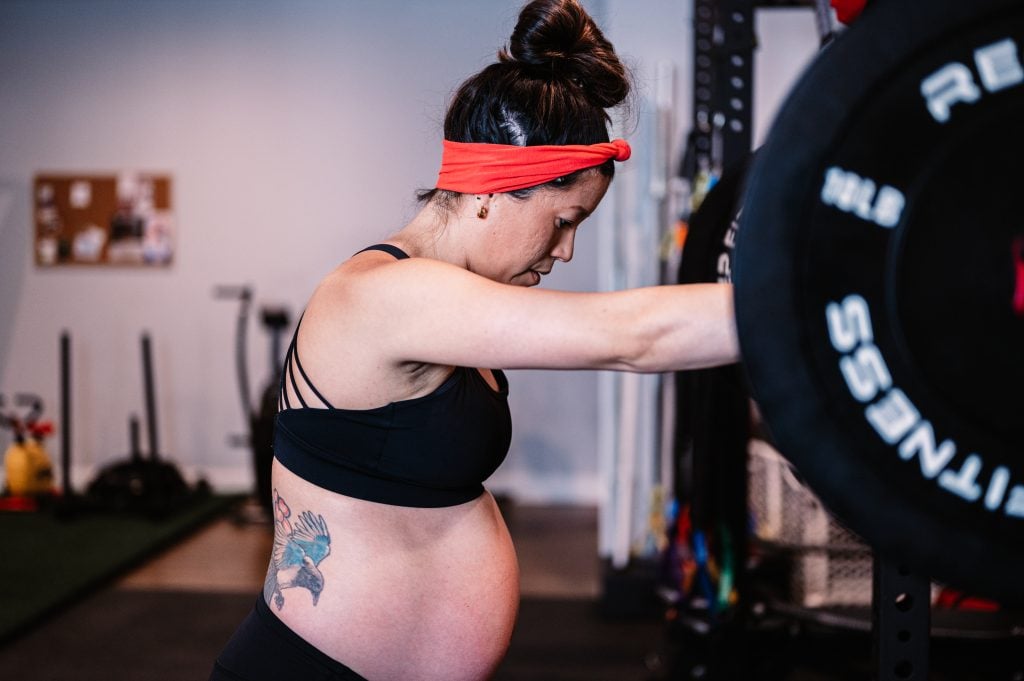

- 5 Workouts/Week
- Gym Workouts
- Self-Paced

Instructor
GINA
Workout on-demand with our prenatal fitness workout videos! Each workout is 30-40 minutes to follow along as you exercise at the same time!
- Birth Prep
- All Trimesters
- Mobility Work

Instructor
GINA
Find comfort and relief from pelvic girdle pain throughout your pregnancy and postpartum period! This program incorporates myofascial sling focused exercises to stabilize across the pelvic girdle joints.
- 3 Weeks
- On Demand Workout Videos to Follow