

Table of Contents
Pregnancy is one of life’s most transformative experiences — emotionally, physically, and financially. While preparing for birth, it’s easy to focus on baby gear, nursery setups, and birth plans, but one crucial question is often overlooked: how much does it cost to have a baby, and how do you navigate the financial side of pregnancy and childbirth?
In this episode of the MamasteFit Podcast, I sat down with Pachet, the founder of Mine Maternity, to discuss how families can unlock financial resources and maximize benefits during pregnancy, birth, and postpartum.
Subscribe to our YouTube Channel for more weekly workouts and educational videos! We publish one new workout video and 2-3 educational videos a week on our channel.
How Much Does It Cost to Have a Baby? The Hidden Costs
For many military families, insurance like Tricare covers nearly all maternity-related costs. But once you step outside that system, it can be shocking to realize how expensive pregnancy care can be.
Prenatal visits, ultrasounds, lab work, delivery, postpartum care — and that’s before you even start thinking about baby supplies. Some families report paying thousands out of pocket, even with insurance, depending on deductibles and coverage.
Pachet shared how important it is to review your insurance plan early, ideally before pregnancy, to understand your maternity coverage. She once caught a major gap in her own plan that could have cost tens of thousands of dollars — simply because maternity care wasn’t covered at all.
💡 Tip: Always check your plan’s maternity coverage and deductible before you’re pregnant. Pregnancy doesn’t count as a “life event” that allows you to change plans — only birth does!
Understanding Deductibles and Out-of-Pocket Costs
Two key terms to understand are your deductible and your out-of-pocket maximum.
Deductible: What you must pay before your insurance kicks in.
Out-of-pocket max: The most you’ll pay in a year before insurance covers 100%.
If you’re on a high-deductible plan, it’s essential to plan ahead and budget for pregnancy-related costs. Sometimes, choosing a lower deductible plan may save you money overall if you’re planning a family soon.
Comparing Birth Options: Hospital vs. Home or Birth Center
Many assume hospital births are automatically covered and therefore the cheapest option — but that’s not always the case.
Home births and birth centers can sometimes cost less out-of-pocket, especially when hospitals charge for every separate service. While not all insurances cover out-of-hospital births, partial reimbursement is often possible for things like lab work, prenatal appointments, and postpartum visits.
To maximize reimbursement, your provider or midwife should itemize your bill instead of submitting a blanket charge. This allows insurance to recognize each reimbursable service.
Using FSAs, HSAs, and Employer Benefits
If your insurance doesn’t cover certain services — like chiropractic care, pelvic floor therapy, or acupuncture — don’t give up!
You may be able to pay for them using:
FSA (Flexible Spending Account) or HSA (Health Savings Account) funds
Employer Assistance Programs (EAPs)
Benefits through companies like Maven or Modern Health
These accounts can be used for prenatal massages, childbirth classes, doula care, lactation consultations, and even some fitness programs.
💡 Tip: You’re paying into your insurance and benefits — so make sure you use them!
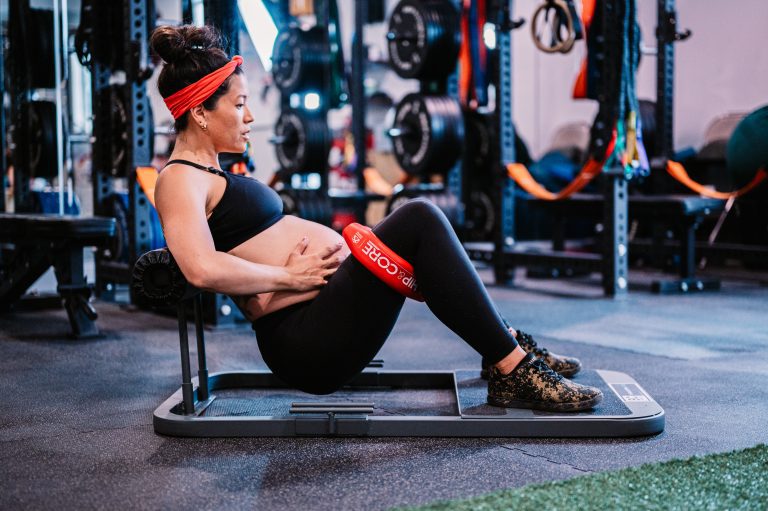 Bundle · lifetime access
MamasteFit Bundles
Combine courses and programs for lifetime access and save up to 15% — grouped for birth preparation, the third trimester, or the whole pre and postnatal journey.
Learn more
Bundle · lifetime access
MamasteFit Bundles
Combine courses and programs for lifetime access and save up to 15% — grouped for birth preparation, the third trimester, or the whole pre and postnatal journey.
Learn more
 On-demand video · 30 workouts
Core, Pelvic Floor & Pelvic Stability
Thirty follow-along workouts across beginner, novice, and advanced levels, ten per level — core and pelvic floor strength for pain relief in pregnancy or postpartum.
Learn more
On-demand video · 30 workouts
Core, Pelvic Floor & Pelvic Stability
Thirty follow-along workouts across beginner, novice, and advanced levels, ten per level — core and pelvic floor strength for pain relief in pregnancy or postpartum.
Learn more
 Video course · 9+ hours
Childbirth Education
Over nine hours of video on contractions, comfort measures, pushing, and recovery — so you walk into labor knowing what's happening and what your options are at each stage.
Learn more
Video course · 9+ hours
Childbirth Education
Over nine hours of video on contractions, comfort measures, pushing, and recovery — so you walk into labor knowing what's happening and what your options are at each stage.
Learn more
Tapping into Community and State Programs
Outside of insurance, state and county programs offer free or discounted services for expectant and new parents. These can include:
Lactation consultations
Pelvic floor therapy
Support groups
Meal assistance
Community “baby showers” with donated supplies
Every county is different, so start by researching local and state-level programs. Counties often have specific budgets for resident programs, while state and federal programs provide broader funding.
If searching feels overwhelming, case managers or care coordinators — like those at Mine Maternity — can help you navigate both your insurance benefits and community resources.
This mini-course guides you through the first month postpartum as you begin your recovery after birth! This program includes weekly guidance on how to reconnect with your core and pelvic to support your healing.
- Breathing and Core Connection Exercises
- Mobility Exercises to Relieve Common Discomforts
- Gentle Core Exercises
- Watch on Mobile Device
Bridging Gaps in Maternity Care: The Role of Care Coordinators
Mine Maternity specializes in comprehensive care coordination — helping families understand their insurance, find covered services, and access community and government resources.
They offer two tiers of support:
$50 Benefit Navigation: A report outlining your insurance, FSA/HSA, and EAP benefits for up to three services.
$249 Care Coordination Package: Personalized support for two weeks, including benefit navigation, local resource recommendations, and one-on-one planning for everything from doula interviews to class scheduling.
Pachet emphasizes that maternity care coordination isn’t just for high-risk pregnancies — it’s about supporting every parent through a major life transition.
“You deserve to have the experience you want,” she says. “Pregnancy is a lot. You should feel supported and replenished along the way.”
What About Medicaid?
Medicaid covers about 40% of births in the U.S., and even more in some counties. Mine Maternity also works with Medicaid recipients to identify additional nonprofit or third-party programs that support pregnancy and postpartum needs — often at no extra cost.
Using Telehealth to Overcome Maternity Deserts
Not every family has access to nearby maternity specialists. These areas, known as maternity deserts, exist in every state.
Telehealth is helping bridge that gap — providing prenatal check-ins, education, and postpartum support remotely. While you can’t replace in-person exams, virtual visits can save hours of travel time and ensure ongoing care.
Empowering Your Pregnancy Journey
Finances shouldn’t be a barrier to receiving the care you deserve. By learning how to navigate insurance, utilize benefits, and tap into local programs, you can make pregnancy and postpartum care far more affordable — and less stressful.
If you’d like help understanding your maternity benefits or coordinating your care, visit Mine Maternity to connect with a care coordinator.
 Video course · 7 modules
Prepare Your Pelvic Floor For Birth
Seven modules on releasing the pelvic floor rather than only strengthening it — breathing drills, thoracic and pelvic mobility, and how to relax it during labor.
Learn more
Video course · 7 modules
Prepare Your Pelvic Floor For Birth
Seven modules on releasing the pelvic floor rather than only strengthening it — breathing drills, thoracic and pelvic mobility, and how to relax it during labor.
Learn more
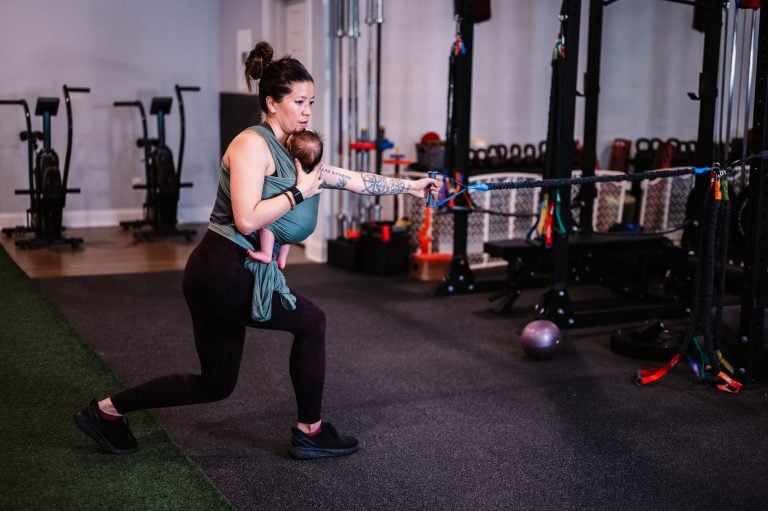 App program · 16 weeks
Postpartum Return to Fitness
Sixteen weeks of rebuilding, four strength sessions a week, with a vaginal or cesarean recovery track and follow-along videos for the first six weeks.
Learn more
App program · 16 weeks
Postpartum Return to Fitness
Sixteen weeks of rebuilding, four strength sessions a week, with a vaginal or cesarean recovery track and follow-along videos for the first six weeks.
Learn more
 App program · 40 weeks
Prenatal Strength Training
A gym-based program that syncs to your current week of pregnancy — four strength sessions plus one pelvic stability workout a week, with demo videos for every exercise.
Learn more
App program · 40 weeks
Prenatal Strength Training
A gym-based program that syncs to your current week of pregnancy — four strength sessions plus one pelvic stability workout a week, with demo videos for every exercise.
Learn more
Want to Prepare for Birth with Confidence?
MamasteFit offers:
🧠 Childbirth Education Courses to help you understand labor and feel empowered
💪 Prenatal Fitness Programs to stay strong and comfortable during pregnancy
🤱 Postpartum and Newborn Preparation Courses so you know what to expect after birth
Use code STORY10 for 10% off your purchase. Save Up to 15% with Our Bundles! Get lifetime access to all our courses—perfect for this pregnancy, postpartum, and beyond!