



Table of Contents
Welcome to Week 18 of your pregnancy journey! The second trimester is often called the “honeymoon phase,” but it still comes with its ups and downs. Here, we’ll cover what to expect at 18 weeks pregnant for both you and your baby, along with some personal insights from my own experience as I navigate my fourth pregnancy.
What's Happening with Your Baby at 18 Weeks
At 18 weeks, your baby is about the size of a bell pepper or cucumber (depending on which app you reference). Alternatively, some compare it to a Nintendo NES controller for a fun visual! Here’s a glimpse into your baby’s development:
Hearing Development: Baby’s hearing is improving, meaning they can start recognizing your voice. Singing, reading, or talking to your little one can help with early bonding.
Nervous System Growth: The motor portion of baby’s nervous system is developing, leading to more movement. While you may not feel every flip, kick, or jab, your baby is quite active inside.
Lung Development: The bronchioles (small branches in the lungs) are forming, preparing baby to take deep breaths after birth.
If you haven’t already, this is the earliest point where an anatomy scan is offered—a detailed ultrasound that checks baby’s development and can also confirm the sex of the baby. If you prefer to keep it a surprise, let your provider and ultrasound tech know ahead of time!
Changes You Might Experience
As your baby grows, your body continues to adjust. Here are some common experiences during Week 18:
Swelling & Dry Eyes: You may start noticing swelling in your feet and hands due to increased blood volume and fluid retention. A lesser-known pregnancy symptom, dry eyes can make your eyes feel itchy or irritated. Eye drops may help.
Increased Appetite: With first-trimester nausea behind you, you might feel hungrier but find that smaller, more frequent meals are more comfortable than large ones.
Balance & Stability: As your belly grows, your center of gravity shifts, which can make you feel slightly unstable. Take your time when walking or moving to avoid falls.
Blood Pressure Adjustments: Your blood vessels have expanded, and now your blood volume has caught up. If you noticed lower blood pressure in early pregnancy, it may now return to normal or slightly increase.
A simple analogy: Think of your blood vessels as a highway expanding from one lane to four lanes—at first, there aren’t enough cars (blood volume) to fill the space, so traffic (blood pressure) is low. Now, as more cars enter (increased blood volume), traffic starts flowing normally again.
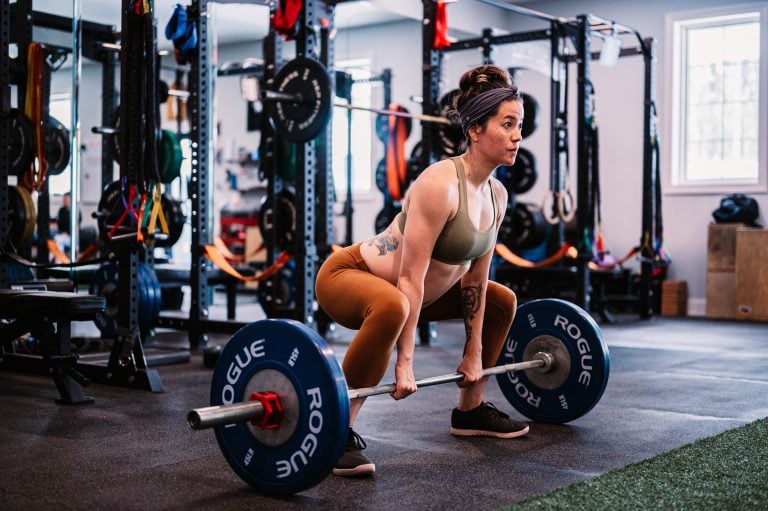 App program · 40 weeksPrenatal Strength TrainingA gym-based program that syncs to your current week of pregnancy — four strength sessions plus one pelvic stability workout a week, with demo videos for every exercise.Learn more
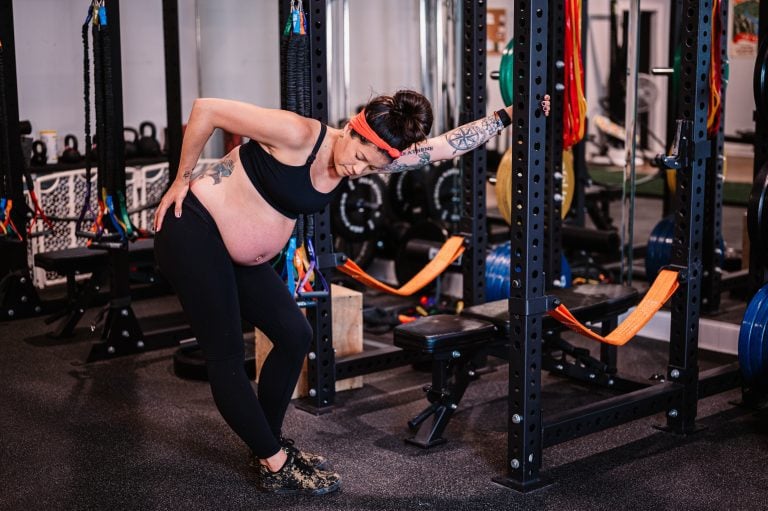 On-demand video · 128 workoutsPrenatal Workout On-DemandFollow-along workouts from week 5 to week 41, four or five a week with guided warm-ups and cool-downs — over 128 sessions coached in real time alongside the video.Learn more
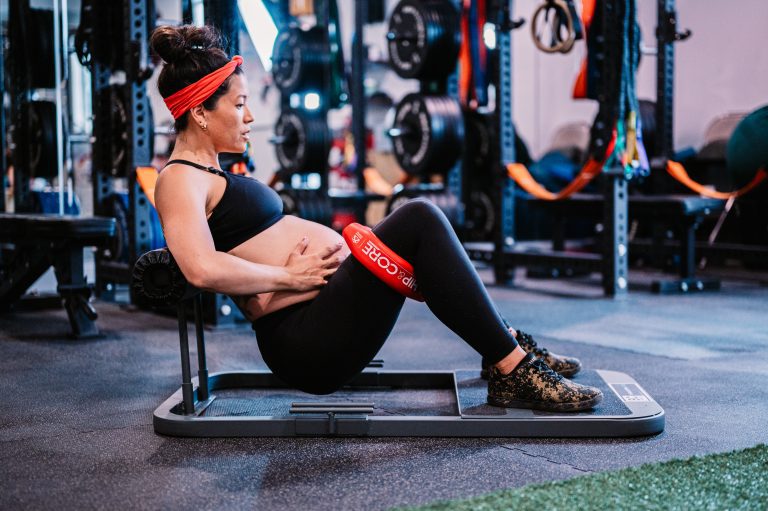 Bundle · lifetime accessMamasteFit BundlesCombine courses and programs for lifetime access and save up to 15% — grouped for birth preparation, the third trimester, or the whole pre and postnatal journey.Learn more
My Personal Experience in Week 18
It’s week 18 and I’m feeling good overall! A few highlights from this week’s journey:
- Feeling Baby Move: Baby girl has been kicking, but there’s no real pattern yet, and movements aren’t strong enough to feel externally.
- Exercise Benefits: Staying active with weightlifting and cardio to help develop baby’s nervous system, motor skills, and cognitive function.
- Anatomy Scan: Everything looked great, and baby girl’s sex was confirmed again! A little anxiety before the scan due to past loss, but ultimately, the reassurance from seeing a healthy baby was worth it.
- Home Birth Plan & Backup Care: Officially established backup hospital-based care in case of complications. Feeling good knowing there’s a safety net.
- Baby’s Position: Started the ultrasound in a breech position, but baby flipped head-down during the scan. Not concerned at this stage since baby is still moving a lot.
- Placenta Position: I have a posterior placenta, meaning movements will be easier to feel in the coming weeks. Reassuring, especially compared to a previous pregnancy where an anterior placenta made movements feel more muted.
For those who may have a low-lying placenta detected at this stage—don’t panic! Over 95% of cases resolve on their own as the uterus grows.
Conclusion
At 18 weeks, pregnancy can feel more stable and enjoyable, with symptoms like nausea fading and baby’s movements beginning. Keep focusing on staying active, eating well, and listening to your body as you continue this journey.
If you’re looking for more support during your pregnancy, consider exploring our online prenatal fitness programs and childbirth education courses. You can bundle these for additional savings!
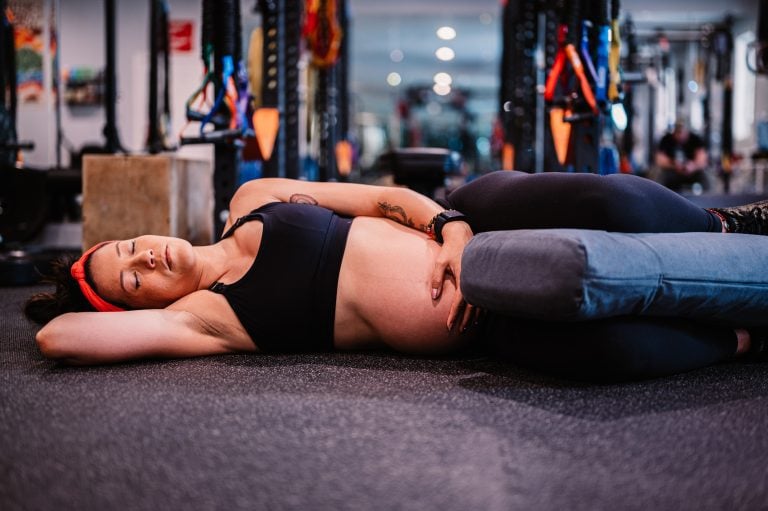 On-demand video · 30 workoutsCore, Pelvic Floor & Pelvic StabilityThirty follow-along workouts across beginner, novice, and advanced levels, ten per level — core and pelvic floor strength for pain relief in pregnancy or postpartum.Learn more
 Video course · 9+ hoursChildbirth EducationOver nine hours of video on contractions, comfort measures, pushing, and recovery — so you walk into labor knowing what's happening and what your options are at each stage.Learn moreOn-demand video · 24 workoutsBirth Prep Workout ProgramTwenty-four workouts that open the pelvis for each stage of labor — strength, mobility, and positioning you can start at any fitness level, 15 to 30 minutes each.Learn more