
Your Baby is OP: What is Posterior and Should You Panic??
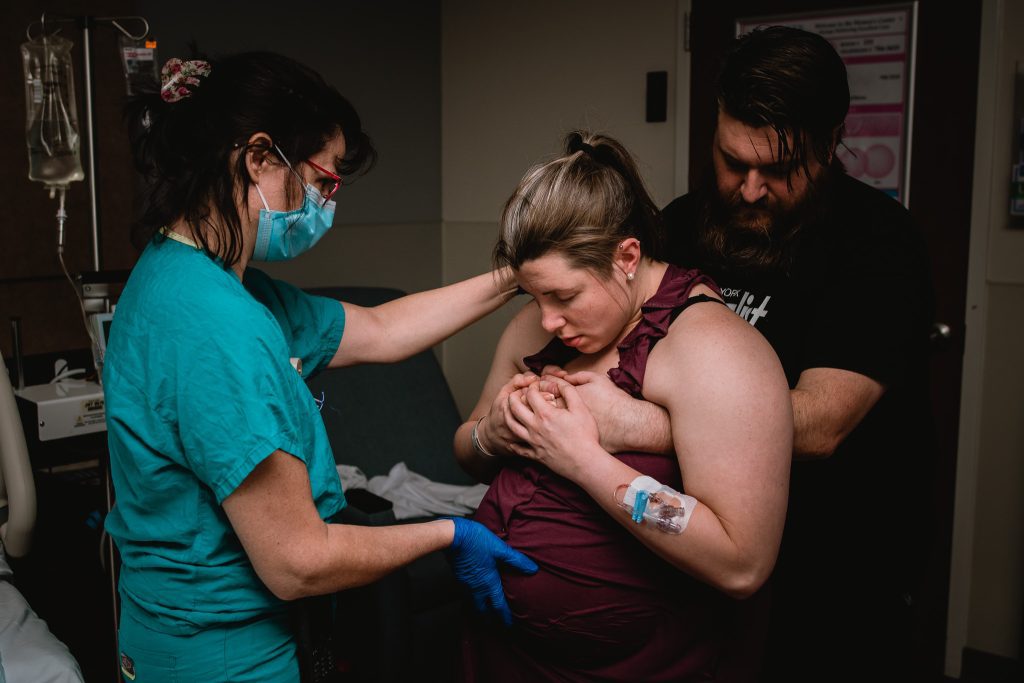
In this article, we’ll delve deeper into what an OP position means, why it happens, and what you can do if your baby is in this position.
Birth Story: Laura’s Unmedicated Hospital Births
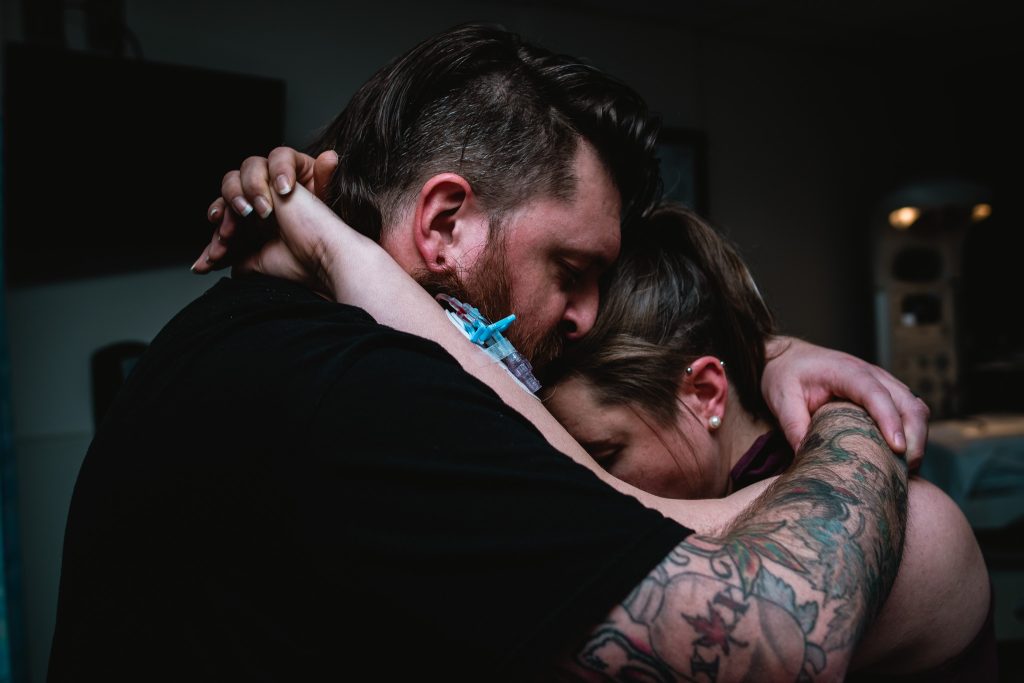
In this blog, we will be sharing the transcript from Laura’s two unmedicated hospital birth stories! During her first birth, she went into spontaneous labor and then had SROM (spontaneous rupture of membranes), which means her water broke during labor and then it was a pretty quick birth from there. Her second birth was very […]
Birth Story: Danielle’s Unmedicated Hospital Birth and Home Birth to Scheduled C-Section Due to Placenta Previa
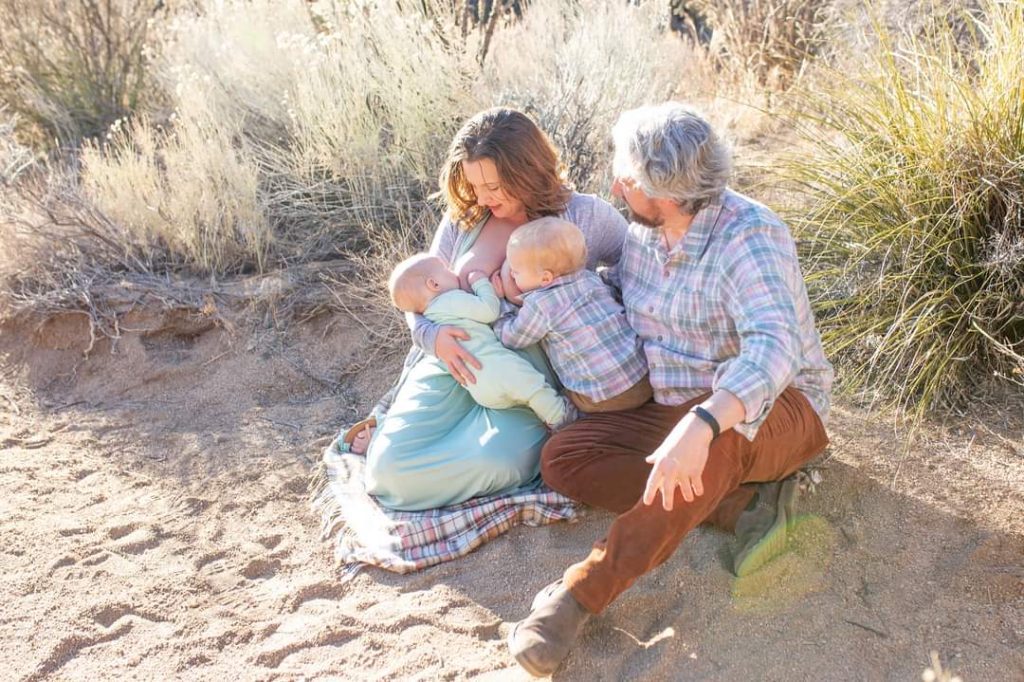
In this blog, we will be sharing the transcript from Danielle’s two birth stories. Her first birth was an unmedicated vaginal birth at a hospital and her second was a Cesarean birth, after planning a home birth, due to Placenta Previa Share Your Birth Story on Our Podcast Gina: We’re going to start by talking […]
The MamasteFit Birth Prep Circuit

The MamasteFit Birth Prep Circuit is a series of exercises that support your baby’s position, opening the pelvis for birth, and preparing you to move with ease during your labor! The Birth Prep Circuit focuses on releasing tension in the uterine ligaments, lats and hip flexors, and the posterior pelvic floor. This circuit also integrates […]
5 C-Section Recovery Exercises: Reconnect with Your Core

If you are recovering from a cesarean birth, and trying to figure out HOW to even begin to approach returning to fitness-or maybe your core feels like it is just NOT turning on or connecting anymore–you’ve come to the right place. In this article we will share 5 C-Section recovery exercises that will help you reconnect with your core.
Postpartum Healing and Recovery: A Guide to Returning to Fitness Safely

Welcome to the MamasteFit Podcast! In this episode transcript, we delve into the essential aspects of postpartum healing and safely returning to fitness after the miraculous journey of childbirth.
How to Push During Labor: Common Fears, Tips and Advice

When it comes to birth anxiety, how to push during labor can be high on the list of things you may be anxious or really nervous about! In this blog, we will be discussing common fears associated with pushing (you’re not alone) and our top tips to guide you through how to push! If you want […]
Cesarean Birth Preparation: Top 6 Prenatal Exercises to Prepare for a C-Section

Most of the birth prep tips you see online are geared towards a vaginal birth: relaxing the pelvic floor, opening the pelvis, moving in different labor positions. But what if you are planning to have a cesarean birth? What type of birth preparation could you be doing to enhance your c-section birth experience? Let’s explore […]
From Small Business to Big Success: Our Social Media Journey
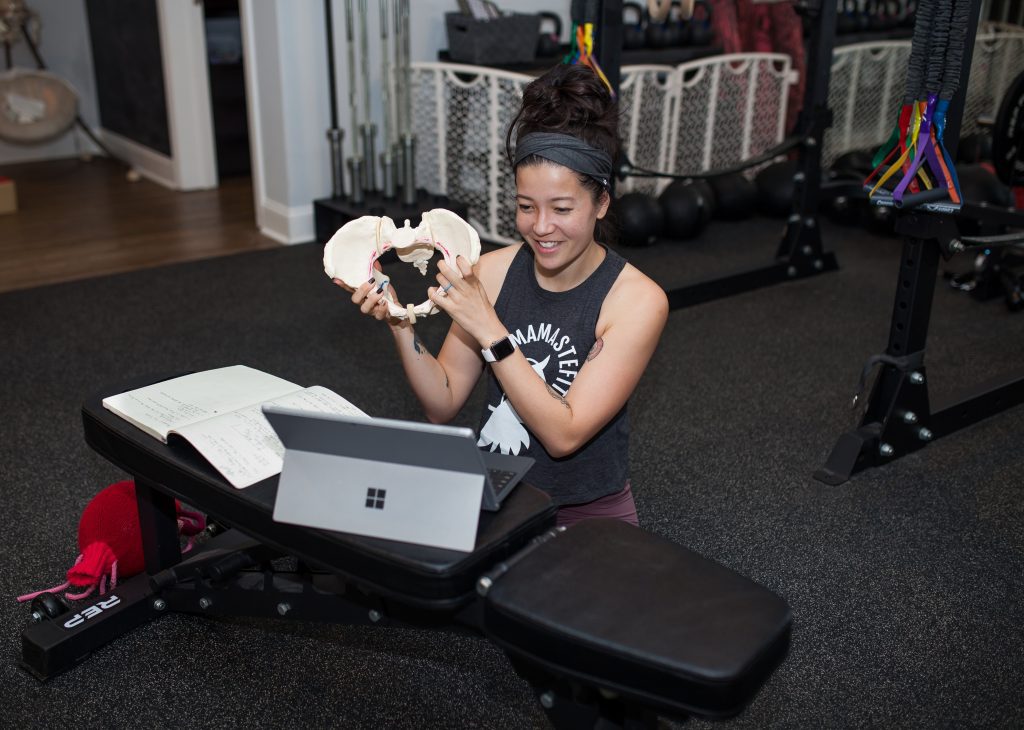
MamasteFit started as a small, local business in October of 2017 and we had about 100 followers on our Instagram which was mostly my friends and family. Now in April of 2023, we have over 212,000 followers and a global business and are one of the top content creators for our educational platform, Teachable. Ready […]