
4 Early Postpartum Rehab Tips: My 1st Week Postpartum
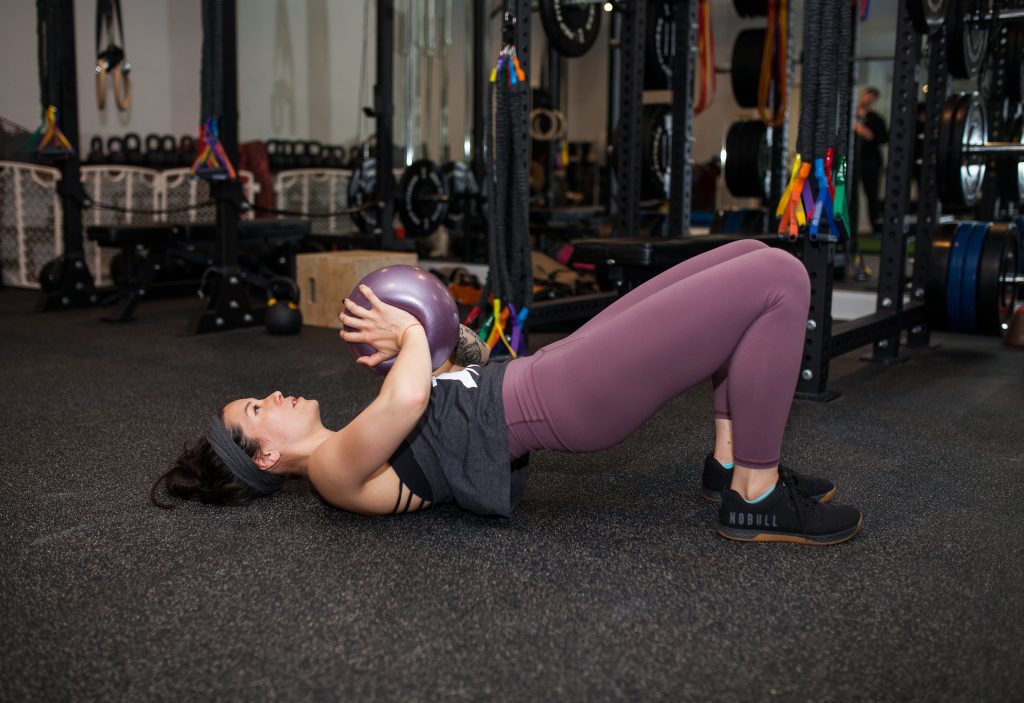
Your baby has arrived after months of preparation, your birth, and now what? Should you wait six weeks until your postpartum check-up to do any sort of rehab work? No. We shouldn’t run to the gym and start lifting heavy weights, BUT we can begin to reconnect with our core and pelvic floor as we […]
Birth Story: Sophie’s Home Birth During Hurricane Ian
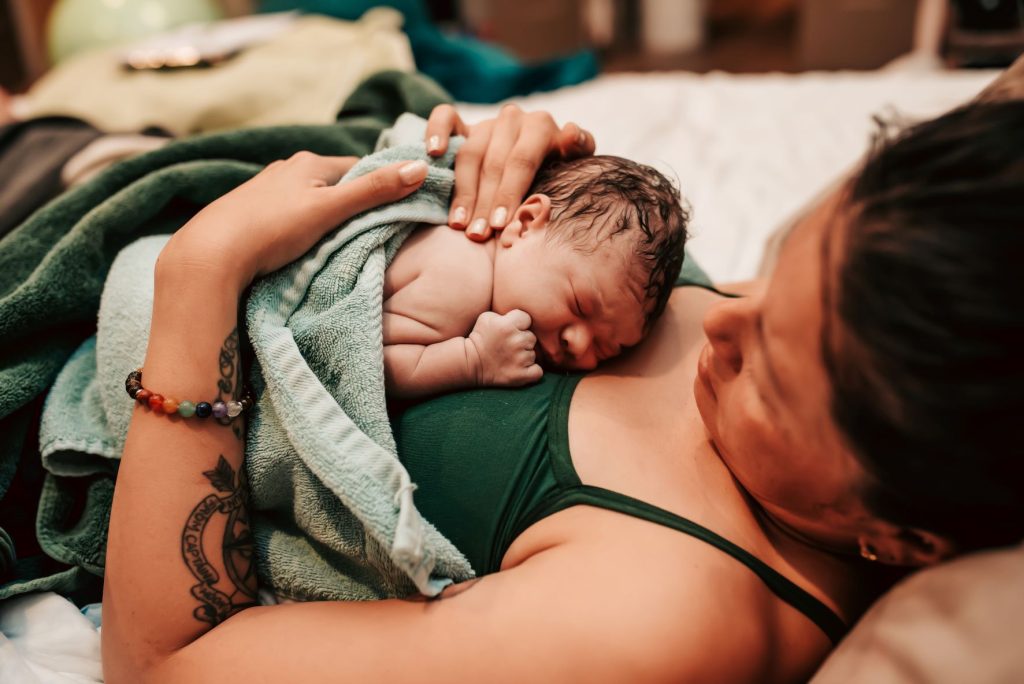
Listen to Sophie’s Birth Story Sophie’s Birth Story started on October 1st at 1:22 am at home at 41+3 weeks in the middle of Hurrican Ian when she was born! She is our third baby, and we are so excited to have her earthside with us now! Waiting for her arrival was agonizing in the final […]
7 Prenatal Exercises for the End of Pregnancy
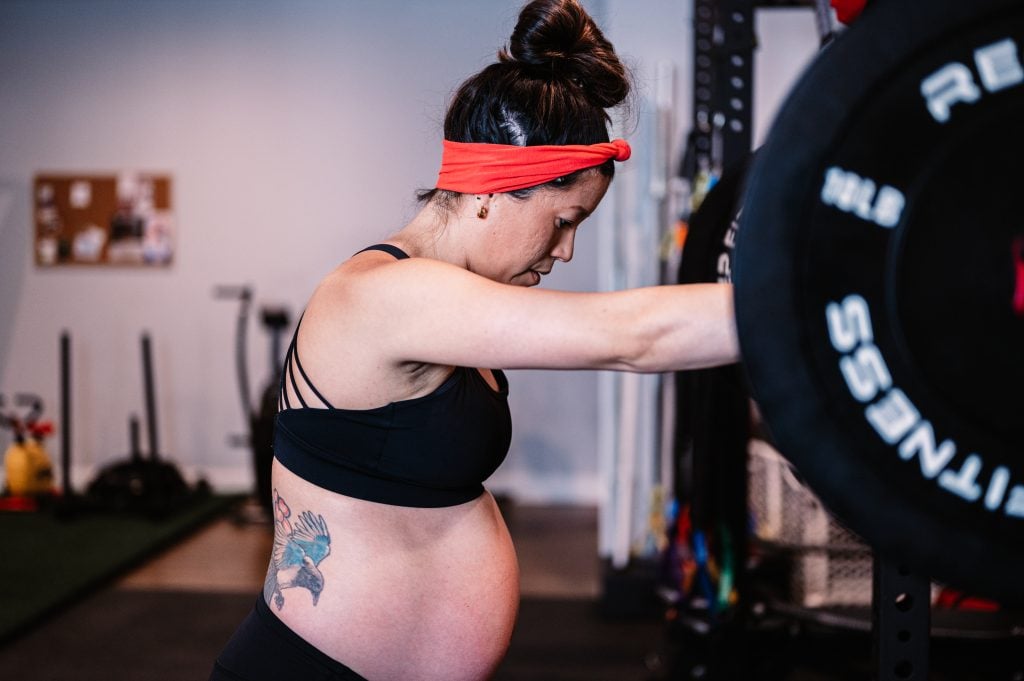
7 Prenatal Exercises As I approach the end of my pregnancy, I am focusing on staying comfortable and preparing for birth! I am still doing our 40-week prenatal strength program that syncs with your week of pregnancy. The final month of the program begins to taper for birth and incorporates a lot more exercises to […]
3 Labor Prep Partner Workout: Prepare for Birth Workout

We don’t have to wait until labor to try out laboring positions and comfort techniques with our partner! Doing a labor preparation workout prior to your labor can help you and your partner prepare for the big day! Let’s explore how to approach doing a labor preparation workout so you both can feel more confident […]
3 Prolapse Symptom Relief Exercises

It can be common during pregnancy and postpartum to experience feelings of heaviness in the pelvic floor or perineal area. This feeling of heaviness could range from feeling like something is “right there” or even falling out! Feelings of heaviness can be related to: Pelvic organ prolapse, or a pelvic organ (bladder, uterus, and rectum) […]
3 Reasons Prolapse is NOT a Reason for Scheduling a C-Section

If you have a current pelvic organ prolapse diagnosis, you may have heard or been told to schedule a c-section to prevent your prolapse from getting worse. Cesarean birth is birth and a valid way to give birth, and there are many reasons that a c-section is the best option for you and your baby. […]
Postpartum Fitness Programs: Best Programs for Your Recovery
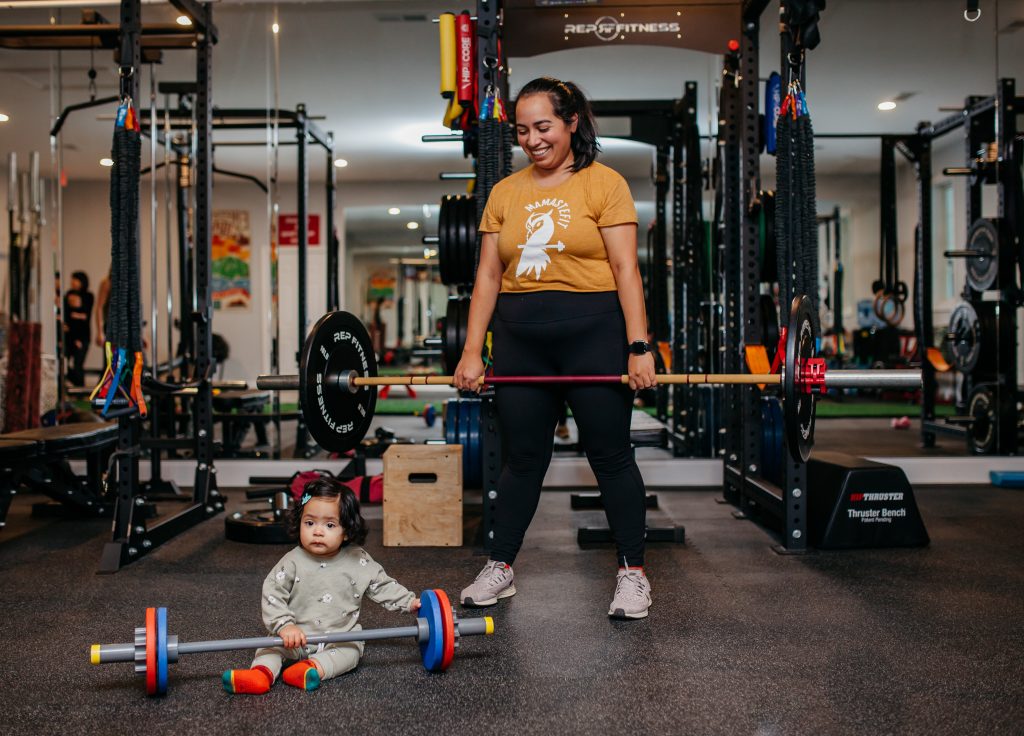
It’s easy to get overwhelmed with choosing which Postpartum Fitness would best fit your recovery needs! Let’s break down each of the programs to help you better decide which program is the best fit for you! MamasteFit Postpartum Fitness Programs When deciding which program is the best for your recovery, the first question to ask is: […]
5 Super Effective Back Labor Pain Relief Tips

Back labor can be excruciating during birth! Not everyone will experience back labor, but if you have in the past, you know you want some relief tips for any future labor! Back labor is commonly believed to be due to your baby’s position, but this is not always the case! Sometimes back labor is just […]
3 Tips for Gentle Pushing: Protect Your Pelvic Floor During Birth
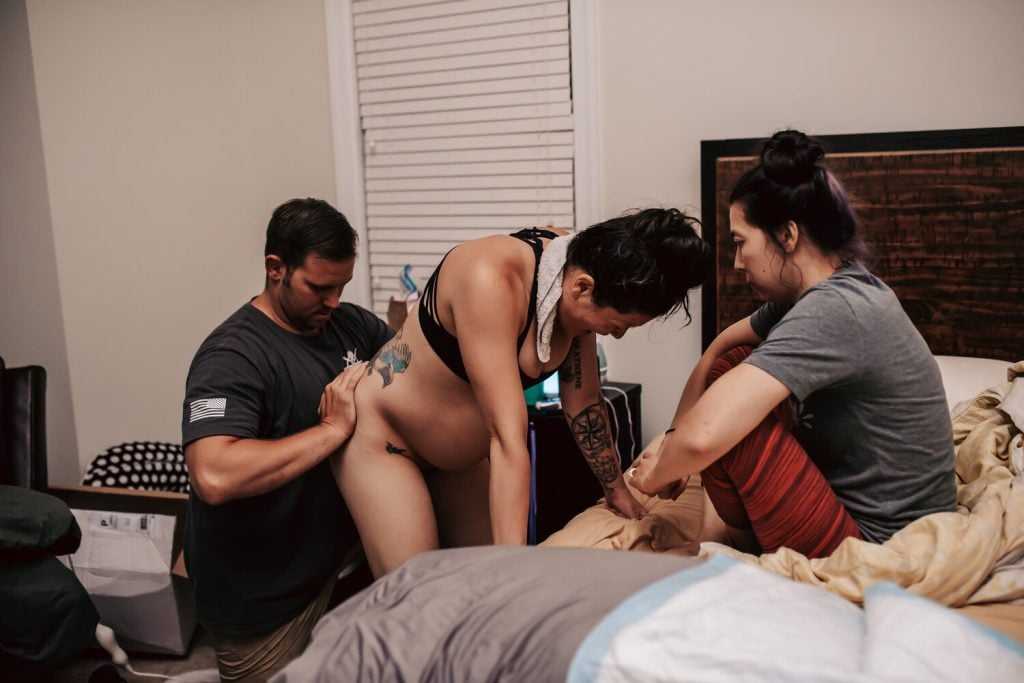
When it comes time to push, there are a few different breathing techniques that we can use: Open Glottis, or gentle pushing, where you exhale as you push Closed Glottis, or purple pushing, where you hold your breath as you push. Most commonly coached in a hospital setting. Both techniques have about the same level […]