Best Labor Positions for Birth: Epidural and Unmedicated Positions
Birth, Epidural, Labor Biomechanics
When it comes to labor, finding the best positions can make a significant difference in both comfort and progression, whether you’re planning for an unmedicated birth or opting for an epidural. In this blog post, we’ll break down some of the most effective labor positions based on where your baby is within your pelvis and whether or not you have an epidural. These positions can help create the space needed for your baby to move through the pelvis and make the labor process smoother.
Understanding Pelvic Mechanics
Before diving into specific positions, it’s essential to understand how different movements can create space in various parts of the pelvis. The pelvis is divided into three levels: the pelvic inlet, mid-pelvis, and pelvic outlet. Each level requires different movements to create the necessary space for your baby to descend and rotate.
Pelvic Inlet: This is where your baby first enters or engages in the pelvis. To create space here, focus on movements that involve external hip rotation and abduction (knees out, ankles in). Pelvic tilting (anterior and posterior) can also change the pelvic diameters, making it easier for your baby to enter the pelvis.
Mid-Pelvis: Once your baby has engaged, they need to rotate through the mid-pelvis. This space opens more with asymmetrical movements, such as shifting weight from side to side. Open hip positions on one side and closed hip positions on the other can be particularly beneficial.
Pelvic Outlet: As your baby descends lower, closed hip positions where the belly moves towards one thigh can help create space in the lower mid-pelvis, aiding the final rotation and descent.
Interested in learning more about what to expect during labor? Sign up for our newsletter for our FREE 30-minute intro to childbirth class! This 30-minute class will walk you through what is a contraction, what is dilation/effacement, and the labor timeline!
If you are laboring without an epidural, you have the flexibility to use a variety of positions that leverage movement and gravity to help your baby navigate through the pelvis.
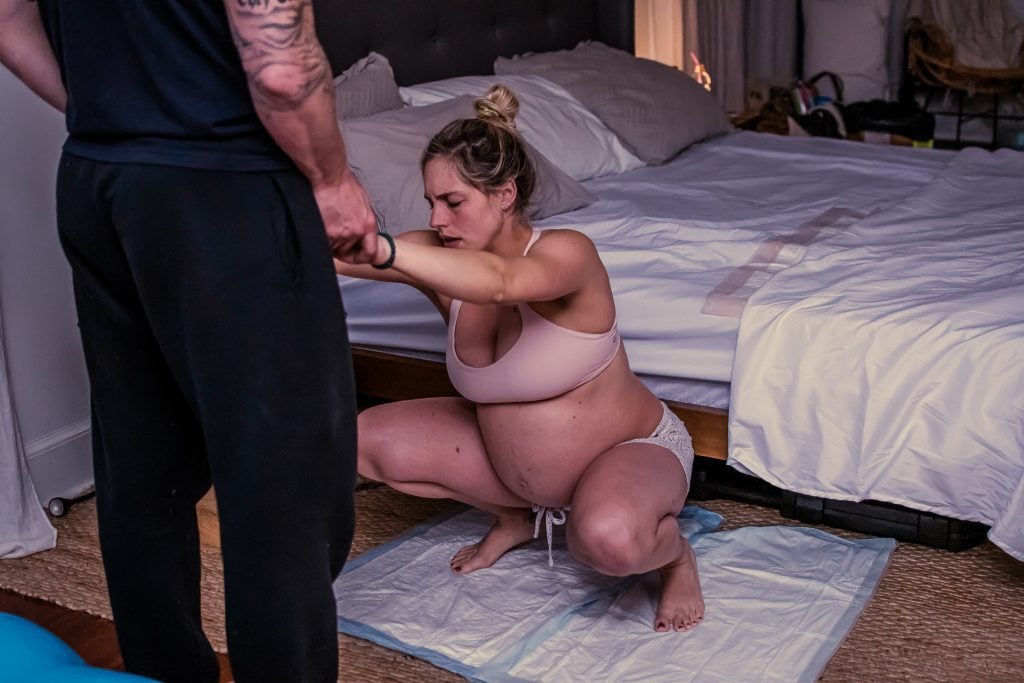
Supported Squats with a Rebozo:
The rebozo, a traditional Mexican shawl, can be used to support a deep squat. This position helps create space in the pelvic inlet by externally rotating the hips. You can sway side to side or move forward and backward to find comfort.
A partner can hold the rebozo across their back for additional support, which also helps to pull the sacrum backward, creating even more space.
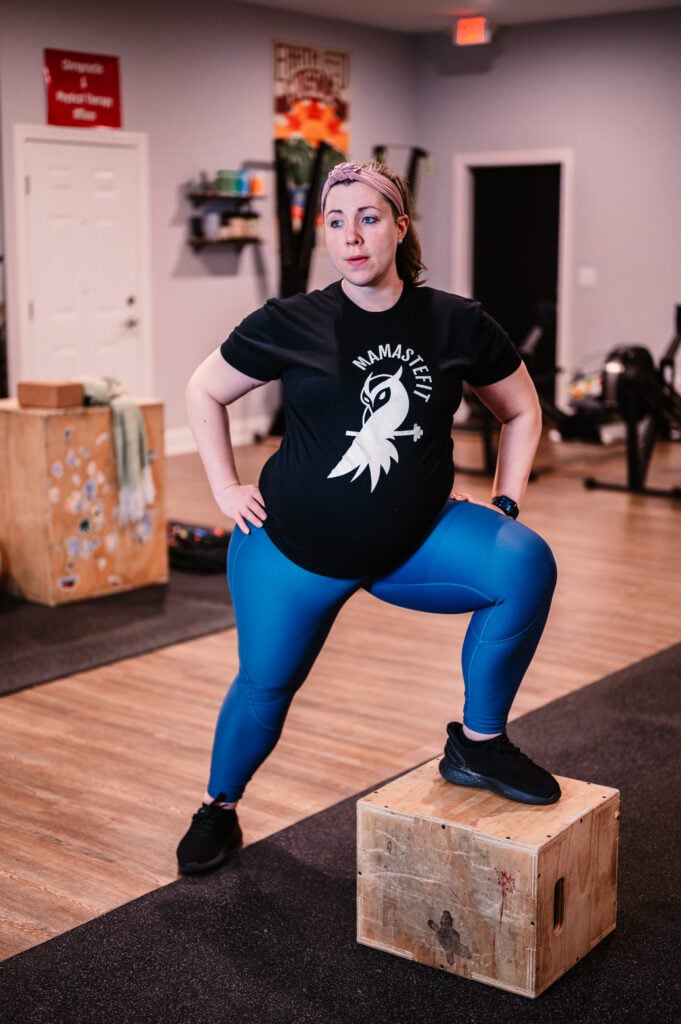
2. Elevated Lunges:
For the mid-pelvis, elevated lunges are effective. Place one leg on an elevated surface and shift your weight into that leg to open up space. Try both legs to see which feels better, as this is often a good indicator of where your baby needs more space.
3. Swaying and Shifting Weight:
Simply swaying and shifting your weight from side to side can help open the mid-pelvis. This movement is particularly beneficial as your baby rotates through the pelvis.
4. Closed Hip Positions:
As your baby moves lower, you might prefer closed hip positions. Elevate your foot on a yoga block or come up onto your toes to shift your weight towards one leg, creating more space in the lower mid-pelvis.
When you opt for an epidural, certain positions might not be accessible, but that doesn’t mean you’re limited in your options. Understanding how your body moves and how your baby navigates through the pelvis can help you find the best positions to support your labor, even with limited mobility due to an epidural.
Labor Positions for the Pelvic Inlet with an Epidural
If your baby is still high in the pelvis, creating more space in the pelvic inlet can help facilitate engagement. With an epidural, you might not be able to stand or move freely, but there are effective positions you can try:
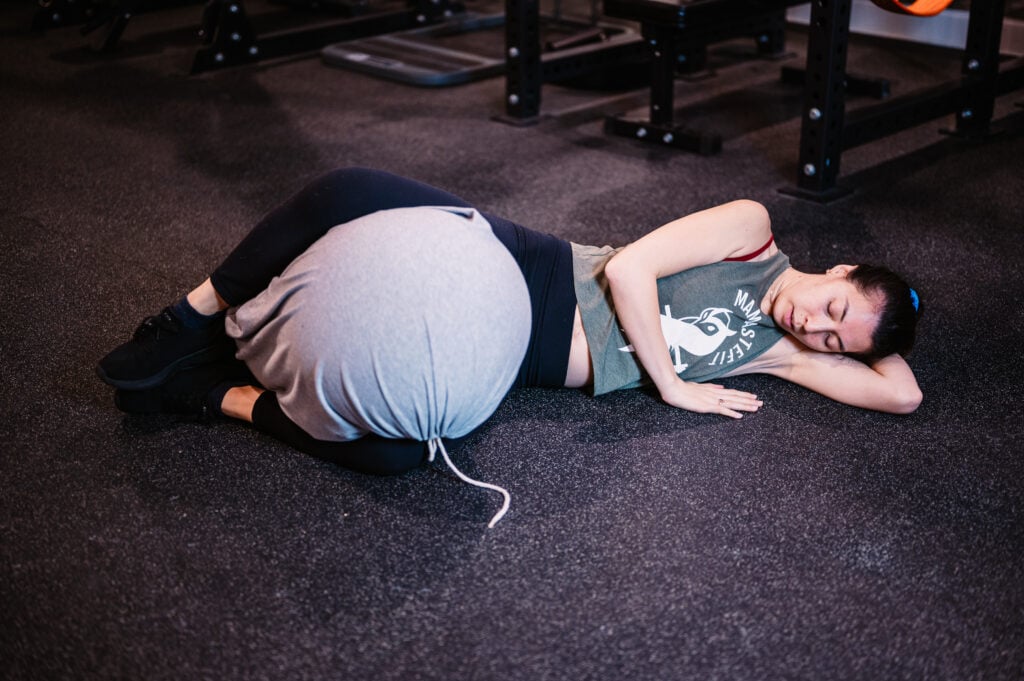
Side-Lying with a Peanut Ball: Place the peanut ball between your knees while lying on your side. This position promotes external rotation of the hips, creating more space in the top of the pelvis. You can alternate sides every 30 minutes to help with baby’s descent.
Semi-Sitting Position: With the back of the bed slightly elevated, prop your legs up with pillows or a peanut ball. This position allows for a gentle anterior pelvic tilt, opening up the space at the pelvic inlet.
Labor Positions for the Mid-Pelvis with an Epidural
As the baby moves down and rotates through the mid-pelvis, asymmetrical positions and shifting your weight can help create space:
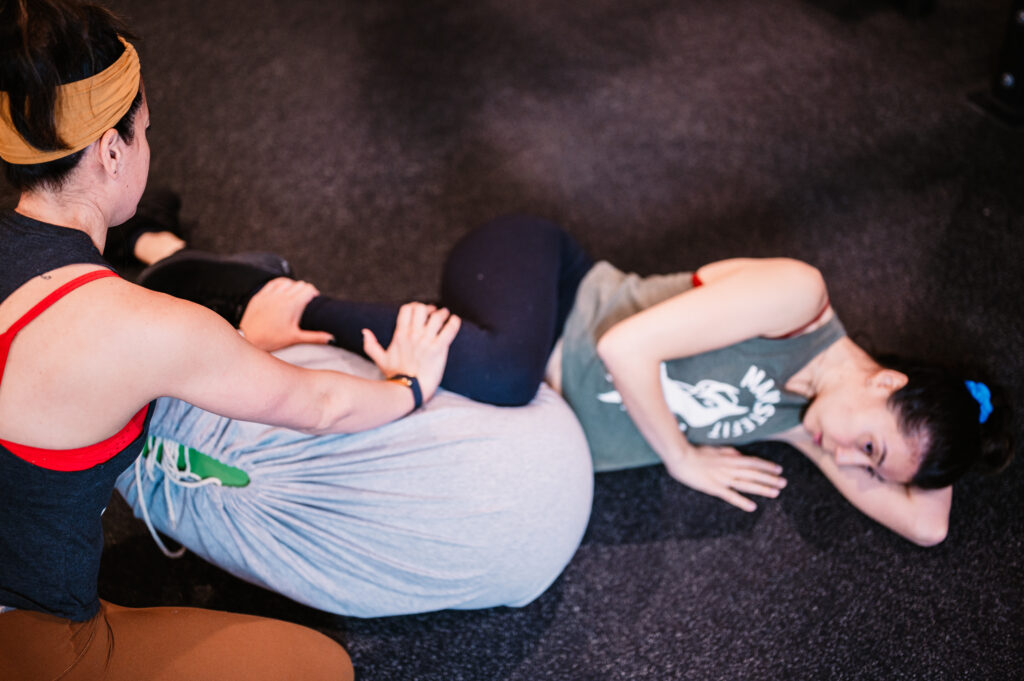
Modified Side Lunge with a Peanut Ball: Place the peanut ball in front of your bottom leg, while your top leg rests on the ball. This asymmetrical position opens the mid-pelvis, helping the baby to rotate. Your partner can gently rock your top leg during contractions to mimic the shifting movements you would do if standing.
Side-Lying with Rocking: In this position, your partner can help by gently rocking your upper leg in and out during contractions. This movement encourages the baby to rotate through the mid-pelvis.
The Role of Partners and Support in Epidural Labor
Having a supportive partner or doula during an epidural labor is invaluable. They can help adjust your position, ensure you are comfortable, and provide emotional support. Simple actions like gently rocking your legs or applying pressure to your hips during contractions can make a significant difference in your comfort and the progress of labor.
These are just a few examples of labor positions that can help create space within your pelvis, making labor smoother for both you and your baby. It’s important to adjust your movements based on where your baby is in the pelvis and whether or not you have an epidural.
To dive deeper into labor positions and pelvic mechanics, consider exploring our online childbirth education course,which includes a dedicated section on epidural labor positions. And if you’re looking to prepare your body during pregnancy, our prenatal fitness programs are designed to ensure these movement patterns are accessible to you when you need them most.
Learn the science of pregnancy and birth to take the mystery of labor away! Understand why you are feeling what you feel, and learn strategies to confidently move through pregnancy and birth!
Find comfort and relief from pelvic girdle pain throughout your pregnancy and postpartum period! This program incorporates myofascial sling focused exercises to stabilize across the pelvic girdle joints.