



Welcome to the MamasteFit Blog! In today’s blog, we’ll cover the red flags during pregnancy and postpartum that signal when to call your provider or head to the ER. Learn when to call your provider or rush to the ER for issues such as labor contractions, water breaking, bleeding, and decreased fetal movement. Recognize the symptoms of preeclampsia, blood clots, and other serious conditions using the AWHONN acronym ‘POST BIRTH’ to identify postpartum emergency symptoms. Being proactive about your health and knowing when to seek help is crucial for both you and your baby. Remember, you’re not wasting anyone’s time by reaching out for help; healthcare providers are there to support you!
Subscribe to our YouTube Channel for more weekly workouts and educational videos! We publish one new workout video and 2-3 educational videos a week on our channel.
Red Flags During Pregnancy: When to Visit the ER
Labor Signs:
- If you’re over 37 weeks and experiencing contractions, it’s time to head to labor and delivery. Conversely, if you’re under 37 weeks and having contractions, this could indicate preterm labor, warranting immediate attention.
Ruptured Membranes:
- If you suspect your water has broken, whether you are full-term or not, it’s essential to get checked out.
Any Bleeding:
- Any amount of bleeding—no matter how small—should prompt a visit to your healthcare provider or the ER. This could indicate issues ranging from a vaginal infection to more severe complications like placenta previa.
Decreased Fetal Movement:
- After 28 weeks of pregnancy, it’s crucial to monitor fetal movements. If you notice a significant decrease in movement or changes in your baby’s usual patterns, don’t hesitate to seek medical advice.
Shortness of Breath:
- While shortness of breath can be common during pregnancy, sudden or severe difficulty breathing may indicate a serious condition, such as a pulmonary embolism or deep vein thrombosis (DVT).
Signs of High Blood Pressure:
- Symptoms such as persistent headaches that don’t respond to over-the-counter pain relief, blurry vision, right upper quadrant abdominal pain, sudden weight gain, and swelling could signal preeclampsia, a potentially life-threatening condition.
Key Takeaways for Pregnancy
If you experience any of these symptoms—contractions, ruptured membranes, bleeding, decreased fetal movement, shortness of breath, or signs of high blood pressure—seek medical help immediately. Your health and your baby’s health depend on your timely response.
Recognizing Postpartum Health Concerns
After giving birth, your body undergoes significant changes, and being aware of potential health issues is equally important. A useful tool to keep in mind is the POST BIRTH acronym, developed by the Association of Women’s Health, Obstetric and Neonatal Nurses (AWHONN), to help mothers remember critical reasons to seek help after delivery.
POST Acronym
Pain in the Chest (P):
- This may indicate a clot that has traveled to the lungs (pulmonary embolism). Chest pain should always be taken seriously.
Obstructive Breathing (O):
- Any difficulty breathing postpartum could be a sign of a serious condition related to clots.
Seizures (S):
- If you experience a seizure after childbirth, seek immediate medical attention. It could be a sign of postpartum eclampsia.
Thoughts of Self-Harm (T):
- Mental health issues can arise postpartum, and it’s vital to seek help if you experience thoughts of harming yourself or others.
Train With Us!
If you want more daily workouts to support a strong pregnancy as you prepare for birth, join our online prenatal fitness programs!
MamasteFit is unique in that we are one of the ONLY prenatal/postnatal training facilities in the United States. We develop our workout programs from our experience of working with in-person pre/postnatal fitness clients and work closely with physical therapists to refine our programming. In addition, we are birth workers, so we combine our experience as perinatal fitness trainers and birth professionals to ensure that our programs actually support your birth preparation and recovery!
Our prenatal fitness programs are offered in several formats:
- 40-Week Prenatal Strength Program in the Teambuildr App:
- This program is a self-paced workout with shorter demo videos. This is ideal if you like to workout in a gym setting and prefer a traditional workout delivery format.
- This program syncs to your current week of pregnancy, so you can start anytime, with one-time payment or month-to-month payment options.
- This program has a full and mini version, depending on how much time you have to dedicate to workouts!
- Prenatal On-Demand Fitness Program:
- If you prefer to follow a video as you workout at the same time, this workout program will be the best option!
- This program syncs to your current trimester, so you can grab the trimesters you need!
- Birth Prep Workout Program:
- If you already have a workout routine or you only want birth prep-focused workouts, check out this program!
- This program includes full-length workout videos to follow as you workout at the same time.
- Prenatal Yoga Classes:
- If you want prenatal yoga, join our prenatal yoga program! This also syncs to your current trimester.
BIRTH Acronym
If you’re experiencing the following issues, call your provider or head to the ER if you can’t reach them:
Bleeding (B):
- Heavy bleeding postpartum is concerning. If you’re saturating a pad in an hour or passing large clots, this could indicate postpartum hemorrhage.
Incision Not Healing (I):
- If your C-section incision or any laceration isn’t healing well or shows signs of infection, it’s important to seek care.
Redness (R):
- Redness or warmth in your legs may signal a clot. Additionally, redness around your incision warrants a visit.
Temperature (T):
- A fever over 100.4°F may suggest an infection, especially if accompanied by redness or unusual discharge.
Headache (H):
- Persistent headaches that don’t improve with over-the-counter medications could be a sign of postpartum preeclampsia, requiring immediate assessment.
Key Takeaways for Postpartum
Pay close attention to any signs of chest pain, shortness of breath, seizures, mental health crises, bleeding, incision healing issues, redness, elevated temperature, and headaches. Don’t hesitate to seek help, as early intervention can be life-saving.
Prenatal Support Courses
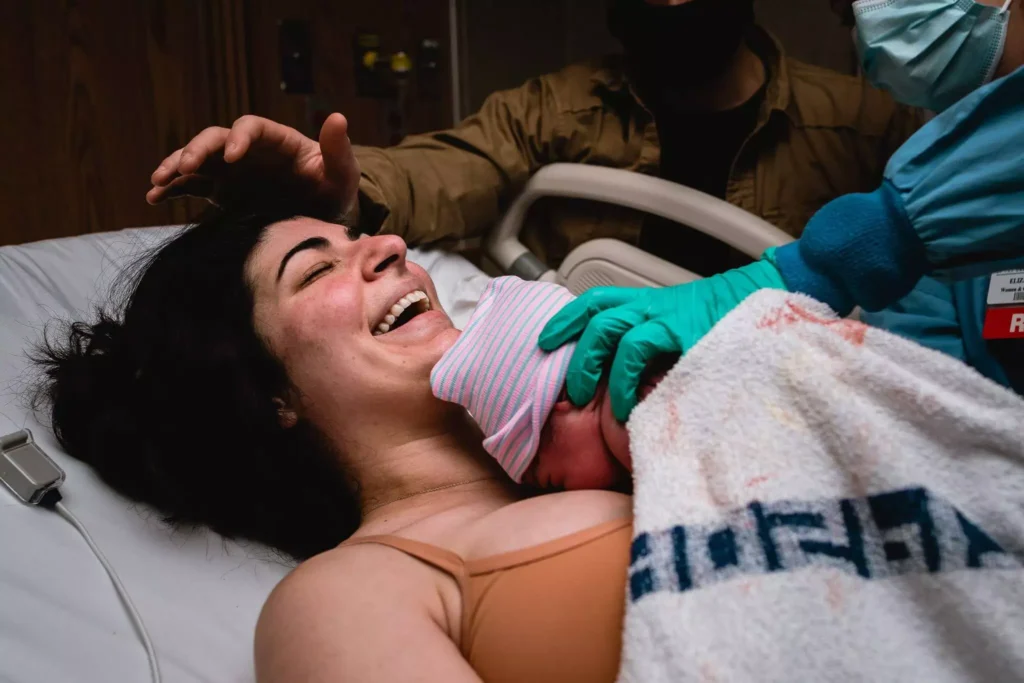

Learn the science of pregnancy and birth to take the mystery of labor away! Understand why you are feeling what you feel, and learn strategies to confidently move through pregnancy and birth!
- 9h+ of Video
- Support Group
- Close Captioning
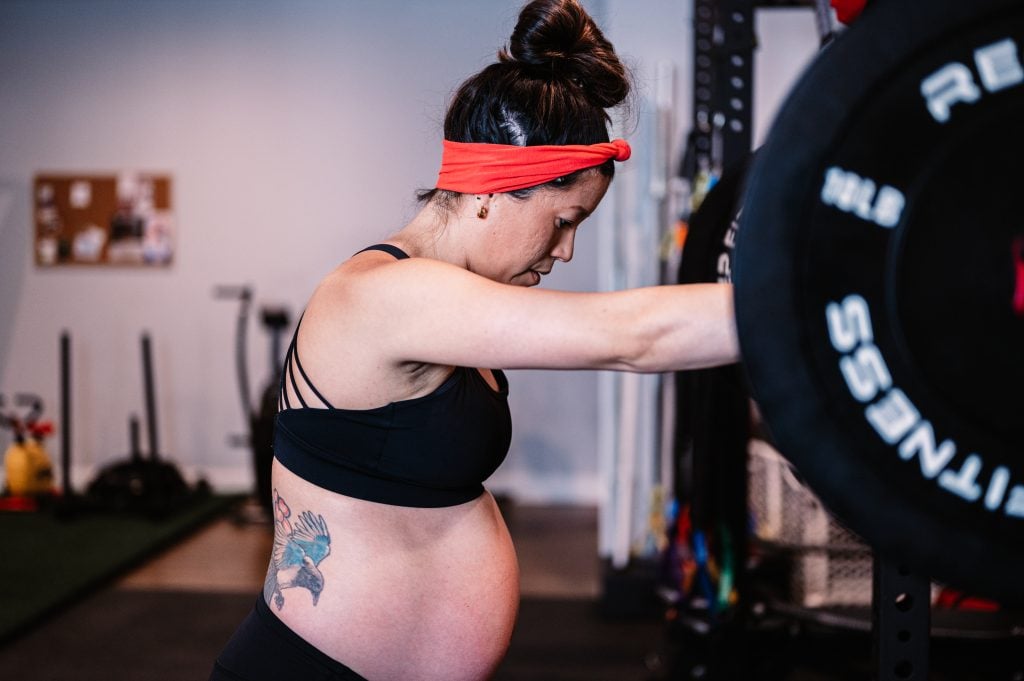

- 5 Workouts/Week
- Gym Workouts
- Self-Paced

Instructor
GINA
Workout on-demand with our prenatal fitness workout videos! Each workout is 30-40 minutes to follow along as you exercise at the same time!
- Birth Prep
- All Trimesters
- Mobility Work

Instructor
GINA
Find comfort and relief from pelvic girdle pain throughout your pregnancy and postpartum period! This program incorporates myofascial sling focused exercises to stabilize across the pelvic girdle joints.
- 3 Weeks
- On Demand Workout Videos to Follow