TRAINING FOR TWO

Move Confidently in Pregnancy!

NEW COURSE! ‎ ‎ ‎ ‎ ‎‎ ‎ ‎ ‎ ‎ ‎ ‎ ‎ ◆ ‎ ‎ ‎ ‎ ‎‎ ‎ ‎ ‎ ‎ ‎ ‎ ‎ Pelvic Biomechanics ‎ ‎ ‎ ‎ ‎‎ ‎ ‎ ‎ ‎ ‎ ‎ ‎ ◆ ‎ ‎ ‎ ‎ ‎‎ ‎ ‎ ‎ ‎ ‎ ‎ ‎ for Pregnancy and Birth. ‎ ‎ ‎ ‎ ‎‎ ‎ ‎ ‎ ‎ ‎ ‎ ‎ ◆ ‎ ‎ ‎ ‎ ‎‎ ‎ ‎ ‎ ‎ ‎ ‎ ‎ NEW COURSE! ‎ ‎ ‎ ‎ ‎‎ ‎ ‎ ‎ ‎ ‎ ‎ ‎ ◆ ‎ ‎ ‎ ‎ ‎‎ ‎ ‎ ‎ ‎ ‎ ‎ ‎ Pelvic Biomechanics ‎ ‎ ‎ ‎ ‎‎ ‎ ‎ ‎ ‎ ‎ ‎ ‎ ◆ ‎ ‎ ‎ ‎ ‎‎ ‎ ‎ ‎ ‎ ‎ ‎ ‎ for Pregnancy and Birth. ‎ ‎ ‎ ‎ ‎‎ ‎ ‎ ‎ ‎ ‎ ‎ ‎ ◆ ‎ ‎ ‎ ‎ ‎‎ ‎ ‎ ‎ ‎ ‎ ‎ ‎ NEW COURSE! ‎ ‎ ‎ ‎ ‎‎ ‎ ‎ ‎ ‎ ‎ ‎ ‎ ◆ ‎ ‎ ‎ ‎ ‎‎ ‎ ‎ ‎ ‎ ‎ ‎ ‎ Pelvic Biomechanics ‎ ‎ ‎ ‎ ‎‎ ‎ ‎ ‎ ‎ ‎ ‎ ‎ ◆ ‎ ‎ ‎ ‎ ‎‎ ‎ ‎ ‎ ‎ ‎ ‎ ‎ for Pregnancy and Birth. ‎ ‎ ‎ ‎ ‎‎ ‎ ‎ ‎ ‎ ‎ ‎ ‎ ‎◆ ‎ ‎ ‎ ‎ ‎‎ ‎ ‎ ‎ ‎ ‎ ‎ ‎
Written by

Gina Conley, MS

Effective Pushing Strategies: Creating Space in the Pelvic Outlet

When it comes to birth preparation, understanding how to create space in your pelvis can make all the difference in how efficiently and comfortably your baby moves through the birth canal. Today, I want to focus on one key area — the pelvic outlet, or the bottom part of your pelvis — and share how you can optimize this space during pushing.

Subscribe to our YouTube Channel for more weekly workouts and educational videos!  We publish one new workout video and 2-3 educational videos a week on our channel.

Prep For Birth With MamasteFit

Grab our free Prepare for Birth Exercise Guide with six exercises we swear by to get ready for birth. These moves help your baby find a great position, open your pelvis, and release your pelvic floor—so you can feel more comfortable and confident heading into labor.

    We won't send you spam. Unsubscribe at any time.

    What Is the Pelvic Outlet?

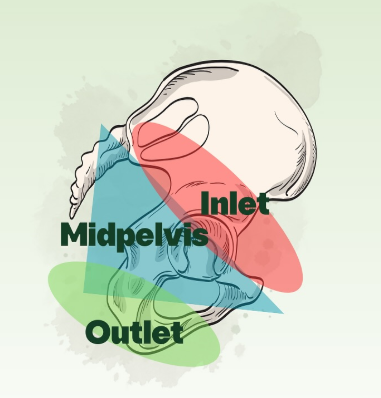
    Your pelvis has three levels:

    1. Pelvic Inlet – the top portion

    2. Mid-Pelvis – the middle section

    3. Pelvic Outlet – the bottom, where your baby exits during birth

    When we’re pushing, our goal is to create as much space as possible in this lower section. Human babies have big heads, and that final descent through the pelvis requires every bit of space we can give them. Understanding how to move your body to support this process can make your pushes more effective — and your birth experience smoother.

    The Key: Internal Hip Rotation

    To open the pelvic outlet, focus on internal hip rotation — that means knees in, ankles out.
    This movement increases space side-to-side at the bottom of your pelvis. The change doesn’t have to be dramatic; even subtle adjustments can make a meaningful difference.

    Here’s how it looks:

    • Bring your knees slightly toward each other.

    • Let your ankles move out a bit.

    You can use internal rotation in many pushing positions, such as:

    • Tabletop or kneeling on the labor bed

    • Side-lying positions

    • Supported squats

    Don’t worry if you’re not in a traditional “tabletop” position — you can find this rotation in nearly any position that feels supportive during pushing.

    The Power of Lat Tension

    In addition to internal hip rotation, generating lat tension — activating the large muscles along your back — helps open the pelvis front-to-back.

    When you engage your lats (think: pulling your elbows in or holding onto a scarf or the bed), that engagement gently tugs on the fascia connected to your sacrum, pulling the tailbone back. This motion creates more room for your baby to move through.

    So, when you combine internal hip rotation with lat engagement, you’re creating space in multiple directions — side-to-side and front-to-back — making your pushes significantly more effective.

    Debunking the “Arched Back” Myth

    A common myth is that you need to arch your back or tilt your pelvis forward (anterior tilt) to open the pelvic outlet. While that might sound logical, it’s not quite accurate.

    Here’s why:

    • The pelvic inlet (the top of the pelvis) opens with both anterior and posterior tilts — each affecting different parts of the inlet.

    • The pelvic outlet, however, opens best with a neutral or slightly posterior pelvic tilt — meaning a small tuck under rather than a big arch.

    When your back is overly arched:

    • It’s harder to achieve internal hip rotation.

    • Forcing that rotation in this position can cause strain or even injury, especially if you have an epidural and can’t fully feel the pressure.

    • Your pushes become less effective because your diaphragm and uterus aren’t properly stacked, making it harder to direct power downward.

    A neutral or slightly tucked position, on the other hand, allows for easier internal rotation and aligns your body for more efficient pushing.

    Try This At Home

    To feel this difference yourself, try this exercise:

    1. Sit upright and arch your back, spreading your knees wide. Notice how it feels — probably a bit of tension in your lower back or groin.

    2. Now, with that same arch, bring your knees in and your ankles out. Feel the strain? That position restricts your hips’ ability to rotate internally.

    3. Finally, tuck your pelvis slightly under. You’ll notice internal rotation feels smoother and more comfortable — exactly what we want during pushing.

    Strengthening for Birth

    Finding these positions during labor is easier when your body already knows how to access them. That’s why prenatal exercise that targets the pelvis and hips is so powerful.

    At MamasteFit, we incorporate exercises that strengthen:

    • Hamstrings, which help you tuck the pelvis

    • Inner thighs, which assist in internal rotation

    • Lats, which support that backward pull of the tailbone

    Our Birth Prep Circuit  is designed to help you practice creating space in the pelvic outlet — skills that directly translate to your pushing phase.

    If you’re looking for more comprehensive support, our Prenatal Fitness Program builds strength and mobility throughout pregnancy while preparing your body for birth mechanics like these.

    20-Minute Birth Preparation Workout: Prepare for Pushing!

    Final Thoughts

    To make pushing more effective and reduce strain, remember these three key points:

    1. Internal Hip Rotation (knees in, ankles out) opens the pelvic outlet side-to-side.

    2. Lat Tension pulls the tailbone back, increasing space front-to-back.

    3. Neutral or Slightly Posterior Pelvic Tilt allows for both movement and strength during pushing.

    By combining these elements, you’re not only creating more space in your pelvis but also using your body’s natural design to your advantage during birth.

    Prenatal Support Courses